U.S. Embassy in Saudi Arabia Warns Americans of Houthi Threats to Airports and Airspace
Why It MattersConflict-zone threats against airport infrastructure push airlines and travelers toward real-time airspace monitoring and contingency routing rather than reliance on scheduled flight plans alone.
What happened
The U.S. Embassy in Saudi Arabia issued a security alert on Wednesday, October 7, 2026, warning American citizens to exercise heightened vigilance following public threats by Yemen's Houthi movement against airports and airspace across the Kingdom. The embassy said the security situation could deteriorate further and advised Americans to prepare for possible disruptions to air travel, including flight cancellations and airspace closures, recommending that travelers check flight departure status directly with their airline and airport.
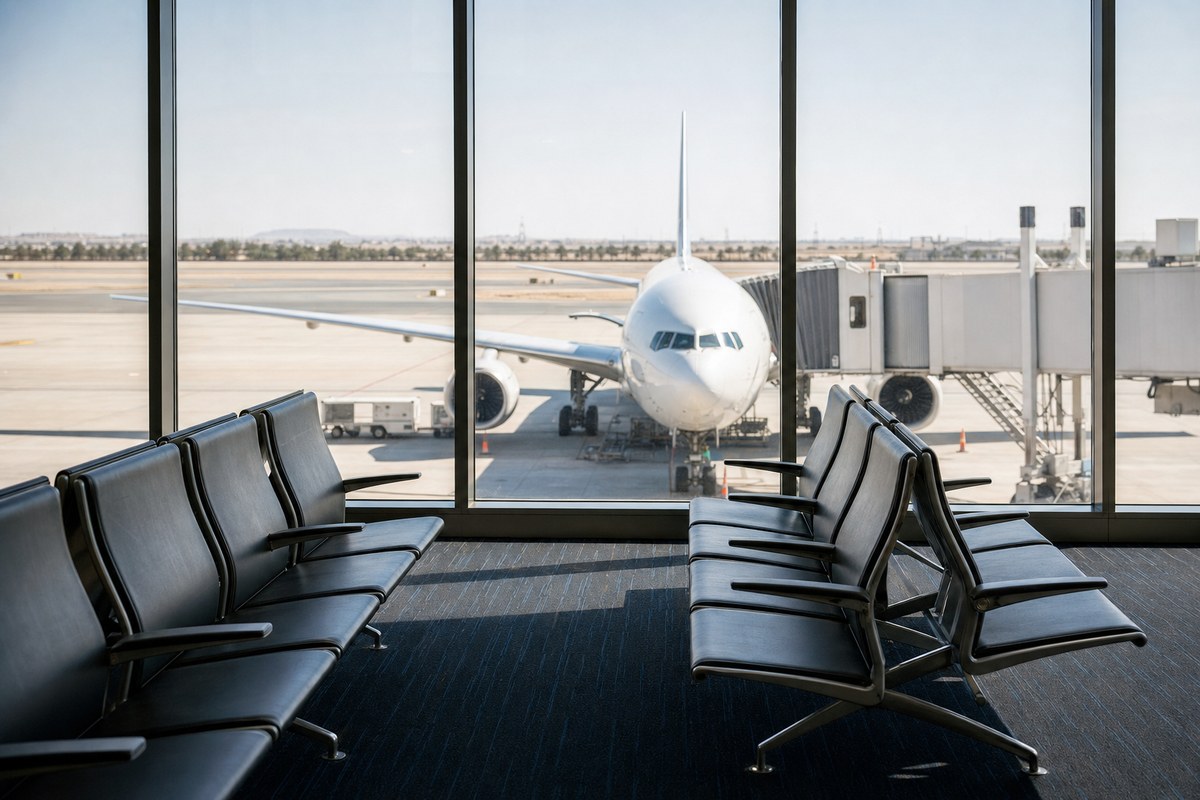
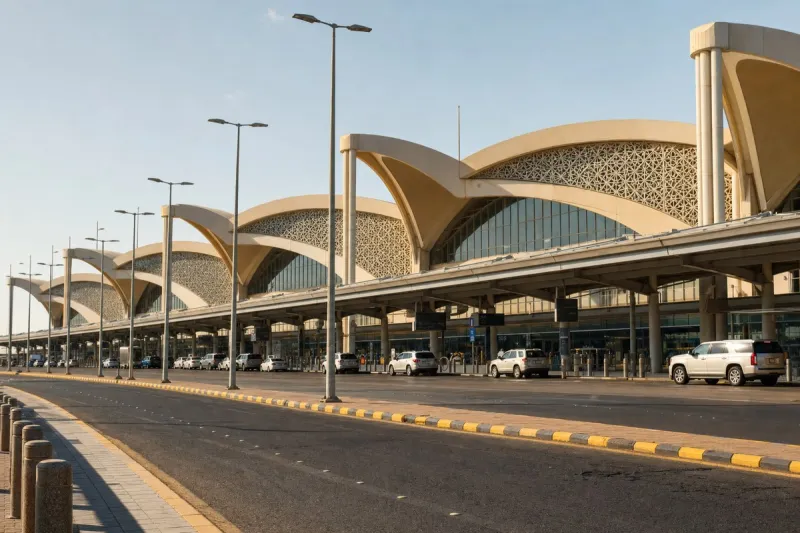
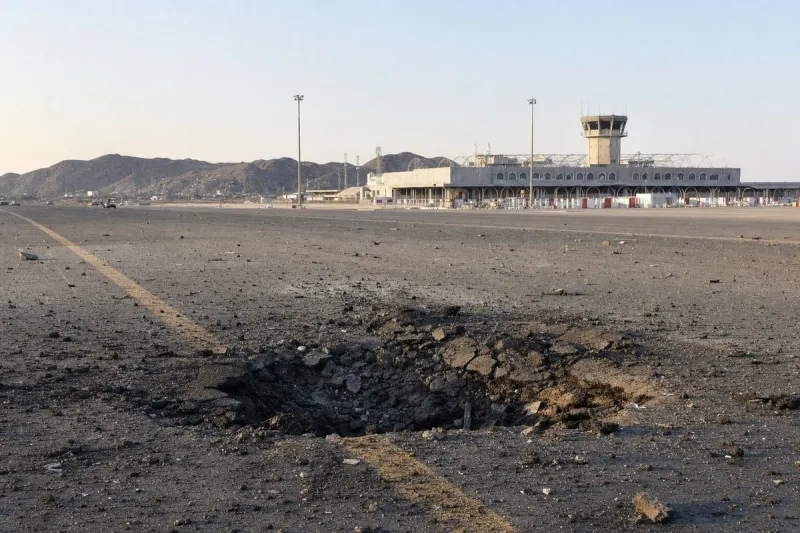
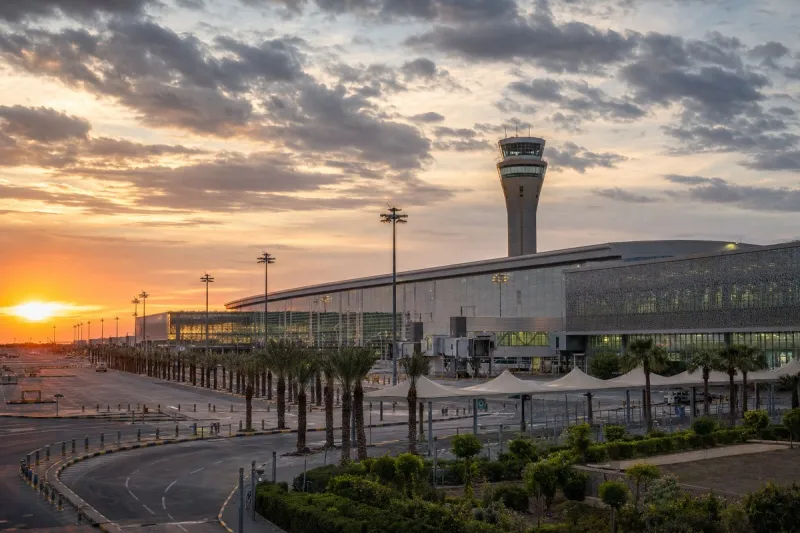
On the same day, the Houthis claimed to have launched missile and drone attacks against targets in Saudi Arabia, including King Khalid International Airport in Riyadh and Abha Airport, as well as military facilities in the southwest of the Kingdom. Saudi authorities said a ballistic missile was intercepted north of Riyadh. The Houthi claims regarding the airports were not independently verified, and flights at King Khalid International Airport were reported to have been briefly disrupted amid the reported attacks, though the precise circumstances remained unclear.
The U.S. Mission stated that U.S. government personnel are prohibited from traveling within 20 miles of the Yemen border and require special authorisation to visit the provinces of Jizan, Asir and Najran, as well as the cities of Qatif, Yanbu and Taif. American citizens were also advised not to travel near the Yemen border. The embassy urged Americans in Saudi Arabia to follow guidance issued by Saudi Arabia's Civil Defense during security incidents, remain vigilant, and monitor official alerts for sudden changes to travel plans.
Industry impact & what to watch
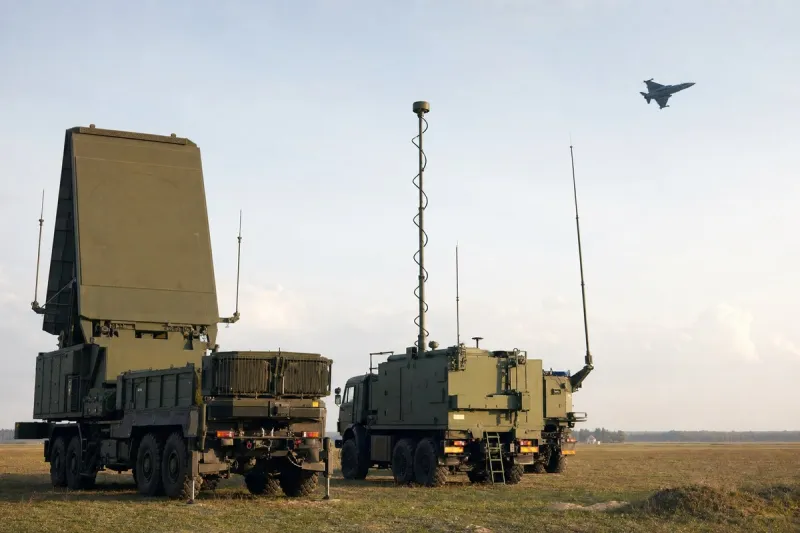
This episode belongs to a category of conflict-adjacent disruption where a threat claim, rather than a confirmed strike, is enough to trigger operational caution around airports and airspace. Airlines and air traffic authorities in the region have to weigh unverified claims against the cost of delays, diversions or closures, since the consequences of ignoring a real threat are far higher than the cost of a brief ground stop.
In practice, this is how risk management around contested airspace works: embassies and civil aviation authorities issue advisories ahead of confirmed facts, airlines consult those advisories alongside their own threat assessments, and airport operators prepare contingency procedures such as temporary ground stops even when an attack claim cannot be independently confirmed. The interception of a ballistic missile north of Riyadh shows that the underlying threat is being actively managed by Saudi air defenses, independent of whether every Houthi claim proves accurate.
What happens next depends on whether Saudi authorities or international bodies issue any further confirmation of damage or disruption at King Khalid International Airport or Abha Airport, and whether the Houthis follow through with additional claimed attacks in the coming days.