Three killed, 36 injured in Houthi attacks on Saudi airports in Abha and Riyadh
Why It MattersThe incident underscores how airports near active conflict zones must fold munitions risk into daily security and operational planning, not treat it as a remote contingency.
What happened
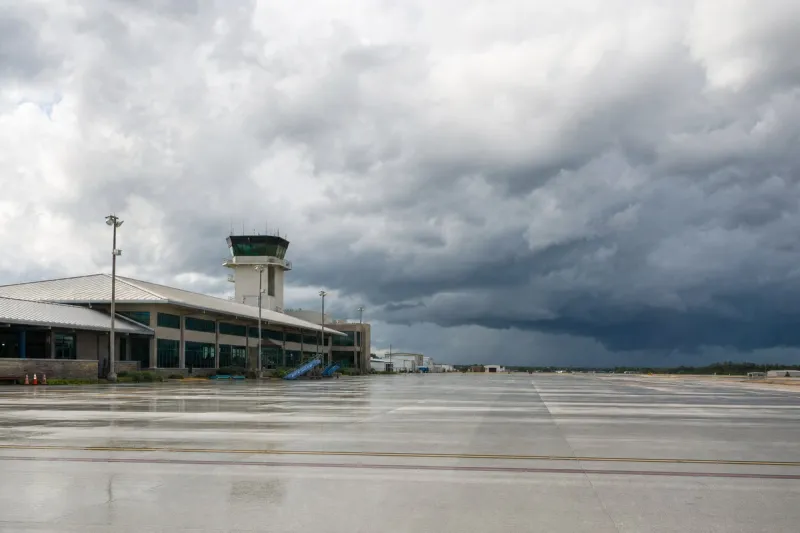
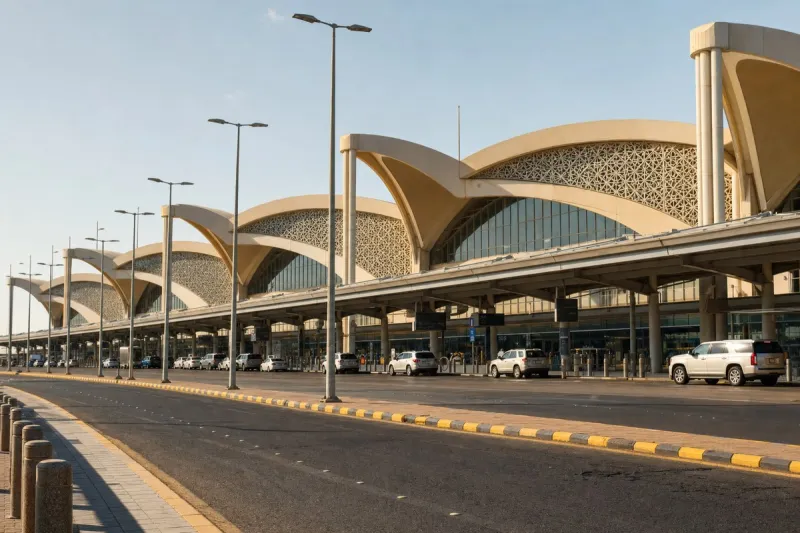
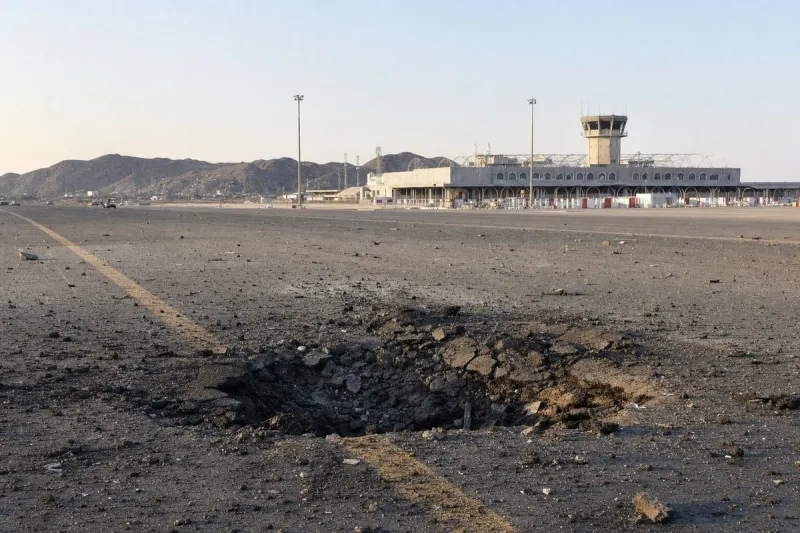
Saudi Arabia's General Authority of Civil Aviation (GACA) said three people were killed and 36 others were injured in separate attacks on two of the kingdom's airports on Tuesday and Wednesday. Abha International Airport and King Khalid International Airport in Riyadh were each targeted in distinct incidents.
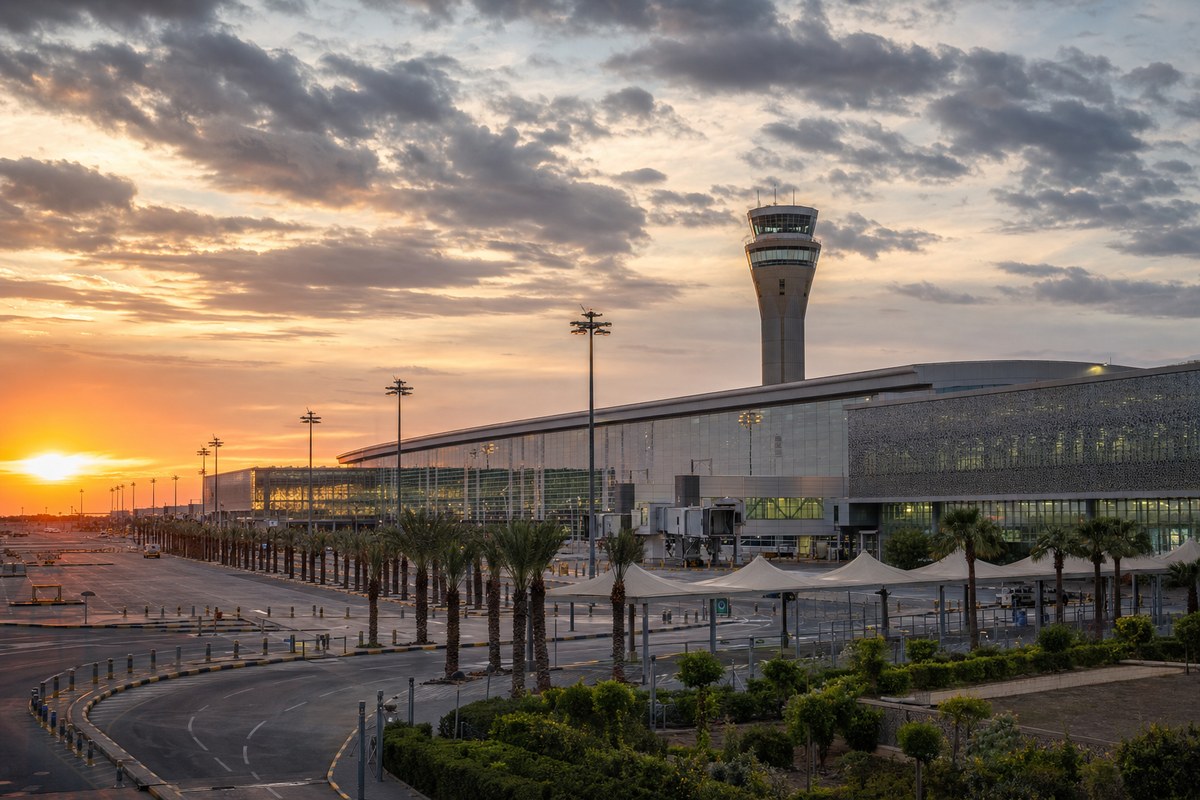
At Abha International Airport, two residents were killed — one Moroccan national and one Algerian national — and 28 people were injured, including two Saudi citizens and residents of Bangladeshi and Filipino nationalities, with injuries ranging from minor to serious. At King Khalid International Airport in Riyadh, a Sudanese national was killed and eight people were injured, among them five Saudi citizens, two Egyptian nationals and one Pakistani national. All injured were transported to hospitals for medical treatment.
GACA said both attacks also caused material damage and that it was coordinating with relevant security agencies to assess the damage and take necessary measures to ensure the safety of passengers and airport employees. Yemen's Houthis claimed responsibility for both attacks on Wednesday, with military spokesman Yahya Saree saying the group targeted King Khalid International Airport with drones and struck Abha International Airport using ballistic missiles and drones. The attacks occurred amid heightened tensions between the Houthis and the Saudi-led coalition that has supported Yemen's internationally recognized government since March 2015.
Industry impact & what to watch
Strikes on operating civil airports rather than military sites place commercial aviation directly inside an active regional conflict, affecting international travelers and resident workers rather than combatants. The nationalities of those killed and injured — Moroccan, Algerian, Sudanese, Saudi, Egyptian, Pakistani, Bangladeshi and Filipino — show how exposed the ordinary passenger and labor mix at Gulf airports is to this kind of event.
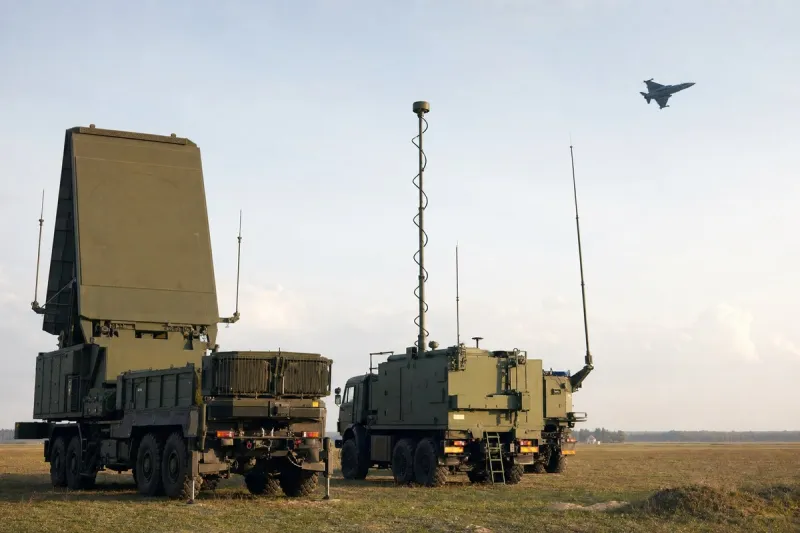
Airport operators in the region manage this kind of risk through layered air-defense coordination with national security agencies, damage assessment protocols, and continuous evaluation of whether terminals and ramps remain safe for passenger and employee movement, which is precisely the process GACA described initiating after both incidents. How insurers, airlines and regulators respond — whether through revised risk assessments for Saudi airspace, altered routings, or additional security measures at Abha and King Khalid International — will depend on whether the Houthis continue this pattern of strikes on civilian airports.
The next signals to track are any statements from GACA on repair timelines and airport reopening status, responses from Saudi Arabia or the coalition it leads, and whether international carriers or regulators issue any guidance on operations into Saudi airports.