Phoenix to Test Honeywell SURF-A Runway Collision Alert System on Ground Vehicles at Three Airports
Why It MattersExtending cockpit collision-alert technology to ground vehicles signals a shift toward unifying runway-safety systems across all surface operators rather than pilots and controllers alone.
What happened
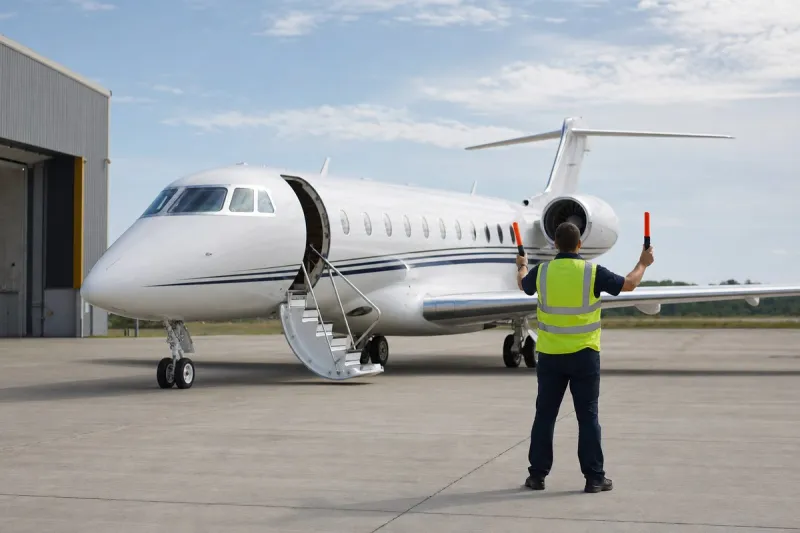
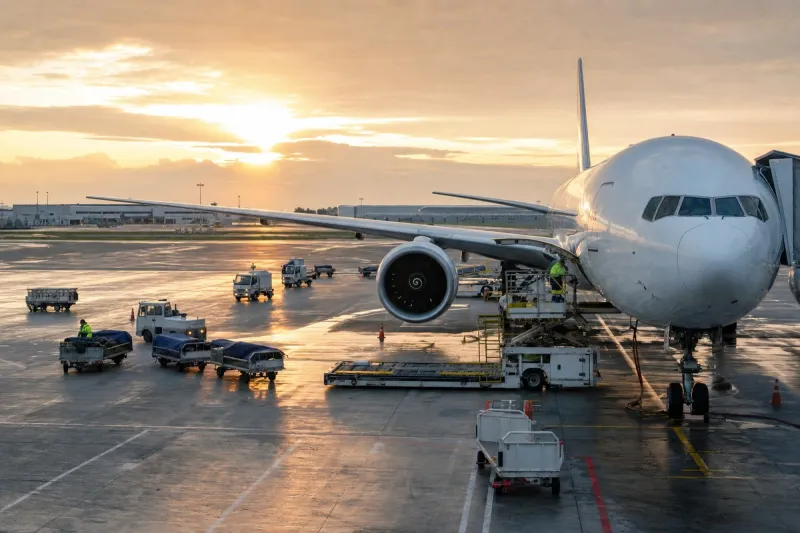
The City of Phoenix Aviation Department will evaluate Honeywell Aerospace's Surface Alert (SURF-A) system on ground vehicles at Phoenix Sky Harbor International (KPHX), Phoenix Goodyear (KGYR), and Phoenix Deer Valley (KDVT) airports, in a study planned to begin this month and run through the end of the year. Honeywell describes this as the first time any airport in the world will use this type of collision-avoidance technology aboard ground vehicles.
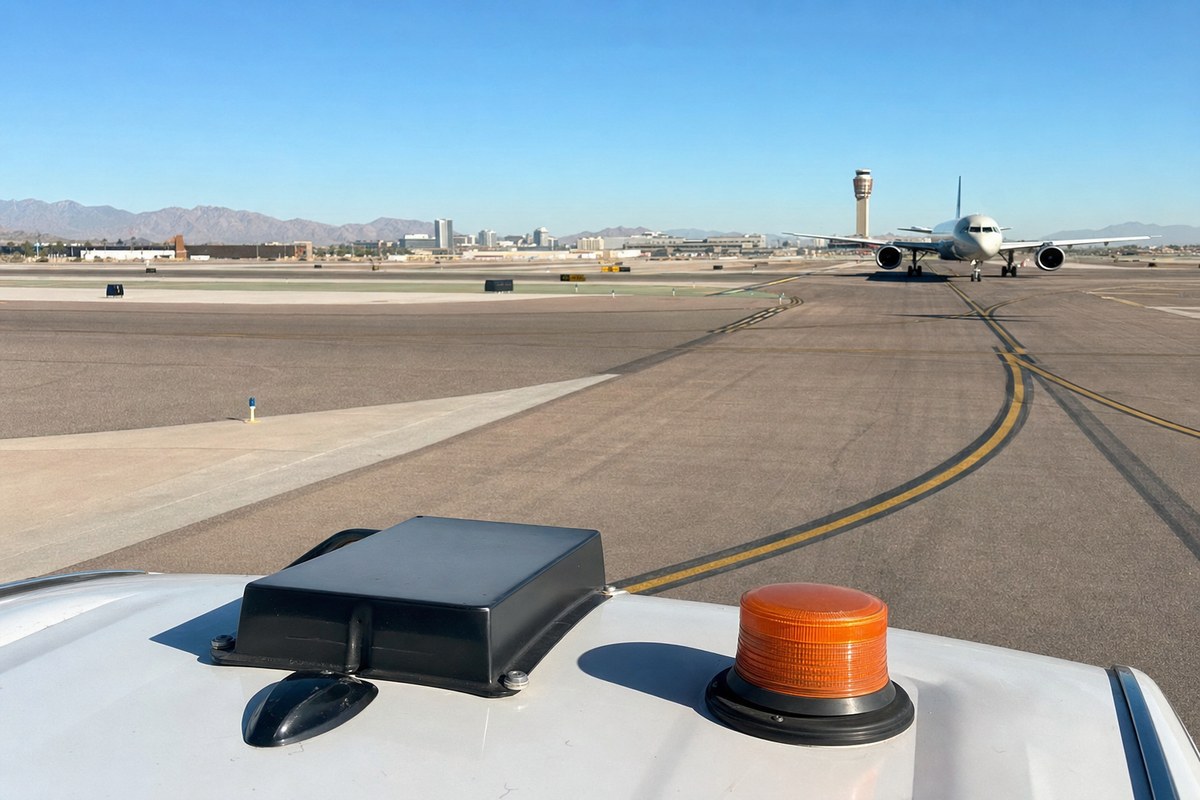
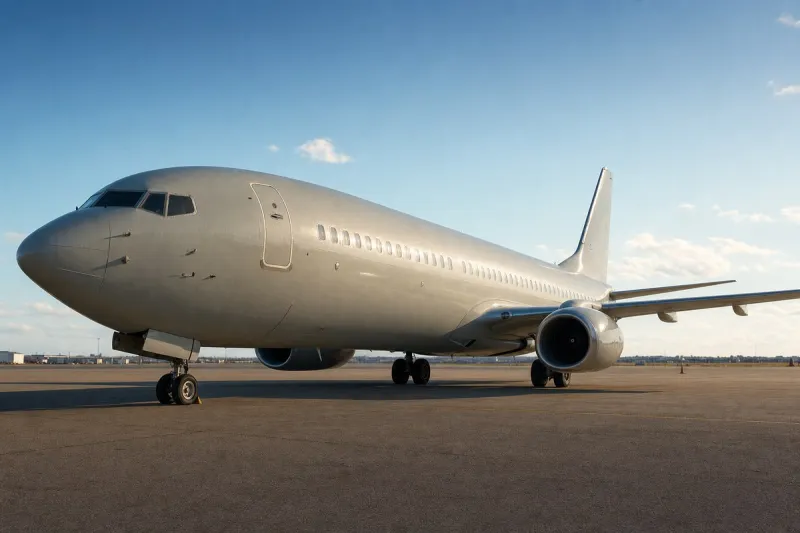
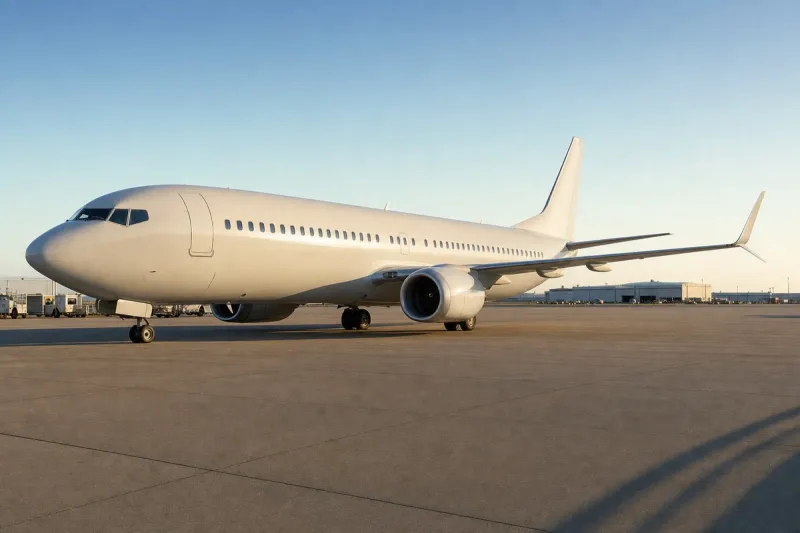
SURF-A, originally developed for aircraft, provides direct aural and visual alerts to operators when a collision course is detected, and delivers warnings directly to pilots and, in this application, to ground vehicle drivers, unlike other runway safety systems that are purely visual or alert only air traffic controllers. The Phoenix trial will combine SURF-A avionics with a digital airport map to improve real-time situational awareness for vehicles operating on runways and taxiways. SURF-A uses GPS, ADS-B equipment, airport maps, and other data to identify potential hazards up to 30 seconds before impact, and has already been tested aboard Honeywell's own Boeing 757, including scenarios where that aircraft was placed on a deliberate collision course with another Honeywell Aerospace test aircraft during taxi, takeoff, and landing.
"Pilots need direct alerts of potential runway collisions, but so do firetruck, ambulance, and other drivers that can be at risk of a high-speed collision on a runway," said Bob Buddecke, president and CEO of electronic solutions at Honeywell Aerospace. "Airport vehicle operators have been asking for this technology because an early alert can mean the difference between a safe pass and a major collision."
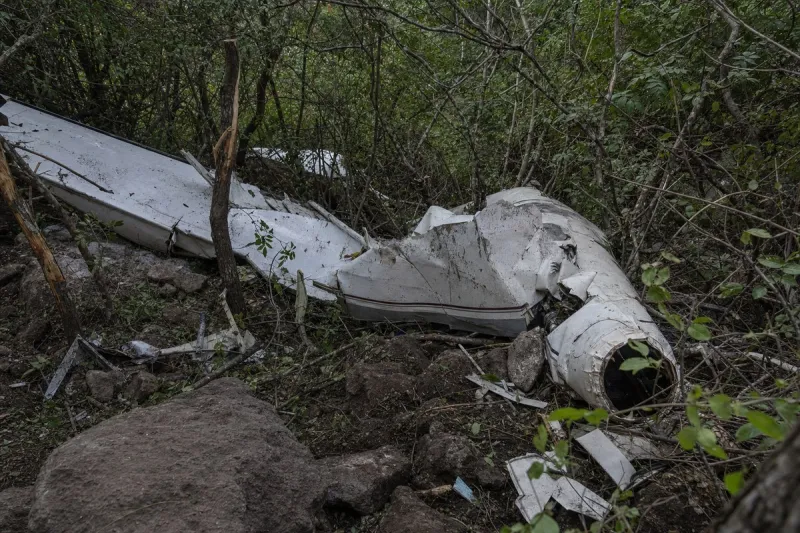
The initiative follows the fatal March runway collision at LaGuardia Airport (KLGA), in which an Air Canada CRJ-900 collided with an airport fire truck. The National Transportation Safety Board said the fire truck crew did not realize that an air traffic controller's instruction to stop crossing Runway 4 was directed at them; two pilots were killed and more than 40 others were injured. Honeywell said certification of SURF-A for Boeing aircraft is expected later this year, with additional new and retrofit aircraft certifications to follow in 2027. Aeromexico, which announced in July plans to equip its entire Boeing 737 NG and 737 Max fleet of more than 100 aircraft with SURF-A, is the system's intended launch customer. Once certified, SURF-A will be available as an upgrade for any aircraft equipped with a Honeywell Aerospace SmartX Enhanced Ground Proximity Warning System (EGPWS) or traffic alert and collision avoidance system (TCAS), and a variant called SURF-IA is under development to add a cockpit display of traffic and potential conflicts.
Runway incursion data
The FAA has identified hundreds of airport hot spots where the risk of runway-safety hazards during surface operations is elevated. The agency's runway safety data show a downward trend in runway incursions: 1,365 were recorded in fiscal year 2026, compared with 1,636 in FY25 and 1,758 in 2024. The International Civil Aviation Organization estimated that runway-safety-related accidents accounted for 61 percent of accidents causing substantial aircraft damage from 2019 to 2023. Following the LaGuardia collision, the FAA announced in May that it would equip all airport vehicles operating on runways with collision-alert capability.
Industry impact & what to watch
This trial extends a technology built for cockpits into the vehicle fleets that share runways with aircraft, treating ground crews as participants in the same collision-risk environment as pilots rather than as a separate operational layer. The LaGuardia collision showed that a radio instruction meant for a specific vehicle can go unrecognized by its crew; a direct, vehicle-mounted alert removes that ambiguity by warning the driver independently of what air traffic control transmits.
Runway safety systems have historically split into two camps: those that warn pilots in the cockpit and those that warn controllers in the tower, with ground vehicle operators largely dependent on radio discipline and visual scanning. Phoenix's three-airport trial tests whether a single alerting standard can span both aircraft and vehicles, using shared GPS, ADS-B and airport-map data so every party sees the same hazard picture.
What happens next depends on how the trial data holds up through the rest of the year, and on whether Honeywell's Boeing certification timeline and Aeromexico's fleet rollout proceed as described. The FAA's own commitment to equip airport vehicles with collision-alert capability, announced after the LaGuardia accident, will be the clearer signal of whether this approach moves from a single-city trial to a broader mandate.