Flight Attendants' Union Raises Safety Concerns Over Trump's 250-Foot Triumphal Arch Near Reagan National Airport
Why It MattersThe dispute shows how a single obstruction proposal near a congested runway approach can draw airlines, unions, veterans' groups and lawmakers into one safety fight at once.
What happened
The Association of Flight Attendants-CWA (AFA-CWA), which represents 55,000 flight attendants across 20 airlines, has raised safety concerns about President Donald Trump's proposed 250-foot (76-meter) triumphal arch planned near the final approach path to Ronald Reagan Washington National Airport (DCA). AFA-CWA President Sara Nelson said the arch compounds safety concerns she described as unaddressed since the January 2025 midair collision over the Potomac River that killed 67 people. Nelson also criticized Trump's announcement that the arch would be converted into a military complex capable of hosting drones and snipers and storing ammunition. "DCA is already stretched to its limit, we do not need an obstacle taking up space in our flight path," Nelson said. "Nor should commercial aviation have to dodge military drones, missiles or snipers while attempting to take off or land at Washington N…"
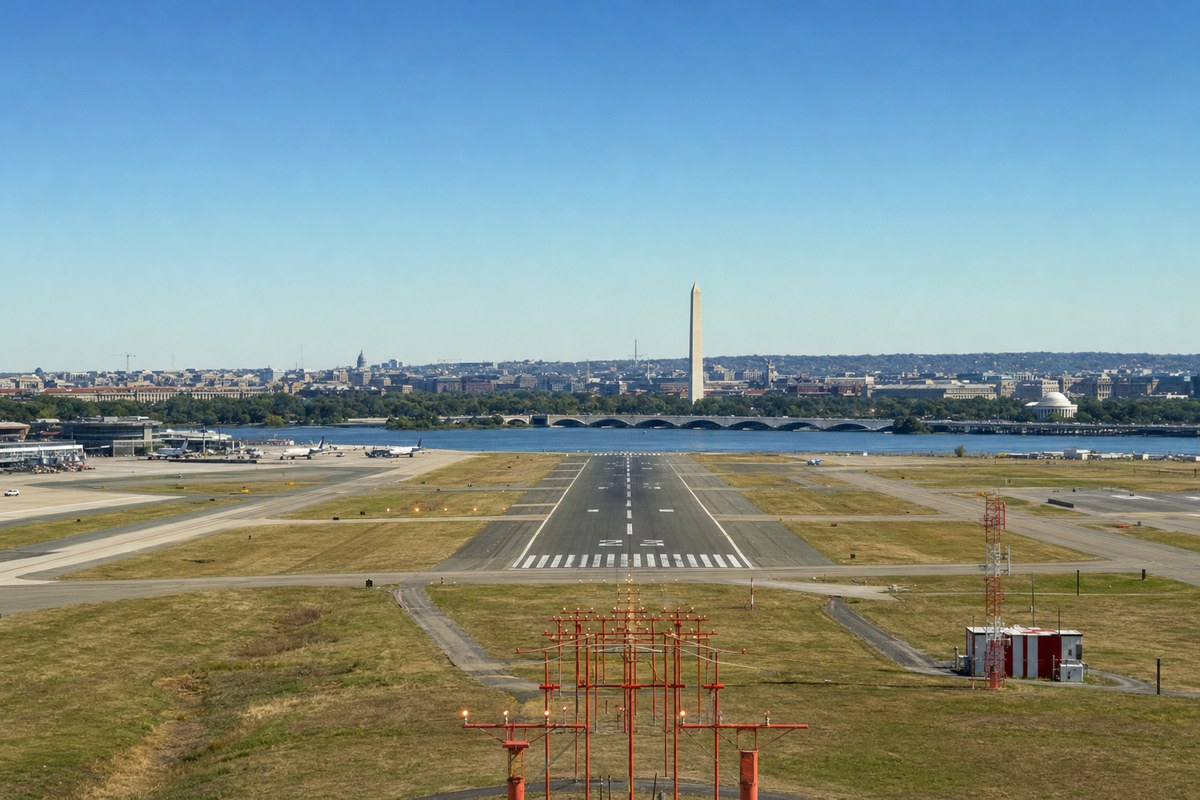
The Federal Aviation Administration said last month, before Trump's military-complex announcement, that the arch would not pose a hazard to aircraft but recommended it be marked with a non-standard eternal flame on top and floodlight projectors pointed at the structure to make it visible to pilots. The arch has received early approval from the U.S. Commission of Fine Arts, whose members were all appointed by Trump. A group of three veterans and an architectural historian filed a lawsuit arguing the project requires congressional approval. A National Park Service assessment found the memorial arch could disrupt the historical significance of dozens of nearby sites, and the Park Service nonetheless approved the project.
Interior Secretary Doug Burgum announced last month that excavation work at the Memorial Circle site would begin within weeks. The Interior Department did not immediately respond to questions about the status of that work. The union's statement joins objections from veterans' groups and members of Congress who have cited safety risks and concerns about the memorial's effect on historic and symbolic sightlines between landmarks in Washington, D.C.
Industry impact & what to watch
A structure proposed near an active runway approach tends to draw in every party with a stake in that airspace at once — the carriers' unions, the regulator, the land agency and the courts — because each one is assessing a different kind of risk against the same 250-foot object. That is what is playing out here: the FAA's clearance addressed only physical hazard to aircraft, the Park Service's approval addressed historic-site impact, and the lawsuit addresses legal authority to build at all, with none of those three processes resolving the others.
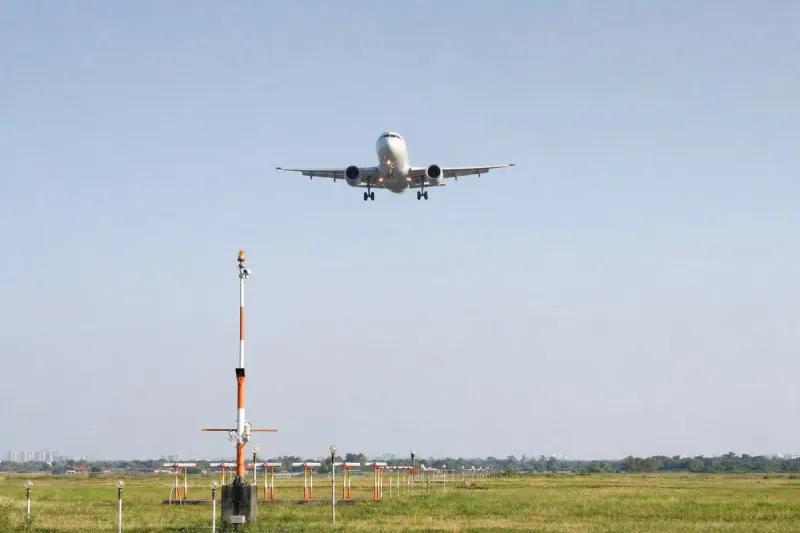
Congested close-in airports like DCA operate with little margin for new obstructions near final approach, which is why Nelson's framing ties the arch directly to the January 2025 collision rather than treating it as a separate issue. The FAA's own mitigation — an eternal flame and floodlighting to aid pilot visibility — signals the agency saw enough of a question to prescribe non-standard marking even while finding no formal hazard.
What happens next depends on the veterans' lawsuit over congressional authority and on whether the Interior Department confirms or denies that excavation at Memorial Circle has begun. Those two threads, not the FAA's hazard finding, are what will determine whether the project proceeds on its announced timeline.