FAA Issues Airworthiness Directive Requiring Pilatus PC-24 Windshield Relay Replacement Within 16 Months
Why It MattersThe case shows how a single-component failure mode discovered abroad, via EASA, can cascade into a U.S. fleet-wide directive months later through routine bilateral airworthiness adoption.
What happened
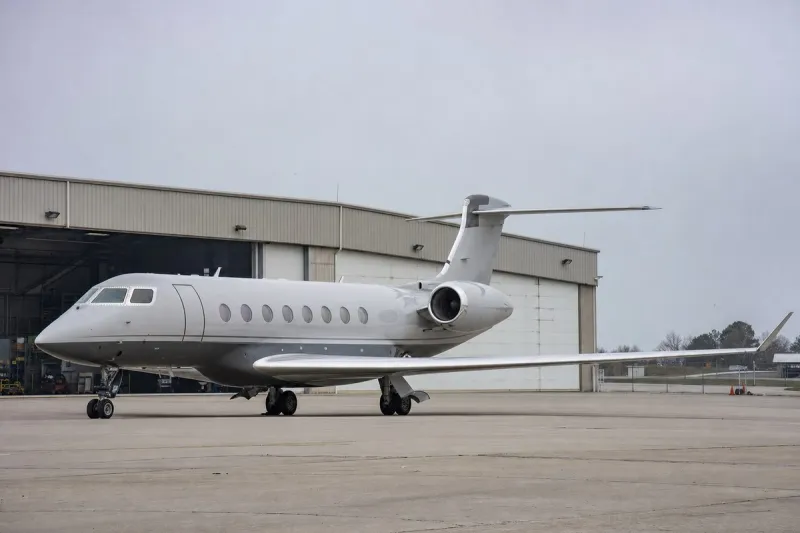
The FAA has issued airworthiness directive 2026-17-11, published September 15 and taking effect October 20, 2026, requiring operators of the Pilatus PC-24 light business jet to replace a solid-state relay in the left windshield heating system with a serviceable part. Operators with the affected relay installed have 16 months from the effective date — until approximately February 20, 2028 — to complete the work. The directive is a one-time modification with no recurring inspection and no reporting obligation, and the old relay may not be reinstalled on the left side afterward.

Regulators determined that the specific solid-state relay can permit reverse current flow when switched off; if both generators fail, that condition could prevent emergency windshield heat from functioning as intended, potentially causing loss of outside visibility in icing conditions. The FAA adopted the rule following EASA AD 2026-0008, issued in January, which required corrective action per Pilatus Service Bulletin 30-007. The agency received no comments after publishing its Notice of Proposed Rulemaking in May 2026.
The AD covers PC-24s with serial numbers 101 through 337 that have Pilatus SB 30-004 or SB 30-006 embodied at original issue, and serial numbers 501 through 590; aircraft with either bulletin at Revision 1 or later are not affected. The affected relay carries part number 974.20.01.234, and the serviceable replacement is part number 974.20.01.235.
The FAA estimates the directive affects 168 U.S.-registered aircraft. For 125 of those aircraft, the work covers the relay and its cables, requiring approximately five labor hours and $1,032 in parts, at an estimated cost of $1,457 per aircraft. The remaining 43 aircraft require only the relay, at 2.5 labor hours and $32 in parts, or $244.50 per aircraft. Pilatus states that warranty may cover some costs.
Industry impact & what to watch
This directive follows a familiar sequence in business aviation safety regulation: a manufacturer issues a service bulletin, a foreign authority with type-certification interest mandates it first, and the FAA follows once it has reviewed the underlying finding. Here EASA acted in January and the FAA's own rule arrived roughly nine months later, with no public comment altering the outcome.
For PC-24 operators, the practical cost split — $1,457 for 125 aircraft needing the relay and cables versus $244.50 for 43 needing only the relay — means fleet budgeting depends on which group an individual tail falls into, a distinction the directive itself leaves unexplained. The 16-month window and absence of a recurring inspection point to a contained, one-time fix rather than an ongoing airworthiness concern.
What remains to be seen is how many of the 168 affected U.S. aircraft secure warranty coverage from Pilatus, and whether the manufacturer clarifies the criteria separating the two repair scopes before operators schedule maintenance slots.