EASA Expands Saudi Airspace Warning After Houthi Cruise Missile Strikes on Riyadh Airport
Why It MattersConflict-zone advisories now move faster than airline schedules, forcing carriers and dispatchers to treat regulator and industry-group warnings as live operational constraints rather than background risk notices.
What happened
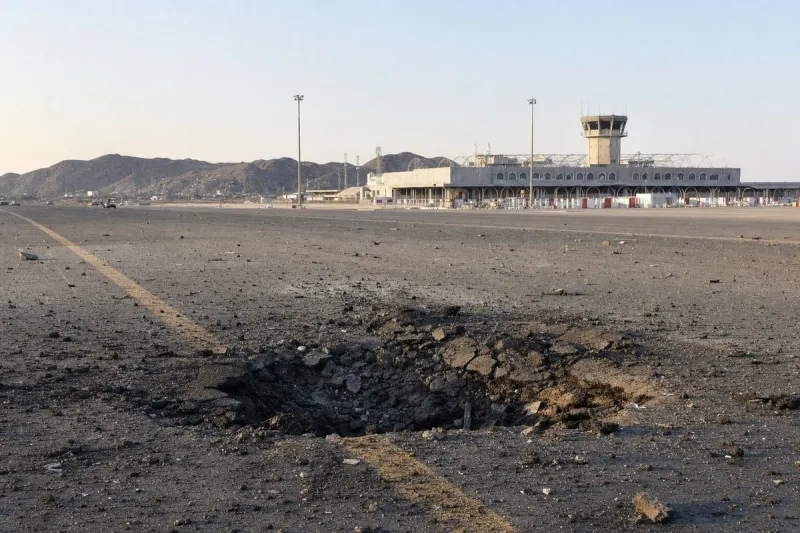
EASA expanded its warning zone for Saudi Arabian airspace on Friday, adding an area in northwestern Saudi Arabia to a conflict zone information bulletin first issued on September 30. The update followed Houthi cruise missile attacks on King Khalid International Airport in Riyadh. EASA said the recent attacks demonstrated the Houthis' ability and intent to strike targets deeper inside Saudi territory, including the capital, and warned that "recurrent missile and drone attacks, together with the activation of air-defence systems, create an increased risk of misidentification of civil aircraft, as well as risks associated with missile and drone overflights, interception activity and falling debris."

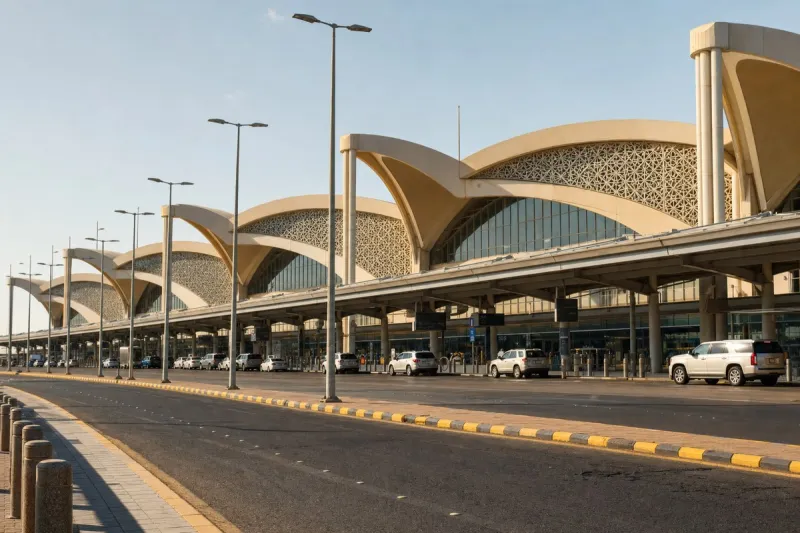
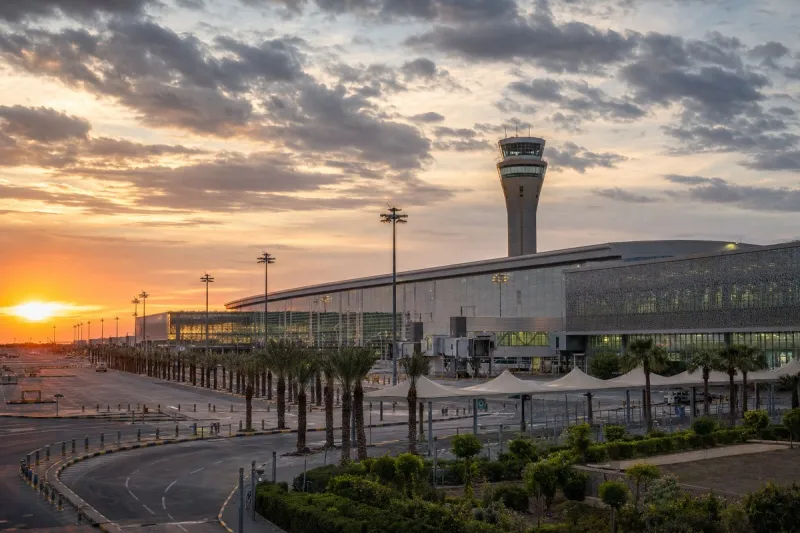
Saudi Arabia's civil aviation authority said three Saudi nationals were killed and several people were injured in two attacks on King Khalid International Airport on Thursday. The Houthis, aligned with Iran, said they struck the capital's airport with two cruise missiles and renewed threats against airlines flying to Saudi Arabia. OPSGROUP, a membership-based organisation of nearly 10,000 aviation professionals, issued a "do not fly" warning for Saudi Arabia to its members on Friday, citing risks of sustained missile attacks and potential "misjudgment" in defensive responses, and said: "We now recommend avoiding operations in Saudi Arabia entirely, including the use of Saudi airports as en route alternates."
Following Thursday's attacks, Lufthansa Group and three Indian airlines announced suspension of flights to Riyadh. FlightRadar24 showed 131 flights to and from Riyadh had been cancelled by 1305 GMT on Friday, following hundreds of cancellations the previous day. King Khalid International Airport is Saudi Arabia's second-busiest airport after Jeddah, and it handled 296,800 flights in 2025, equivalent to approximately 813 per day, according to Saudi Arabia's General Authority for Statistics.
Industry impact & what to watch
This episode shows how quickly a conflict-zone advisory can escalate once a regulator, a national civil aviation authority and an independent industry group all issue separate warnings within the same cycle. EASA's bulletin, first opened in September and widened now to cover northwestern Saudi Arabia, sits alongside OPSGROUP's harder "do not fly" call and the airlines' own suspension decisions — three distinct layers of risk assessment that airlines must reconcile before dispatching a flight.
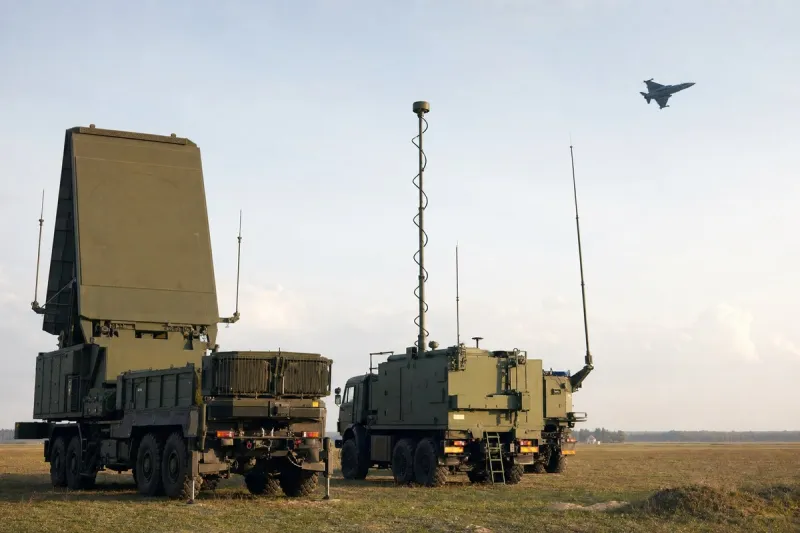
Airspace risk around active air-defence systems is particularly volatile because the danger is not only direct attack but misidentification of civil aircraft by defensive systems responding to incoming missiles or drones. That is why OPSGROUP extended its caution even to using Saudi airports as en route alternates, a diversion role that airlines normally treat as a low-risk fallback rather than a primary routing decision.
What happens next will depend on whether further strikes reach Riyadh or other Saudi cities, how many additional carriers follow Lufthansa Group and the three Indian airlines in suspending service, and whether EASA further widens its advisory zone. The scale of disruption is already measurable: 131 cancelled flights in a single day at an airport handling roughly 813 flights daily.