Ryanair CEO warns elevated jet fuel costs from Iran war could persist into 2028
Why It MattersThe episode shows how a single geopolitical shock can push fuel-hedging gaps and fare pass-through across an entire airline segment for years rather than months.
What happened
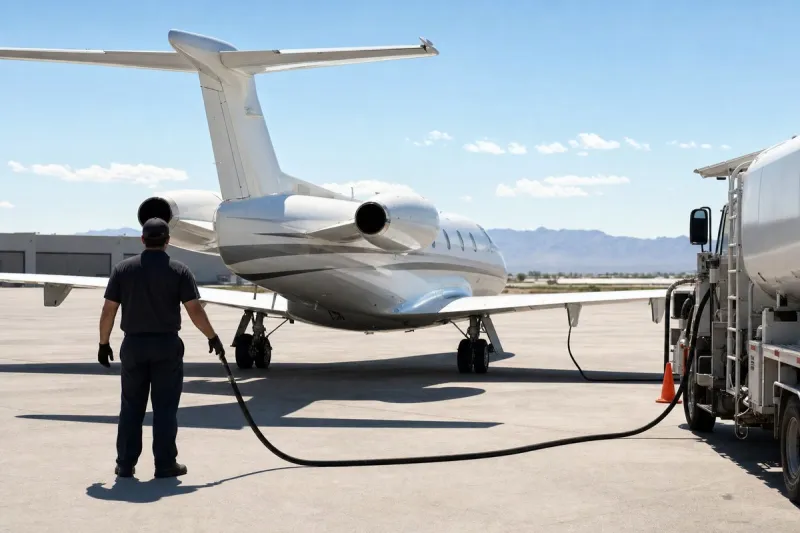
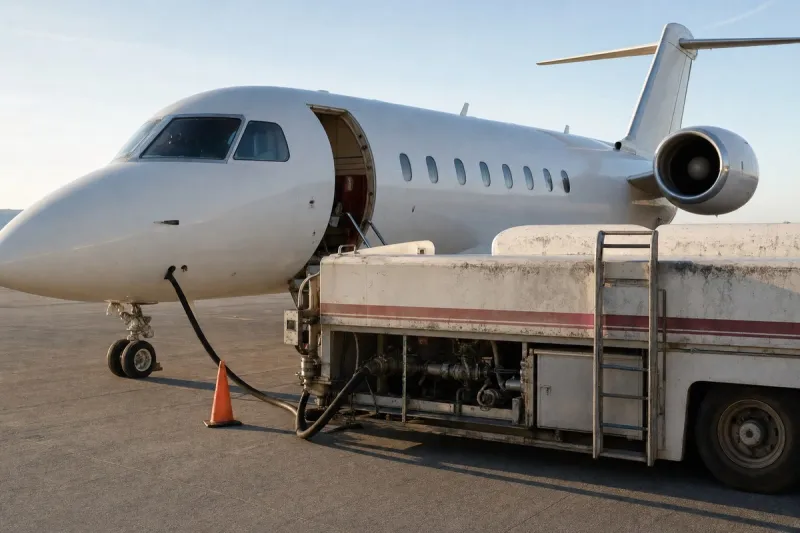
Ryanair Group CEO Michael O'Leary warned on October 8 that jet fuel costs driven up by the Iran war could remain elevated for another 12 to 18 months, potentially lasting into 2028. Speaking to reporters at an Airlines for Europe (A4E) press conference, he said jet fuel is currently about 50 per cent more expensive than pre-war levels and is likely to stay there for the foreseeable future, adding, "We are all facing an enormous cost challenge next year."
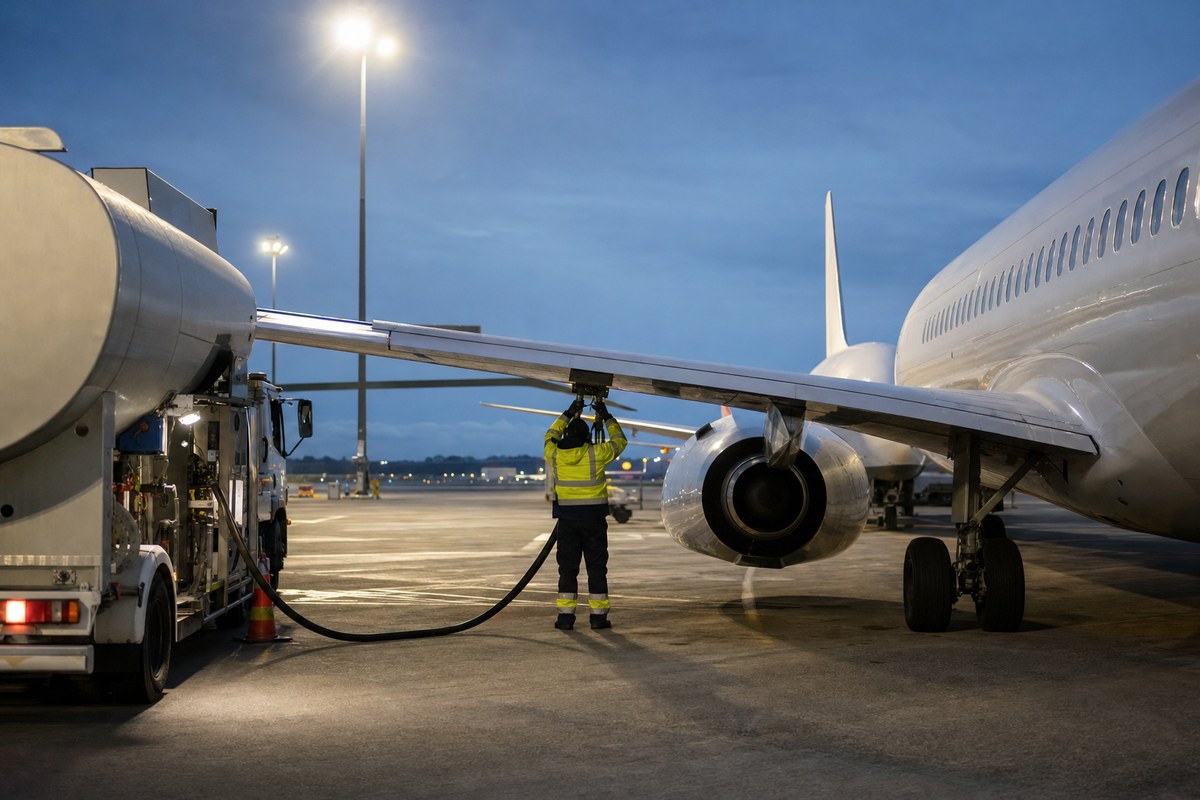
O'Leary said there is no immediate shortage of jet fuel supply in Europe, dismissing concerns about availability through this winter or into next summer. He nonetheless described the overall situation as a "full-blown crisis" and said airlines have no choice but to pass the added costs on to passengers, stating, "The airlines cannot survive unless they pass on these insanely higher fuel costs in the form of higher fares, and the customers will have to pay." He said fare increases are expected to continue in the coming months, particularly as many carriers enter 2027 with substantially less fuel hedging in place, and he had previously indicated ticket prices could be up to 20 per cent higher next summer as a result of rising costs.
Other airline CEOs present at the A4E press conference included the heads of Air France-KLM, Lufthansa, easyJet and British Airways owner IAG. Many of those carriers have already begun passing higher fuel costs on to passengers through increased fares.
Industry impact & what to watch
This is a case of an external shock — the Iran war's effect on fuel markets — colliding with how far ahead airlines had locked in prices before it hit. Carriers that hedge fuel years out are cushioned for a while, but as those contracts roll off and 2027 capacity gets bought with less hedging in place, the higher spot cost flows straight into ticket prices rather than into airline margins.
That is why multiple CEOs, not just O'Leary, were already discussing pass-through at the same A4E event: once one large low-cost carrier signals fares up to 20 per cent higher next summer, competitors with similar exposure tend to follow rather than absorb the gap and lose margin.
What happens next depends on whether the 50 per cent fuel-cost premium O'Leary cited actually holds for the 12 to 18 months he projected, or eases sooner — and on how each airline's hedging book unwinds through 2027, since that timing determines how quickly higher fuel costs show up in fares rather than in results.