FAA Ends Single-Pilot Exemptions for Part 25 Citations, Affecting 1,212 U.S. Aircraft
Why It MattersRemoving a single-pilot privilege on a large legacy fleet forces owners to weigh crew costs against aircraft value, a dynamic the secondary market will likely price in through resale and valuation spreads.
What happened
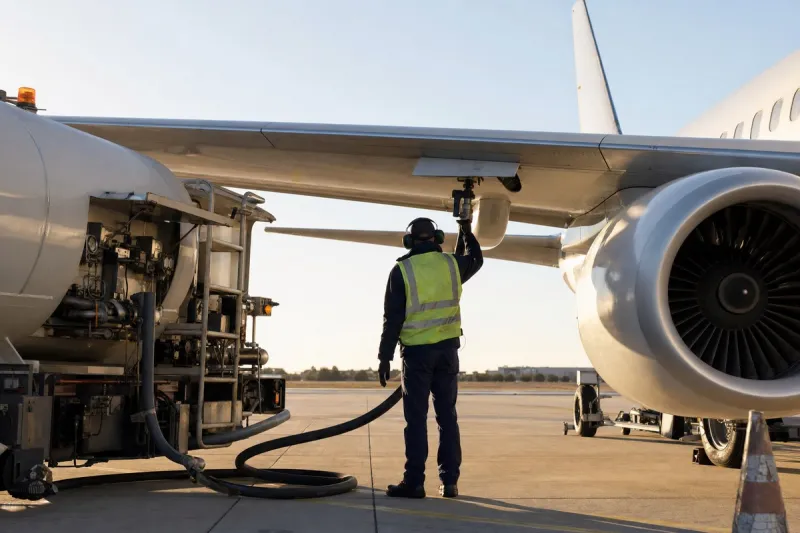
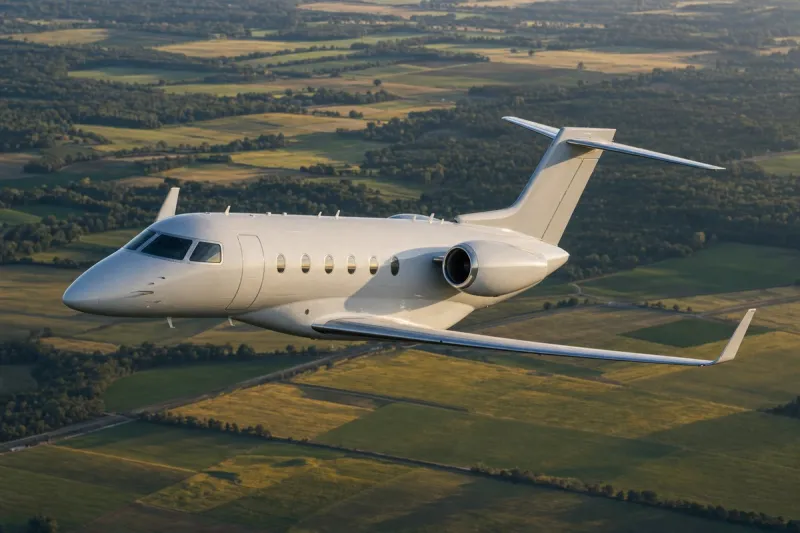
The FAA terminated the single-pilot exemptions that had permitted pilots to operate certain Part 25-certified Cessna Citation jets without the second crewmember otherwise required by their type certificates. The change took effect at the end of September 2026. VREF's analysis identifies 1,212 affected aircraft on the U.S. civil register. Every flight on these aircraft now requires a qualified second in command, and a single-pilot endorsement obtained under one of the affected exemption programs no longer authorizes flying the aircraft alone. According to the FAA position described by VREF president Jason Zilberbrand, a proficiency check completed under the former exemption may still support acting as pilot-in-command in a legally crewed two-pilot operation.
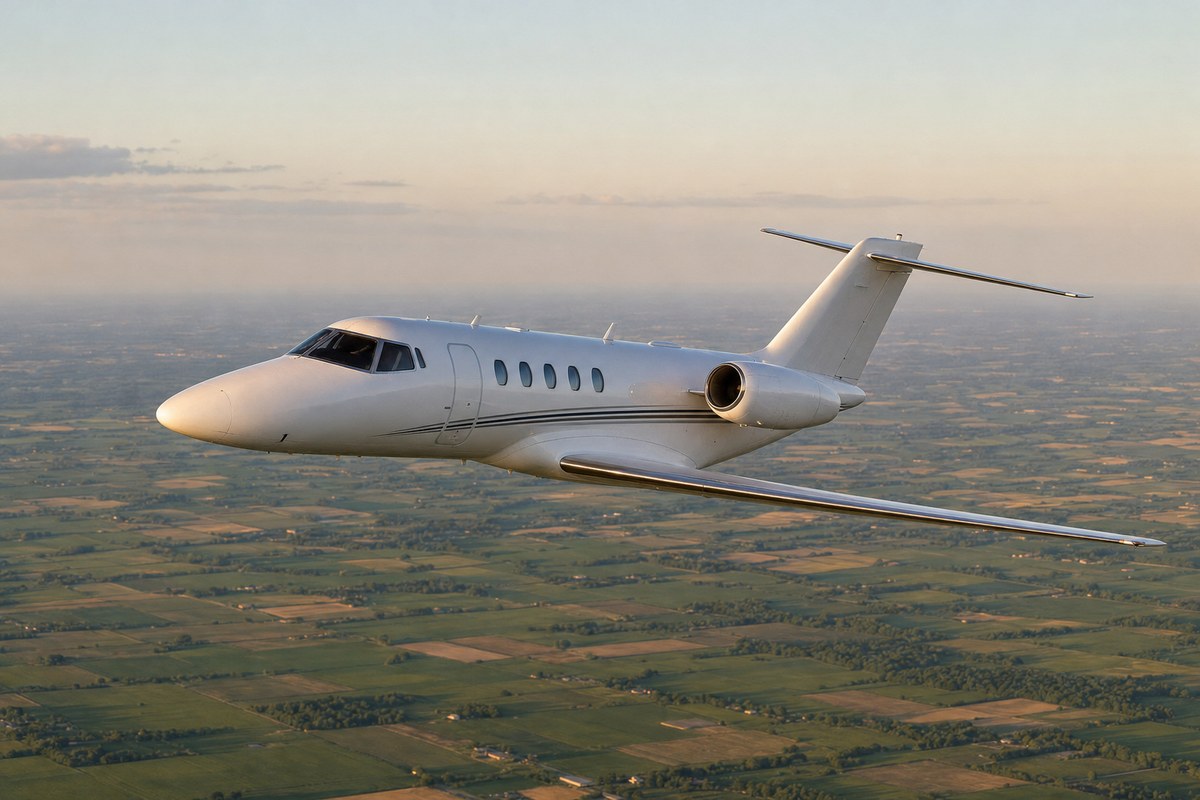
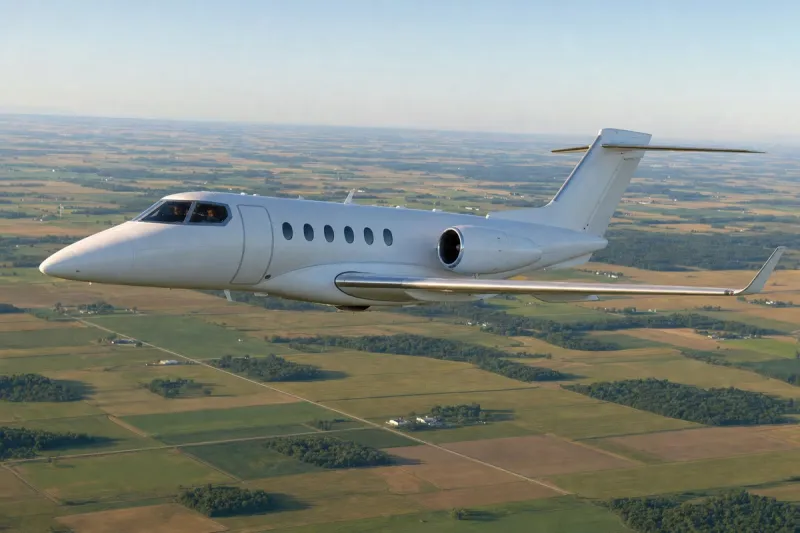
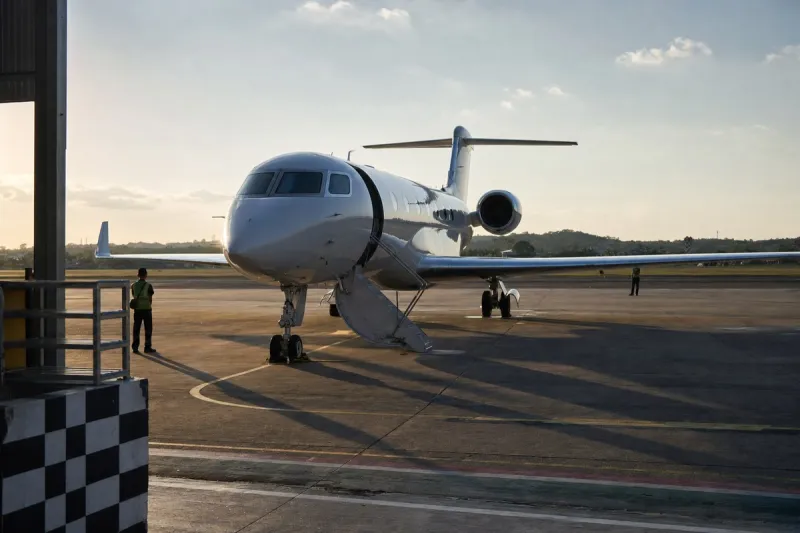
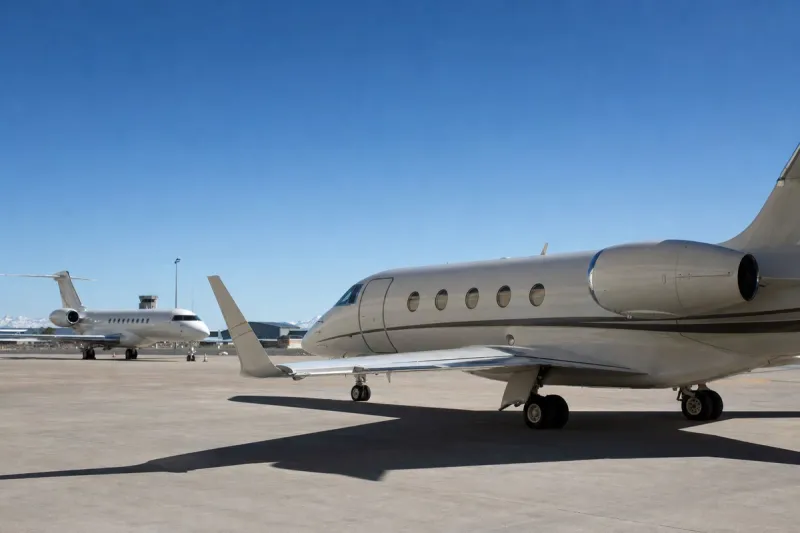
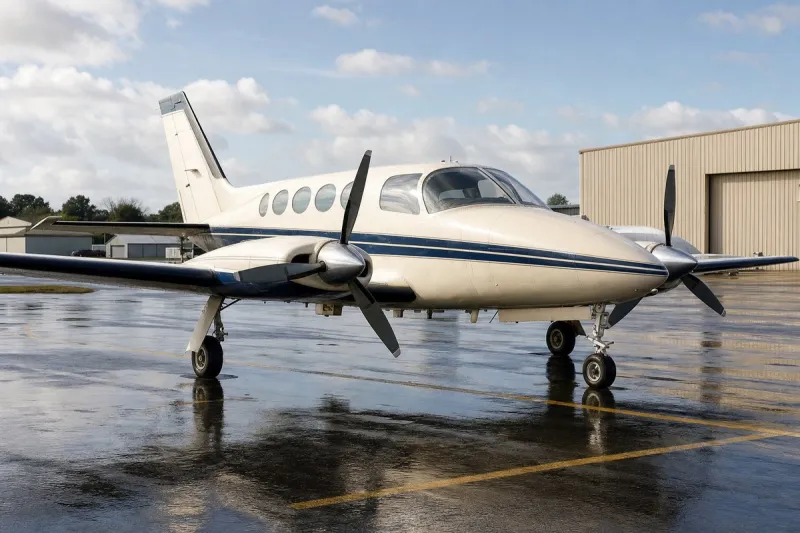
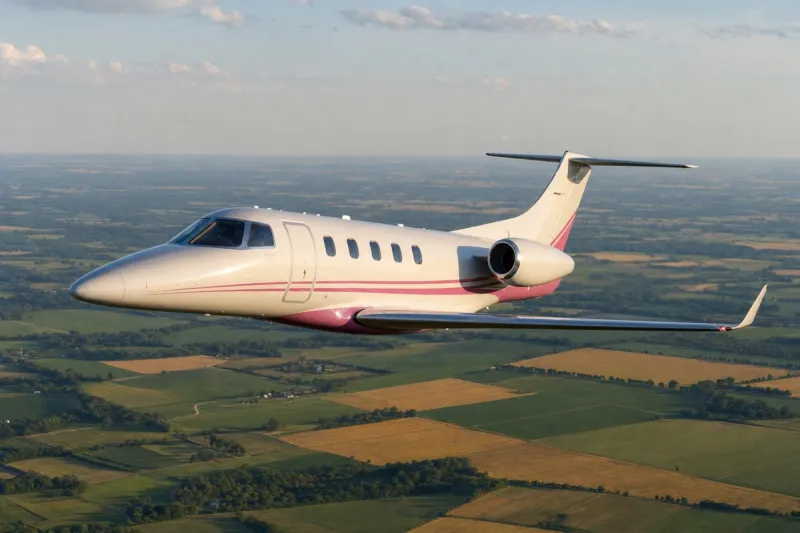
The affected aircraft are legacy Citations certified under Part 25 for two-pilot operation. Citations certificated for single-pilot operation — the 501 and 551 SP models, the Mustang, and the CitationJet family through the CJ4 — are not affected, since those aircraft were designed and certificated around a different crew requirement.
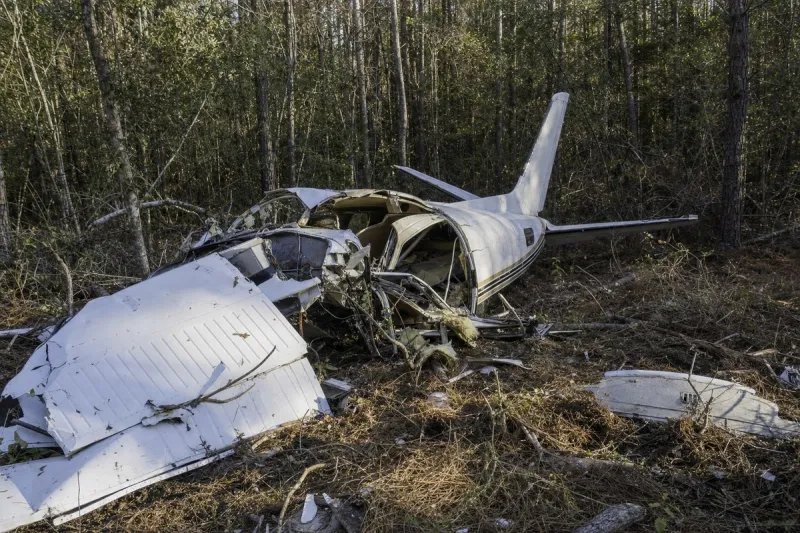
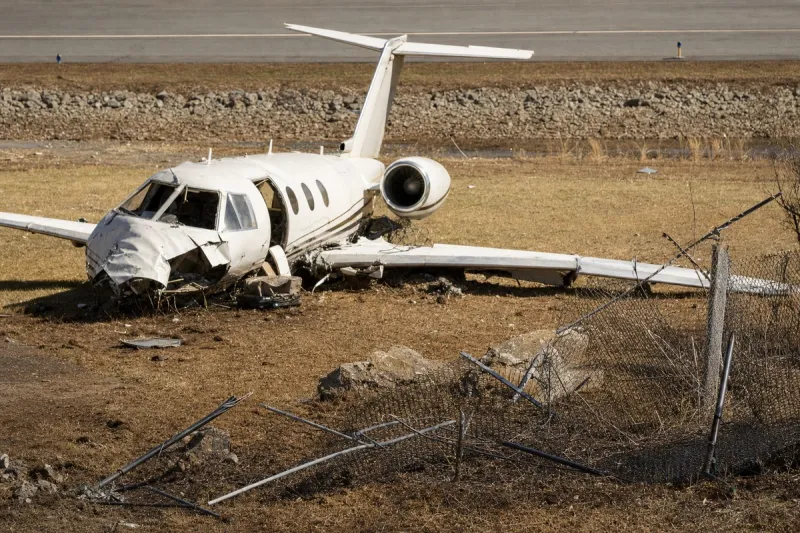
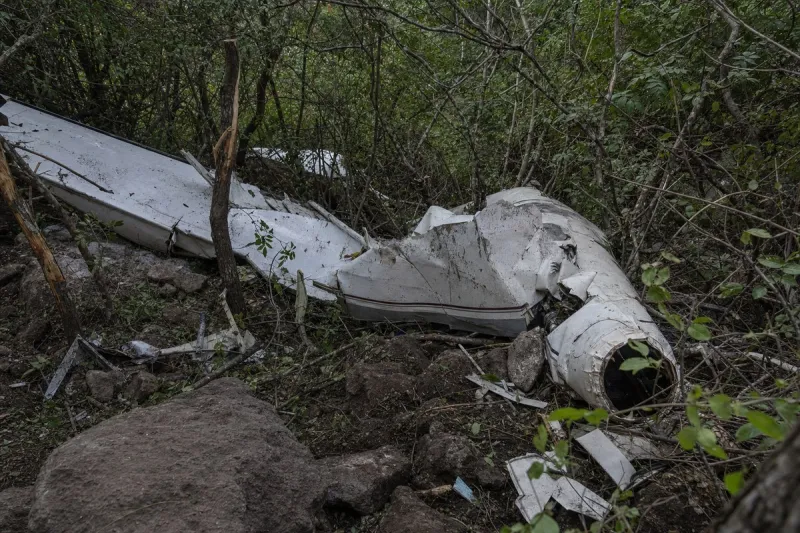
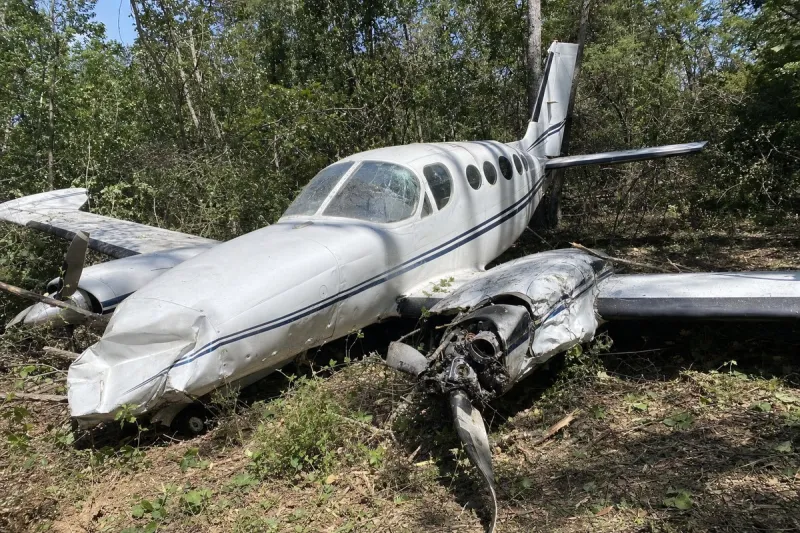
The FAA's review began in 2024. Its initial finding concerned training oversight: companies without their own exemption were providing training under another company's exemption. Of fourteen Part 61 exemption holders reviewed, thirteen were ultimately denied extension or had their exemptions rescinded. Two fatal 2025 accidents remain under NTSB investigation with no final probable cause established: a Part 25 Citation operating single-pilot near San Diego in May 2025, in which six people aboard were killed and eight on the ground were injured, and a December 2025 Citation II crash in Statesville, North Carolina, which killed seven people. The FAA linked the San Diego pilot's prior check to an examiner associated with one of the exemption holders and characterized the check as improper; the Statesville pilot had approximately 17,000 hours and multiple type ratings.
VREF's fleet analysis splits the 1,212 aircraft into two groups: an older group of 500s, Citation Is, Citation IIs and S/IIs numbering approximately 418 aircraft, with roughly 15% already listed for sale and average total time around 8,800 hours, and a newer group of V, Ultra, Bravo, Encore and Encore+ models numbering approximately 794 aircraft, with average total time around 5,800 hours. A comparison group of approximately 217 Citation 501/551 SP aircraft showed about 11% for sale, with average total time around 6,700 hours. Zilberbrand also identified at least 22 affected aircraft purchased by parts companies since 2021, including comparatively newer Encore examples, and 57 affected aircraft held by dealers, approximately 42 of which were not publicly listed for sale at the time.
The cost of adding a crew seat
Zilberbrand ran a representative example using a Citation II owner flying roughly 60 hours per year. VREF's direct operating-cost figure before the rule change was approximately $1,800 per hour. Adding crew costs across a typical year of owner trips — including downtime while the owner remains at a destination — he estimated an additional burden of roughly $100,000 annually, potentially pushing effective direct operating cost above $3,000 per hour for a low-utilization owner, before any change in insurance pricing.
VREF stated it had not yet recorded a panic adjustment from its September 1 valuation revision at the time of the episode, and proposed tracking the Citation II against the Citation II SP as a natural experiment to measure the market value of the right to fly alone.
Industry impact & what to watch
This case sits at the intersection of crew-qualification oversight and aircraft valuation: a regulatory change aimed at training gaps on a subset of exemption holders ends up reshaping operating economics across an entire legacy fleet segment. When a privilege tied to how an aircraft can be flown disappears, the aircraft's usable value to a particular kind of owner changes even though nothing about the airframe itself has changed.
In the light-jet resale and pre-owned market, operating cost per flight hour is a direct input into what a buyer will pay, especially for owners who fly relatively few hours a year and absorb crew costs as a near-fixed overhead. VREF's own proposed comparison — Citation II versus Citation II SP, otherwise similar aircraft now separated by a crew requirement — is a useful marker because it isolates the single-pilot privilege as a distinct, potentially measurable component of value rather than folding it into general depreciation.
What happens next will show up in listing volumes and asking prices across the 1,212-aircraft population, particularly among the 418 older aircraft with higher average total time and the dealer and parts-company holdings Zilberbrand flagged. The NTSB investigations into the San Diego and Statesville accidents remain open, and any findings tied to training or exemption practices could further shape how the FAA treats related type ratings.