Iran bars two Iraqi planes from its airspace, forcing return to Najaf
Why It MattersEven with a US sanctions license in hand, resuming cross-border air links depends on both states' authorities granting entry, leaving carriers exposed to abrupt reversals outside their control.
What happened
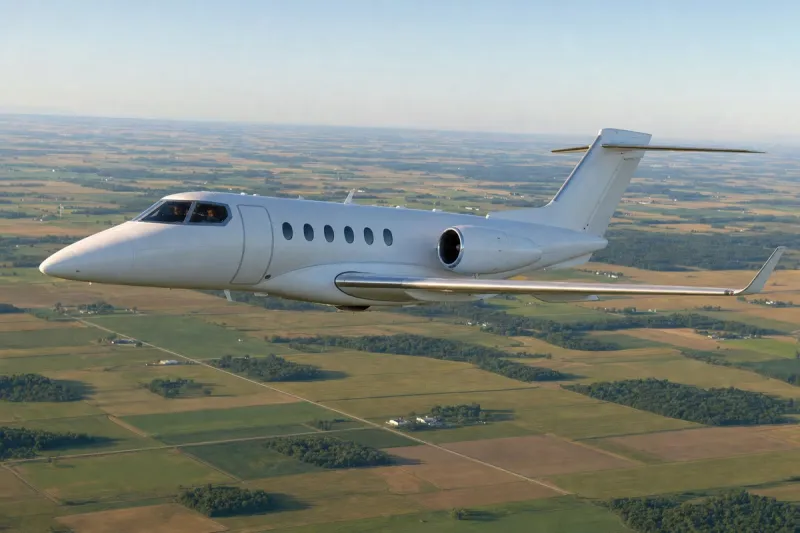
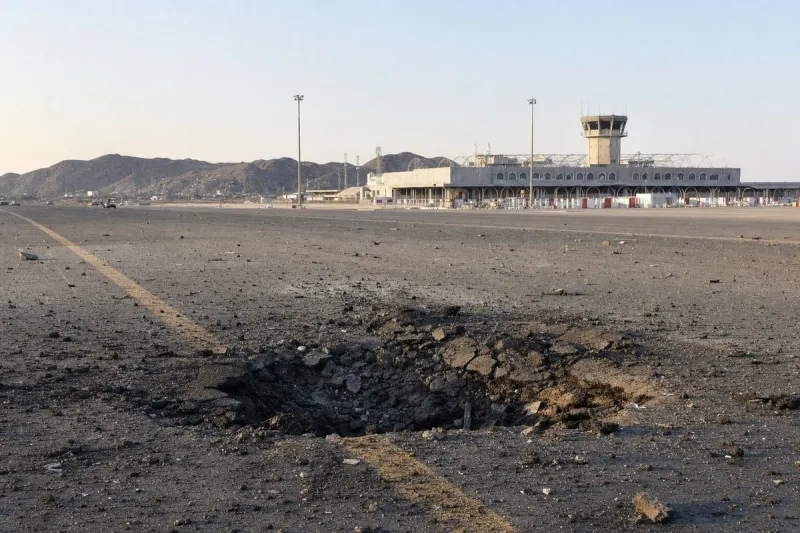
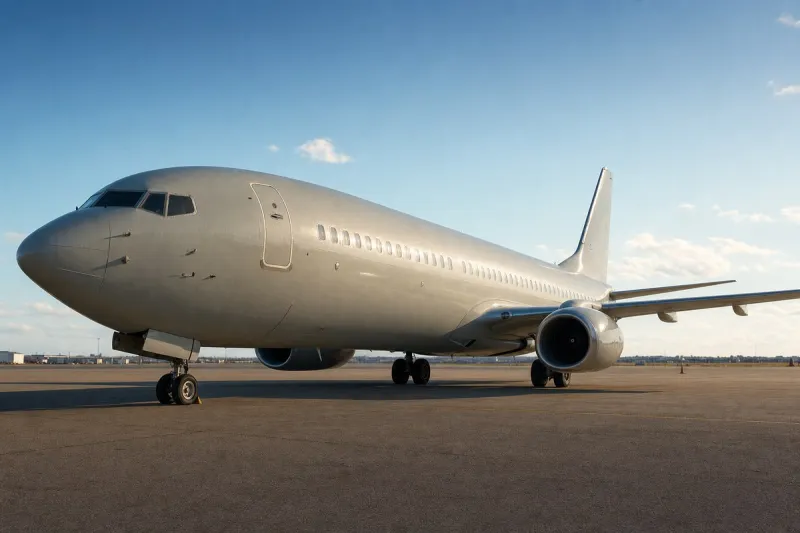
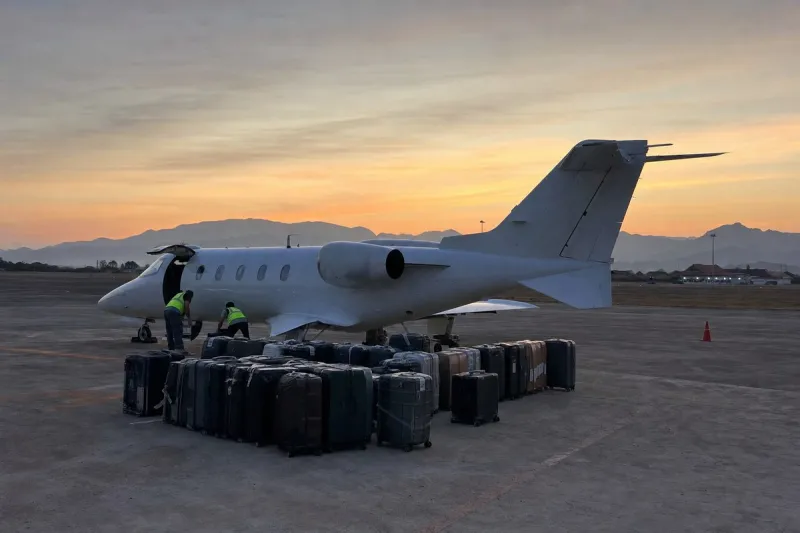
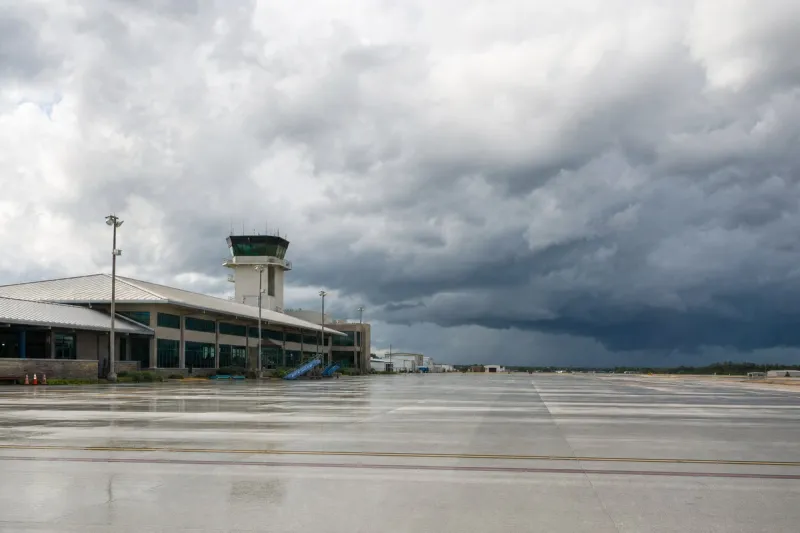
Two planes bound for Iran were forced to turn back to Najaf International Airport early Sunday after Iranian authorities denied them entry into the country's airspace, a security source told Shafaq News. Tehran cited security reasons for the decision but provided no further details.
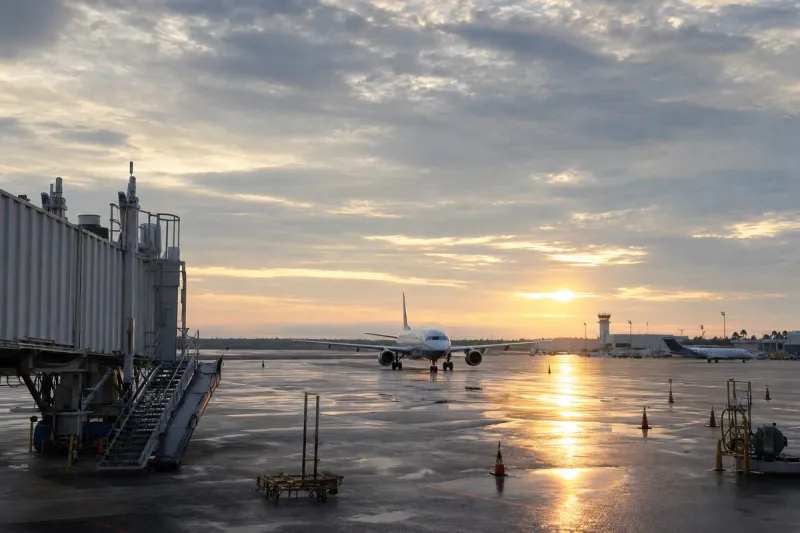
The incident came shortly after Iraqi Airways resumed direct flights from Najaf to Iran, with daily services to Tehran, Mashhad, and Isfahan. The airline's management said the first flight had departed Najaf International Airport for Tehran following efforts by Prime Minister Ali Al-Zaidi to restore direct air links between the two neighboring countries.
Najaf and other Iraqi airports had suspended flights to and from Iran on September 25 under official instructions, following the fallout from US Treasury sanctions imposed on September 8 against 36 Iran-linked aviation targets, including 27 airlines. On September 29, the US Treasury's Office of Foreign Assets Control (OFAC) granted Iraqi Airways a special license to operate passenger services between Iraq and Iran via Najaf, subject to specific restrictions.
Industry impact & what to watch
This case shows how a single route can sit at the intersection of two separate authorities: a US sanctions regime controlling who may fly, and a destination state's own airspace control deciding who may actually land. Clearing one hurdle, the OFAC license granted on September 29, did not guarantee clearance of the other.
In sanctioned or politically sensitive corridors, a carrier's operating authority is never final until both the licensing government and the receiving state's air navigation authority agree on a given day, which is why schedules on such routes can be published and then reversed within the same week they restart.
What happens to the daily Najaf–Tehran, Mashhad, and Isfahan services now depends on whether Iranian authorities explain or reverse Sunday's denial, and on whether Iraqi Airways and Prime Minister Ali Al-Zaidi's office secure a firmer assurance before resuming further flights.