Filipino suspect paid $49,500 to charter Learjet N73GP to smuggle 521 kg of methamphetamine worth ₱3.54 billion from Laos to Manila
Why It MattersCharter operators with recent approvals and thin booking histories face growing scrutiny over how thoroughly they vet last-minute cargo declarations and unaccompanied baggage before departure.
What happened
A Filipino national suspected of masterminding an international drug-smuggling operation paid $49,500 (approximately ₱3.1 million) to charter a private jet intended to carry 521 kilograms of crystal methamphetamine, valued at ₱3.54 billion, from Laos to Manila, Malaysian authorities disclosed. Malaysian Narcotics Crime Investigation Department director Hussein Omar Khan said on October 9 that the suspect booked the aircraft on September 23, roughly a week before the attempted shipment, with the cargo declared as vape products in flight documents obtained by Malaysian and Lao authorities. Investigators have yet to publicly identify the individual.
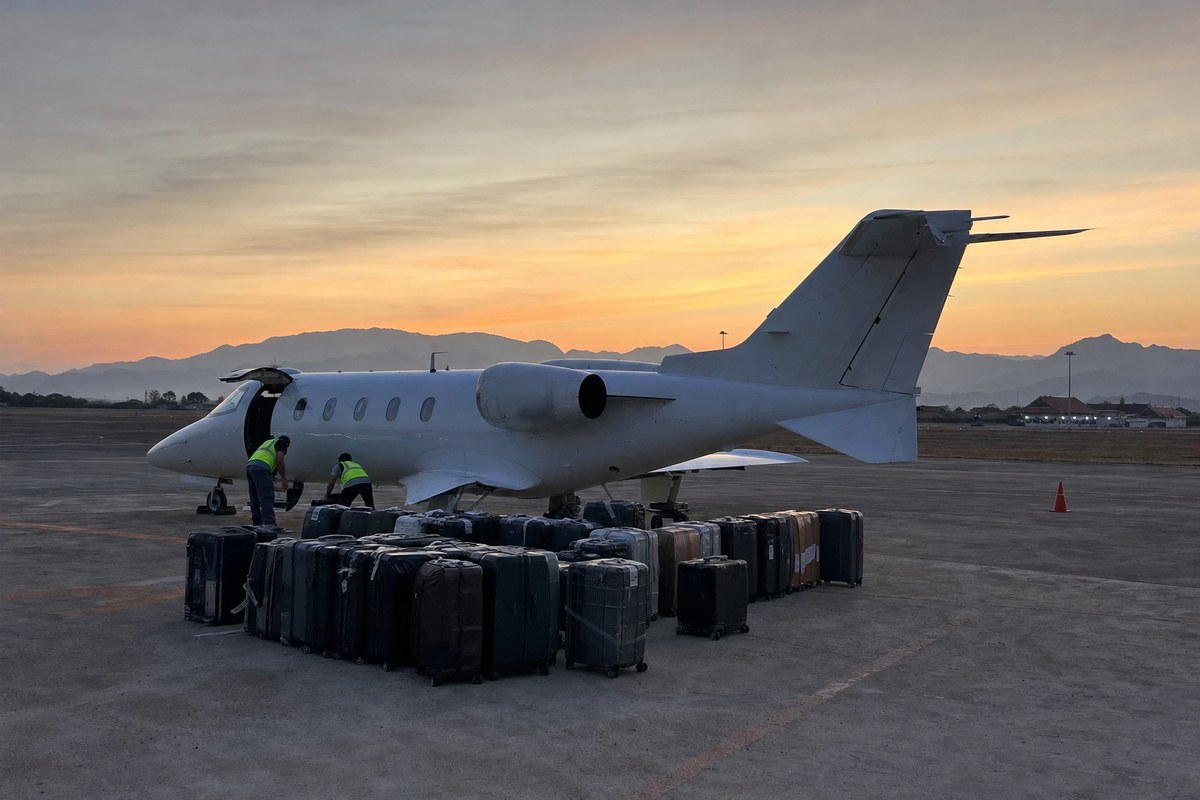
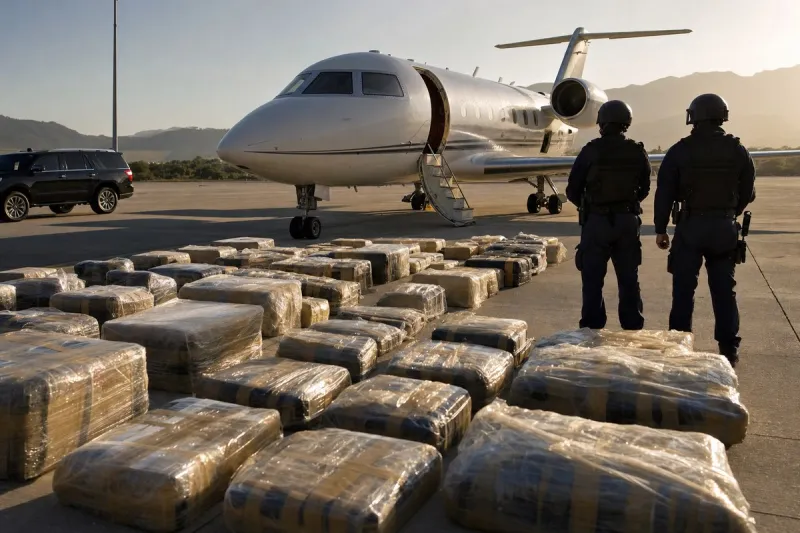
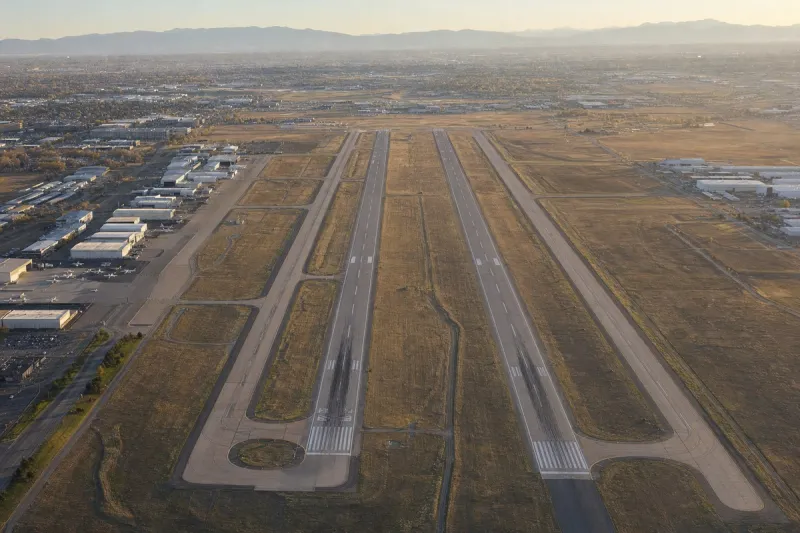
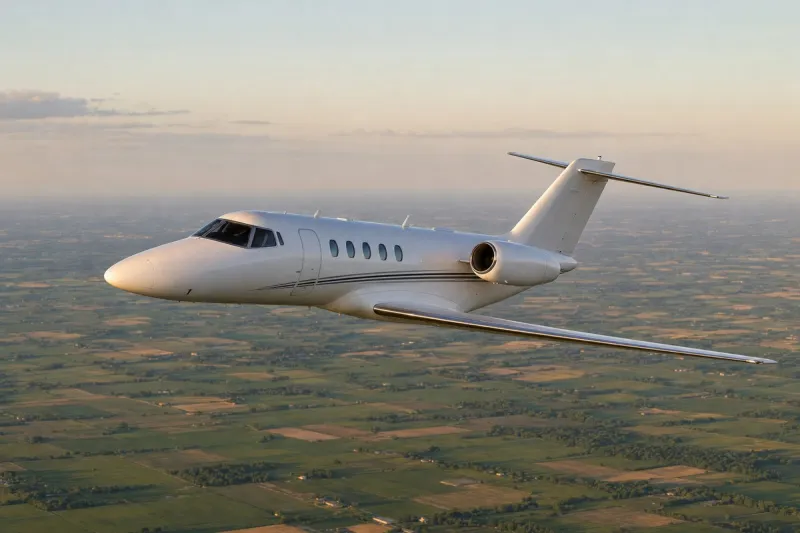
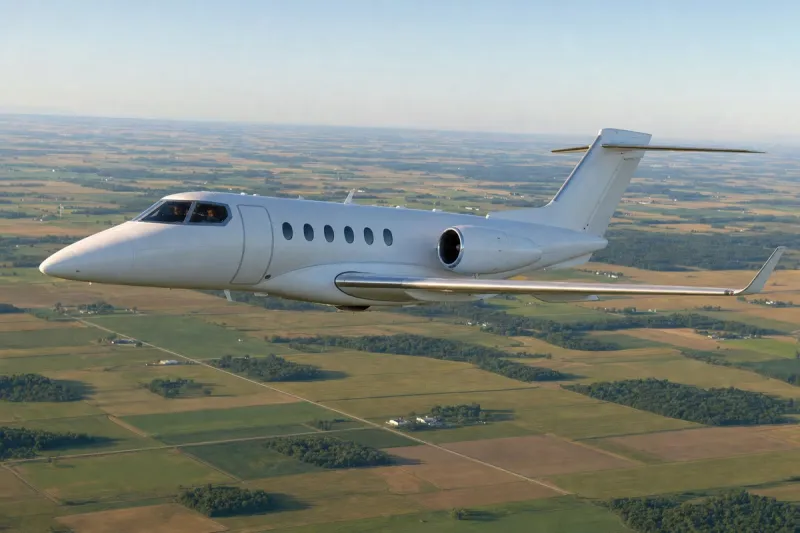
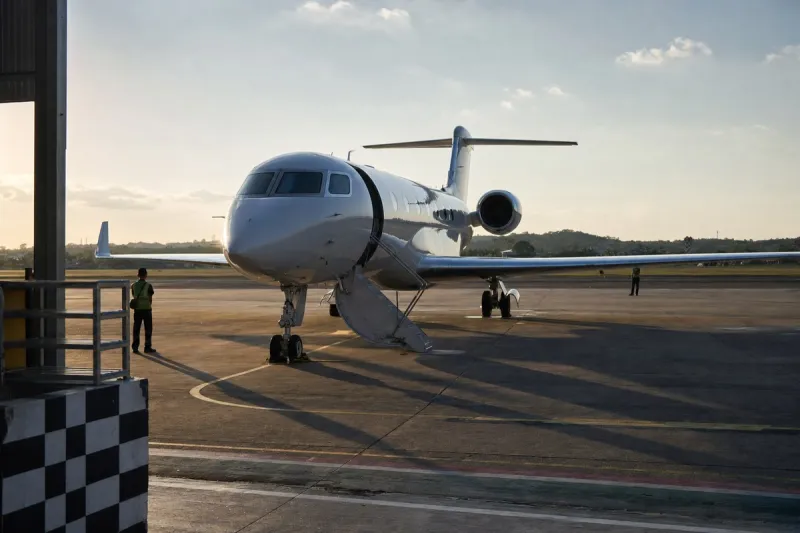
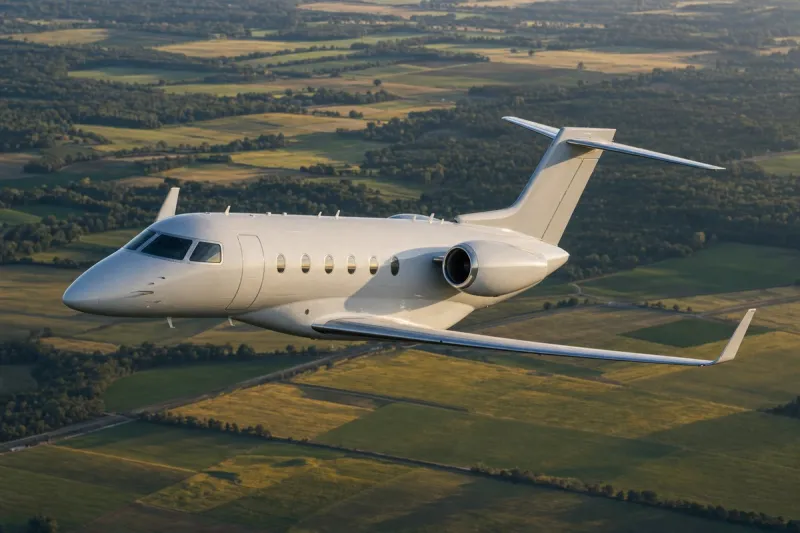
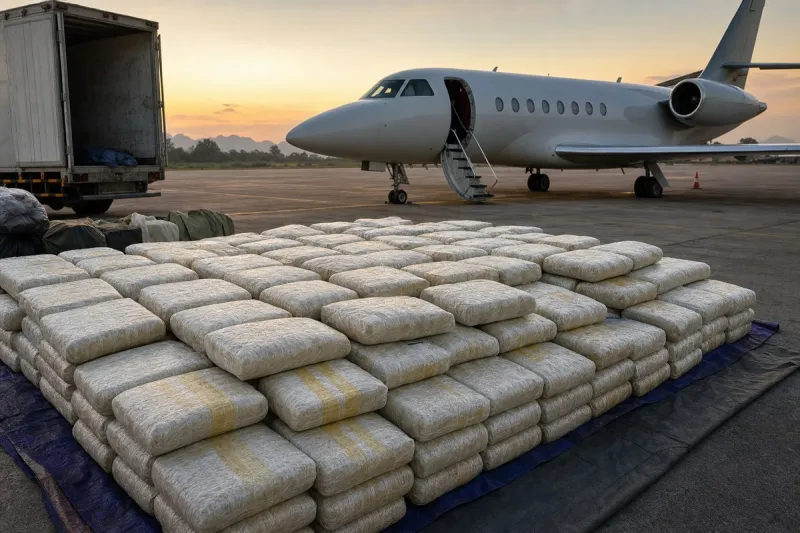
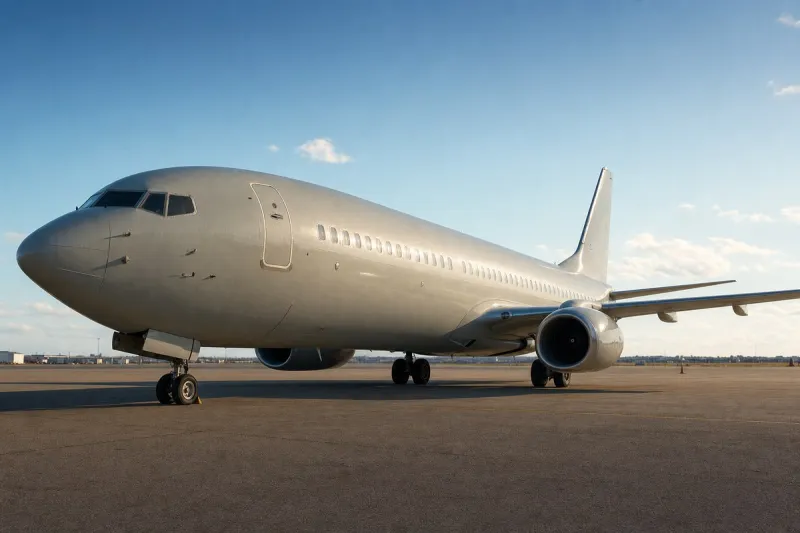
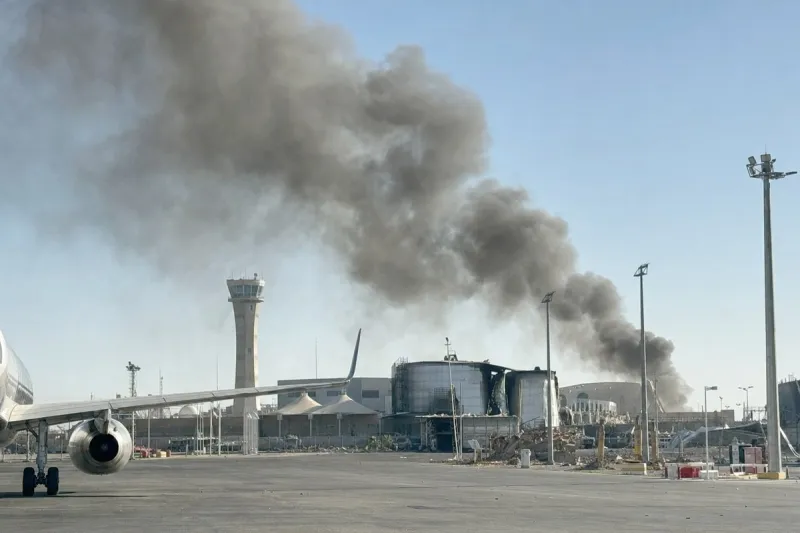
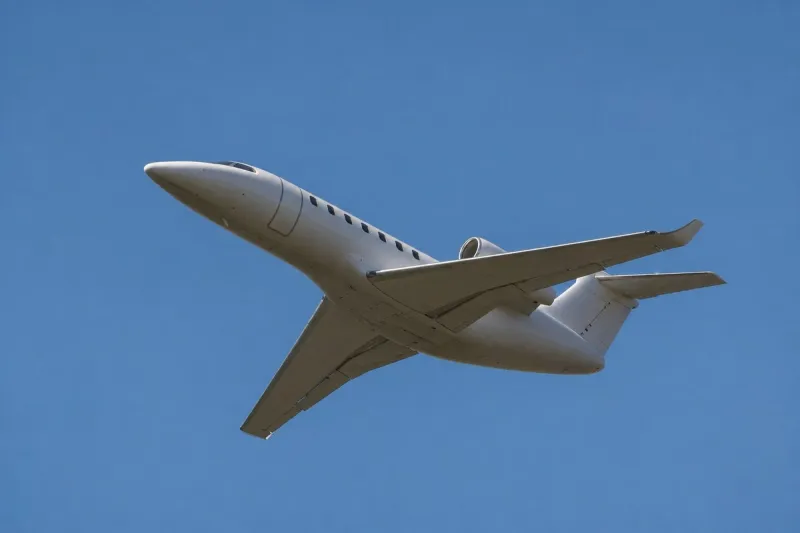
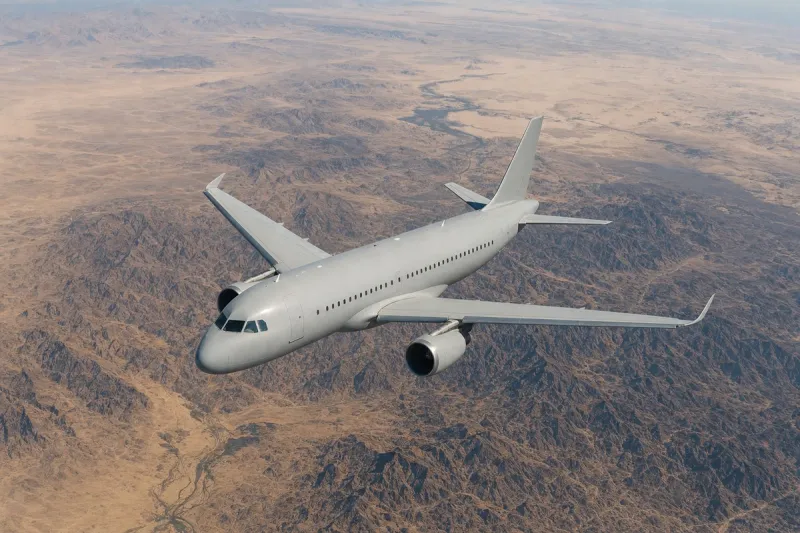
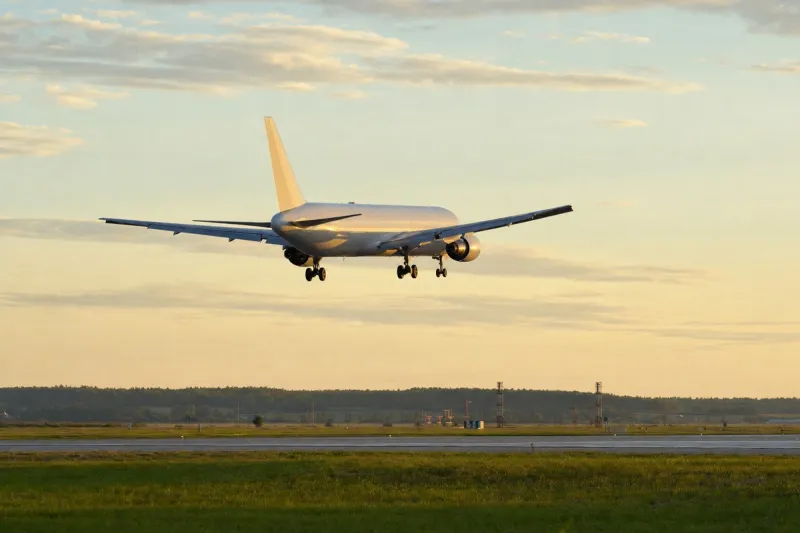
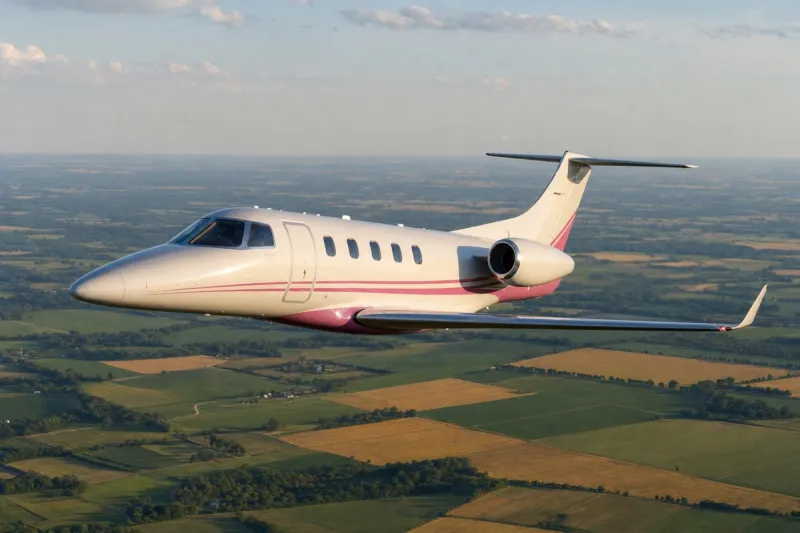
The case centres on an October 1 interception at Luang Prabang International Airport, where authorities seized 23 suitcases, 21 of which contained crystal methamphetamine — commonly known as shabu — packed into 500 packages. The Learjet, registration N73GP, had departed Sultan Abdul Aziz Shah Airport in Subang, Malaysia, that day carrying a Filipino passenger but no cargo. Singapore-based charter operator CGT Asia Pte Ltd. said the passenger boarded without carry-on luggage and told the crew he would collect baggage containing vape products in Laos before continuing to Ninoy Aquino International Airport in Manila. Upon arrival, the passenger attempted to load approximately 23 pieces of luggage; CGT Asia said the crew had not been told how many bags to expect and refused the shipment over safety concerns, including possible dangerous goods, and maintained that none of the bags was loaded onto the aircraft.
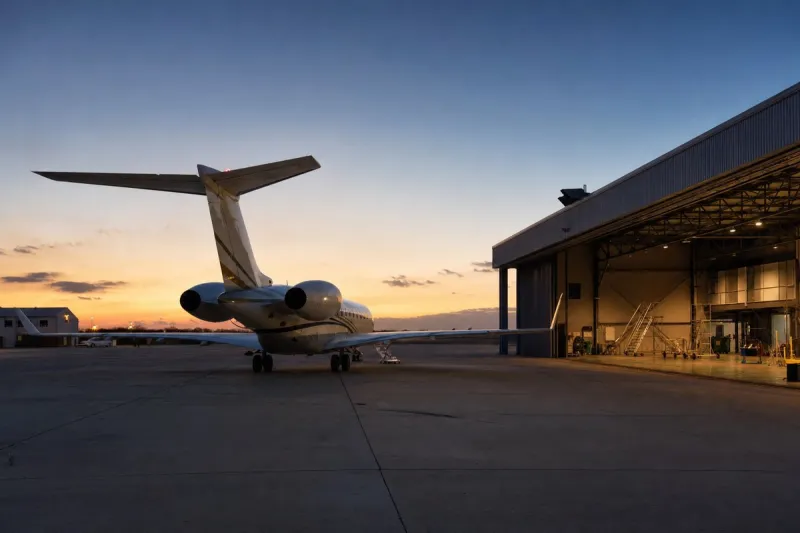
Lao police inspected the luggage and discovered the methamphetamine. Thirteen individuals were detained in connection with the attempted shipment, including the aircraft's pilot and co-pilot, a foreign passenger, company personnel and airport workers. Authorities also seized the Learjet and a pickup truck as evidence. The operation followed a September 21 intelligence tip about a syndicate planning to smuggle narcotics aboard a private aircraft. The investigation expanded to Malaysia, where authorities raided a hangar at Subang Airport on October 7 and detained four individuals, including a pilot linked to the charter company's ownership; Malaysian police said all four were released after their statements were recorded.
Malaysian authorities noted that CGT Asia Pte Ltd. operates through entities registered in Cambodia and had received approval to offer private aviation services in July 2026; the Laos flight was the company's eighth booking out of nine received since it began operations. CGT Asia denied knowingly agreeing to transport illegal drugs and pledged to cooperate with investigators. Malaysian authorities believe the drugs were destined for the Manila market, but Philippine National Police spokesperson Col. Allen Rae Co cautioned against accepting that conclusion without independently verifying the flight documents, saying Philippine authorities were coordinating with counterparts in Laos and Malaysia to determine the shipment's origin, intended destination, aircraft ownership and flight plan.
Industry impact & what to watch
Attempted narcotics shipments aboard chartered aircraft typically exploit the same gap: a short booking lead time, a cargo declaration that goes unverified against what actually shows up at the ramp, and a crew left to make a safety call on undisclosed baggage at the point of departure. In this case the crew's refusal to load an unannounced quantity of luggage, framed as a safety decision, happened to intercept the shipment before it left Lao soil, but the sequence shows how late in the process that check occurred.
Charter brokers and operators generally rely on the passenger's own cargo declaration at booking, with physical verification left to ground handlers or crew at the departure point; a newly approved entrant taking its eighth booking out of nine received has little operating history against which to judge whether a declared shipment of vape products matches what arrives planeside. The detention and release of personnel at the Subang hangar, and the open question over whether the aircraft's owners were deceived or involved, will shape whether this is treated as an isolated abuse of a legitimate charter or evidence of weaker screening at newer entrants.
What happens next turns on the cross-border coordination now underway: Philippine, Lao and Malaysian authorities are still working to confirm the flight documents, the aircraft's ownership chain and the intended final destination, and Col. Allen Rae Co's caution against assuming Manila was the market signals that conclusion is not yet settled.