US Mission orders special authorization for staff using Saudi airports after Houthi strikes kill 12 at Riyadh hub
Why It MattersRepeated strikes on Saudi airport infrastructure show how escalating regional conflict can force foreign missions and airlines to impose shifting, airport-by-airport access restrictions with little notice.
What happened
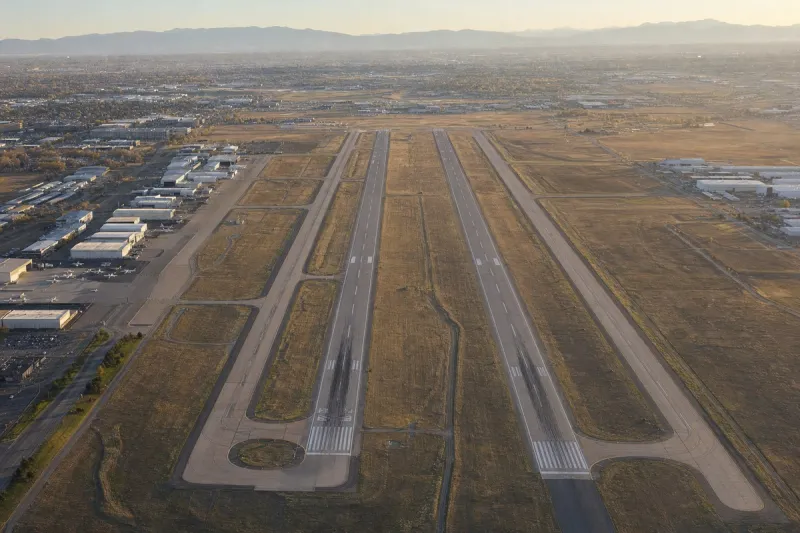
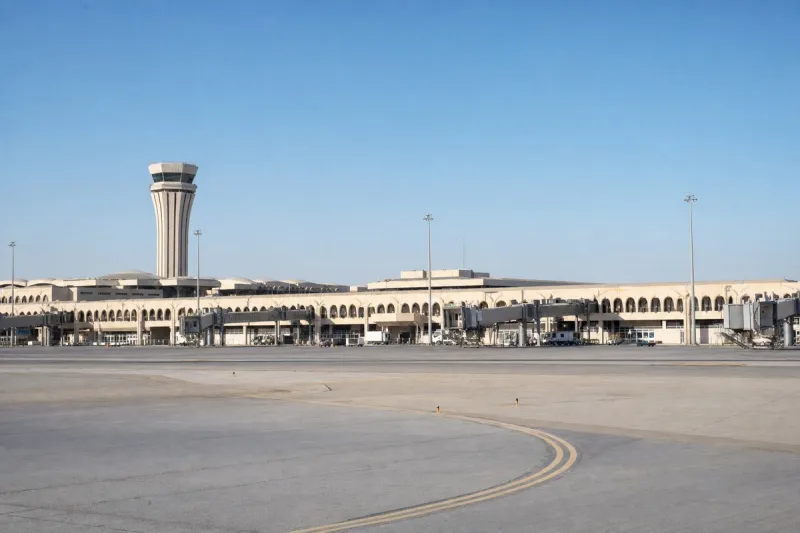
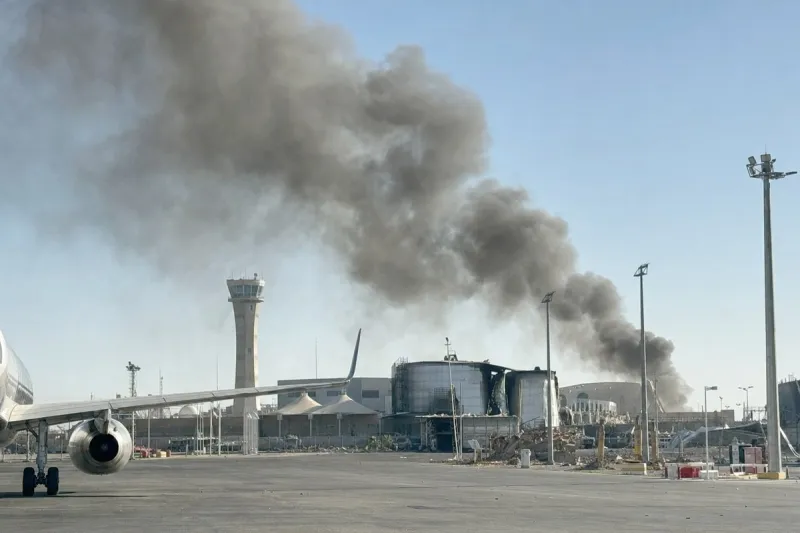
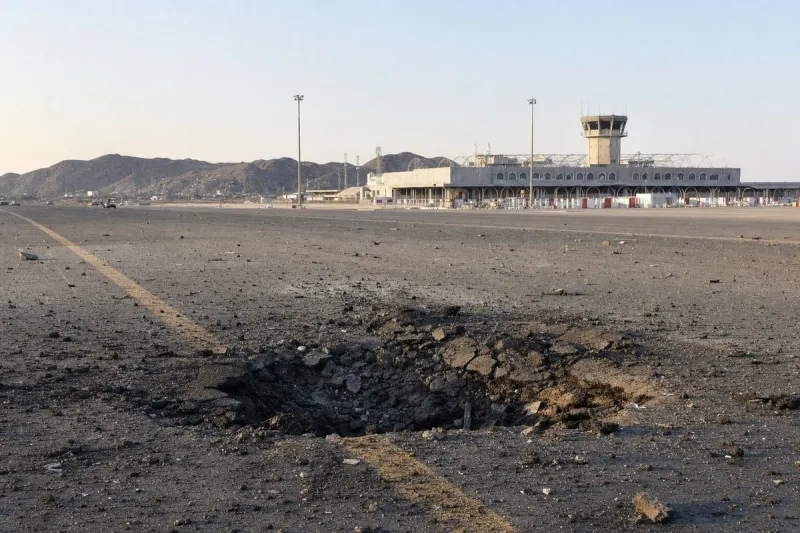
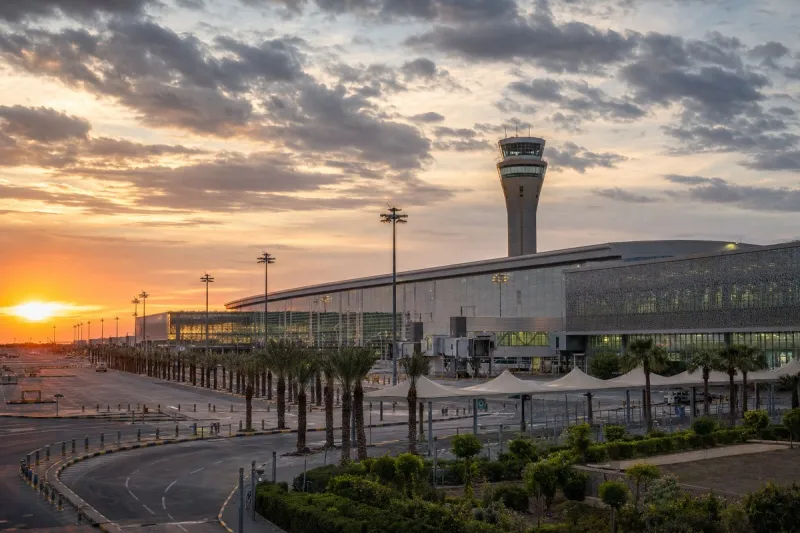
The US Mission in Saudi Arabia issued a security alert on October 11, 2026, requiring US government employees to obtain special authorization before using King Khalid International Airport in Riyadh, as well as airports in Jeddah and Dammam, following a series of Houthi missile attacks on the facilities. The Mission said it is aware of attacks on King Khalid International Airport on October 10 and strongly recommends all US citizens avoid the airport and surrounding areas, advising citizens to check flight departure status directly with airlines and airports given potential flight cancellations, airspace closures, and travel disruptions.
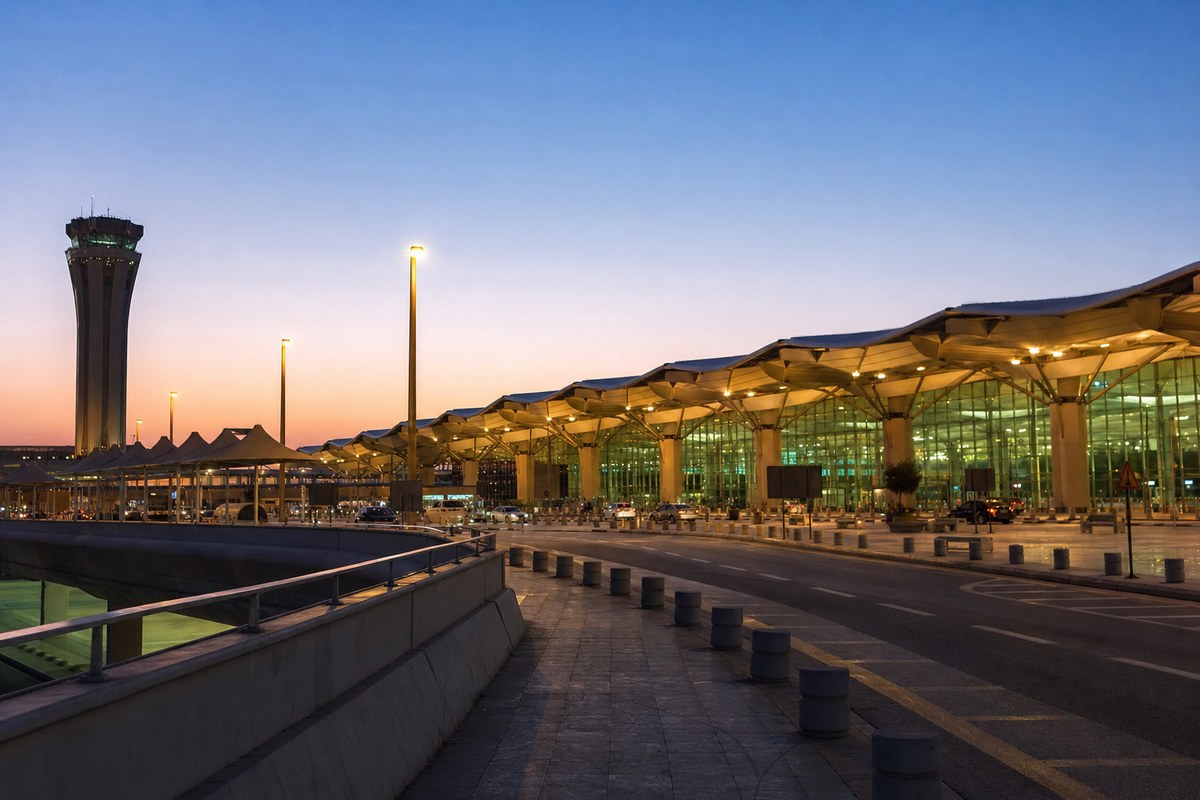
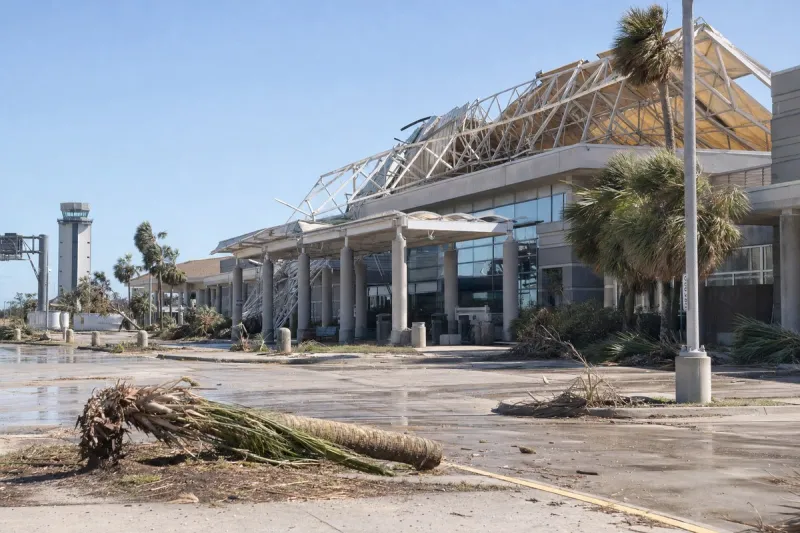
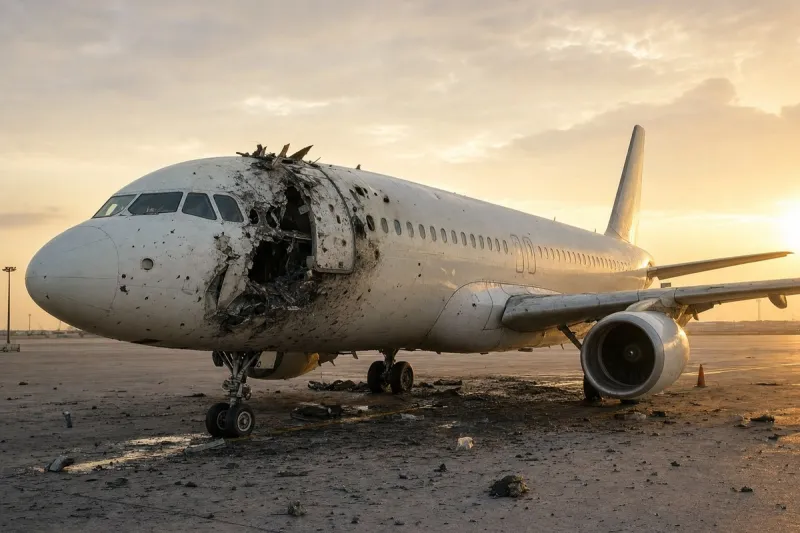
A Houthi missile strike on Saturday killed 12 people and wounded more than 300 at King Khalid International Airport. The attack was described as the first strike on King Fahd International Airport since the Iran war began on February 28. On Thursday, three people including a Saudia pilot were killed in a separate strike on the airport. A Sudanese man was killed in another attack on King Khalid International Airport on Wednesday, and two women were killed a day earlier when Houthi militants struck Abha International Airport in Asir province.
US government employees were additionally barred from travelling within 20 miles of the Yemen border and required special authorization to travel to the provinces of Jizan, Asir, and Najran, as well as the cities of Qatif, Yanbu, and Taif. The attacks have drawn widespread international condemnation, with calls for the Iran-backed group to stop targeting civilian infrastructure.
Industry impact & what to watch
A string of strikes hitting multiple named airports within days of each other points to a sustained campaign against aviation infrastructure rather than an isolated incident, and that pattern is what drives foreign missions toward blanket authorization requirements rather than narrower, single-airport warnings.
For carriers and ground operators in the region, this kind of alert works as a signal that airspace and airport access around Riyadh, Jeddah, Dammam and Abha can change with little warning, pushing airlines and government travelers alike toward checking status directly with the airport or carrier rather than relying on published schedules. The movement restrictions near the Yemen border and across Jizan, Asir, Najran, Qatif, Yanbu and Taif add a geographic layer that operators serving those regions will need to track separately from the airport-specific warnings.
What happens next depends on whether further strikes extend to additional Saudi airports or ease, and on how Saudi authorities and international carriers adjust flight schedules and insurance posture in response. The US Mission's own updates, and any parallel alerts from other missions or airlines operating into these airports, will be the next indicators of whether the access restrictions tighten or are lifted.