House Lawmakers Urge FAA to Pause AI-Supported SMART Air Traffic Tool at Three Washington-Area Airports
Why It MattersCongressional scrutiny of an advisory AI scheduling tool before any wider rollout shows that accountability for software recommendations, and not control of aircraft, is becoming the contested question for air traffic modernization.
What happened
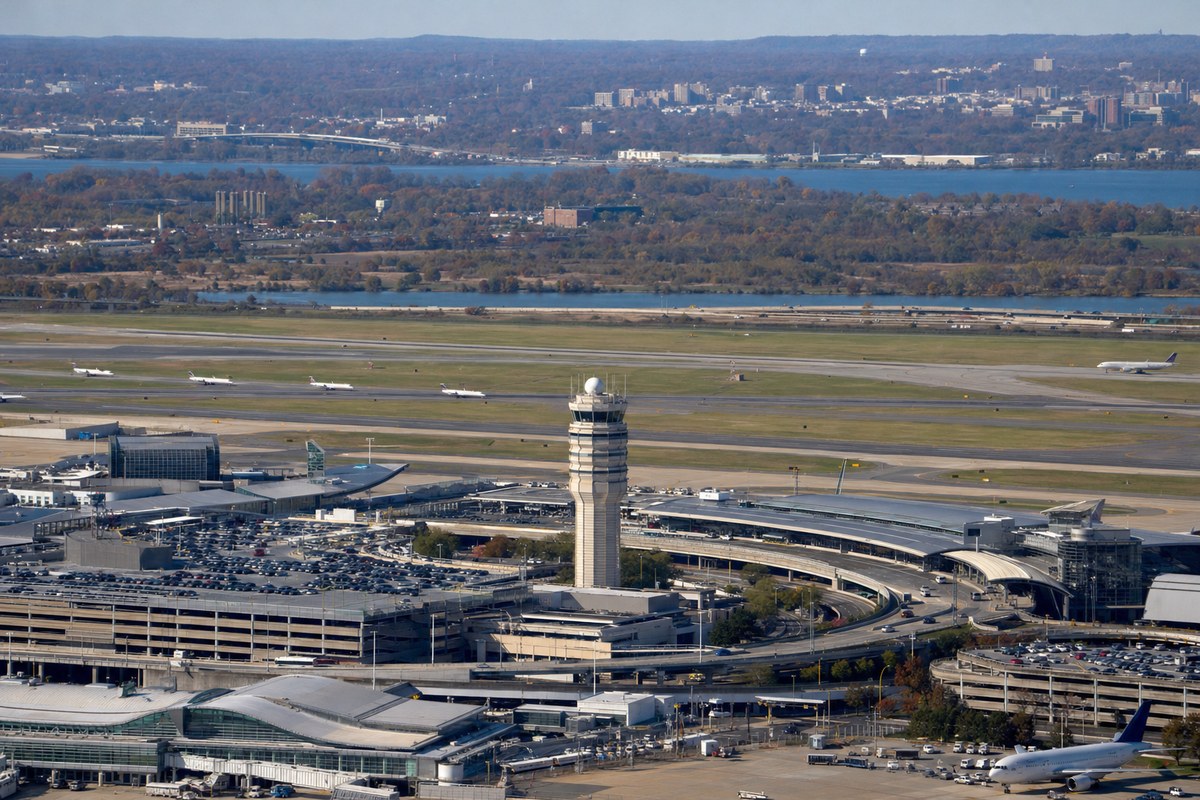
A group of House lawmakers is urging the FAA to suspend use of its new artificial intelligence-supported air traffic management system, Strategic Management of Airspace, Routes and Trajectories (SMART), at three Washington-area airports pending further safety review. SMART began limited operations Sept. 21. The three airports are Reagan National, Dulles International and Baltimore/Washington International.
The lawmakers are seeking information about the system's testing, controller training and implementation at those airports. They also questioned whether aviation safety personnel and airport authorities were adequately consulted before deployment. The letter calls for disclosure of safety evaluations, including how SMART would perform during severe weather or equipment outages. One lawmaker, McClain Delane, said: "I'm calling on the FAA to pause this rollout, show us the safety testing, and explain who is accountable when something goes wrong."
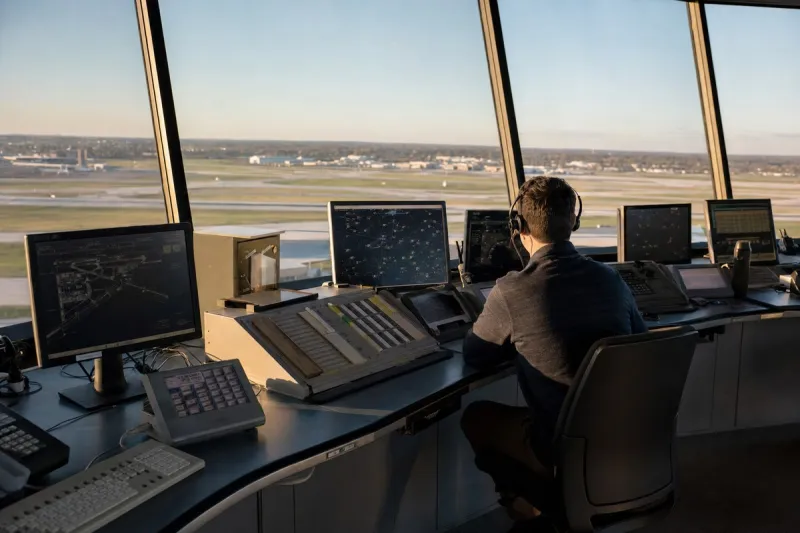
According to the Transportation Department, SMART combines approximately 200 data streams, including weather, flight paths, traffic flow and controller staffing, to identify potential congestion before disruptions occur. The agency says the system provides scheduling recommendations to FAA personnel, who retain authority over whether to implement them. SMART does not control aircraft or replace air traffic controllers. The system is being developed with Air Space Intelligence under a broader FAA contract for air traffic management software.
The FAA plans to gradually expand SMART beyond the Washington area. The lawmakers are requesting details about the initial 90-day evaluation, the standards required before further deployment and how responsibility would be assigned if a system recommendation contributed to a safety incident.
Industry impact & what to watch
The dispute turns on a distinction that will recur as automation spreads through air traffic management: a tool that only recommends schedules, with FAA personnel deciding whether to act, still shapes how traffic flows. Lawmakers are asking who answers for an outcome when a recommendation was followed, which is a question of responsibility rather than of aircraft control. Regulators and vendors rolling out similar decision-support software should expect that question early.
For operators and airport users, the practical exposure is at the three airports where SMART is already running in limited form. Any change to how congestion is anticipated and sequenced there affects arrival and departure planning, so the stated 90-day evaluation is the milestone that matters. Its results, and the standards the FAA says must be met before deployment widens, will indicate how quickly the system can move to other airspace.
The next evidence will come from the FAA's answer to the letter. The specific items requested are the safety evaluations, including severe-weather and equipment-outage performance, the controller training record, and the assignment of responsibility for recommendation-linked incidents. Whether the agency pauses, continues or answers while proceeding will show how much weight congressional oversight carries over the pace of expansion.