Goodnews Bay Woman Sues Yute Commuter Service Over November 2025 Piper PA-31-350 Crash at Eek Airport
Why It MattersPassenger civil suits filed long after a final NTSB report show that winter-operations training and runway-condition notification are where small Alaska commuter carriers carry their largest legal exposure.
What happened
A Goodnews Bay woman who was a passenger on a commuter flight that crashed in November 2025 filed a lawsuit on Oct. 8 against Paklook Air, Inc., an Alaska corporation doing business as Yute Commuter Service and Yute Air. She claims lasting injuries from the crash.
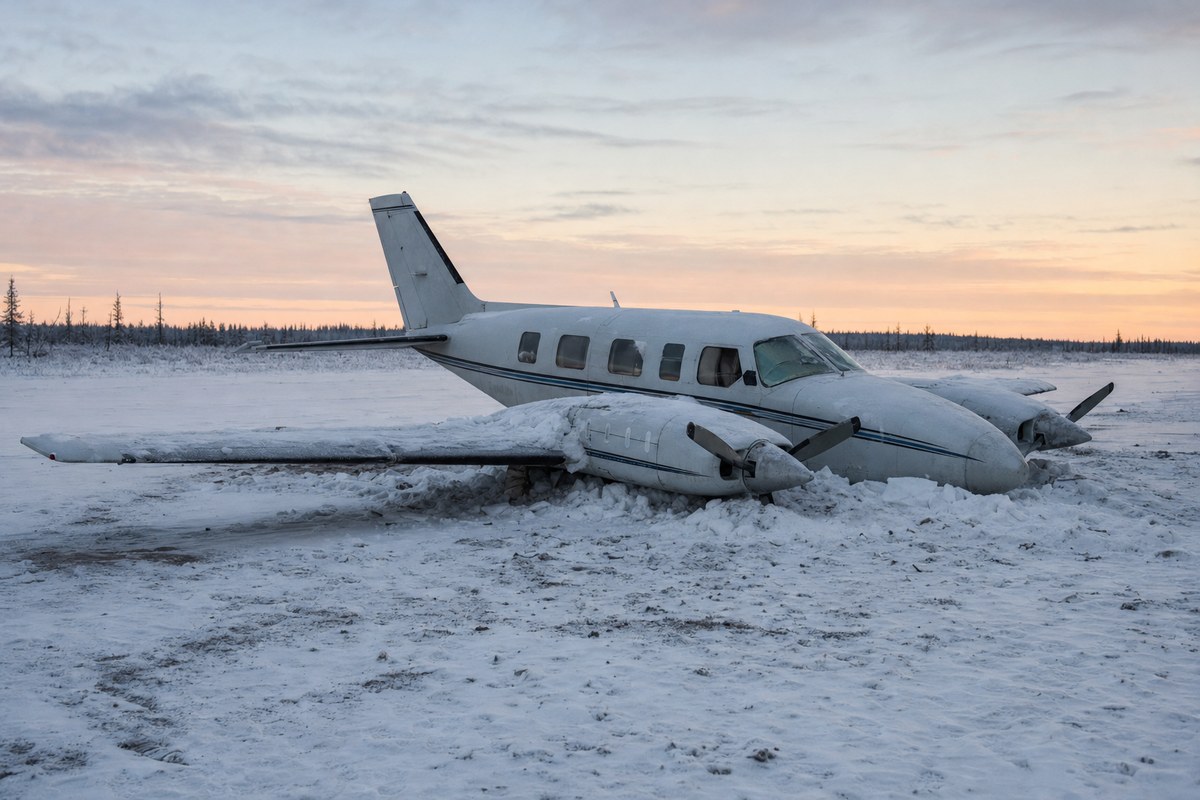
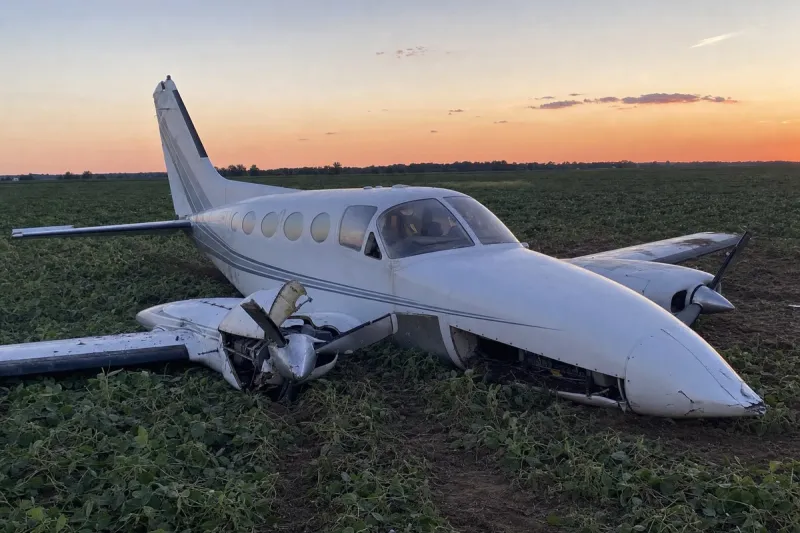
The aircraft, a Piper PA-31-350, was flying from Platinum to Eek on Nov. 16, 2025, carrying one pilot and three passengers. It crashed while landing at Eek Airport, skidding off a snow- and ice-covered runway.
The complaint alleges that Yute Air and its pilot breached their duty of care in preparing for and operating the flight. It says the airline failed to give the pilot timely, updated notice of runway and snowdrift conditions, and failed to adequately train pilots for winter crosswinds, night approaches to unlit or poorly lit snow-covered airstrips, and recovery from loss of directional control. It also alleges the pilot tried to land at night on a snowy, icy runway in high winds and gusts without being able to fully assess the runway surface in the dark.
The National Transportation Safety Board's final report found that during the landing roll, in gusting crosswinds at night, the plane's right main landing gear struck ice and a snowdrift, causing the aircraft to veer right. The pilot tried to correct with opposite rudder, but the plane slid on the ice and hit a snow berm, collapsing the nose gear. The aircraft sustained substantial damage to its nose and fuselage. The pilot reported no mechanical failures that would have prevented normal operation before the crash.
Yute Air had not responded to a request for comment as of publication.
Industry impact & what to watch
The allegations in the complaint line up with the factors the NTSB described: gusting crosswinds, darkness, and a runway surface the pilot could not fully assess. For small commuter carriers serving unlit gravel and snow-covered strips, the legal theory is that the operator, not only the pilot, owns the quality of runway-condition information and winter-specific training. Allegations of this kind are untested until a court rules on them, and the complaint's claims against the operator are claims, not findings.
The timing is also instructive. The NTSB's final report is public, so a plaintiff filing nearly a year after the accident can build on the regulator's account of how the landing went wrong, while the complaint adds its own allegations about notice and training that the NTSB summary does not address. For operators in this segment, a closed safety investigation does not close their exposure.
The next point that would settle the shape of the case is Yute Air's response to the complaint, which has not yet been made public.