US Mission Warns Americans to Avoid Riyadh's King Khalid International Airport After October 10 Attacks
Why It MattersGovernment travel advisories of this kind shift airport access from a commercial question to a security one, pushing airlines and travellers toward direct flight-status checks and exposing Riyadh traffic to disruption risk.
What happened
The US Mission in Saudi Arabia issued a security alert on Saturday warning American citizens to avoid King Khalid International Airport in Riyadh and its surrounding areas, following attacks on the airport on October 10. The Mission said it is aware of the attacks and strongly recommends that all US citizens stay away from the airport.
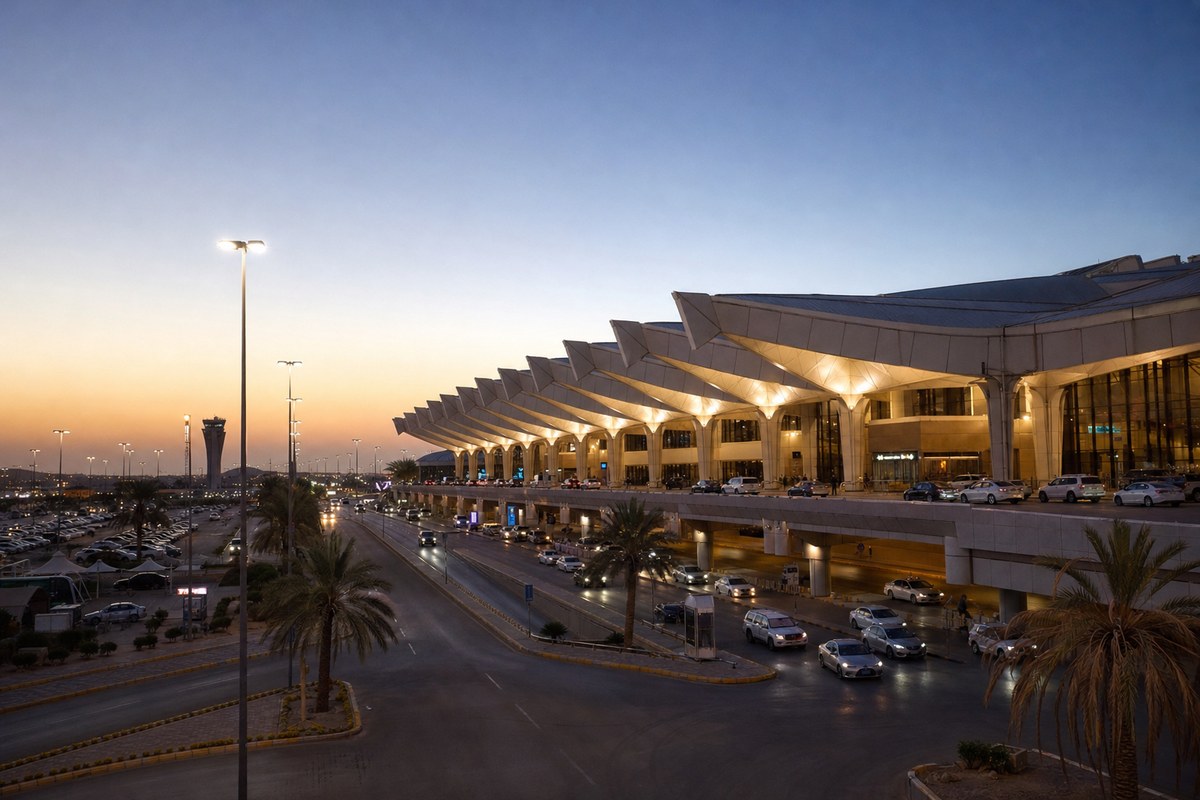
US government employees working in Saudi Arabia will require special authorisation to use the facility. American travellers were advised to confirm their flight status directly with their airlines and the airport, given the possibility of cancellations and disruptions.
The alert also set out existing movement restrictions on US government personnel in the country. Employees are prohibited from travelling within 20 miles of the Saudi Arabia-Yemen border. Special authorisation is required to travel to the provinces of Jizan, Asir and Najran, as well as the cities of Qatif, Yanbu and Taif.
The Mission confirmed that regular and emergency consular services for American citizens remain available. It urged citizens to enrol in the Department of State's Smart Traveler Enrollment Program (STEP) and to review travel advisories for both Saudi Arabia and Yemen.
Additional guidance included avoiding demonstrations and large gatherings, staying away from areas with heavy police presence, monitoring local media and maintaining a low profile at locations publicly associated with the United States. In the event of an aerial attack, people were instructed to stay away from glass doors and windows and avoid fallen debris.
Industry impact & what to watch
When a government tells its citizens to avoid a major airport and requires its own staff to obtain special authorisation to use it, the airport stops being a routine node and becomes a security-assessed one. For passenger carriers, charter and business-aviation operators serving Riyadh, that typically means schedule uncertainty, rebooking demand and added scrutiny from insurers and corporate travel-risk teams, even before any formal closure is announced.
The alert's emphasis on confirming status with airlines and the airport reflects how disruption information actually flows in these situations: operational status is held by the carriers and the airport authority, not by embassies. Anyone planning movements through Riyadh has to reconcile the advisory with live operational data from those parties.
The Mission's notice to avoid the airport is the marker to follow. A change in that guidance, or in the special-authorisation requirement for US government employees, would be the clearest signal of how the airport's security posture is being assessed.