Saudi Arabia Probes Why Air Defenses Failed to Stop Deadly Houthi Attack on Riyadh Airport
Why It MattersA successful strike on a major Gulf hub and a closed capital airport expose regional aviation to sustained missile and drone risk, raising exposure for flights and operators across the Gulf.
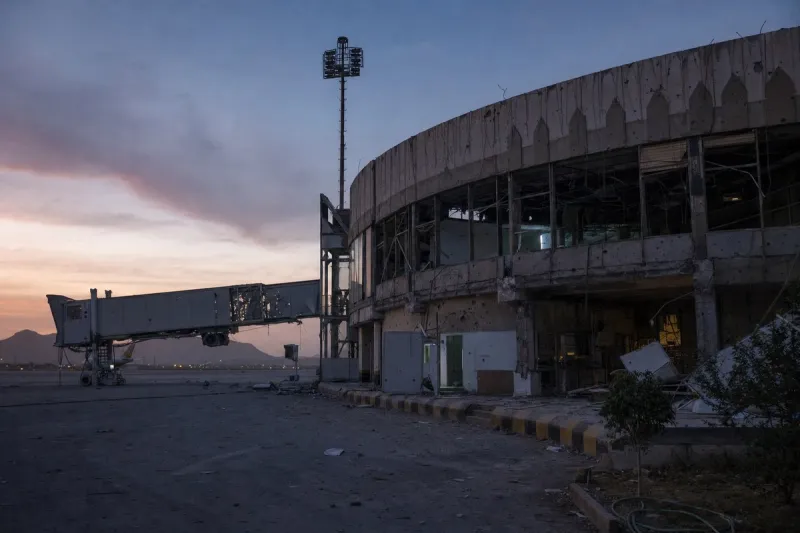
Saudi Arabia has launched an investigation into how its air defenses failed to intercept a barrage of missiles and drones fired by Iran-backed Houthi rebels, including an attack on Riyadh's King Khalid International Airport that killed at least 13 people and wounded more than 300, two regional officials said Monday. The officials spoke on condition of anonymity because they were not authorized to comment publicly.
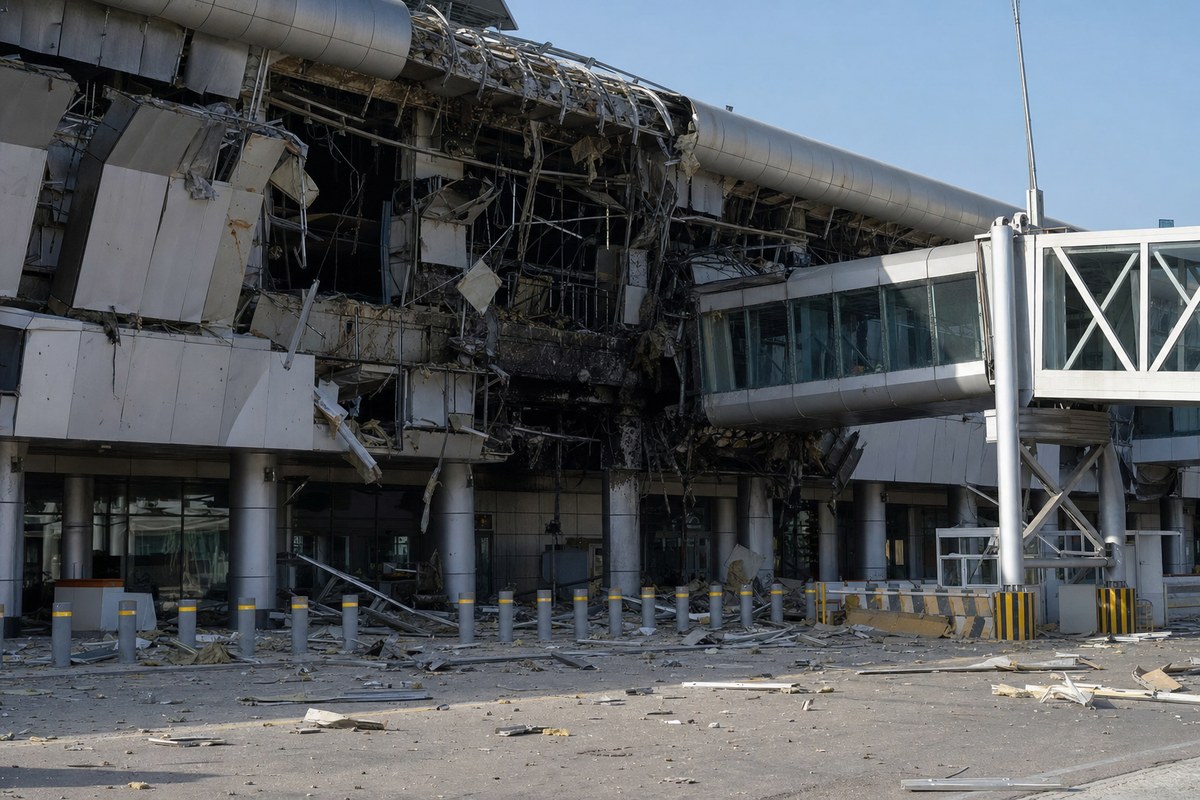
The officials said the initial probe showed the Houthis first fired multiple drones to pave the way for a mix of cruise and ballistic missiles to reach the airport. The Houthis possess ballistic missiles and advanced systems fitted with warheads that can change direction in flight, which pose a challenge to Patriot interceptors and other defense systems used by the Saudis. One official said the investigation also seeks to establish why air defense systems did not give earlier warning of the attack, in which the missiles and drones flew more than 1,000 kilometers (621 miles) to reach Riyadh.
The airport attack was one of a string of Houthi attacks on Saudi airports since last week. It has exposed vulnerabilities in Saudi Arabia's defenses and marks a dangerous turning point in a widening Middle East conflict that began more than seven months ago, when the U.S. and Israel began their war against Iran. Saudi state-run media reported Monday that the military was responding to a new attack involving drones and cruise missiles, without giving details. Riyadh airport remained closed on Monday, and workers in the capital's financial district were told to work from home.
The Saudis want the U.S. to become more directly involved. The U.S. has provided intelligence sharing, target identification and planning for a Saudi-led offensive but has so far held off on carrying out strikes against the Houthis itself. President Donald Trump told reporters on Saturday, after the airport strike, that he was looking at the possibility of U.S. attacks on the Houthis. A U.S. intervention could prompt the Houthis to try to halt shipping through the Bab el-Mandeb Strait at the southern end of the Red Sea, restricting oil flows out of the Persian Gulf.
Yemen's Houthi-run health ministry said Monday that airstrikes on a government complex and a house in the northern province of al-Jawf killed nine people, including five children and a woman, and wounded seven others. Houthi officials also said Saudi Arabia carried out new strikes on the capital Sanaa, killing one person and wounding 12.
Emirati diplomatic adviser Anwar Gargash called for "joint Gulf action" against attacks by Iran and its allied groups, writing that "our security is indivisible" and that attacks on Saudi Arabia undermine the security of the UAE and all Gulf states. Iran's Foreign Ministry spokesman Esmail Baghaei said Iran was "severely concerned" about developments in the Arabian Peninsula and ready to offer its good offices to facilitate talks between the Saudis and Houthis. He said Foreign Minister Abbas Araghchi spoke by phone with his Saudi counterpart, Prince Faisal bin Farhan Al-Saud, on Sunday.