Houthi Strike Hits Riyadh's King Khalid International Airport for Second Time in Two Days; Saudi Civil Aviation Extends Suspension of Operations
Why It MattersRepeated strikes on a national capital's main airport show how quickly a hub can be taken out of service while safety verification and readiness checks run, with no restart date set.
What happened
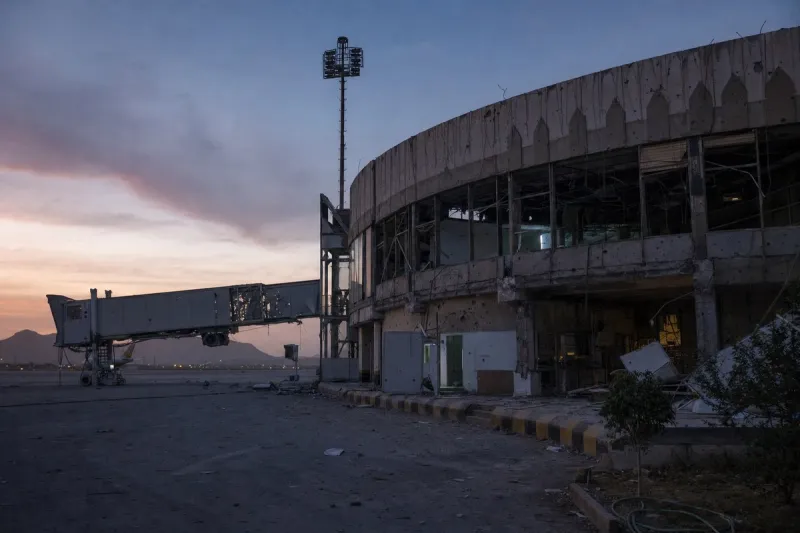
A fresh Houthi attack targeted Riyadh's King Khalid International Airport on Sunday evening, one day after a lethal strike on the same facility. Additional injuries were reported from the second attack.
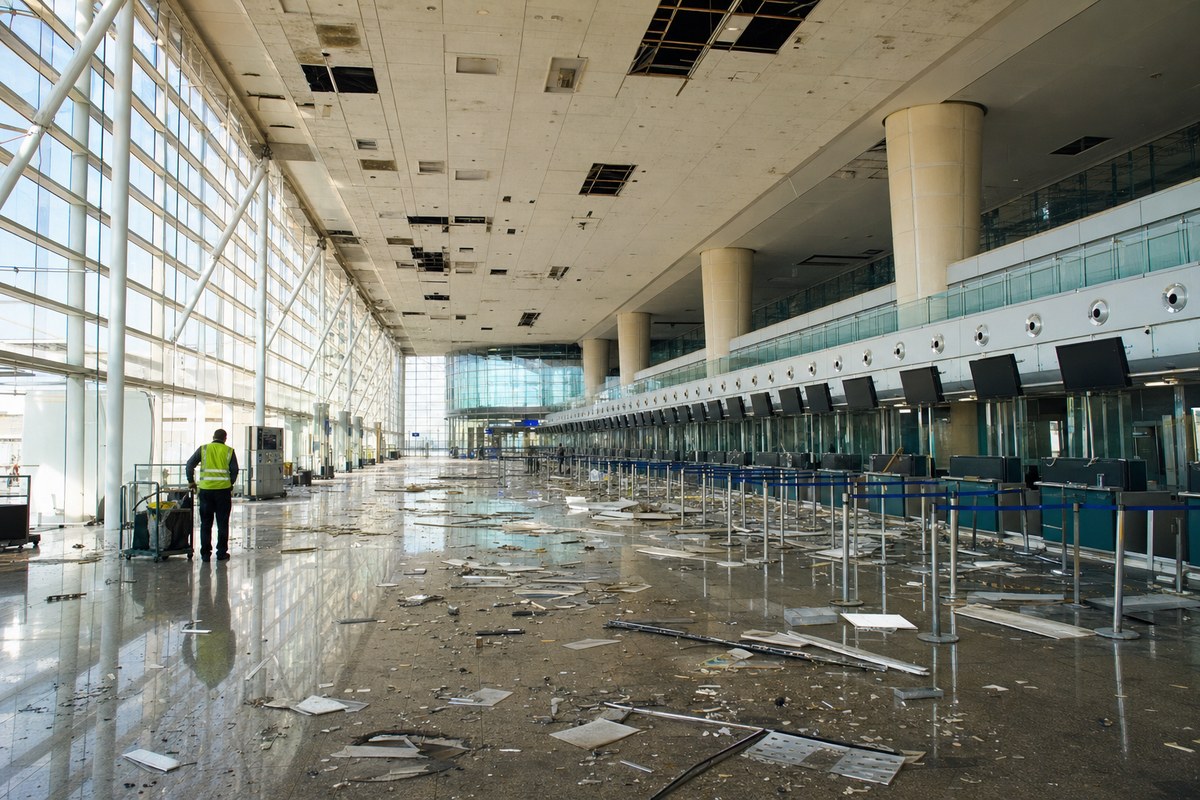
Saudi Arabia's General Authority of Civil Aviation (GACA) confirmed that Saturday's initial strike resulted in 12 fatalities and 309 wounded. Medical teams continue to manage casualties from both incidents.
In a post on X, GACA said it was extending the suspension of operations at Riyadh airport. The stated purpose is to complete procedures to verify the safety of the airport's facilities and assess its operational readiness.
Elsewhere in the kingdom, coalition spokesperson Maj. Gen. Turki Al-Malki said coalition air defenses intercepted and destroyed a Houthi ballistic missile targeting Khamis Mushait. Saudi Arabia's National Early Warning Platform issued an emergency alert in Abha that was active for one minute before the threat was declared cleared.
In Yemen, Houthi fighters and government forces clashed on the ground over control of the city of Taiz, and the government-affiliated Taiz Military Axis said airstrikes on Monday targeted Houthi positions around the city.
Regional backdrop
Saudi Aramco CEO Amin Nasser, speaking at the WPC Energy Congress in Riyadh, said the global crude oil supply squeeze was "serious" and that pressure would intensify until the Strait of Hormuz is fully reopened. He said commercial offshore inventories were "well below" six billion barrels, with most available stocks locked up, and that replenishing them while meeting demand could take up to two years.
Iranian security chief Mohsen Rezaei told Iran's state-owned Press TV that, if fighting with the United States resumes, Iran could target US-linked undersea cables, data centers and artificial intelligence facilities in the UAE and around the Strait of Hormuz, which he valued at more than $2 trillion without giving a breakdown. His remarks do not establish that specific facilities have been selected.
The UK Maritime Trade Operations (UKMTO) reclassified an incident near the Sohar anchorage off Oman as a direct attack after confirming a commercial tanker was hit by an uncrewed aerial vehicle on Sunday. Local authorities are helping evacuate the crew, and the extent of the damage and any environmental impact remain unknown.
Industry impact & what to watch
Two strikes in two days on the main airport of a national capital turn a single-incident disruption into an open-ended one. When an airport suspends operations to verify facility safety and assess readiness, the restart is gated by that assessment rather than by a published schedule, and GACA's post gives no reopening time. For business aviation, that means trip planning into and out of Riyadh carries an unknown closure horizon, and any aircraft and crews already positioned there are exposed to it.
The pattern of attacks across Saudi territory on the same weekend, with an interception over Khamis Mushait and an alert in Abha, shows the threat is not confined to one airport. Operators and handlers working the Saudi network tend to price in the possibility of short-notice airspace and airport restrictions, and insurers and trip-support providers typically reassess exposure when a hub is struck more than once.
The next point that will settle the question is GACA's own announcement: whether it lifts the suspension, and what it says about the outcome of the facility safety verification and operational readiness assessment.