Western Sydney Airport to Open With 15 Qantas Group Narrowbodies Based at Curfew-Free Hub
Why It MattersA curfew-free greenfield site with one dominant based carrier shows how slot-constrained Sydney demand is being split, with airline commitment, not terminal capacity, determining which routes anchor the new airport.
What happened
Western Sydney International Airport (WSI) is due to open in late October as Australia's first major greenfield airport in more than half a century. Unlike Sydney Kingsford Smith Airport (SYD), it will operate without curfews, allowing flights at all hours. The site is at Badgerys Creek, about 27.3 miles (44 km) west of Sydney's central business district, and ground was broken in 2018.
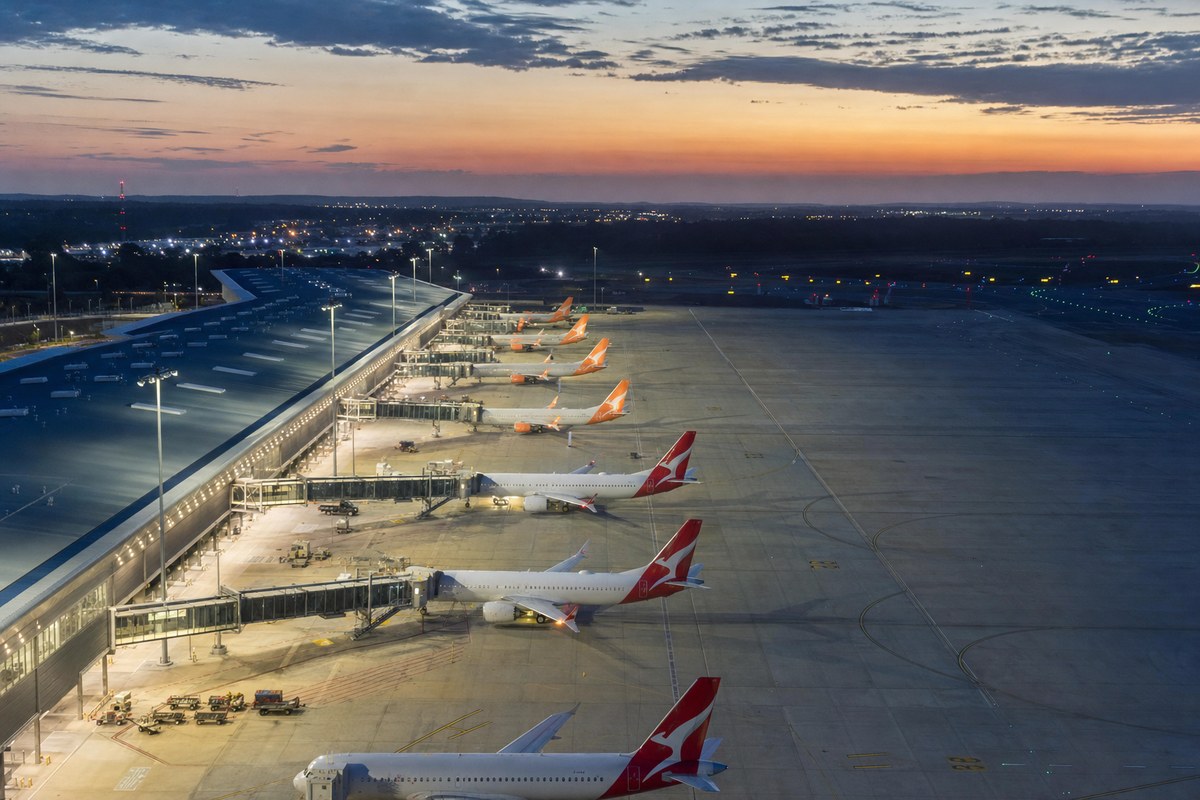
Current commitments are for 15 narrowbody aircraft, all from Qantas Group, to be based at the airport and serve domestic routes. Ten will fly under Jetstar Airways colors and five under parent Qantas. Of the ten million passengers the airport can handle annually in its first phase, around four million will be served by these aircraft, which will collectively make over 25,000 flights a year and support some 700 operational jobs.
In 2019 the airport signed a memorandum of understanding with Qantas and Virgin Australia Group under which the airlines would provide insights into design and planning, covering the passenger terminal and boarding facilities, baggage handling, security and customer-service technology, airport access, air freight and cargo facilities, and sustainability. Qantas announced its 15-aircraft base in 2023, when the airport reached 50% completion, and Qantas Freight became the first courier signed up to serve the airport late the following year.
Jetstar will start operations in October, with Qantas-branded aircraft moving in early next year. Initial services include two daily flights to Melbourne, four weekly flights to the Gold Coast and three weekly to Brisbane. Air New Zealand plans three return services a week from Auckland Airport (AKL) from October, and Singapore Airlines will operate daily flights to and from Singapore Changi Airport (SIN) from November. Both have begun selling tickets but will not base aircraft on site.
Phase one and the expansion plan
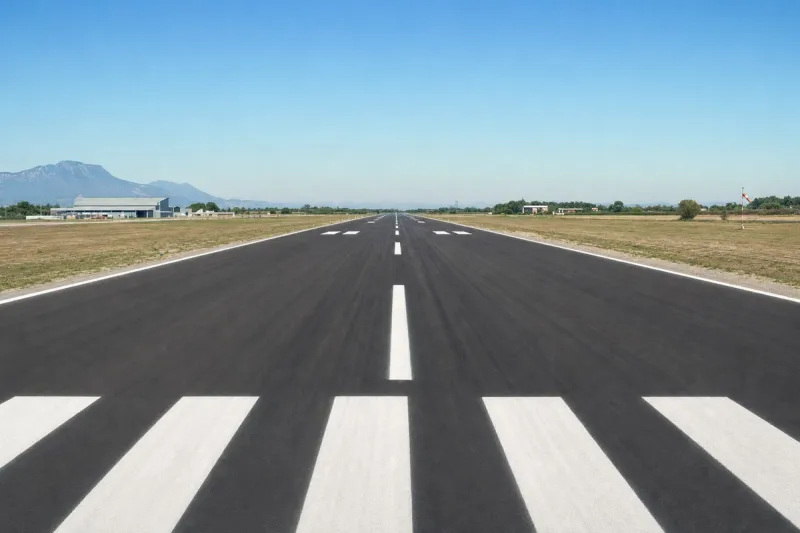
The first phase has one 2.3-mile (3.7-km) runway and one terminal for domestic and international flights, with capacity of up to ten million passengers a year. That is less than a quarter of the 42.54 million handled at Kingsford Smith in 2025.
The 4,398.5-acre (1,780-hectare) site allows staged expansion. The single-runway layout is to remain through around 2045, with the terminal extended to handle 37 million passengers and 226,000 air traffic movements a year.
Industry impact & what to watch
A curfew-free airport changes the economics of aircraft utilisation in the Sydney basin. Operators at a curfew-bound hub have to fit schedules inside fixed hours, and an airport that accepts movements at any hour lets an airline build rotations around fleet productivity instead. Basing 15 aircraft on site means a large share of first-phase capacity is tied to one group's network choices from the start.
The split between Jetstar and Qantas branding shows how a group can use one new airport to serve two market positions at once, with ten low-cost and five full-service aircraft sharing the same terminal. The two overseas entrants, Air New Zealand and Singapore Airlines, are coming in as visiting carriers with no based aircraft, which is a lower-commitment way to test demand.
The nearest milestones are the October Jetstar start, the November Singapore Airlines launch and the early-next-year arrival of Qantas-branded aircraft. How those first schedules fill will show how much of the four million Qantas Group passengers reflects new traffic and how much reflects traffic that otherwise would have used Kingsford Smith.