Capua's Oreste Salomone Airport Completes 1,400-Metre Runway and Wins Approval for RAM Terminal Expansion
Why It MattersRegional airport upgrades tied to ENAC's Regional Air Mobility programme show how modular, phased infrastructure investment can position smaller fields to support business and general aviation demand around major events.
What happened
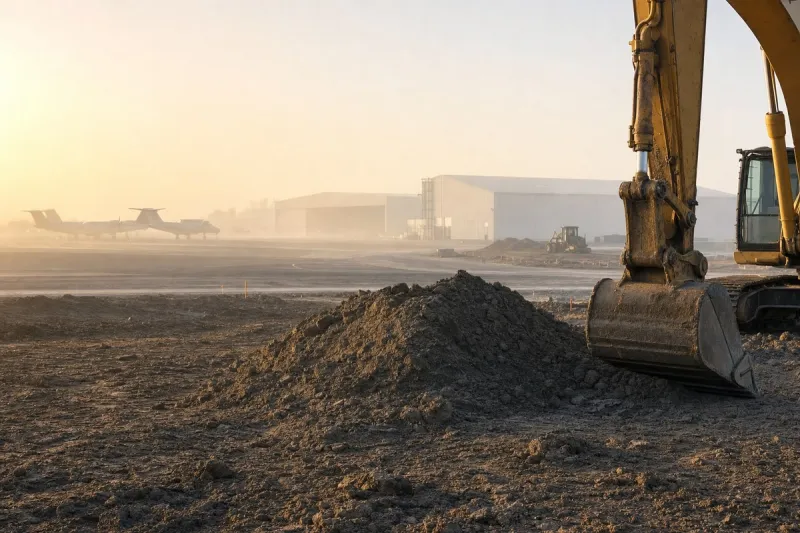
The "Oreste Salomone" Airport in Capua, in the province of Caserta, has completed paving of its 1,400-metre runway and received a positive outcome from the Services Conference on a broader airport enhancement project, marking the start of a new development phase.

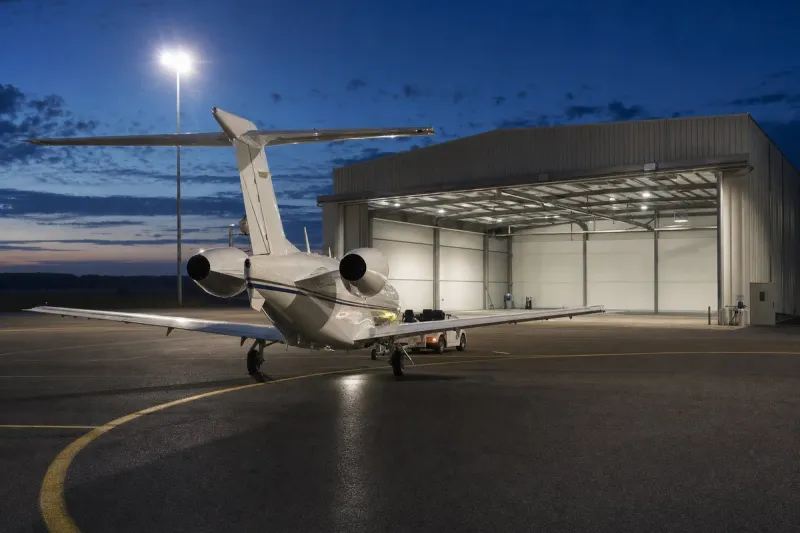
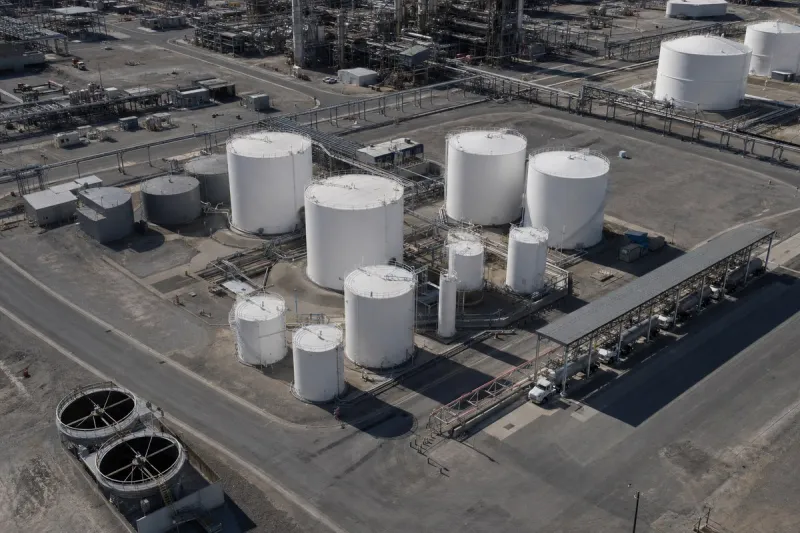
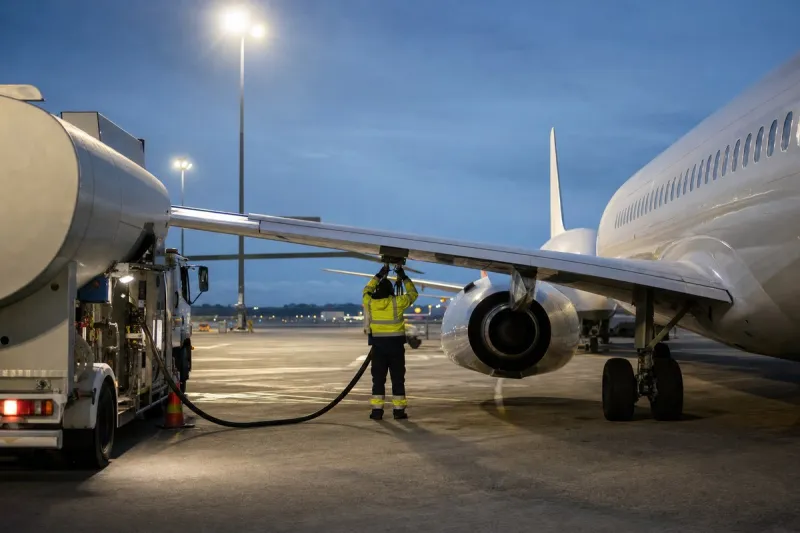
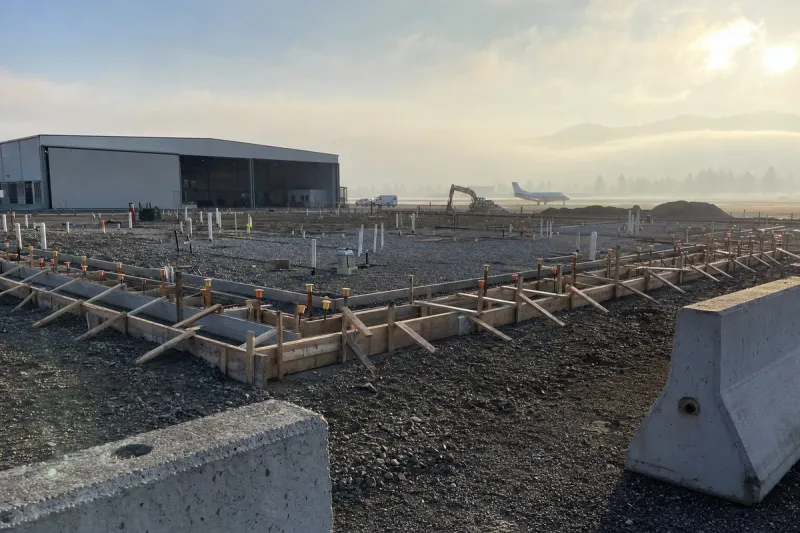
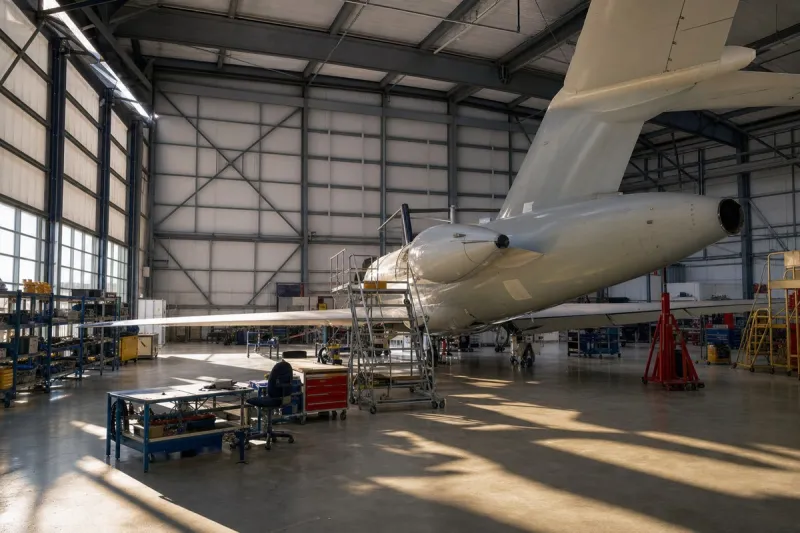
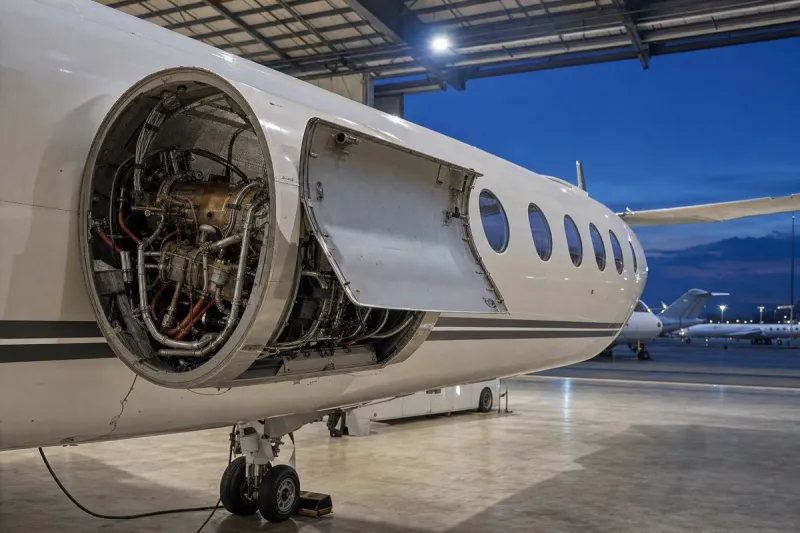
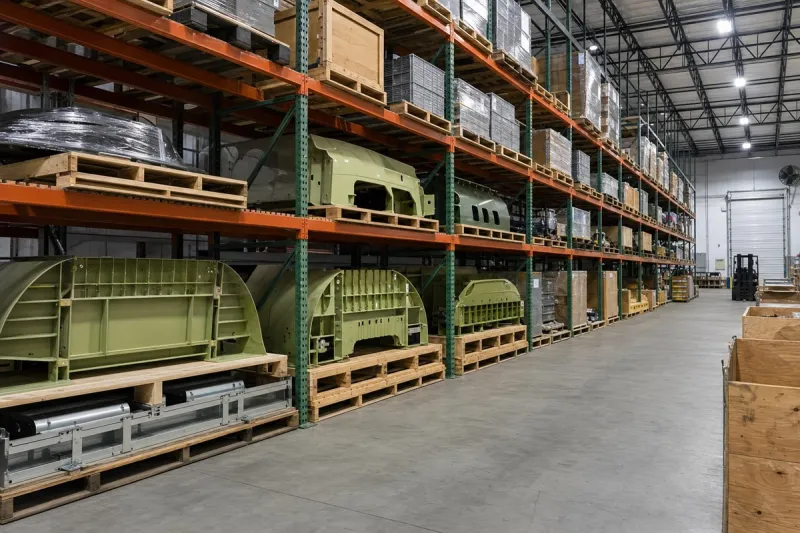
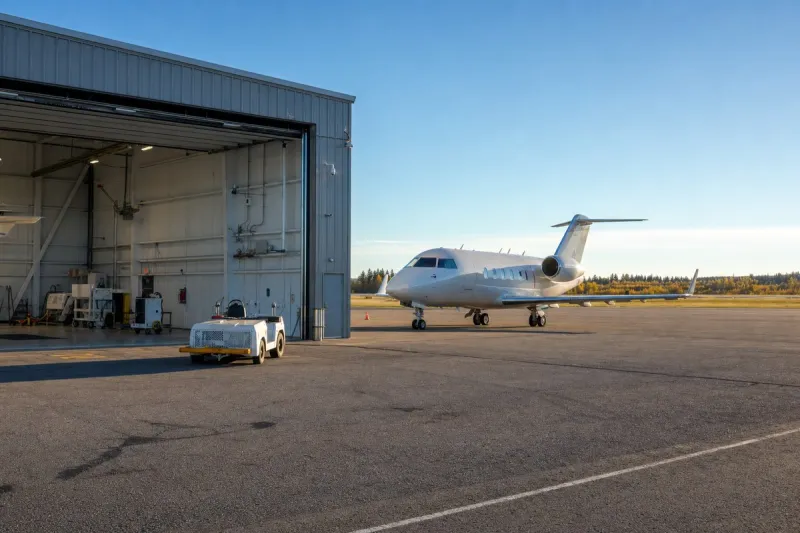
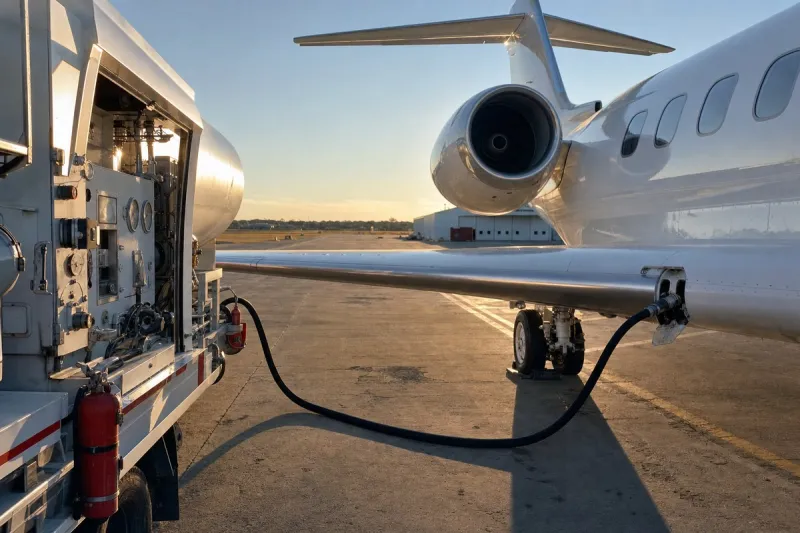
The runway paving is the first intervention completed under a wider programme supported by ENAC and Enac Servizi. The approved project encompasses construction of a new Regional Air Mobility (RAM) Terminal, additional aircraft aprons, storage hangars, office and technical support buildings, a new access road with curbside, a fuel depot and distributor, and spaces for technological services. Interventions will be carried out progressively according to modularity criteria, with components addressing environmental sustainability and greater energy autonomy.
The RAM Terminal is a central element of ENAC's Regional Air Mobility programme, developed through Enac Servizi to build a network of connections between territorial airports and promote more integrated air mobility across the region. Capua Airport has established ties with the aeronautical and aerospace sector: Tecnam operates at the airport, while CIRA, the Italian Aerospace Research Center, is located nearby, with collaboration on testing electric- and hydrogen-propulsion aircraft identified as a future prospect.
Capua and the 2027 America's Cup
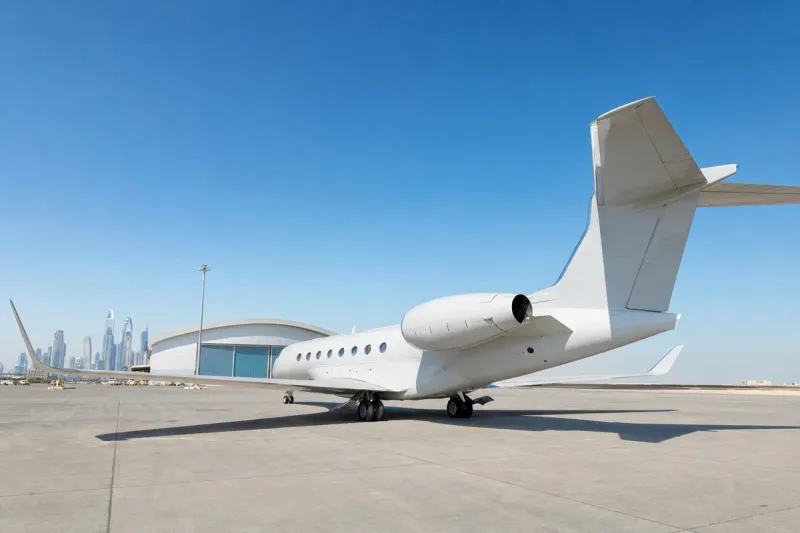
Looking ahead to the 2027 America's Cup in Naples, Capua Airport is a candidate to function, in coordination with Naples Airport, as a support infrastructure for business aviation traffic expected during the event. The airport's new aprons, hangars and dedicated infrastructure could strengthen the Campania airport system's capacity to handle private jets and other general aviation aircraft, though this role remains a prospect rather than an already operational arrangement.
Industry impact & what to watch
A secondary airport finishing a runway and clearing a planning review is the kind of step that, on its own, changes little for traffic patterns, but it is exactly the groundwork that regional air mobility programmes depend on: terminals, aprons and hangars built in phases so capacity can scale with demand rather than arrive all at once.
For a network like ENAC's Regional Air Mobility programme to function, individual airports such as Capua need the physical capacity — aprons, hangars, fuel infrastructure — to actually host connecting traffic, and the modular approach described here lets that capacity grow alongside confirmed uses such as Tecnam's operations or prospective ones such as electric- and hydrogen-propulsion testing with CIRA.
Whether Capua becomes a meaningful part of Campania's business aviation capacity during the 2027 America's Cup depends on how the RAM Terminal and apron work progress against that event's timeline, and on what coordination with Naples Airport is formally agreed rather than only proposed.