KnightHawk Engineering Supports Angel Flight South Central with Company Aircraft and Pilots
Why It MattersVolunteer medical-flight networks rely on companies donating aircraft, pilots and flight costs to move patients faster and more privately than ground travel or commercial airports allow.
What happened
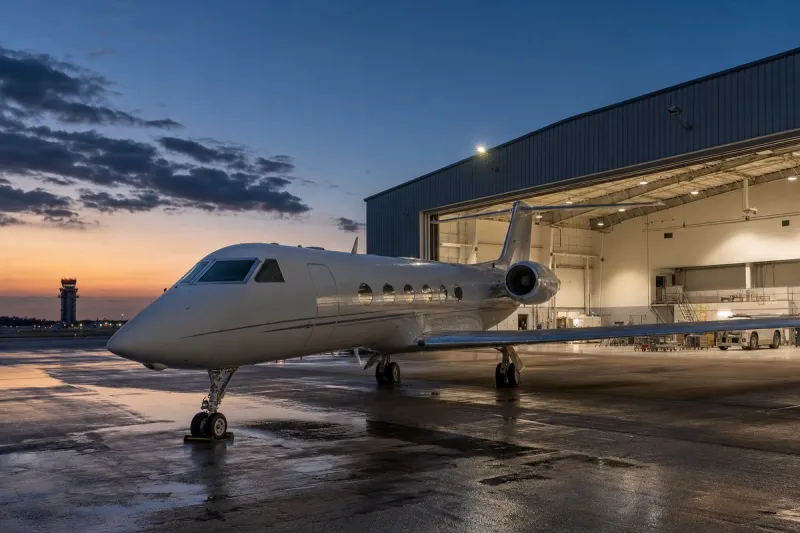
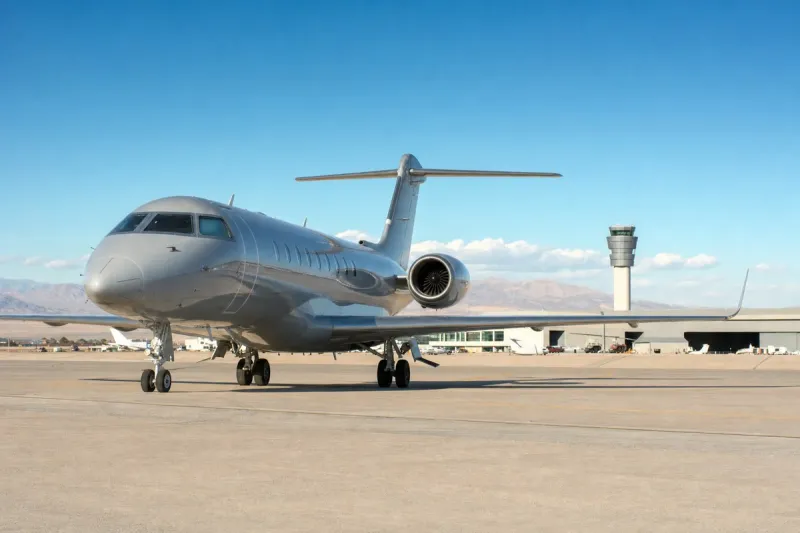
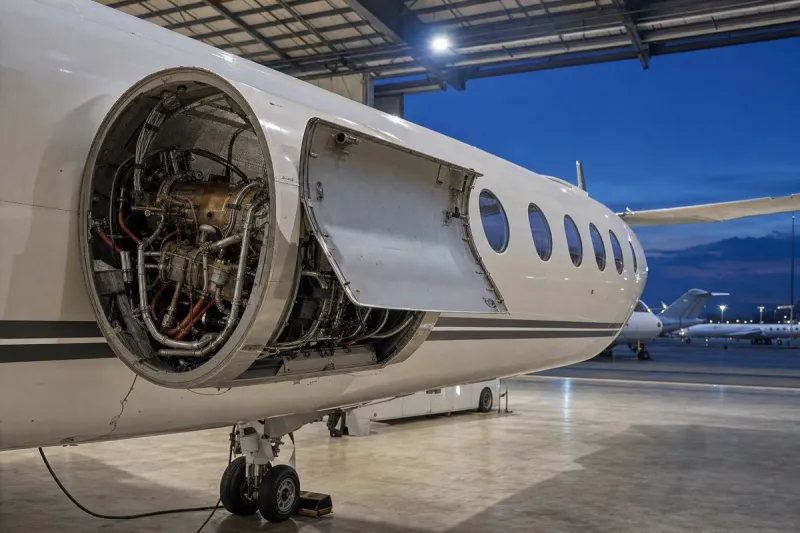
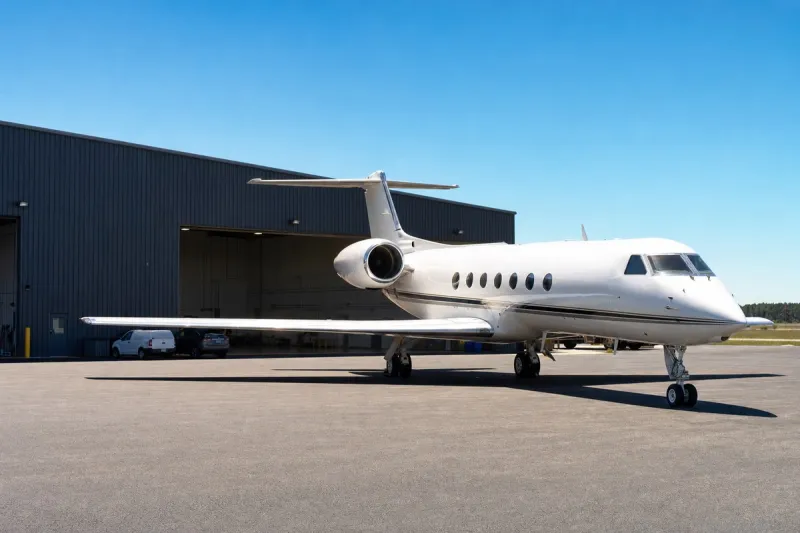
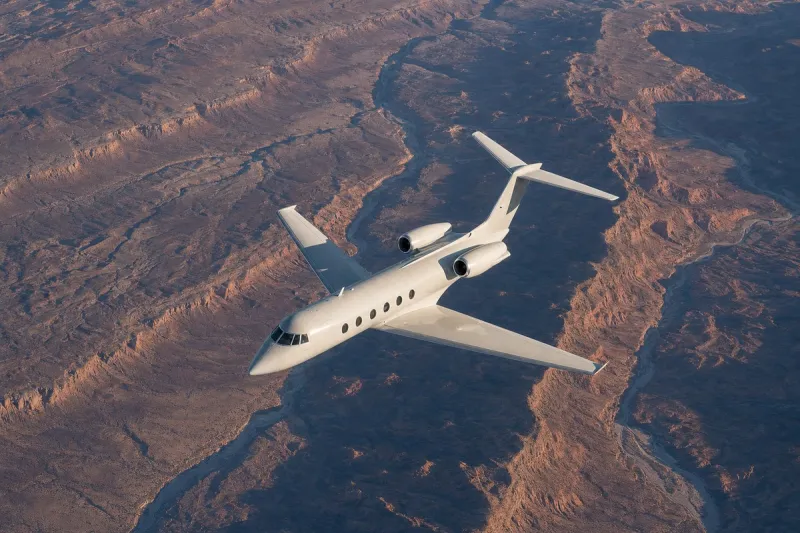
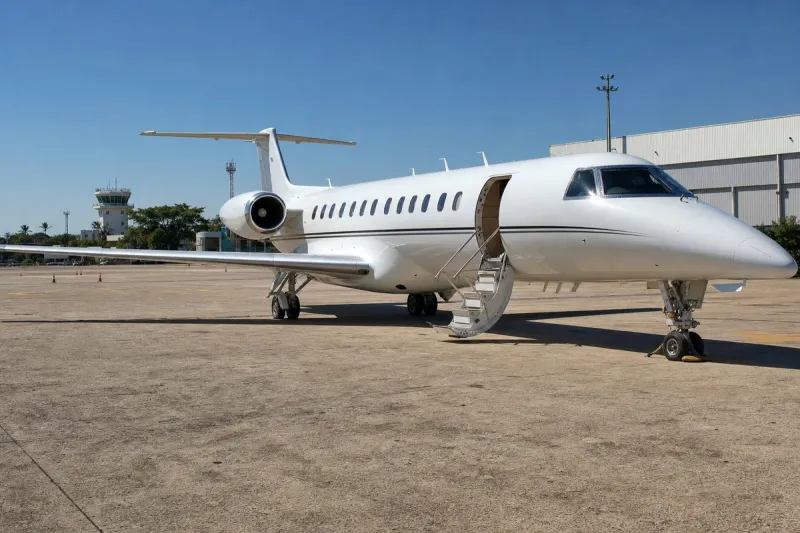
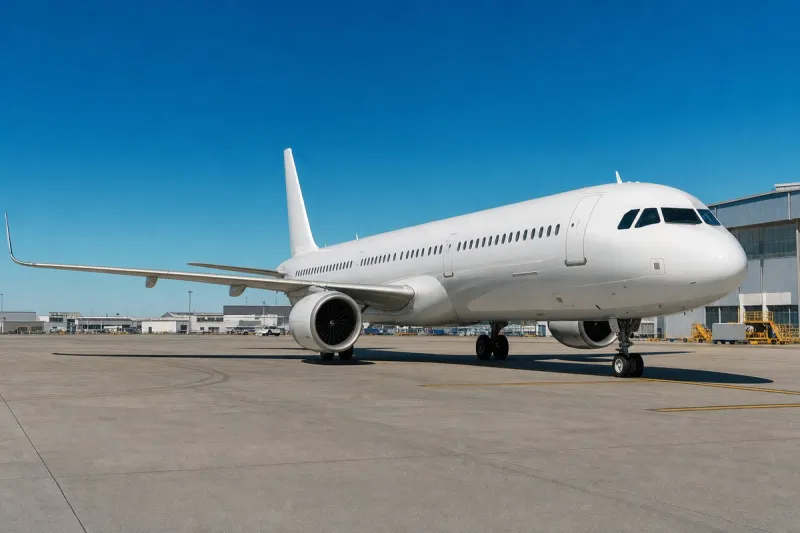
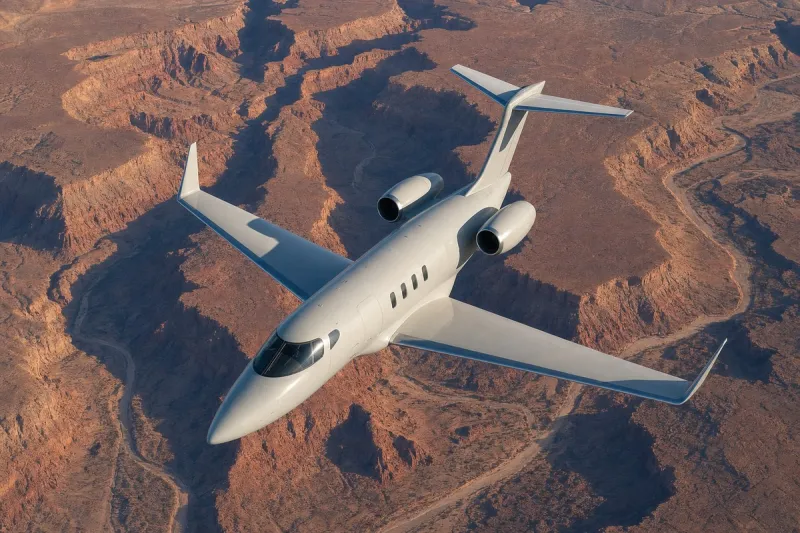
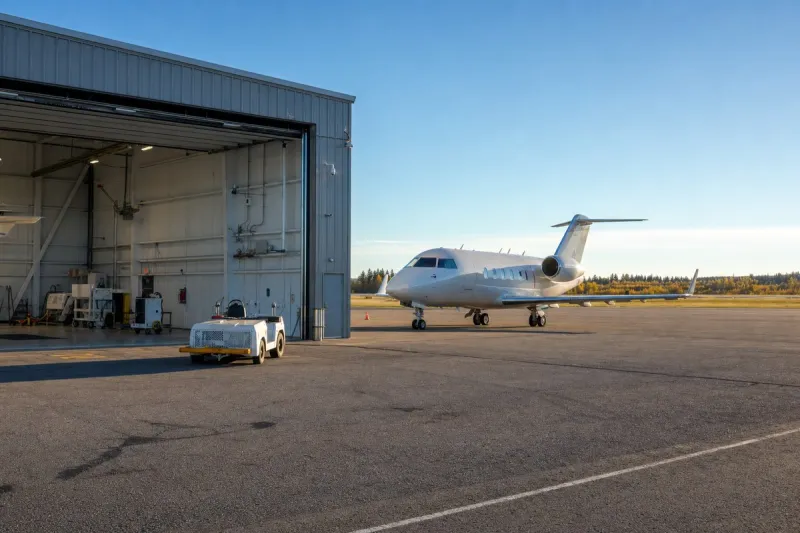
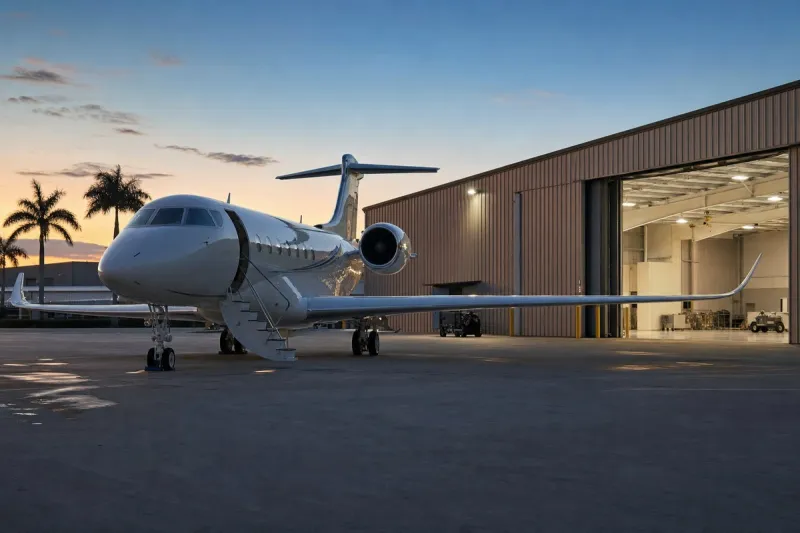
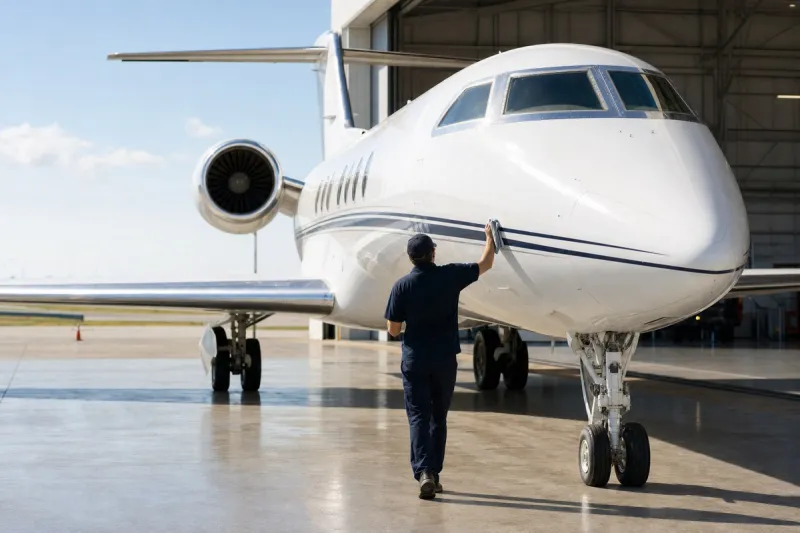
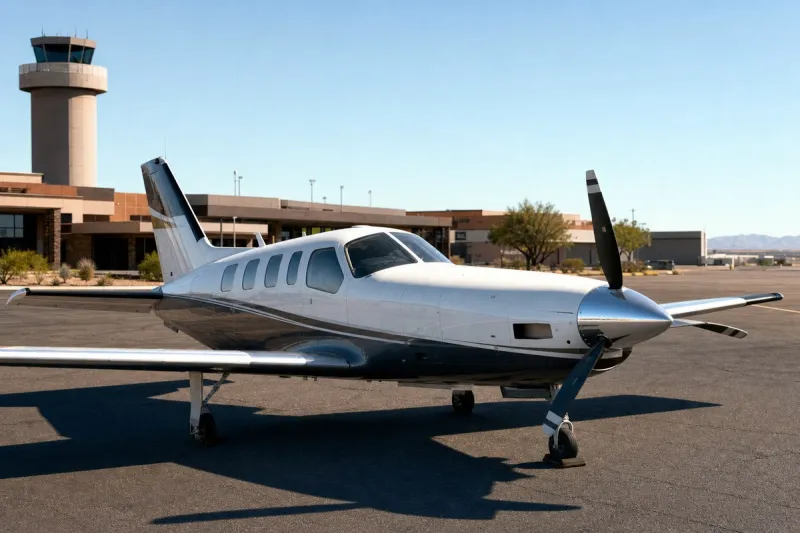
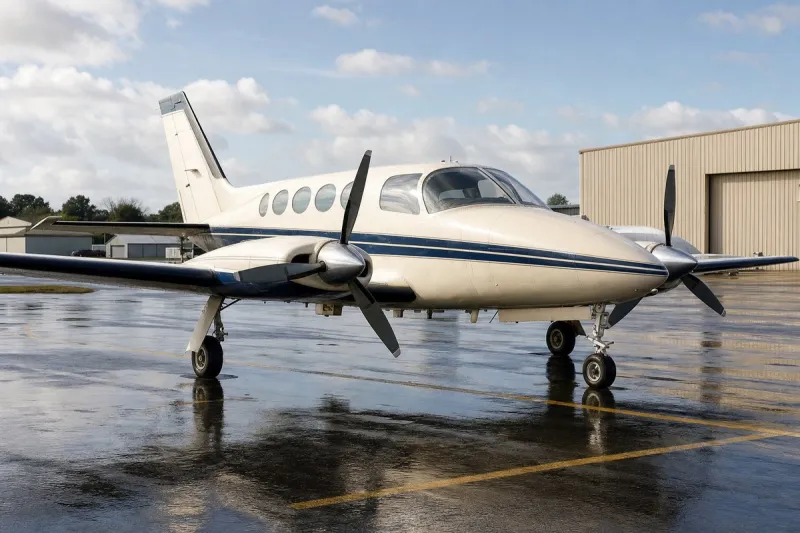
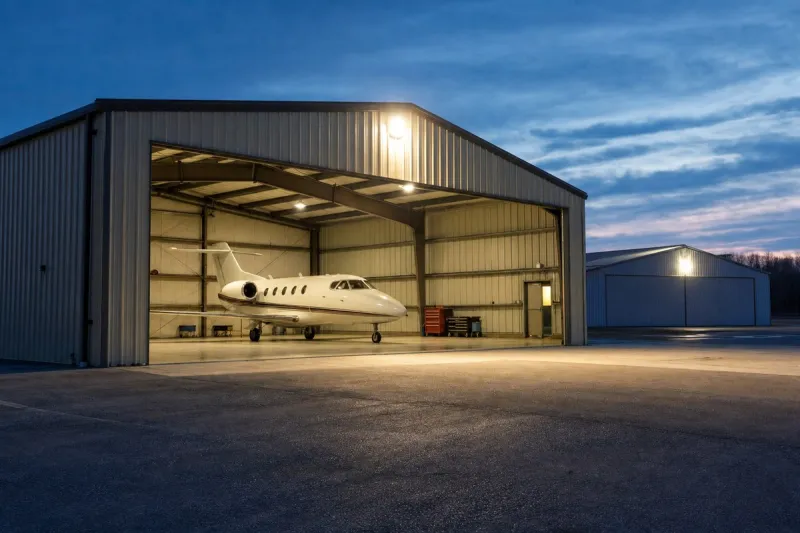
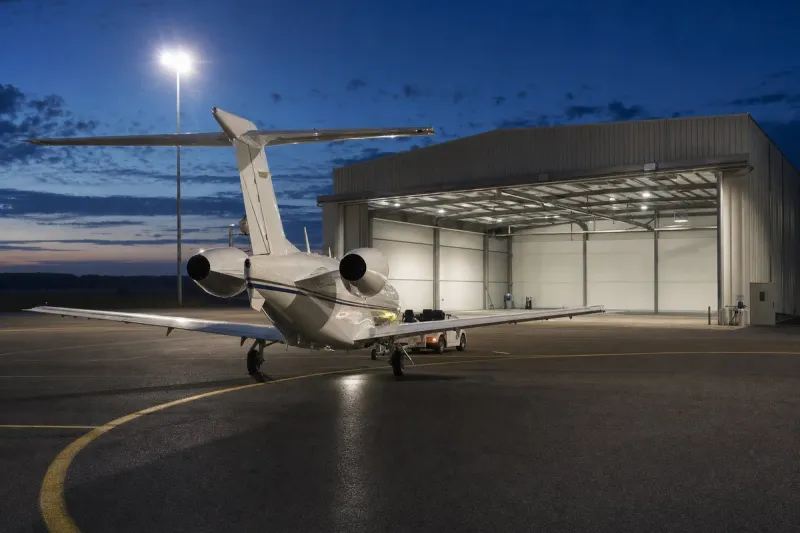
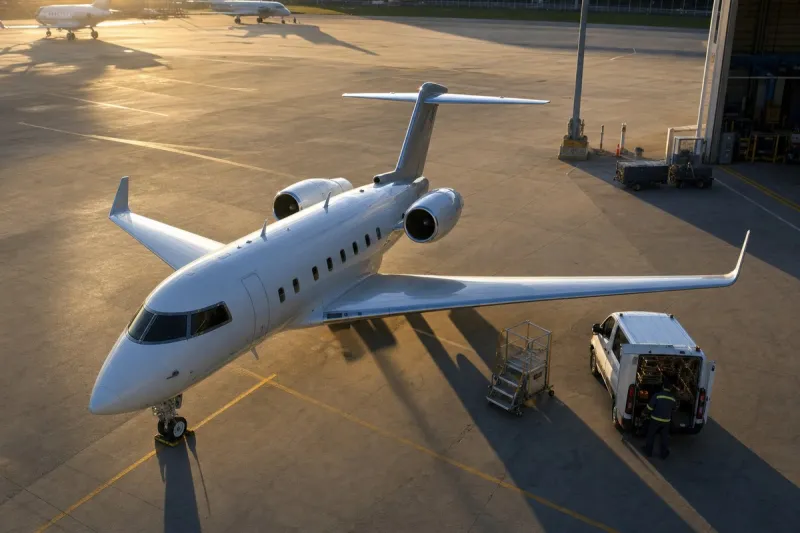
KnightHawk Engineering, Inc. (KHE), a Texas-based company, contributes its aircraft and pilots to Angel Flight South Central, a nonprofit that coordinates free air transportation for people needing medical treatment and other humanitarian services. KHE uses its company aviation resources to transport passengers from remote communities across Texas, Louisiana, Arkansas and Oklahoma to the Houston medical community for specialized care.
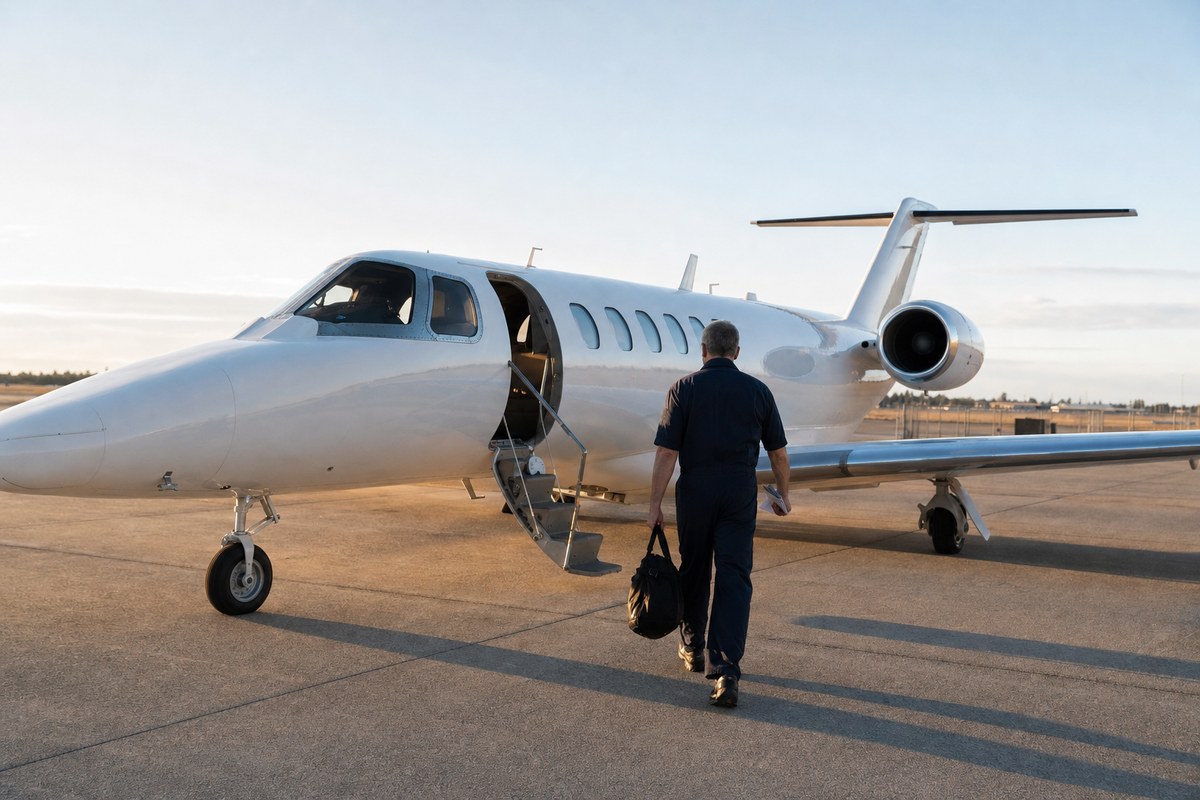
Angel Flight South Central serves a five-state region covering Texas, Louisiana, Arkansas, Oklahoma, and New Mexico, coordinating flights through a network of volunteer pilots who donate their time, aircraft, and the cost of their flights. The organization provides free air transportation for ambulatory passengers traveling for non-emergency medical treatment, surgeries, and critical-care appointments, while also supporting humanitarian missions.
"At KnightHawk, we believe you use the resources God has blessed you with to help other people," said Cliff Knight, CEO of KnightHawk Engineering, Inc. "If our airplane and our pilots can help someone get to the medical care they need, that is a flight worth making."
Industry impact & what to watch
Angel Flight South Central's model depends entirely on volunteer contributors like KHE donating aircraft, pilot time and flight costs, with no fare charged to patients. Private aviation in this role shortens travel for patients weakened by treatment, replaces long car journeys or transfers through distant commercial airports, and limits exposure to crowds for passengers with compromised immune systems.
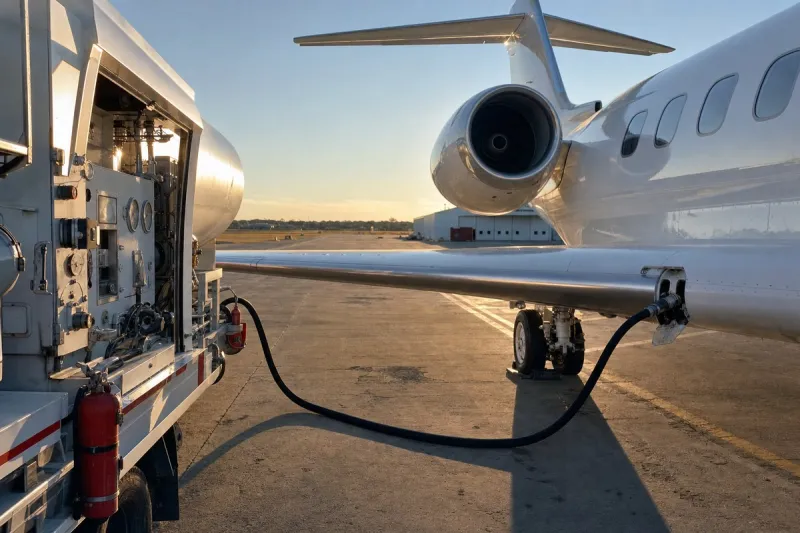
This kind of corporate-donated lift depends on the continued willingness of individual operators to absorb the direct cost of each flight, since the network itself owns no aircraft and coordinates rather than funds the missions. Whether KHE's involvement grows alongside demand from the five-state region will depend on how many other operators step forward with similar aircraft and crew commitments.