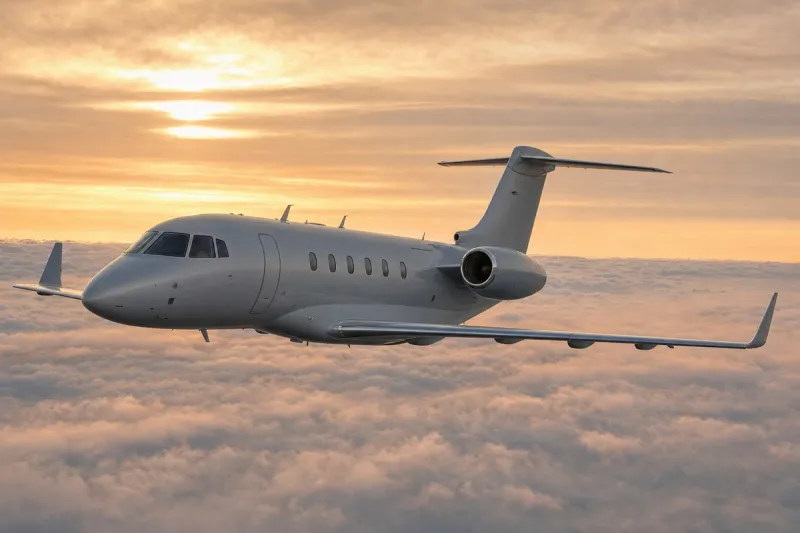
Modern Cockpits and Electric Trainers Reshape Flight Training, With Beta Technologies Leading the Way
Why It MattersElectric trainers, unified certification standards, and the MOSAIC rule together signal a structural shift in flight-training fleets, costs, and pilot-certification pathways across general aviation.
Flight training is being reshaped by modernized cockpits, electric aircraft, and new regulatory frameworks, developments showcased at Beta Technologies' inaugural media day in Burlington, Vermont. The company's all-electric Alia CX300 features a console with a thumb dial for speed and climb-rate adjustment, digital touchscreens, and a four-axis joystick at each front seat, controls simple enough for an inexperienced passenger to briefly handle basic maneuvers. Beta offers free flight training to all employees, and as of June, approximately 700 employees were learning to fly, according to Noah Ranallo, who leads the company's standards and evaluation for Alia training.
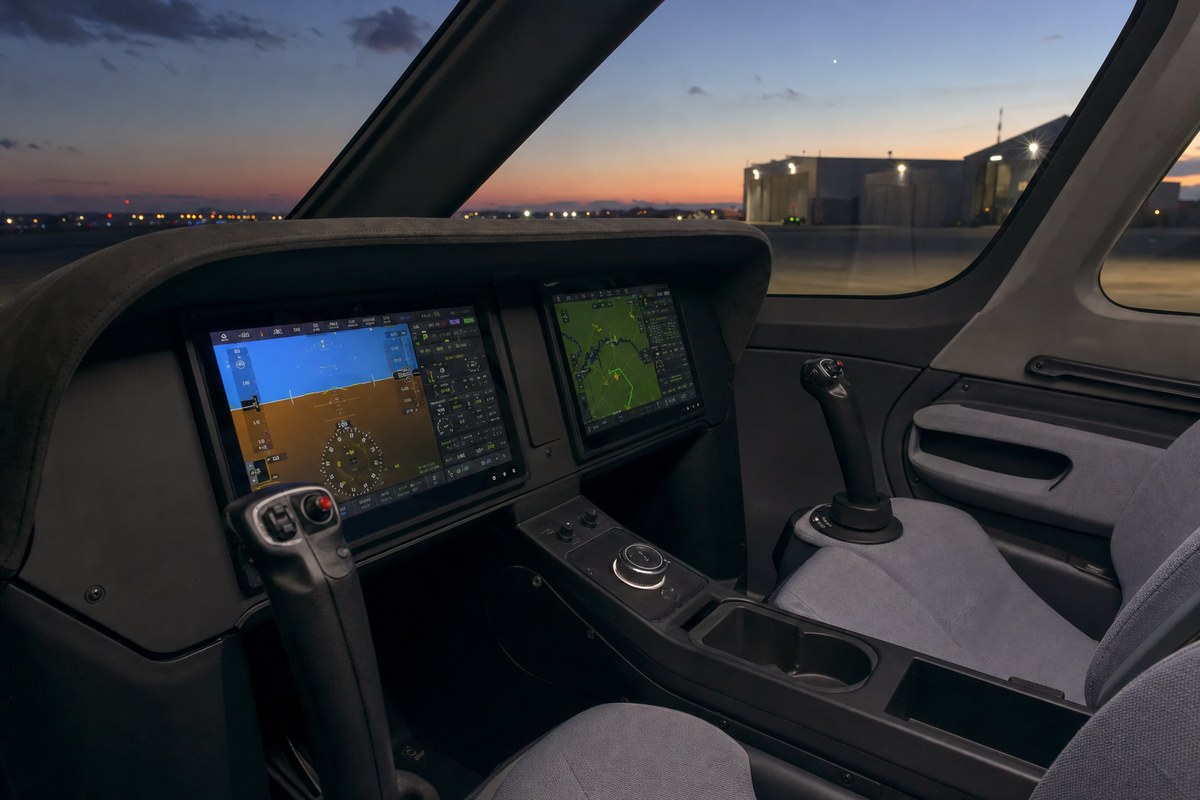
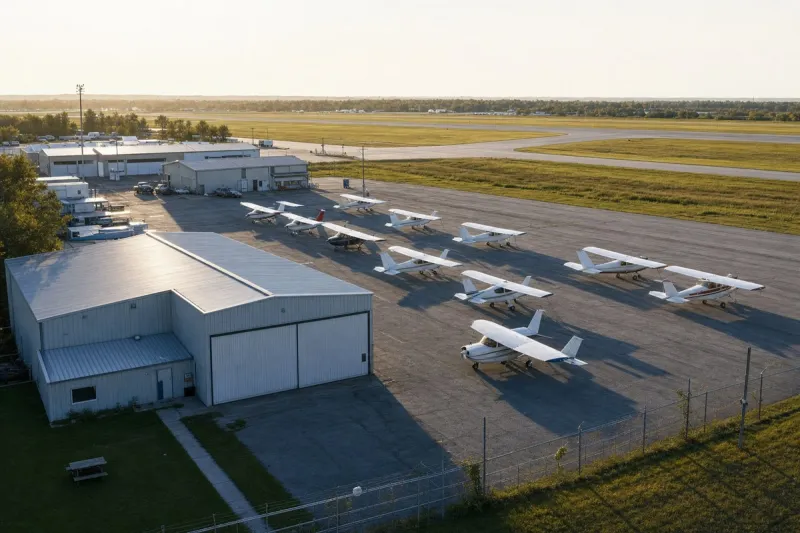
Some trainees have joined Beta's CX300 demonstration team, and a few have gone on to fly professionally, including pilot Brian Jenkins, who joined with no prior flight experience and within four years earned a private pilot certification, instrument rating, commercial certifications for fixed-wing and rotorcraft, and a seaplane rating. Beta's Burlington training fleet currently includes five Pipistrel Velis Electros, four Pipistrel Alphas, a Cessna 172 Skyhawk, a Diamond DA-40, a Cessna 182, and several tailwheel aircraft, expanded from a previous fleet of two or three Cessna 172 Skyhawks with analog gauges and an Enstrom helicopter.
Across the industry, top-tier flight schools are increasingly adopting next-generation electric trainers, with leading schools now operating a 1-to-4 ratio of Velis Electros to internal-combustion trainers, according to FLYING Finance's 2026 fleet school buyer's guide. The Velis Electro, the world's only type-certified electric trainer, has an estimated hourly operating cost of $7, and FLYING Finance estimates a school running five next-generation trainers versus five legacy models saves approximately $300,000 in fuel costs over a 2,000-hour time-between-overhauls cycle.
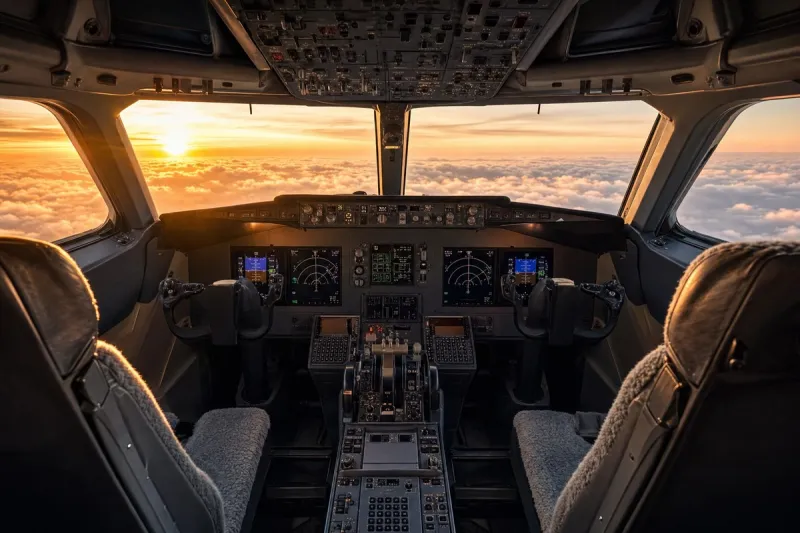
Jens Hennig, vice president of operations, safety, and security for the General Aviation Manufacturers Association, said glass cockpits introduced in the early 2000s were the prior major technological shift, which led to the creation of the Airman Certification Standards unifying roughly 80 fragmented practical test standards. The FAA's Modernization of Special Airworthiness Certification rule, which took effect in July, is viewed as the next major shift, eliminating the 1,320-pound light sport aircraft weight limit and permitting electric powerplants and simplified flight controls.