Jet Aviation Breaks Ground on Two New Hangars at Seletar Airport, Singapore
Why It MattersAdding hangar space for ultra-long-range jets at its Asia-Pacific base shows maintenance capacity being built ahead of regional fleet growth, with government programs and India emerging as the next demand pools.
What happened
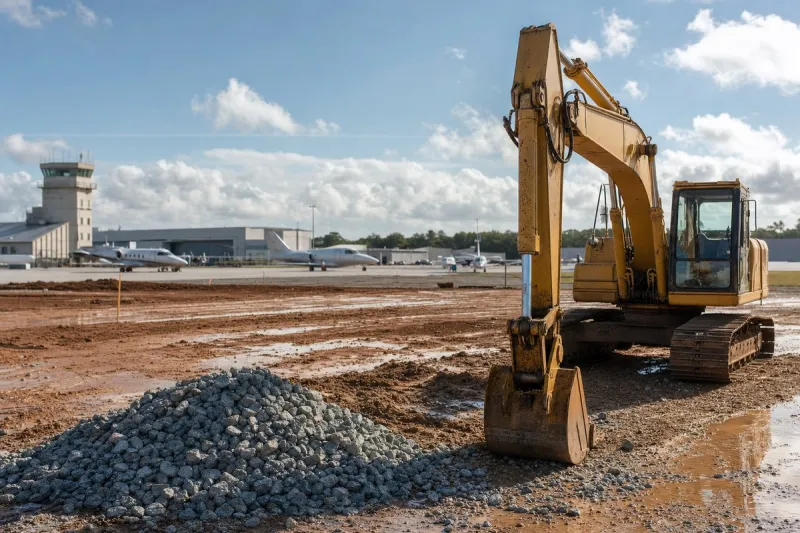
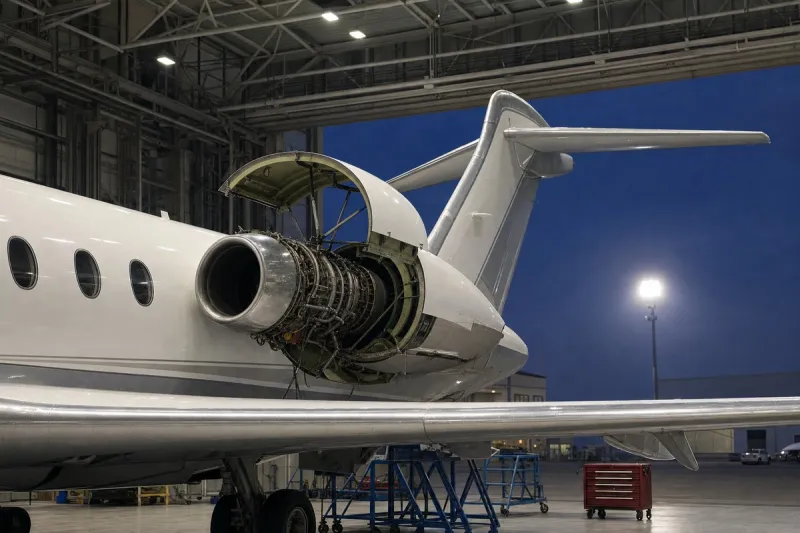
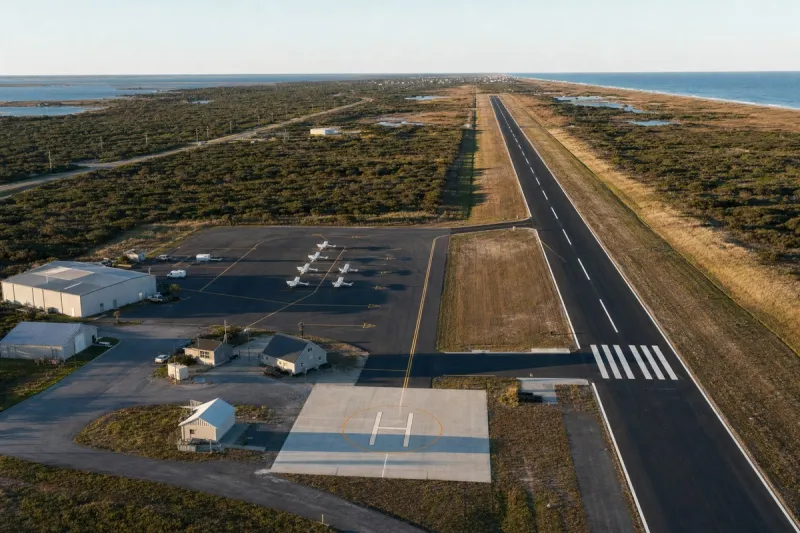
Jet Aviation has broken ground on an expansion at Seletar Airport in Singapore that will add two hangars and raise its maintenance, repair and overhaul (MRO) capacity by around 50% when completed.

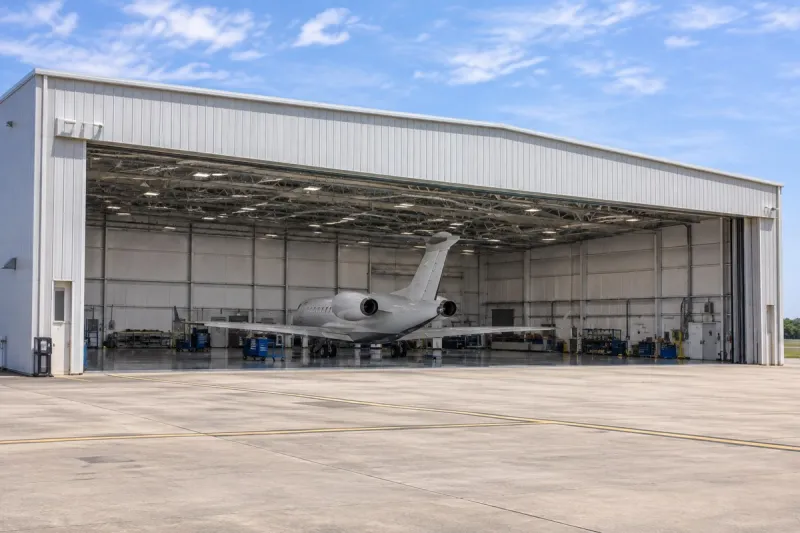
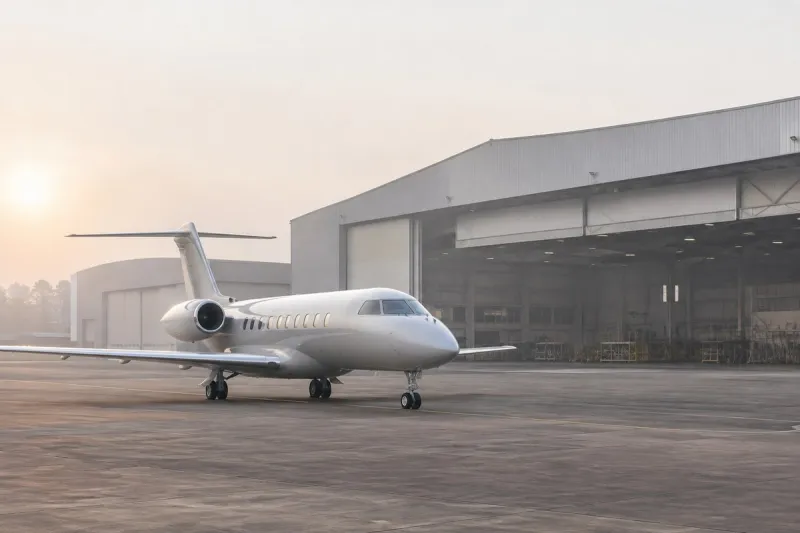
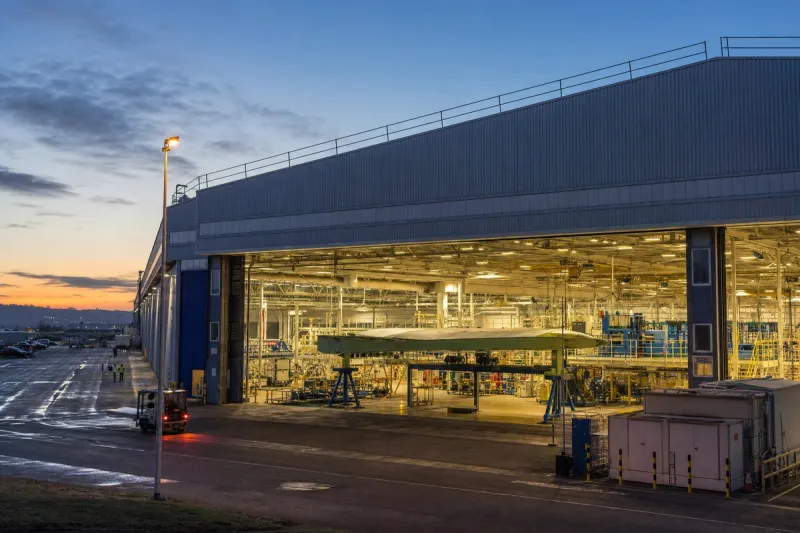
The centerpiece is a new 7,500-m2 (81,000-ft.2) hangar on a site opposite the company's existing facility, able to accommodate up to seven ultra-long-range business jets. A new four-story building will also be built to consolidate the company's regional functions at its Asia-Pacific headquarters. The existing site will be expanded with an additional 2,500-m2 hangar providing space for two large business jets.
The expansion is scheduled for completion in the first quarter of 2028. It will increase Jet Aviation's total footprint at Seletar by 25,000 m2 to 80,000 m2 and create around 150 new positions.
CEO Jeremie Caillet told Aviation Week that, beyond its existing maintenance and cabin-interior capabilities, the company sees opportunities to expand its government programs business, a growing segment in the region. He said the Singapore expansion reflects the potential of the business aviation fleet in Asia-Pacific, and that the company is also looking at emerging markets such as India, including the possibility of offering line maintenance services there.
Industry impact & what to watch
Heavy-maintenance capacity for large-cabin jets is built in advance of demand, because hangar space and trained staff take years to put in place. A hangar sized for ultra-long-range aircraft, with completion set for the first quarter of 2028, shows a bet on the regional fleet continuing to grow rather than a response to a current shortage.
Caillet's remarks point to two directions beyond the core business. Government programs are described as a growing segment in the region, and India is named as an emerging market where line maintenance could be offered. Line maintenance needs far less infrastructure than a hangar, which makes it a lower-commitment way to test a new market.
The next milestones are the construction of the two hangars and the four-story regional headquarters building, and any decision on line maintenance in India. Caillet's own framing is that the company will evolve depending on what customers ask for and where they want support.