ACTSI more than doubles MRO capacity at Subic Bay with new 7,000-sqm Hangar B
Why It MattersExpansion at a regional MRO base such as Subic Bay signals that Asia-Pacific private jet demand is pulling heavy maintenance and warranty-backed service capacity closer to where large-cabin fleets operate.
What happened
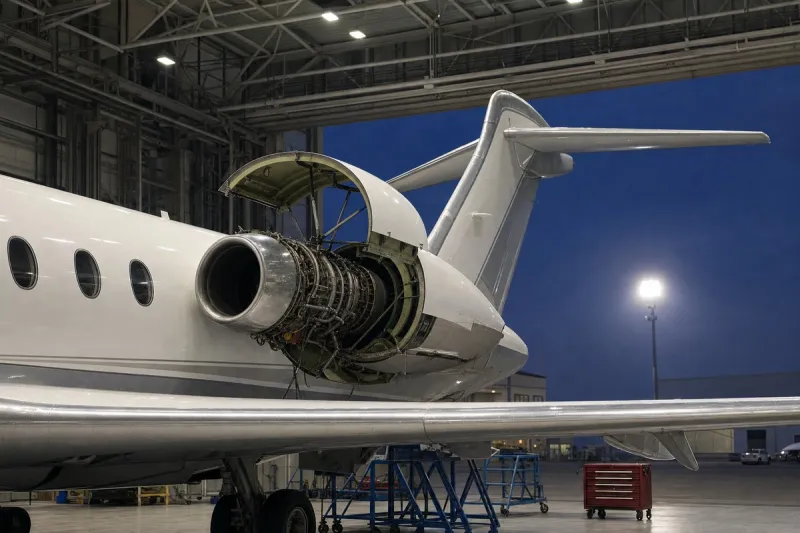
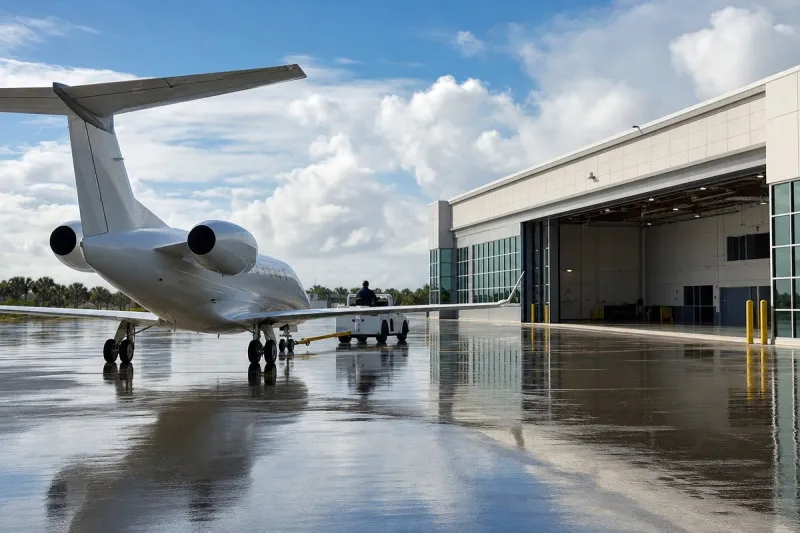
ACTSI has more than doubled its maintenance and hangarage capacity at Subic Bay International Airport, citing growing demand for private jet services across the Asia-Pacific region. The company inaugurated a new 7,000-square-meter Hangar B, which lifts its maintenance, repair and overhaul (MRO) footprint from 5,600 to 12,600 square meters.
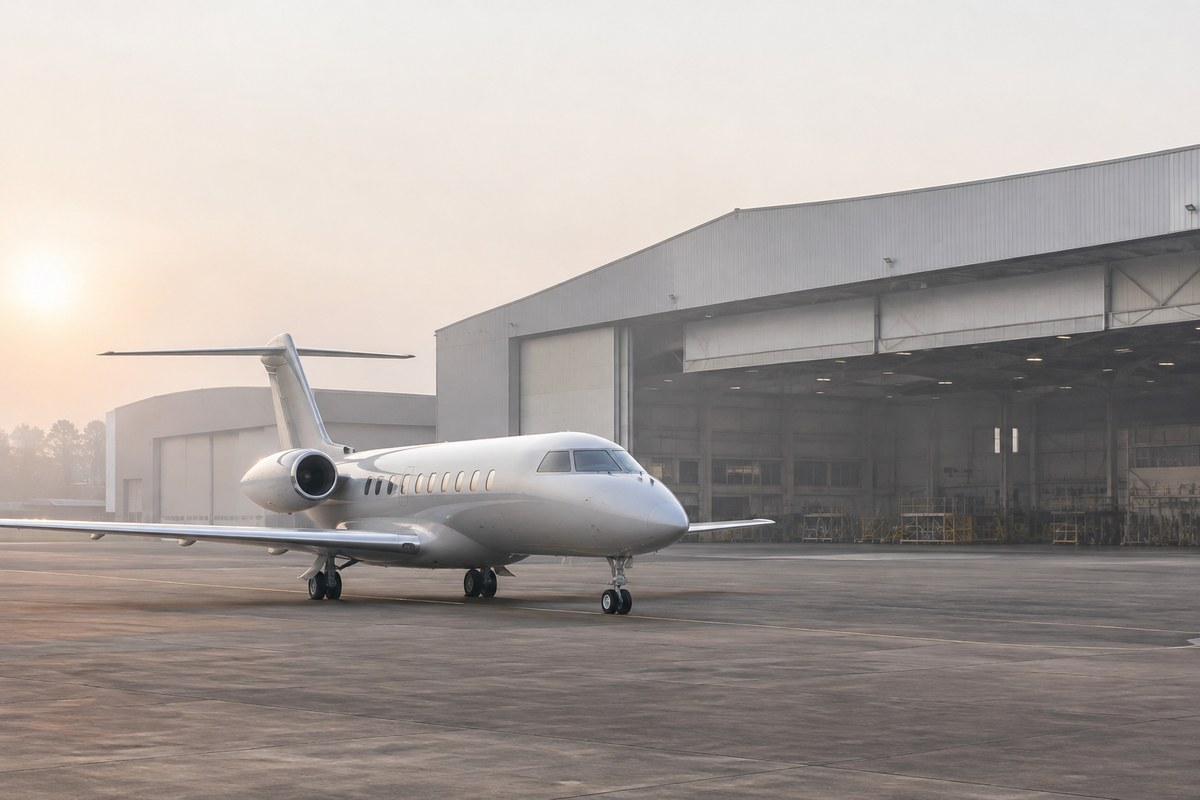
The facility lets ACTSI service up to 10 ultra-long-range business jets or 12 mixed large-cabin aircraft at the same time, and to take on larger maintenance projects. It was developed with engineering firm Prime BMD and a real estate services provider.
ACTSI was established in 2010 and acquired by Razon & Co. in 2018, and it operates under a 25-year partnership with the Subic Bay Metropolitan Authority (SBMA). President Raul F. Trinidad Jr. said at the inauguration that the company began offering MRO services in 2020, as aviation entered a crisis, and had to establish itself during a pandemic, building its customer base aircraft by aircraft and relationship by relationship.
ACTSI is an authorized warranty repair facility for Gulfstream, an authorized dealer for Honeywell and a commercial partner for Adept Aviation. Earlier this month, Gogo Business Aviation authorized it to market, sell and install its inflight connectivity systems across the Asia-Pacific region. Trinidad said the company plans to broaden its technical capabilities, strengthen industry partnerships and invest in local aviation talent as plans to modernize Subic Bay International Airport move forward.
Industry impact & what to watch
Heavy maintenance for large-cabin and ultra-long-range jets has tended to cluster at a limited number of established bases, so an operator flying in Asia-Pacific often faces positioning legs to reach a qualified shop. A facility that can hold ten ultra-long-range aircraft at once, backed by an OEM warranty authorization, is the kind of capacity that shortens those legs and gives regional fleets another credible option for scheduled and project-scale work.
The pairing of hangar space with dealer and installation authorizations matters as much as the square meters. Warranty-recognized repair status and an inflight connectivity installation mandate let one site bundle airframe work, avionics and cabin upgrades into a single downtime window, which is where MRO economics for owners and charter operators are usually decided.
The next milestone is the airport modernization that Trinidad tied to ACTSI's plans, since the pace of that work will shape how much of the new capacity the company can put to use.