Spokane International Airport Closes Main Terminal Curb, Routes Traffic Onto Two-Lane Bypass Expected to Last Until 2030
Why It MattersStaged terminal rebuilds at a busy regional airport push years of curb, baggage-claim and walking-route disruption onto airlines and ground operators while the funded phases are built and later phases await money.
What happened
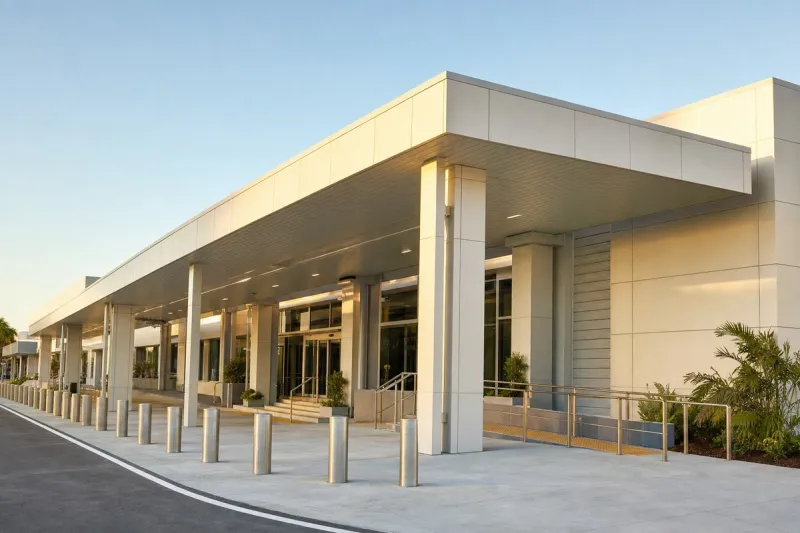
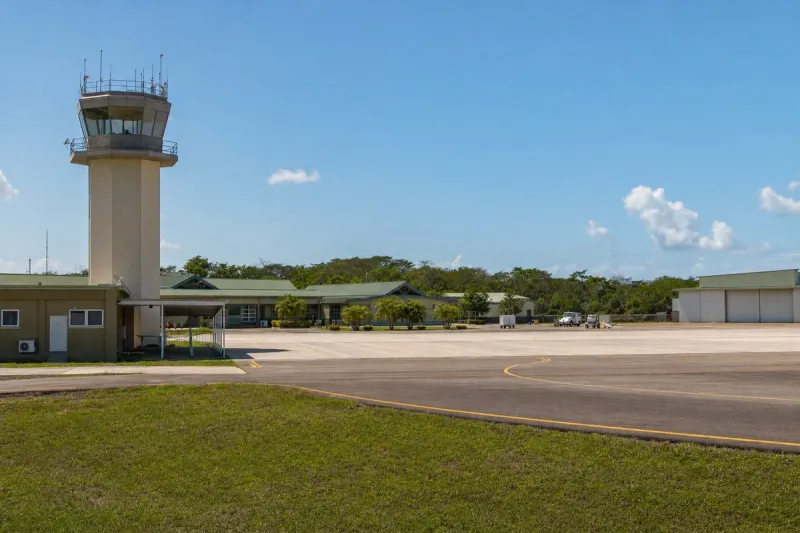
Spokane International Airport (GEG) in Washington State has closed a major part of its main terminal curbside to vehicles and pedestrians so that water, sewer and gas utilities can be relocated. The closure marks the start of Phase 2 of the Terminal Renovation and Expansion (TREX) program. All vehicle traffic now runs along a newly built two-lane bypass road, pedestrians are directed to skybridges, and inbound lanes were reduced from three to two. The arrangement is expected to last until 2030, while the airport says the utility relocation itself will continue until early 2027.
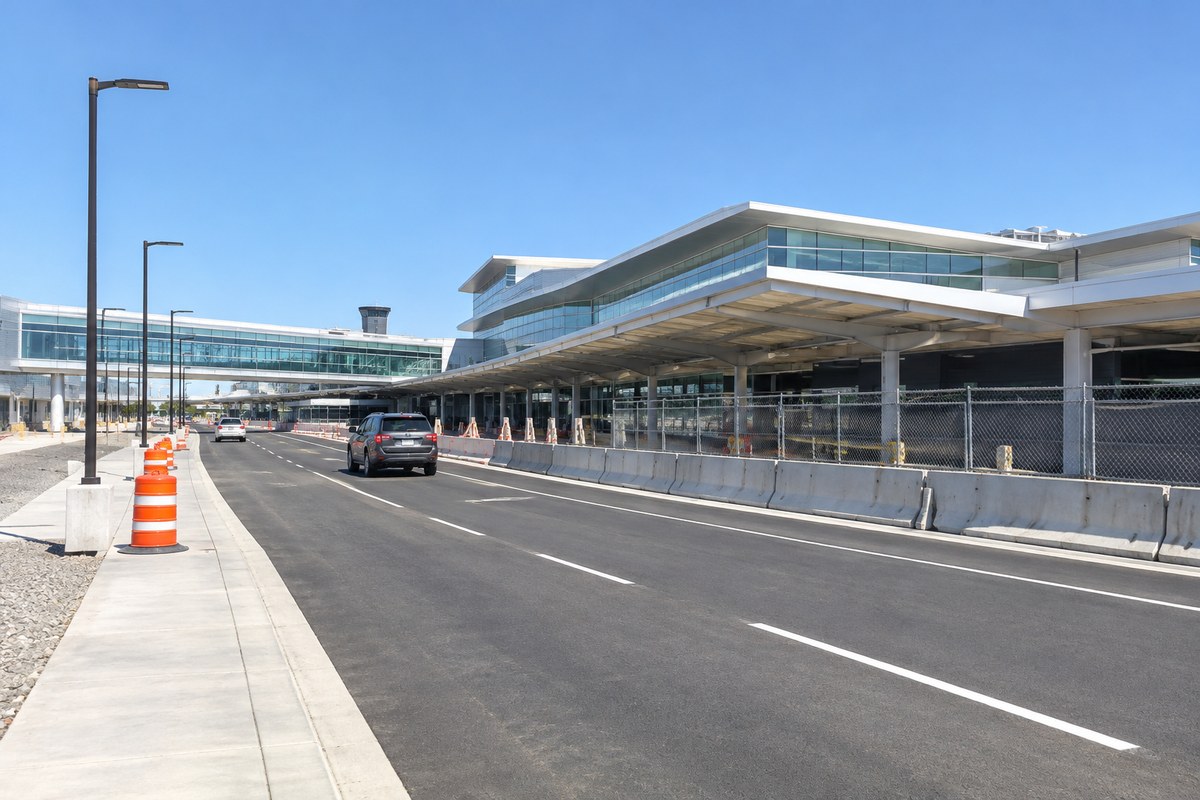
Phase 2, the Central Hall Project, will create a 255,000-square-foot centralized facility at the heart of the airport, consolidating baggage claim areas, security screening and access to concessions. Workers began demolishing a 149,000-square-foot area, spanning from the Concourse C parking garage to the Concourse A and B skybridges, in April. The paid hourly parking lot has been eliminated, and a new Short-Term Parking Lot on the garage's first floor is recommended for visits under two hours. Drop-off remains possible at sections of the terminal curb.
From February 2027, the existing Concourse C baggage claim will be decommissioned and demolished. Passengers arriving on American, Allegiant and Alaska will use an interim baggage claim facility in the Concourse C Plaza, which is to remain in place through 2030. A shuttle running every 15 minutes will add a stop between the temporary claim area and the Ground Transportation Center. The hallway connecting the main terminal and the Concourse C ticketing area is also scheduled for demolition after February 2027, with a temporary pedestrian pathway used instead, potentially until 2030.
Phase 1 of TREX, the Concourse C Expansion, has been completed. It added 144,000 square feet, three new gates, six new ticket counters, an Interfaith Prayer and Meditation Room, a Nursing Room and an Alaska Airlines Lounge of more than 41,000 square feet. The airport lists the cost of Phase 1 at $150 million and Phase 2 at $335 million. Only Phases 1 and 2 are currently funded; further phases, which could modernize Concourses A and B, depend on funding.
When finished, the Central Hall will feature a consolidated TSA security checkpoint for all airlines and connect to Concourses A, B and C. Preliminary baggage-handling designs show four carousels with space for a fifth and eight inbound baggage-loading piers. Airport CEO Dave Haring said this phase gives passengers the chance to see and experience the airport's transformation in real time.
Traffic context
Spokane is the second-busiest airport in Washington State after Seattle–Tacoma International Airport. It is projected to reach more than 6.2 million passengers by 2030, up from a 2019 pre-pandemic high of 4.11 million, which it has since surpassed.
The airport has no international passenger flights, though it has a CBP port-of-entry office for general aviation.
Industry impact & what to watch
Rebuilding a terminal while it stays open means the disruption is spread across years instead of a single closure. At Spokane, the curb reconfiguration, the interim baggage claim and the temporary walkway are all planned to persist until 2030, so the airport's ground-side flow will run in a compromised state for most of the construction period. For airlines, ground handlers and anyone moving passengers or crews through the terminal, that is a multi-year operating condition rather than a short-term inconvenience, and baggage-delivery and curb-to-gate timing become the places where the effect shows up first.
The funding structure also shapes how far the project goes. Only Phases 1 and 2 are funded at $150 million and $335 million, and any modernization of Concourses A and B depends on money that has not yet been secured. A consolidated checkpoint and a larger baggage hall are sized for the passenger growth the airport projects, but the later phases are what would determine how fully the rest of the terminal keeps pace with it.
The nearest dated milestone is February 2027, when the Concourse C baggage claim is decommissioned and the interim facility takes over, followed by the end of the utility relocation in early 2027. How smoothly that handover runs for the three airlines affected is the first concrete test of the phased approach.