EU261 Strike Disruption: Cash Compensation May Fall Away, but Refund, Re-routing and Care Duties Remain
Why It MattersThe case shows EU261 splits strike exposure in two: Article 5(3) can excuse airlines from cash compensation, but refund, re-routing and care duties persist, so disruption costs cannot be fully shed.
What happened
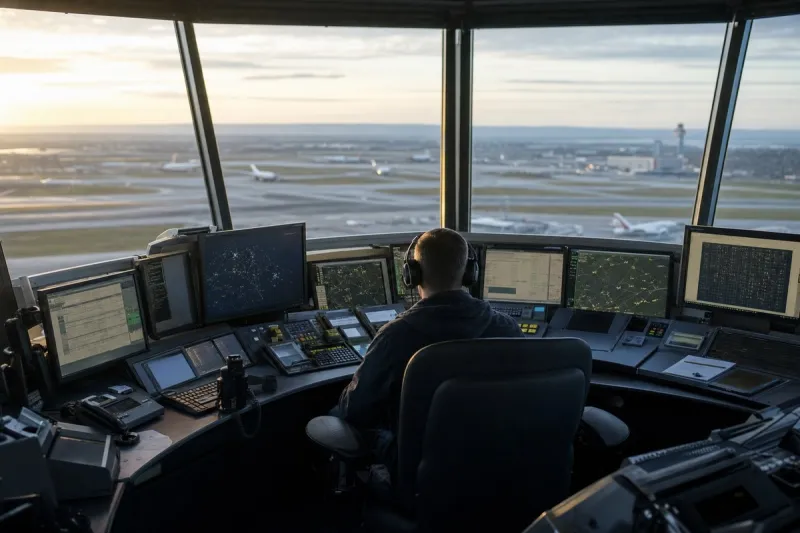
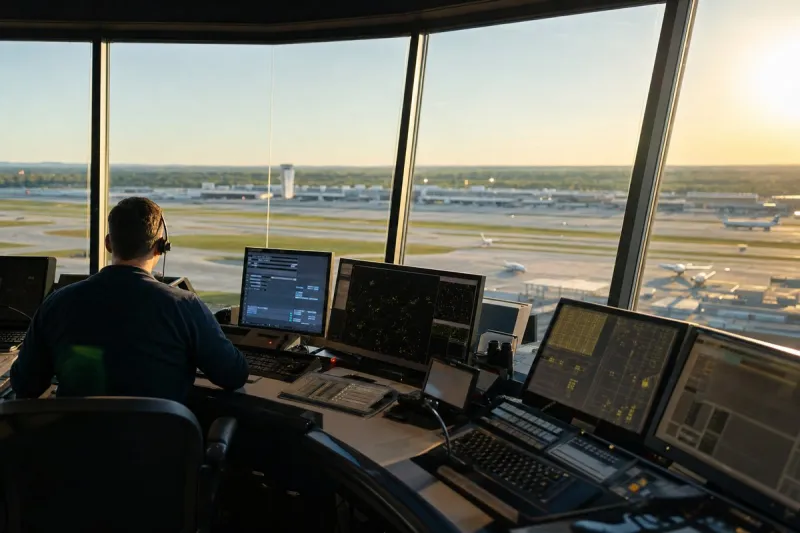
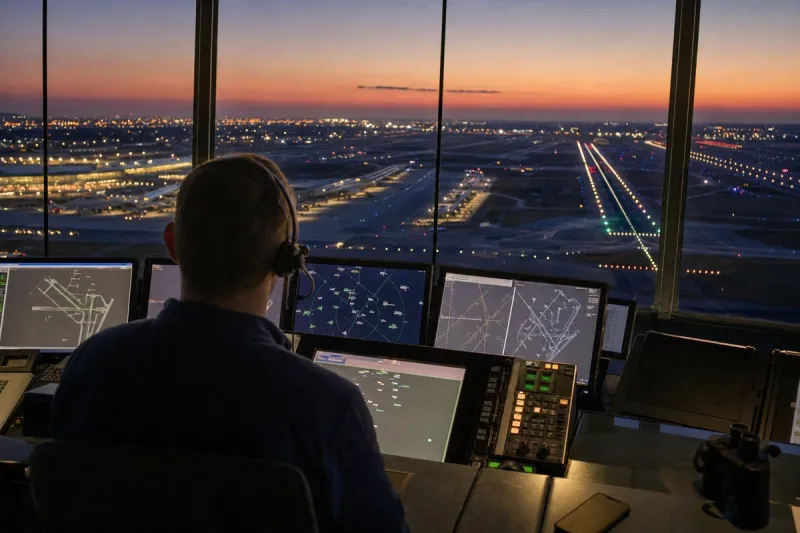
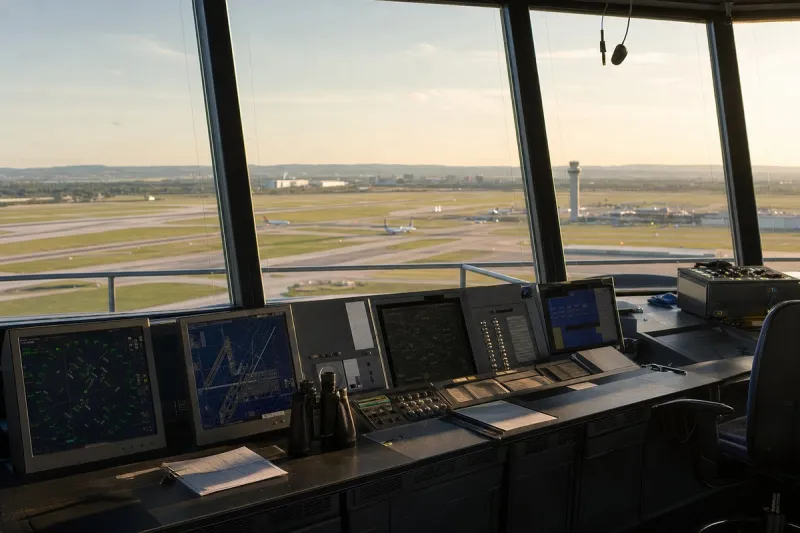
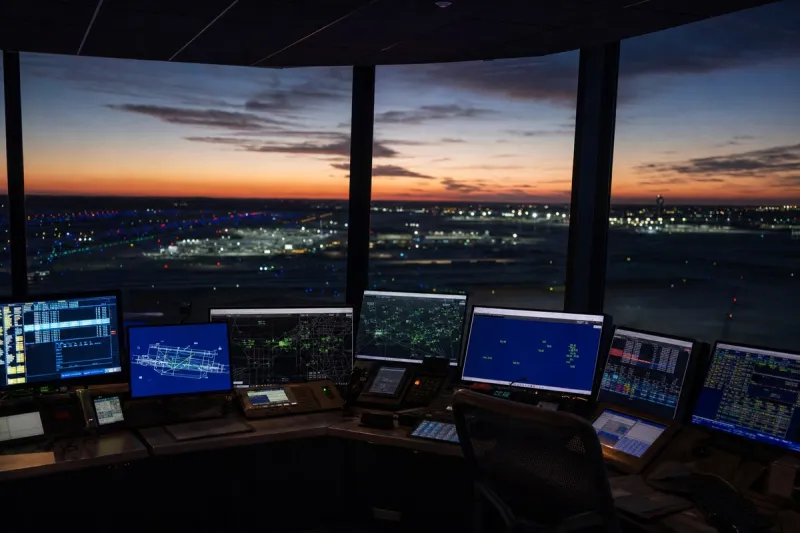
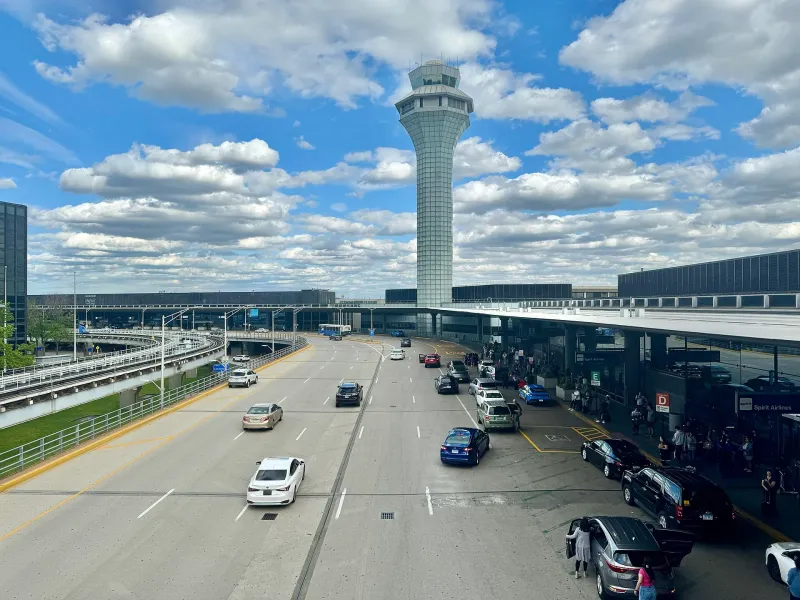
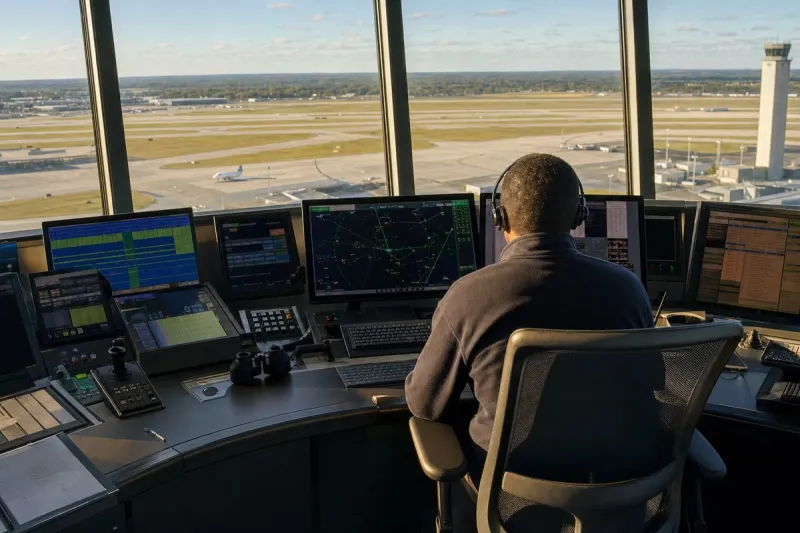
A national day of action in Belgium against government austerity plans took enough air traffic controllers out of the operations room that Skeyes, the country's air navigation service provider, could not run a normal service. Brussels Airport cancelled all departures and arrivals between 07:00 and 21:00 local time on Monday, a closure of fourteen hours.
Under Regulation (EC) No 261/2004 (EU261), passenger rights split into two parts. Compensation under Article 7 is a fixed sum set by distance: EUR 250 for journeys of 1,500 km or less, EUR 400 for intra-EU journeys over 1,500 km and other journeys between 1,500 and 3,500 km, and EUR 600 for everything beyond that. The airline may halve the sum if its re-routing gets the passenger to the destination within two, three or four hours of the original schedule, depending on the band.
Assistance is separate. Article 8 gives a choice between a full refund within seven days and re-routing at the earliest opportunity. Article 9 adds meals and refreshments in reasonable relation to the waiting time, a hotel if a night becomes necessary, transport to and from it, and two phone calls or emails. The extraordinary-circumstances defence in Article 5(3) excuses the airline only from Article 7 compensation, so the refund, re-routing and hotel survive strikes, storms and closed airspace.
Timing of notice matters under Article 5(1)(c). If the passenger is informed at least two weeks before departure, no compensation is due. Between two weeks and seven days, compensation falls away only if the airline offers re-routing departing no more than two hours early and arriving less than four hours late. Inside seven days, the limits are one hour early and two hours late. Both limbs must be met, and under Article 5(4) the burden of proving that and when the passenger was told rests on the airline.
The European Commission's guidelines say recital 14, which mentions strikes affecting an operating carrier, does not automatically exempt airlines and requires case-by-case assessment, interpreted strictly. The test has two cumulative conditions: the event must not be inherent in the carrier's normal activity and must be outside its actual control. Strikes external to the carrier, such as by air traffic controllers or airport staff, may constitute extraordinary circumstances, though the airline must still show it could not have avoided the cancellation by reasonable measures.
Article 6 on delays contains no compensation right; its two-, three- and four-hour thresholds trigger meals and phone calls, a hotel if departure slips to the next day, and a refund at five hours. The rule that arrival three hours late pays the same as a cancellation comes from Court of Justice case law (Sturgeon, confirmed in Folkerts), and the clock that counts is arrival at the final destination.
The United Kingdom retained the regulation with amounts of GBP 220, 350 and 520. The United States has no federal compensation for a cancellation, only an automatic refund under 14 CFR Part 260. Regulation (EU) 2026/2202 applies from 23 October 2027.
Industry impact & what to watch
For carriers, a controller-side strike sits in an unusual place in the EU261 framework. The cash exposure under Article 7 can be argued away as extraordinary circumstances, but only after a case-by-case test the airline must win, and the burden of proof on notice timing stays with it. The costs that cannot be argued away are the operational ones: refunds, re-routing, meals, hotels and transport, owed to every affected passenger on a day when an airport has closed for fourteen hours.
That split changes where disruption planning concentrates. Because the notice windows under Article 5(1)(c) can extinguish compensation entirely, the quality and timing of passenger communication, and a re-routing offer that fits the two-hour and four-hour limits, are worth as much as the strike defence itself. Carriers that cannot evidence when they informed passengers lose the argument by default.
The next dated milestone is Regulation (EU) 2026/2202, which applies from 23 October 2027. Until then, the existing rules, and the strict case-by-case reading the Commission's guidelines call for, govern how days like this one are settled.