Airbus plans new €900 million engine pylon plant at Cornebarrieu near Toulouse airport
Why It MattersPylon output, now concentrated at capacity-limited Toulouse sites, becomes a constraint on rate increases, so Airbus is funding a dedicated plant with a 2037 expansion phase.
What happened
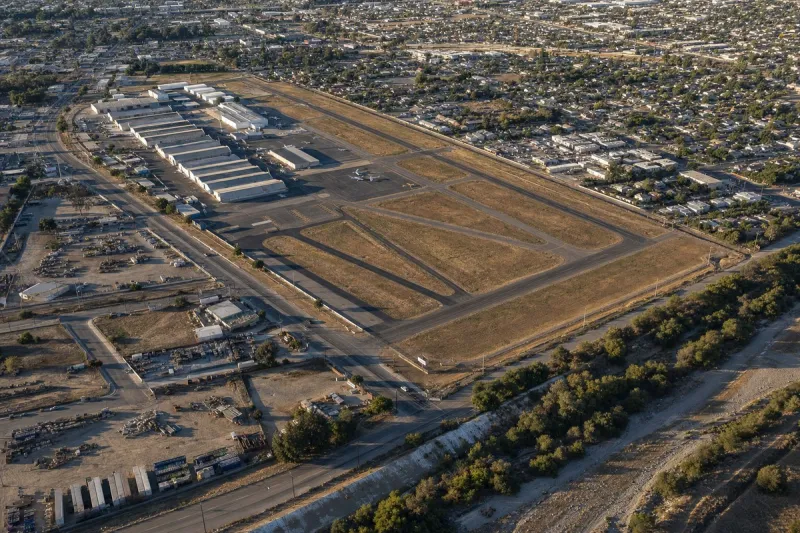
Airbus is seeking to build a new engine pylon plant at Cornebarrieu, just west of Toulouse airport, as part of its effort to ramp up production. A public consultation on the plan is set to begin on 24 November.
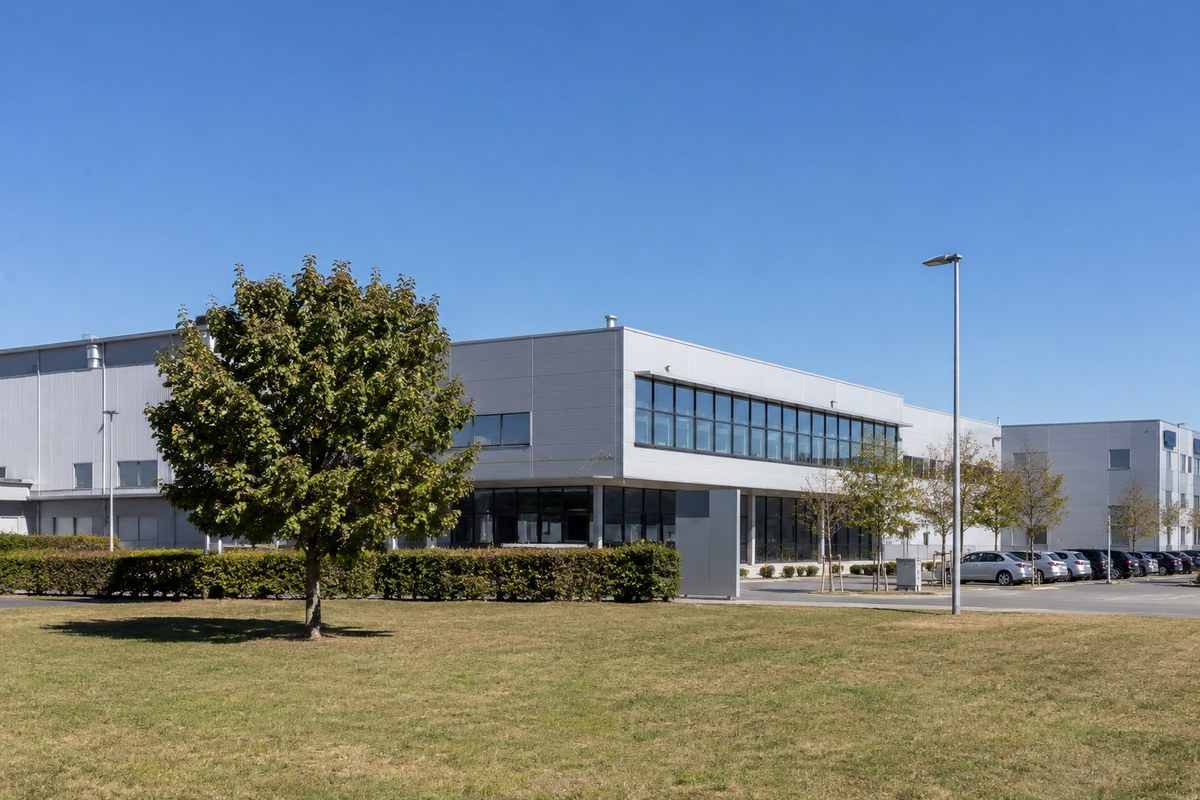
The plant would be built in two phases. Work on the first phase would start in 2029, with operations beginning by 2031; it would reinforce production of basic pylon components and start serial production of potential new pylon designs. A second phase would expand the facility and, from 2037, allow higher production rates, eventually covering all pylons used on Airbus aircraft.
Airbus calls the new plant "Saint-Eloi du futur". It would sit on a 48ha site known as "Barquil 3", with an estimated project cost of €900 million ($980 million). The 260,000m2 plant could accommodate about 3,500 personnel. Production at the current Saint-Eloi site would continue, while work done at the satellite site would probably move "fairly quickly" to the new facility.
Airbus has seven industrial sites in the Toulouse area, including its current pylon manufacturing centre at Saint-Eloi, which was integrated into the Airbus system during development of the A300. A satellite site was established in 2017, and the two together produced more than 1,500 pylons last year. All pylons for Airbus aircraft are made in Toulouse, but Airbus says these facilities have reached their capacity limit and cannot expand further. It considered expanding existing sites, notably the Jean-Luc Lagardere site that formerly hosted A380 final assembly.
Why Airbus is building now
The new plant is intended to support planned production increases as Airbus looks toward delivering more than 1,000 aircraft annually by 2040.
Airbus said it must both innovate and develop its industrial capabilities and infrastructure to remain competitive globally and secure its market share, noting that its 20-year forecast to 2045 predicts demand for over 42,000 new aircraft.
Industry impact & what to watch
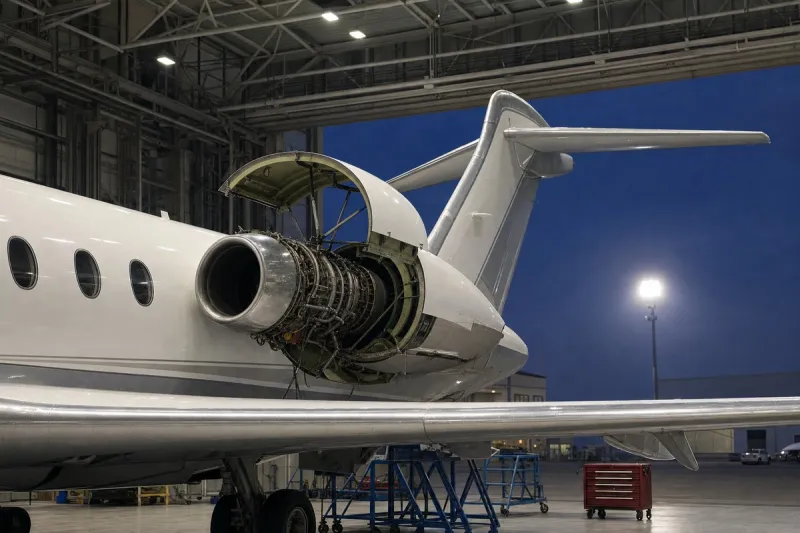
Engine pylons are a single-location item for Airbus: every pylon on its aircraft is made in Toulouse, and the existing sites are at their capacity limit. A component with that profile can cap how fast final assembly lines rise, which is why a dedicated plant sits alongside the rate targets rather than behind them.
The phasing shows how long the lead time is. Work starts in 2029, operations begin by 2031, and the higher rates tied to the second phase come only from 2037. Capacity decisions for the 2040 delivery ambition are therefore being made well over a decade ahead, and suppliers and regional planners tied to the Toulouse cluster are likely to read the site choice as a signal of where Airbus intends to keep concentrating its work.
The first marker is the public consultation opening on 24 November, which will test the Cornebarrieu site and the €900 million project before the 2029 construction start.