Texas Business Aviation Booms as Hangar Space Tightens, Aircraft Fleet Surpasses 12% of US Total
Why It MattersAs corporate relocations concentrate business aviation demand in fast-growing states, hangar and maintenance capacity rather than aircraft supply is becoming the binding constraint on purchasing decisions.
What happened
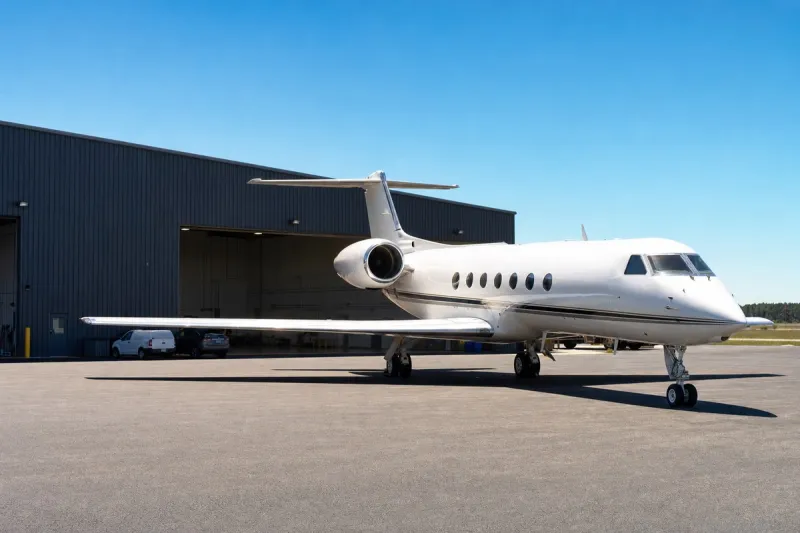
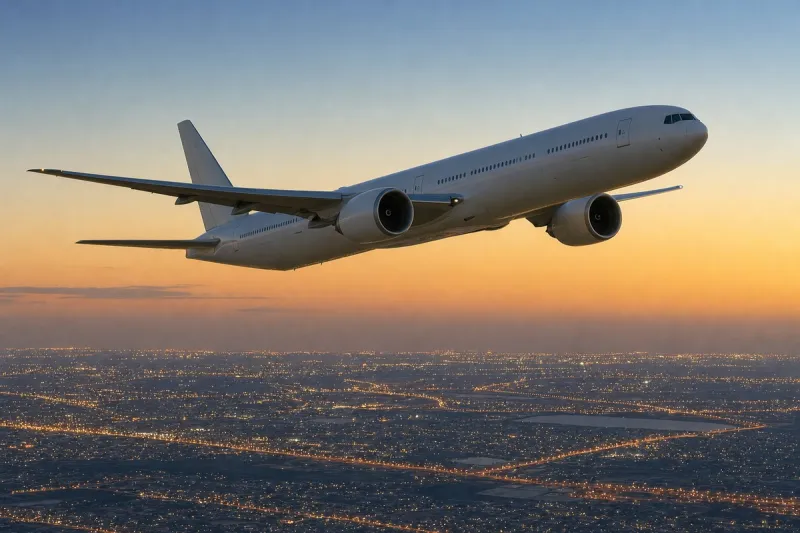
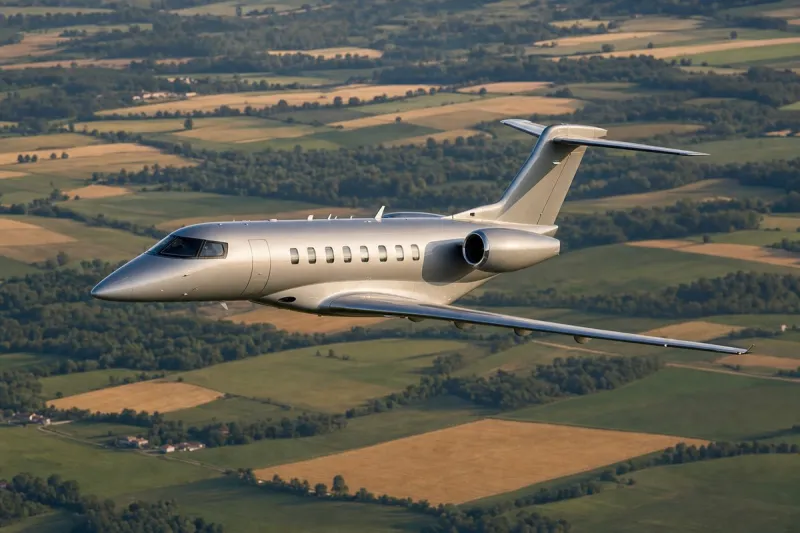
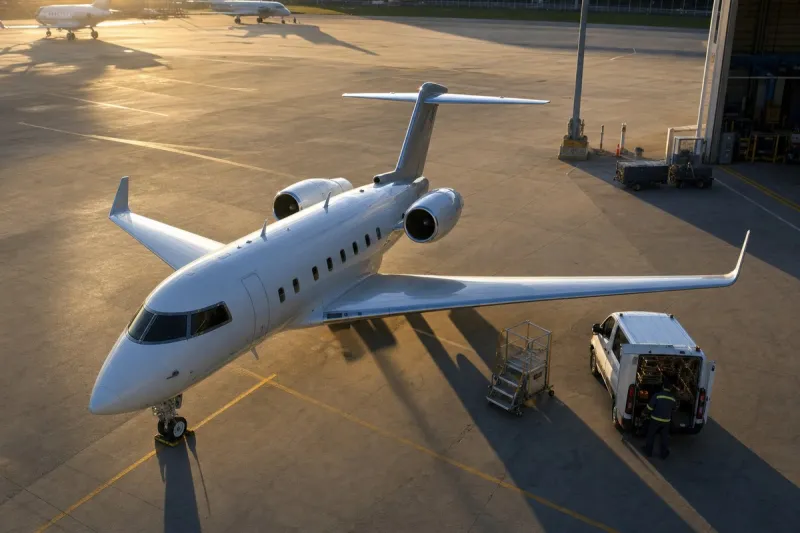
The number of business aircraft based in Texas grew by 226 between 2021 and 2026, according to Jetcraft, bringing the state's total to more than 12% of the US business aviation fleet — the second-largest share of any state after Florida. Over the same five years, 187 more aircraft moved into Texas than left it.
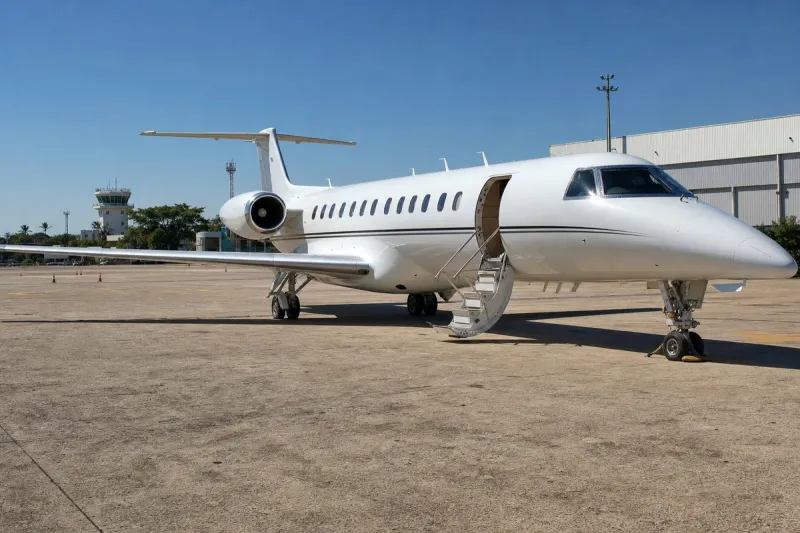
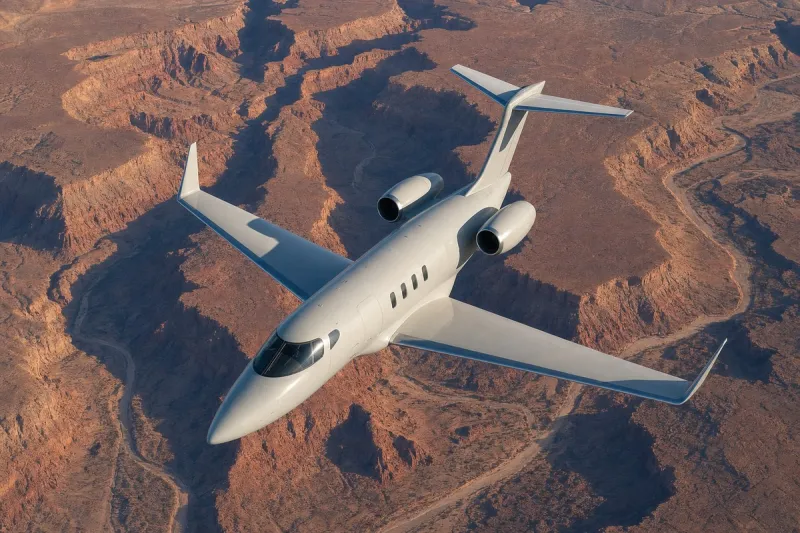
In Dallas, half of all aircraft delivered since 2021 have been heavy jets, compared with around a quarter in Houston and less than a fifth in Austin. More than a third of journeys made by Texas-based aircraft are flown within the state itself.
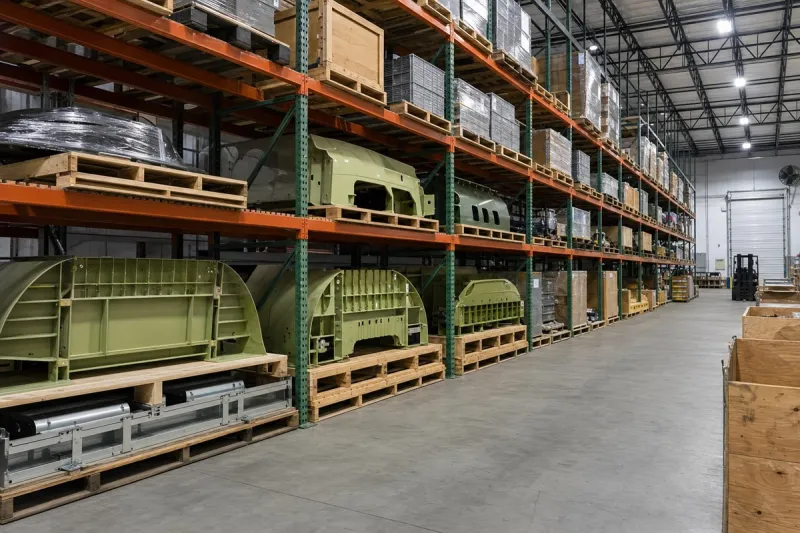
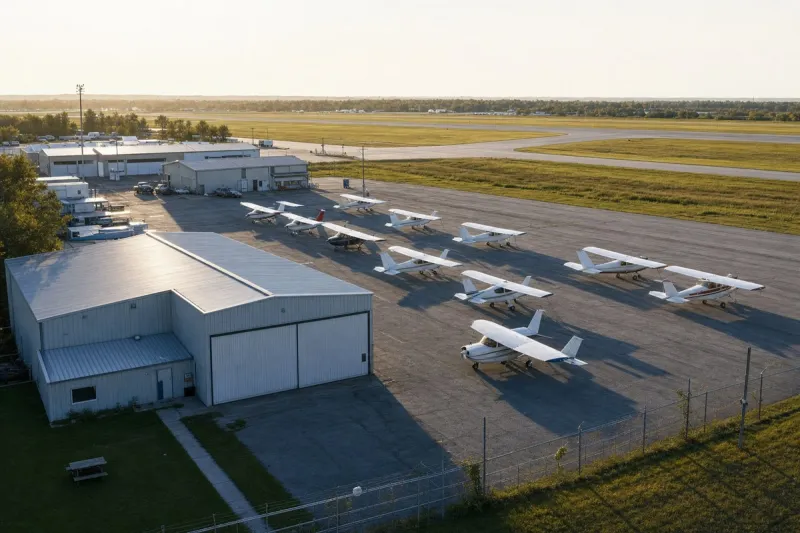
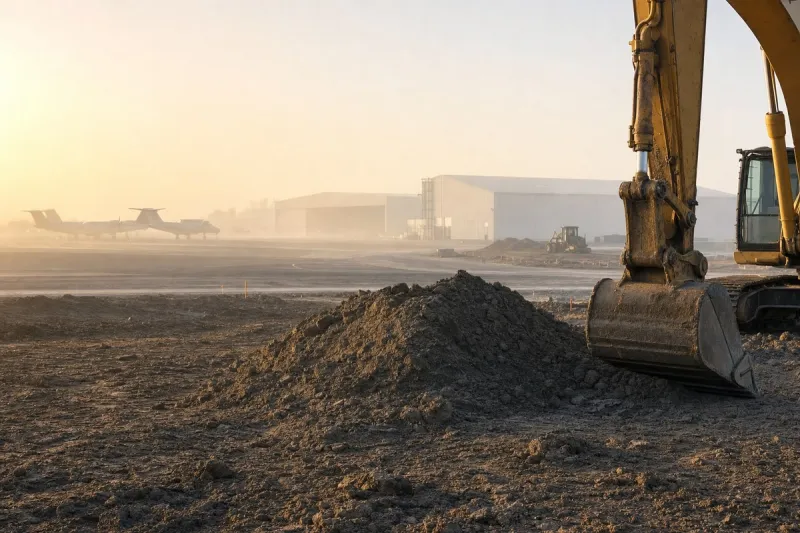
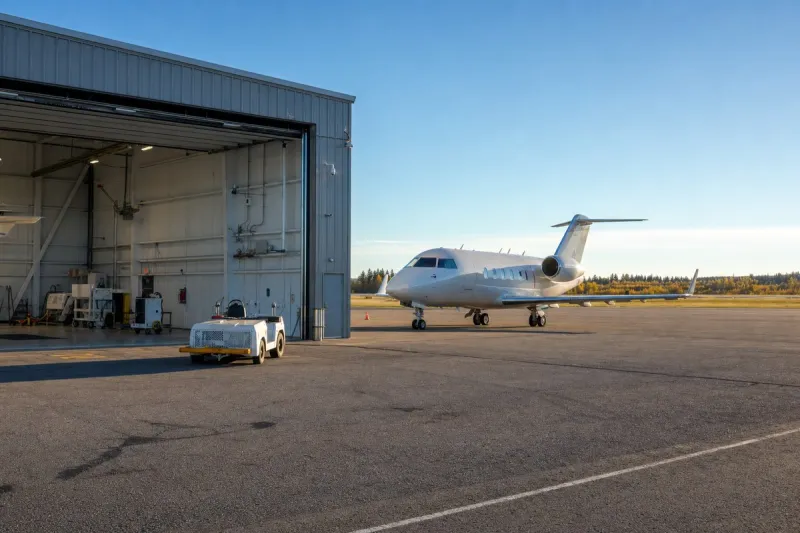
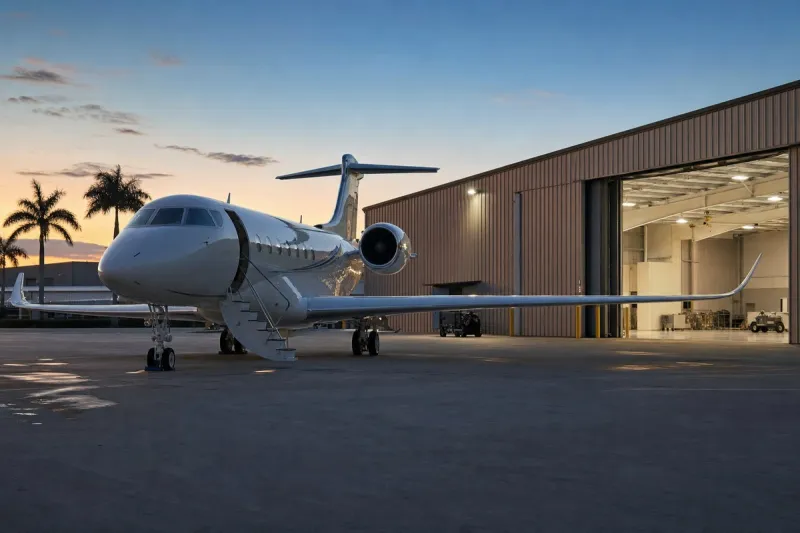
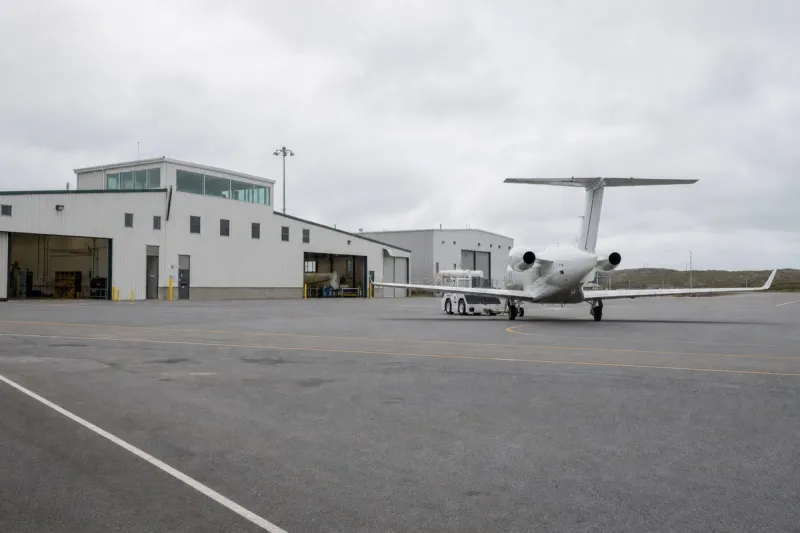
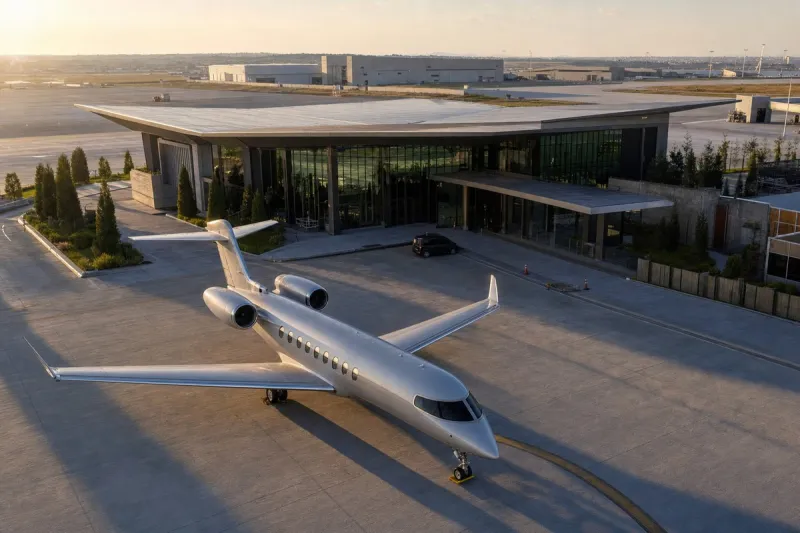
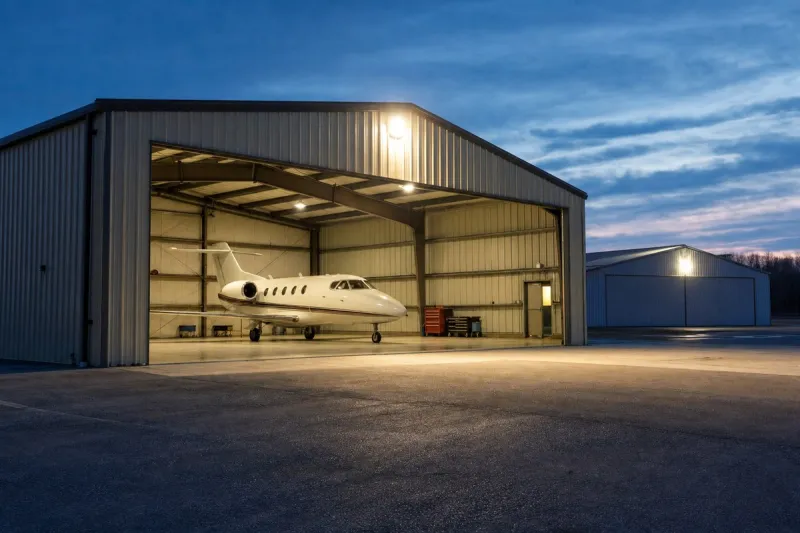
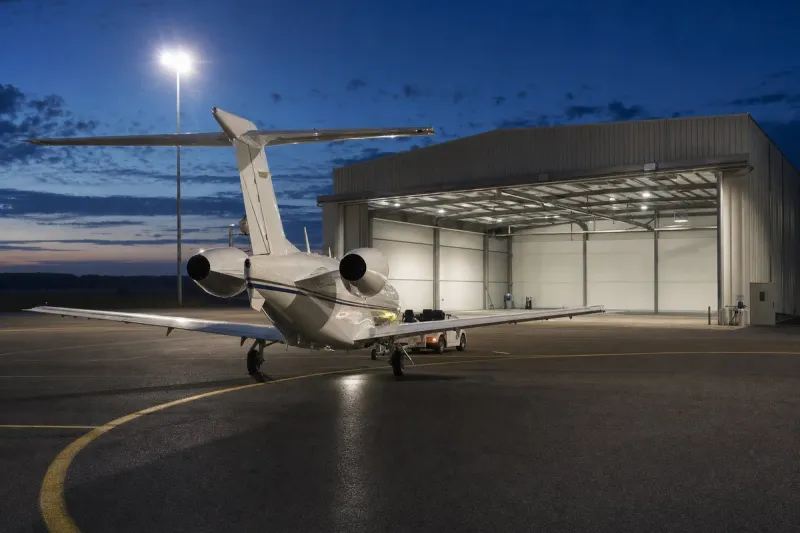
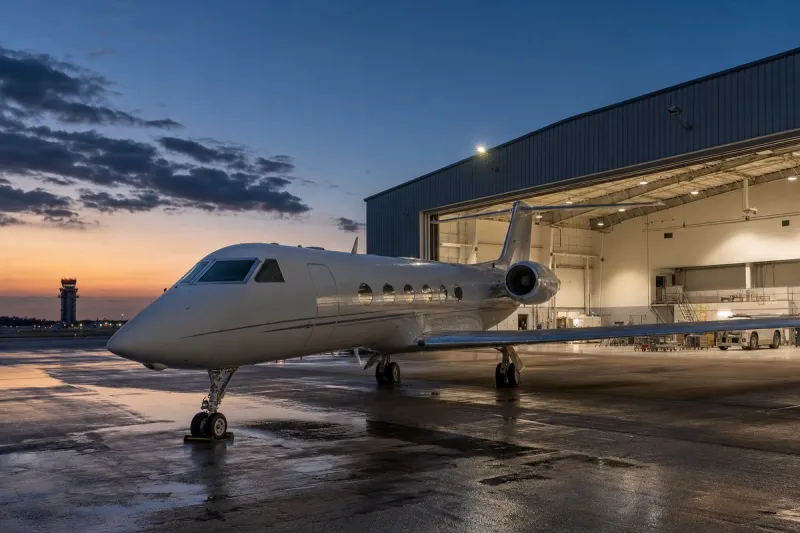
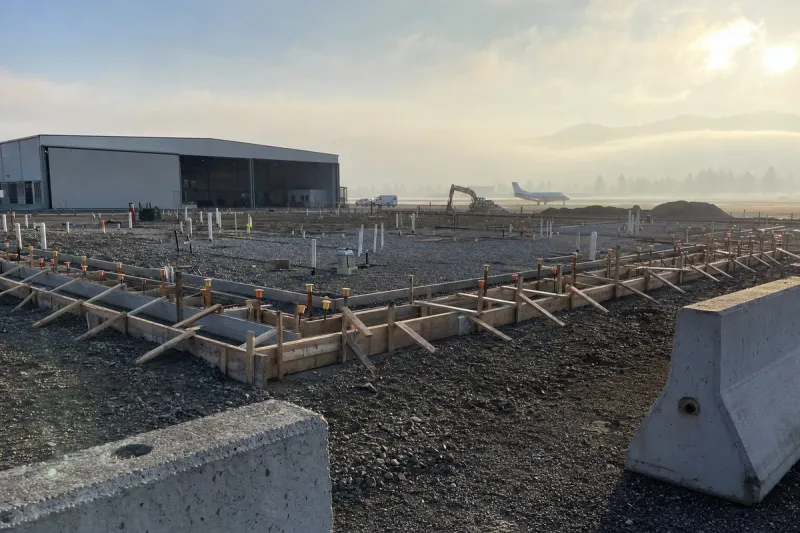
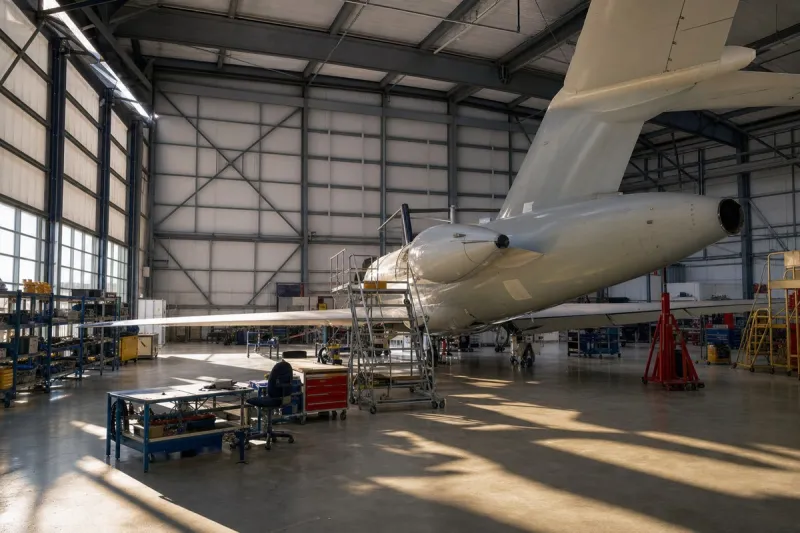
Texas is home to 57 Fortune 500 headquarters — more than any other state, according to the 2026 Fortune 500 list — and has attracted more than 314 corporate headquarters relocations over the past decade. Jetcraft says the growth in activity has created pressure on airport infrastructure, with available hangar space increasingly limited at airports across the state. The firm reports that buyers are now asking about hangar availability as part of the aircraft acquisition process, a question it says was not common five years ago.
Industry impact & what to watch
This pattern reflects how business aviation demand tracks corporate footprint: where headquarters concentrate, aircraft basing follows, and Texas's pull on Fortune 500 relocations has translated directly into fleet growth and in-state flying. The split between Dallas, Houston and Austin shows that even within one high-growth state, the mix of aircraft types delivered varies with the character of local demand, with Dallas skewing toward heavier jets.
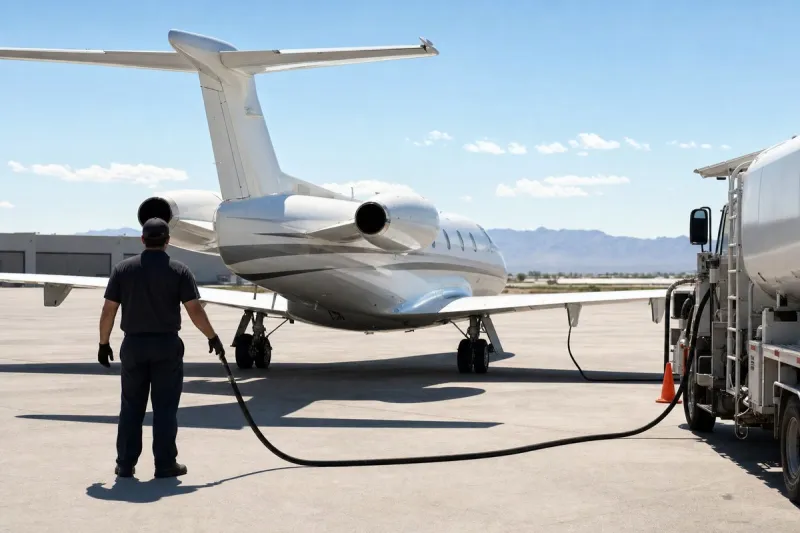
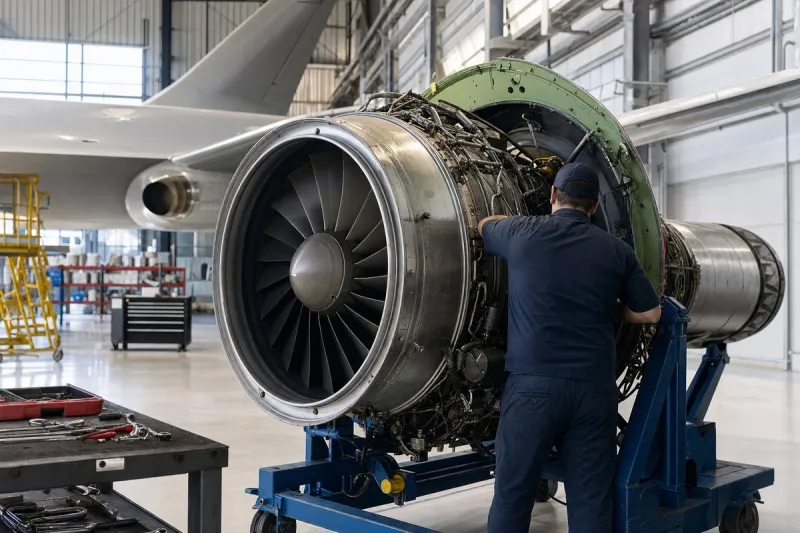
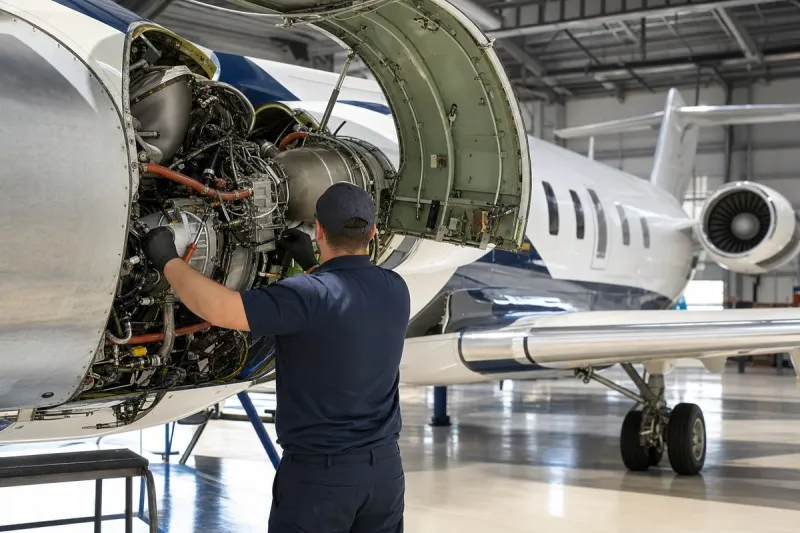
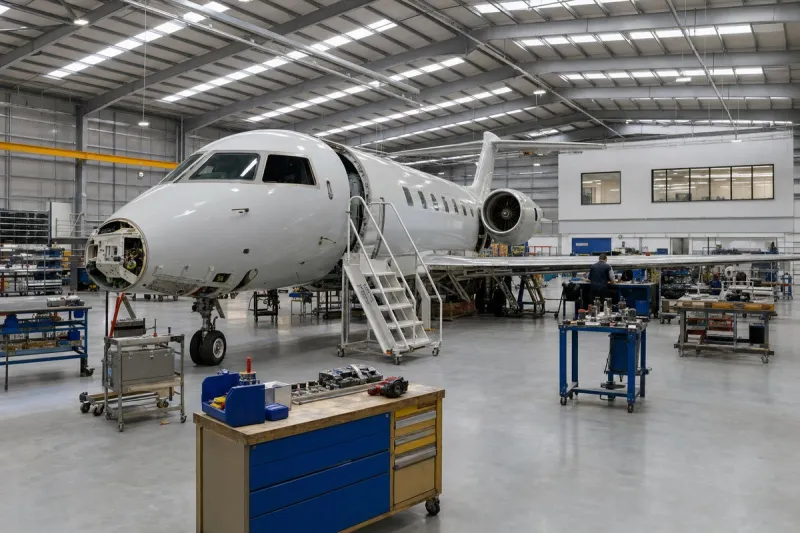
Jetcraft's point about hangars and maintenance facilities is the structural one: that infrastructure cannot expand on the same timeline as corporate relocations or aircraft sales, so capacity becomes a constraint independent of how many buyers want aircraft or how much capital is available. That is a shift in how acquisition decisions get made in markets growing this fast, since the aircraft itself is no longer the only variable buyers have to secure.
What happens next in Dallas, Houston and Austin specifically — whether new hangar or maintenance capacity gets built, and how quickly relative to continued relocations — will determine whether Texas's share of the US fleet keeps climbing or whether infrastructure becomes the ceiling on it.