Incora expands Asia Pacific footprint in Malaysia and Shanghai ahead of aviation demand growth
Why It MattersAerospace supply chain specialists are placing decision-making staff and stock in the regions they serve, because tight parts supply and long lead times reward local response over distant desks.
What happened
Incora, an aerospace supply chain specialist supplying hardware, chemicals and supply chain management services to the aerospace and defense industries, has expanded its presence in Asia Pacific. The move comes as airlines and maintenance providers face fleet growth, tight parts supply and long lead times.
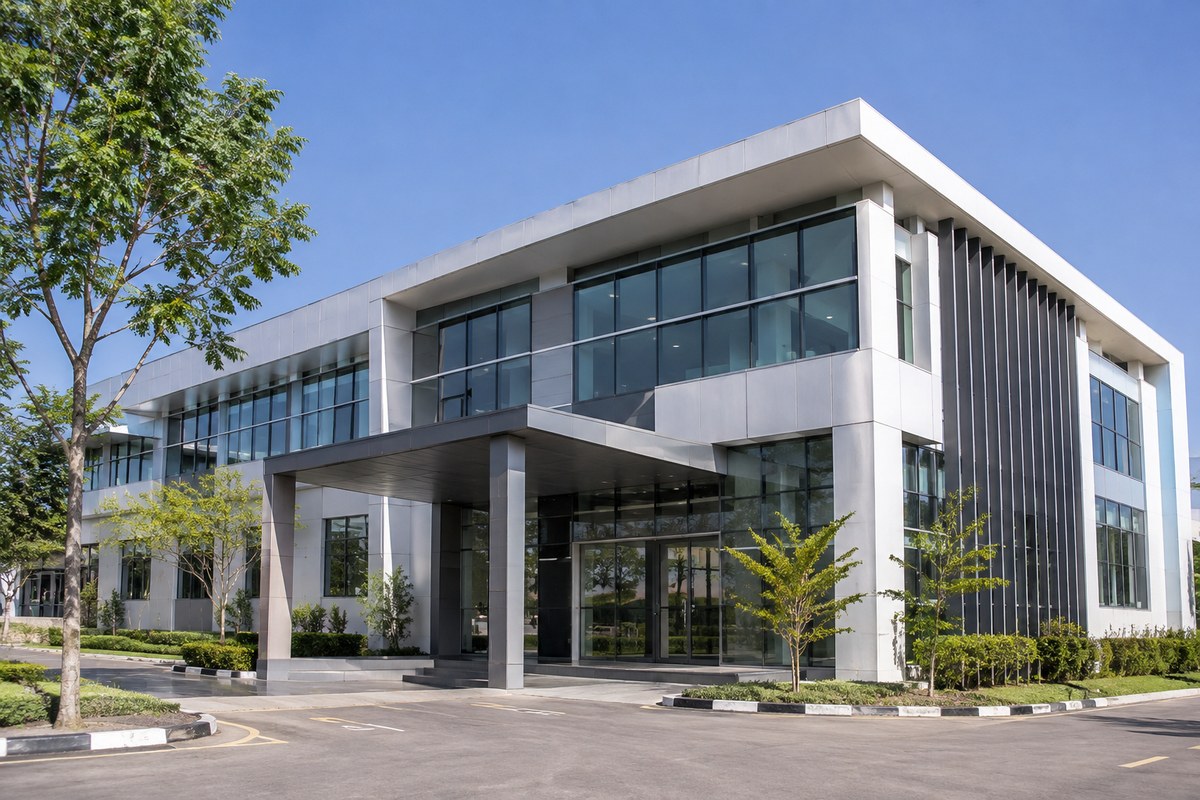
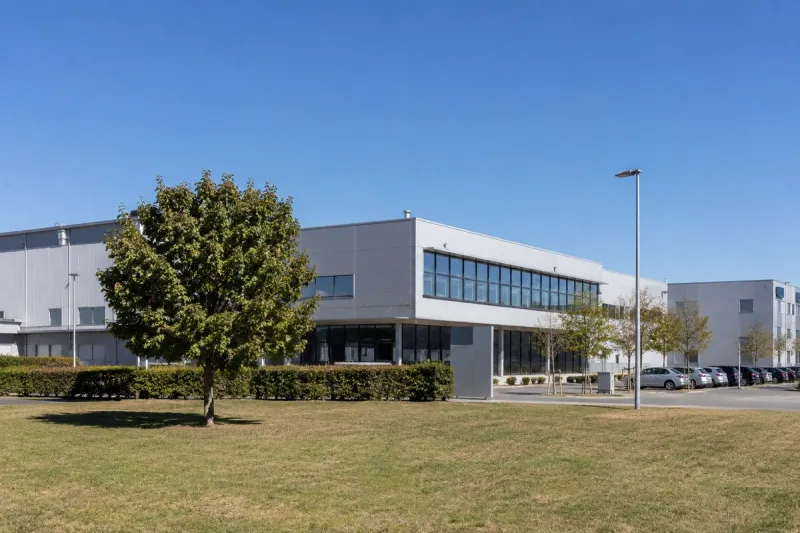
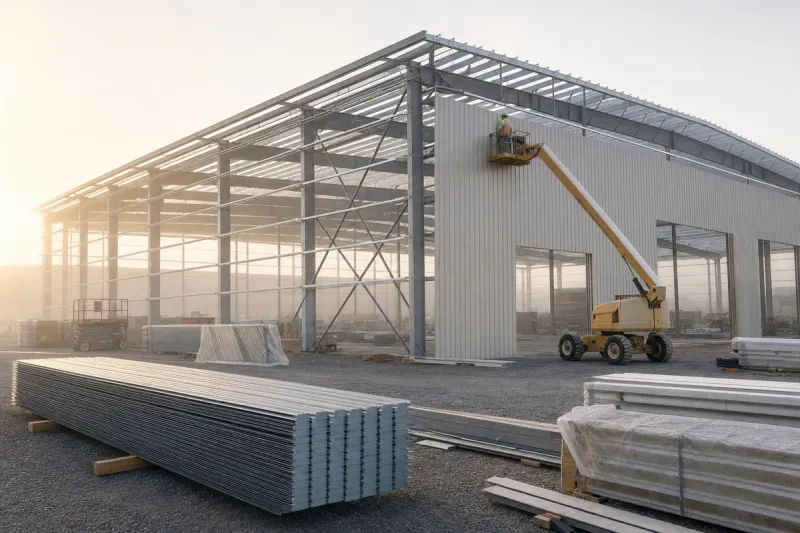
The company opened a new office in Johor, Malaysia, in November 2025. The facility houses Incora's Asia Pacific Shared Service Center, which supports more than 250 customers and 300 vendors across the region. Incora is now upgrading that center to add capacity, and is moving its Shanghai office to a new facility in a key aerospace hub, with more sites planned across the region. When the Johor office opened, Incora CEO David Coleal cited Malaysia's strategic location, infrastructure and skilled workforce as reasons for choosing it to anchor regional operations.
Willis Lee, Business Development Director for Asia Pacific at Incora, spoke at MRO Asia-Pacific 2026 in Singapore. He said the company describes itself as an integrated supply chain partner rather than a parts distributor or broker, deploying people on site at customers to help manage demand, supply, forecasting and planning, and to manage localized stock. Lee said Incora has more than 20 years of experience working with major MROs and OEMs, and that handling demand across its global network allows more competitive pricing on traditional supply.
Lee said Asia Pacific customers expect faster responses than in other markets, and that local teams in the same time zone can make decisions in real time rather than routing requests through an overseas desk. He called the supply chain crunch "very real." Upstream, Incora works with manufacturers to secure long-term stock allocations; downstream, it works with customers on forecasting and planning.
Sourcing and training
Incora is also qualifying new manufacturers, both in China and locally, to give customers dual-sourcing options and shorter lead times.
On the people side, the company trains its staff, meeting industry standards such as AS9120 and ASA-100 and working with manufacturers on hands-on technical training.
Industry impact & what to watch
Lee's argument that waiting for demand to fully materialize before building capacity is often too late reflects how parts supply works in a tight market: allocations from manufacturers are secured ahead of need, and a supplier without regional stock and planners is competing for scarce material from a standing start. Placing a shared service center and on-site staff in the region is a bet that proximity and time-zone overlap shorten the loop between a maintenance provider's demand signal and a purchasing decision.
The dual-sourcing work points at the same pressure from the supply side. Qualifying additional manufacturers in China and locally gives customers an alternative when a single source has long lead times, and for a supplier that positions itself as a partner rather than a broker, the breadth of qualified sources is part of what it sells.
The concrete markers to follow are the completion of the Malaysia capacity upgrade, the Shanghai move into its new facility, and the additional regional sites Incora says are planned.