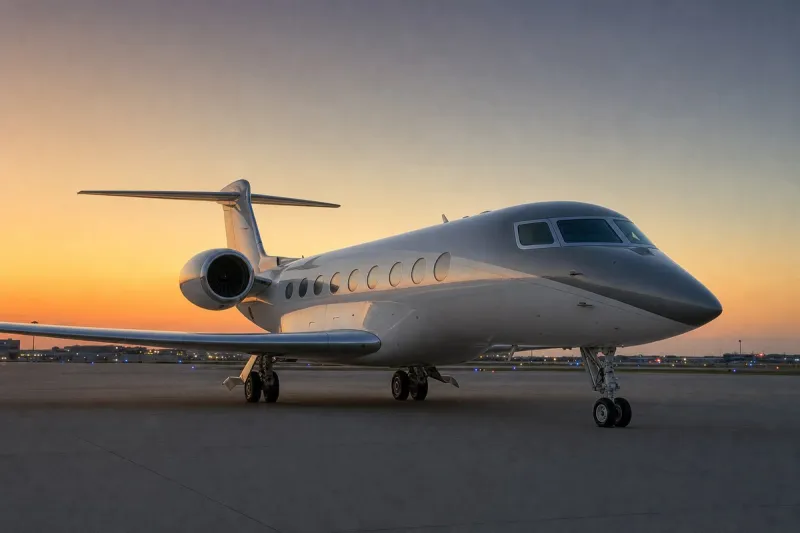
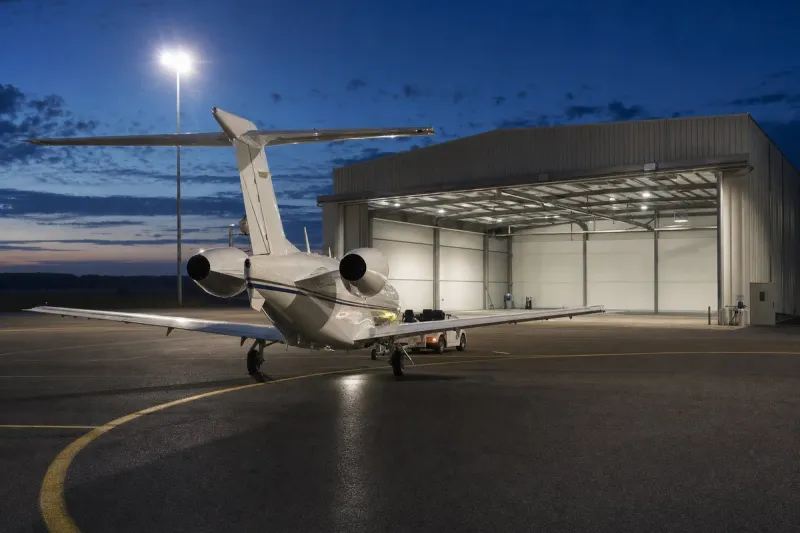
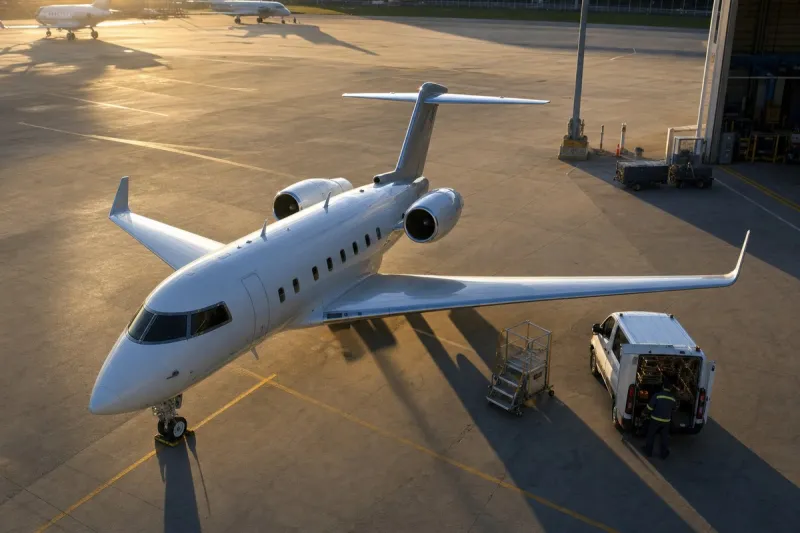
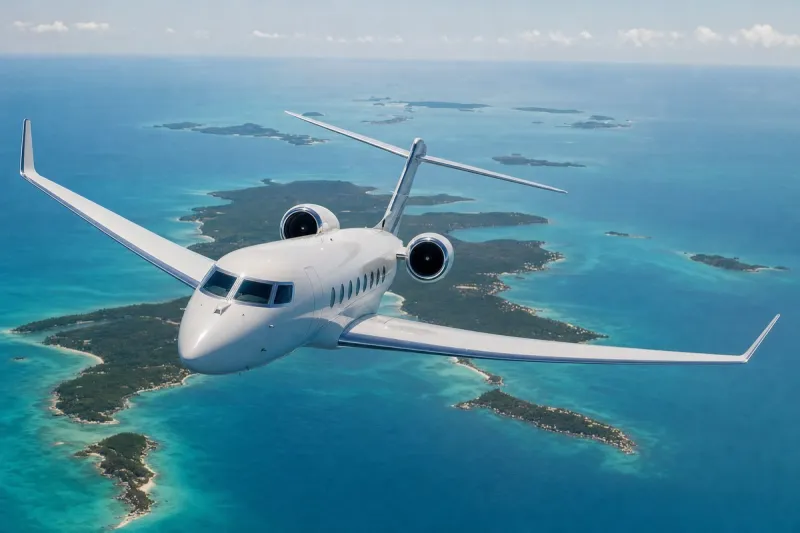
How the Gulfstream II Defined Large-Cabin Business Aviation
Why It MattersLarge-cabin jet programs still follow the Gulfstream II pattern of a proven airframe spawning derivative models and specialized government variants over decades of production.
What happened
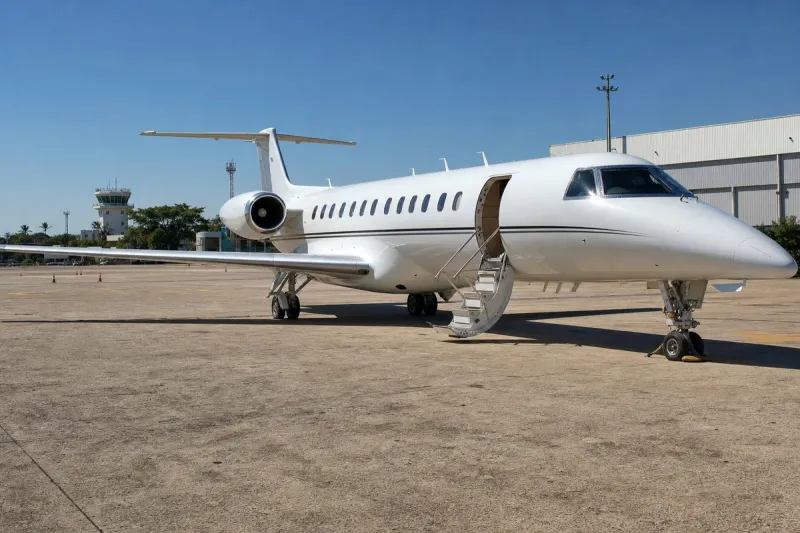
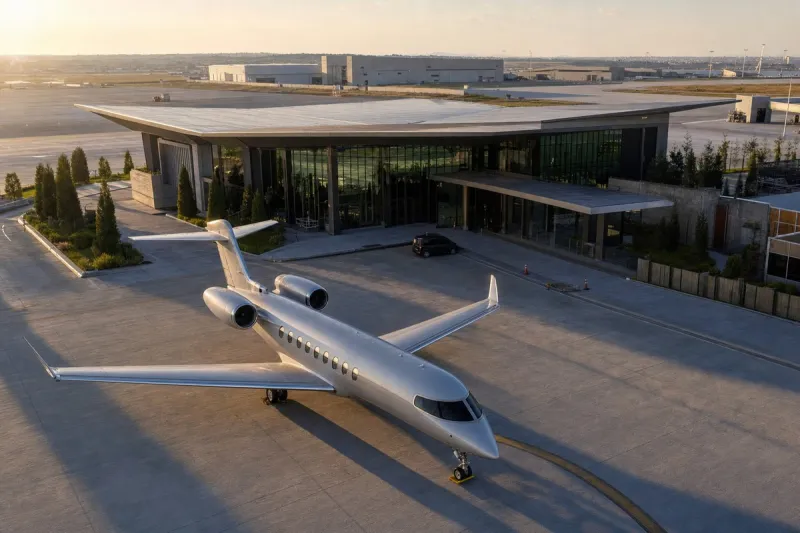
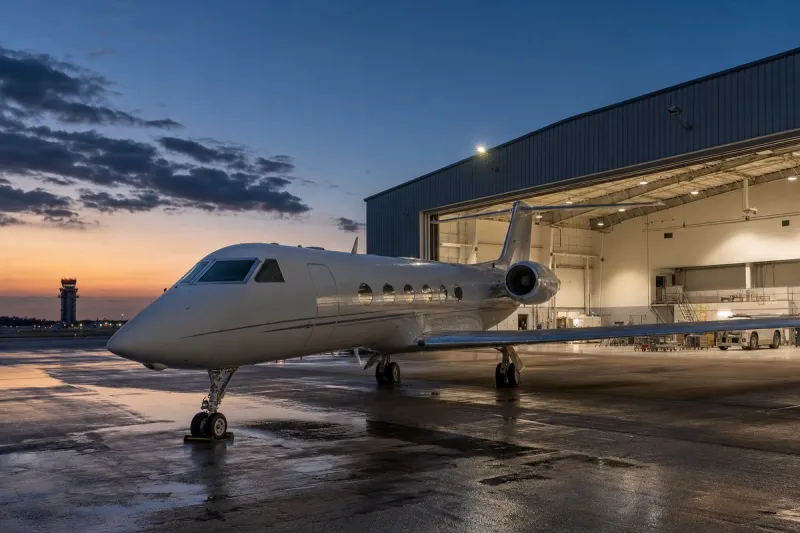
The Gulfstream II became the first business jet to fly nonstop from the United States to Europe, departing Teterboro, New Jersey and landing at London's Gatwick Airport on May 4, 1968. That flight was flown by the first production aircraft, which had been delivered to National Distillers and Chemical Corporation on December 6, 1967.
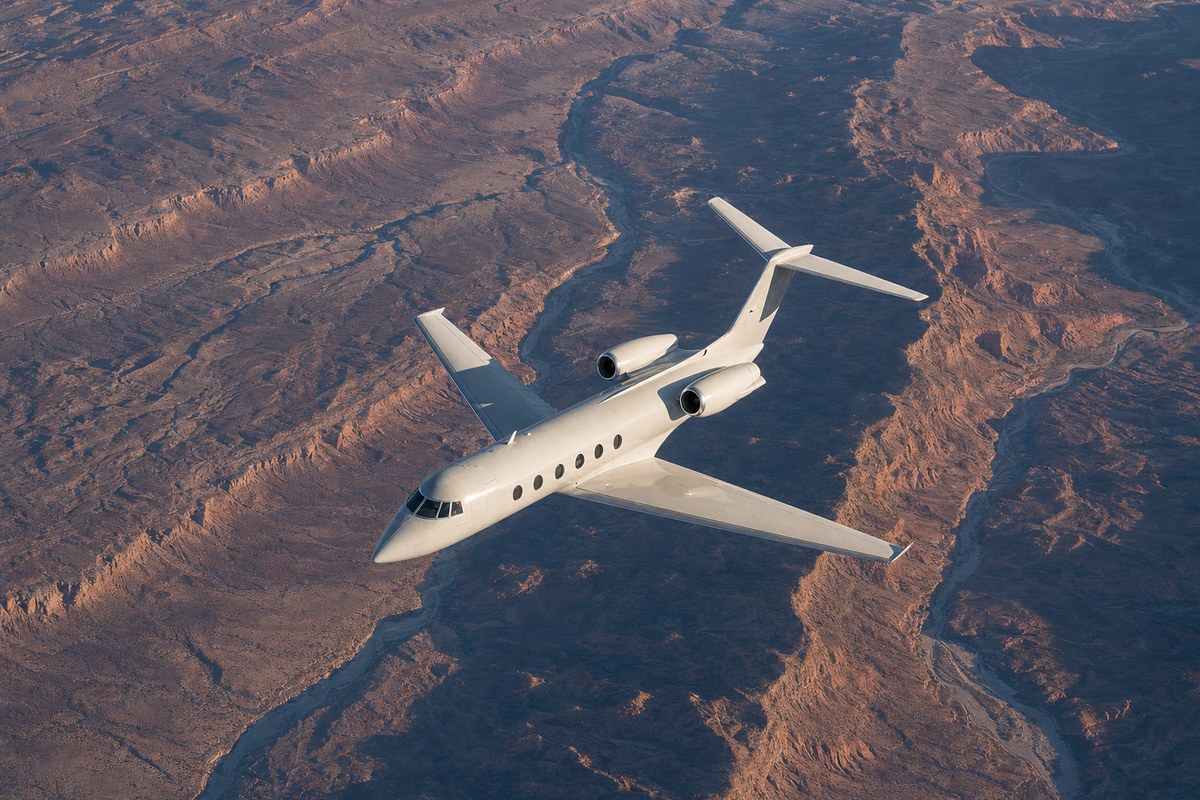
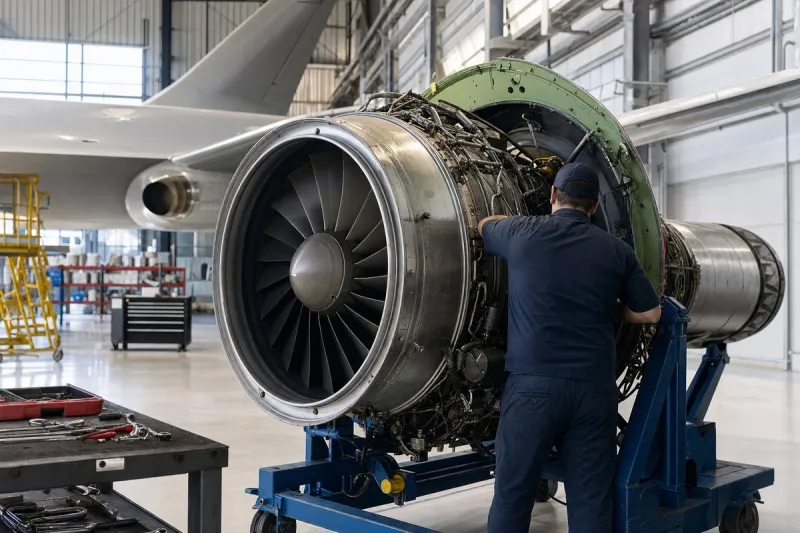
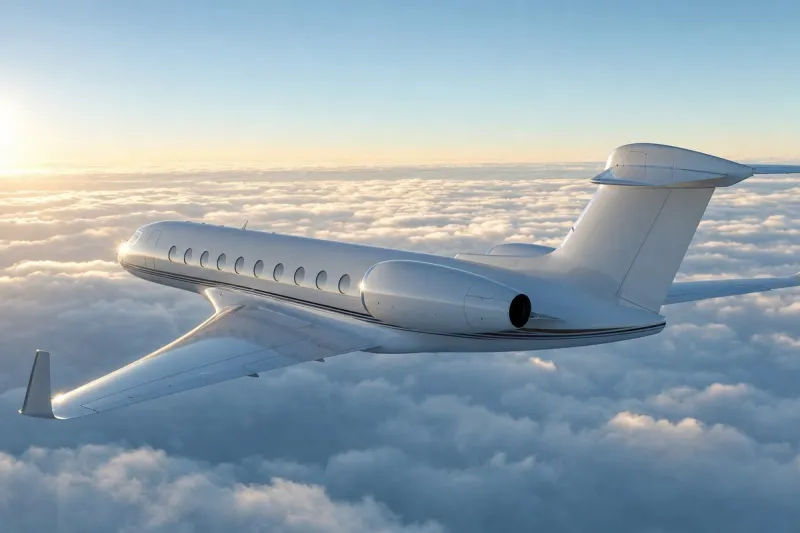
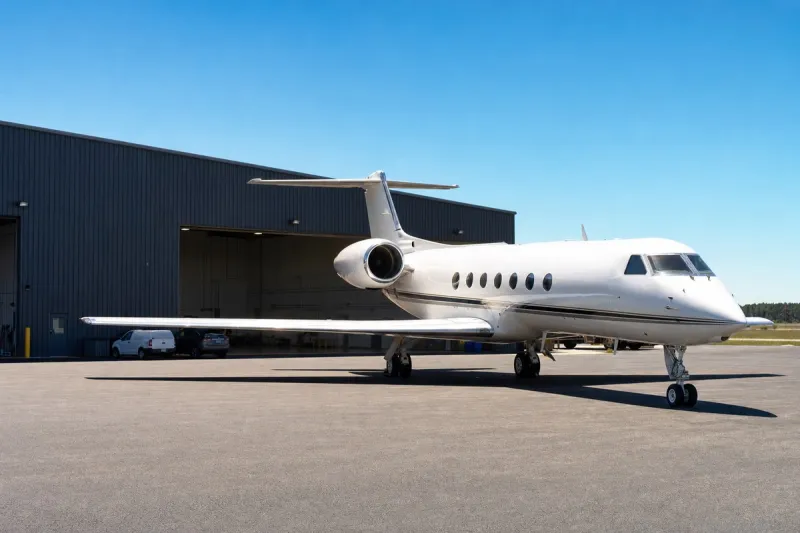
Grumman gave the program its production go-ahead on May 5, 1965, after securing 30 firm orders. The prototype first flew from Grumman's Bethpage, New York facility on October 2, 1966, a 52-minute sortie involving four aircraft in flight testing. The FAA awarded the type certificate on October 19, 1967. The aircraft was powered by two Rolls-Royce Spey 511-8 turbofans, each producing 11,400 pounds of thrust, cruised at Mach 0.85, and reached a ceiling of 45,000 feet. Its cabin measured approximately 6 feet 1 inch tall and 7 feet 3 inches wide, seating 10 to 12 passengers, with a maximum takeoff weight of 62,000 pounds. Range with a full passenger load reached 2,625 nautical miles; optional wingtip fuel tanks, standard from serial number 198 in 1976, added roughly 400 nautical miles.
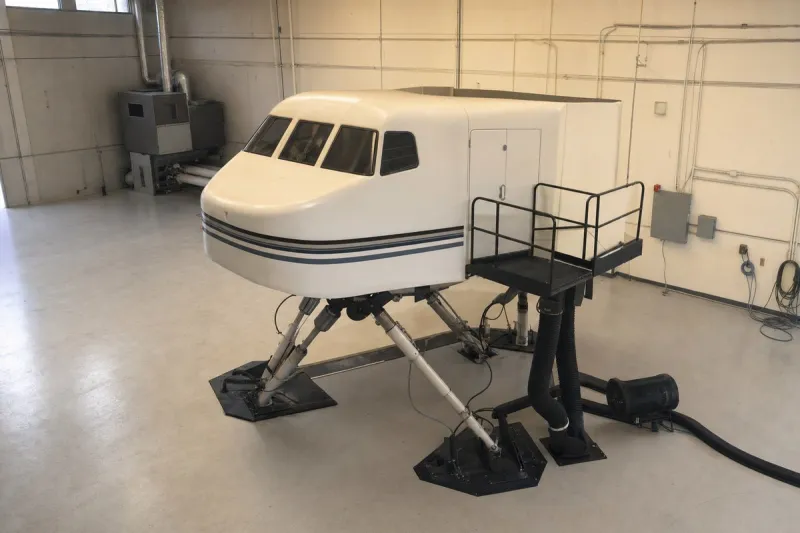
The Savannah, Georgia production facility opened in June 1967 and was formally dedicated on September 29, 1967; Gulfstream's headquarters and main production line remain on that site today. NASA operated four heavily modified Gulfstream IIs as Shuttle Training Aircraft, each fitted with Space Shuttle cockpit controls in the left seat, masked windows replicating the shuttle's view, and engines run in reverse thrust in flight with landing gear extended to simulate the shuttle's steep unpowered glide. Every Space Shuttle commander completed at least 1,000 practice landings in the aircraft before a mission. The fleet operated from El Paso, Texas, Houston's Ellington Field, and Kennedy Space Center, and was retired in 2011 when the shuttle program ended. Vice President Nelson Rockefeller personally owned a Gulfstream II, using it for official travel under the callsign "Executive Two."
More than 250 Gulfstream IIs were built over roughly a decade. In 1978, Grumman sold the Gulfstream line and the Savannah plant to American Jet Industries, led by Allen Paulson; in 1982 the company was renamed Gulfstream Aerospace Corporation. The Gulfstream III followed, retaining the same basic fuselage while adding a wider wing with winglets — a wing later retrofitted to many Gulfstream IIs to create the Gulfstream IIB.
Industry impact & what to watch
The Gulfstream II's trajectory illustrates how a single certified airframe can anchor a manufacturer for decades: the same Savannah site that opened in 1967 still hosts Gulfstream's headquarters and main production line today, and the fuselage carried forward into the Gulfstream III and the retrofitted Gulfstream IIB. Large-cabin programs since have followed that logic — certify a platform, then extend it through derivative wings, engines, and range improvements rather than starting over.
The aircraft's path also shows how government and specialized missions can extend a design's working life well past its commercial production run. NASA's four Shuttle Training Aircraft kept Gulfstream IIs flying in a highly modified role — reverse-thrust-in-flight glide simulation — until 2011, decades after Grumman had sold the line in 1978. That kind of secondary institutional use is a recurring feature of durable airframes, separate from the private and charter demand that sustained the type commercially.
What remains to be seen in the record is how regulatory pressure, including the Stage 3 noise rules affecting jets under 75,000 pounds, ultimately reshaped the operating fleet of original Gulfstream IIs still flying today.