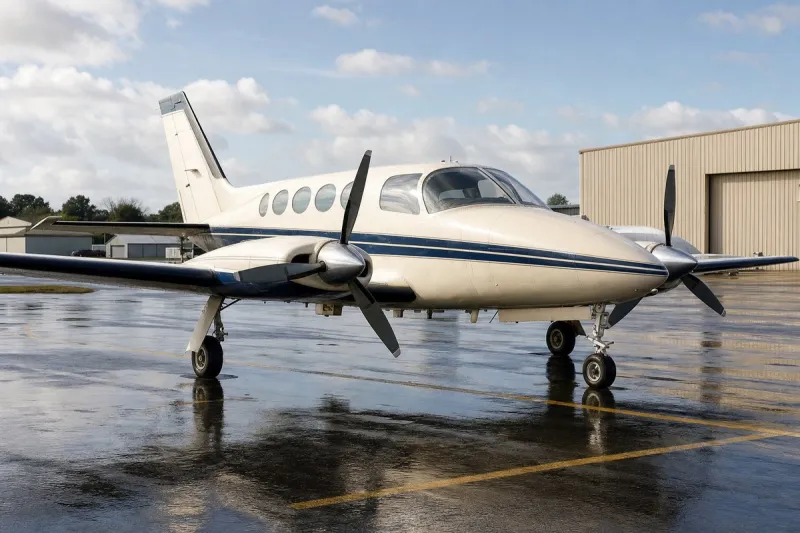
HondaJet Elite II: Operational Assessment for Executive Missions
Why It MattersVery light jet economics hinge less on headline range figures than on matching realistic payload, seasonal winds and access model to actual mission patterns before committing to a programme.
What happened
The HondaJet Elite II is a very light jet with a published NBAA IFR range of up to 1,547 nautical miles, a maximum cruise speed of 422 knots and a service ceiling of 43,000 feet. It is typically operated with two pilots and carries two to five passengers depending on baggage load and sector length.
The aircraft uses GE Honda HF120 engines mounted above the wing, a configuration Honda calls the Over-The-Wing Engine Mount, which frees rear-fuselage space for the cabin and baggage compartment and helps reduce cabin noise. The flat-floor cabin includes a private lavatory and sculpted seating. For UK and European operators, the Elite II is suited to sectors such as London to Geneva, Paris, Nice, Frankfurt, Dublin or Copenhagen.
Operators are cautioned not to treat the published headline range as guaranteed usable range: headwinds, winter alternates, passenger count, baggage and fuel-reserve requirements can materially reduce the practical range available on any given sector. Fixed costs for operating the aircraft include crew, hangarage, insurance, training, maintenance and administration, while variable costs include fuel, navigation charges, handling and maintenance reserves. Access models range from dedicated dry lease, suited to operators who can supply their own pilots and compliance infrastructure, to wet lease or managed arrangements for organisations that prefer aircraft availability without building an in-house flight department.
When a larger aircraft makes more sense
For trips requiring more than four passengers, extensive baggage, long overwater routing or frequent winter diversion planning, a larger aircraft category warrants consideration. For sectors of three hours or more with full passenger loads, a larger light jet or entry-level midsize aircraft may offer more baggage flexibility and greater operational resilience.
Any serious evaluation should include representative flight-planning examples drawn from actual routes flown in the previous 12 months, incorporating realistic payload, seasonal winds, alternates and runway performance. Prospective operators should also confirm maintenance support availability, aircraft-on-ground procedures, air operator certificate status and permit requirements for all intended jurisdictions before committing to a programme.
Industry impact & what to watch
This assessment belongs to a familiar category of very light jet evaluation: a headline performance figure set against the narrower band of conditions under which that figure actually holds. Published NBAA IFR range describes a best-case condition, and the gap between that number and usable range on a given sector is where mission planning either confirms or disproves an aircraft choice.
In this segment, acquisition economics only tell part of the story — fixed costs like crew, hangarage and training sit alongside variable costs like fuel and handling, and the choice between dry lease, wet lease and managed access shapes which of those costs an operator carries directly versus pays for through a provider. A very light jet's cabin size and baggage capacity set a practical ceiling on passenger count and trip length regardless of how favourably its range compares with entry-level competitors.
What determines whether the Elite II fits a given flight department is not the published specification sheet but whether flight-planning runs against actual routes flown, with seasonal winds, alternates and full passenger loads, still clear the aircraft's margins. Confirming maintenance support, air operator certificate status and permit requirements across intended jurisdictions is the remaining step before any operational commitment.