Whole Aircraft Ownership vs. Fractional Ownership: Key Differences in Cost, Control and Availability
Why It MattersPrivate aviation access decisions increasingly hinge on matching fully loaded annual costs and utilisation patterns to the right structure rather than comparing acquisition or share prices directly.
What happened
A comparison of private aviation access models lays out how whole aircraft ownership and fractional ownership differ in cost, control and availability, positioning both as offering greater travel control than ad hoc charter while allocating capital and operational responsibility in different ways.

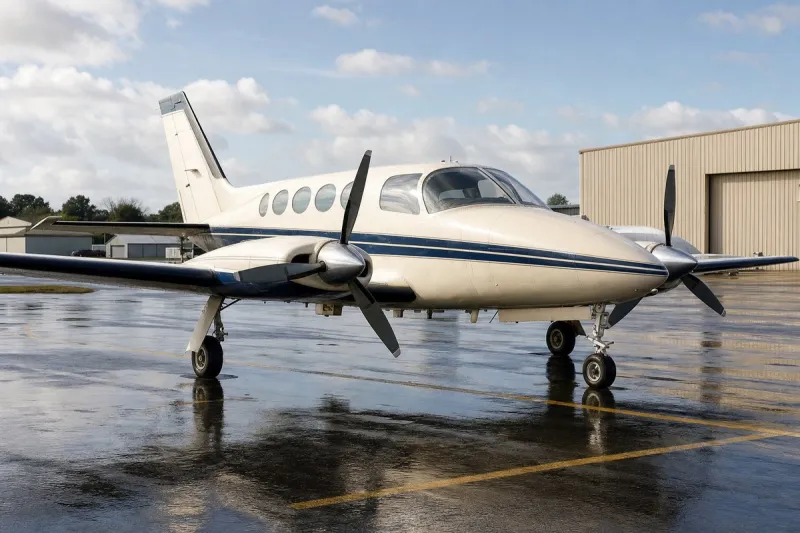
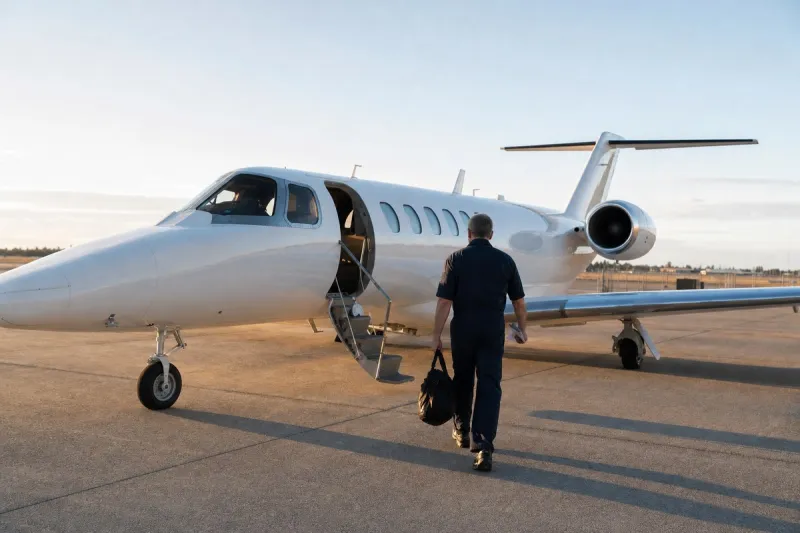
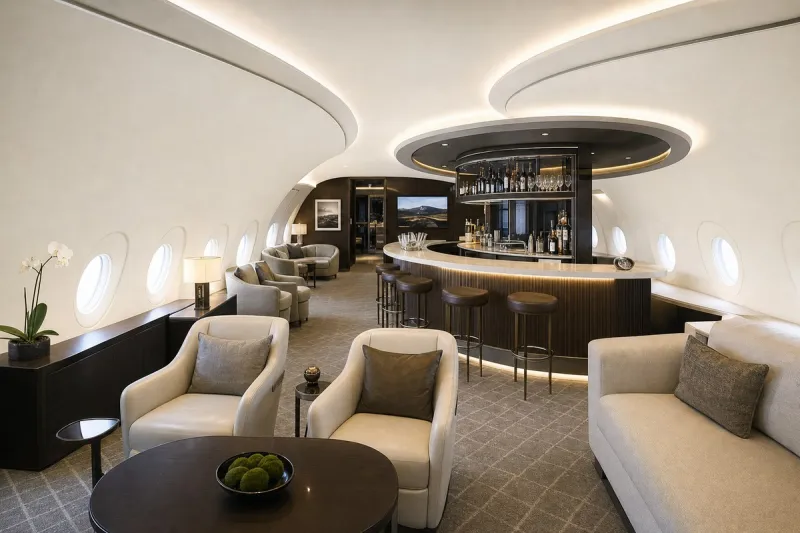
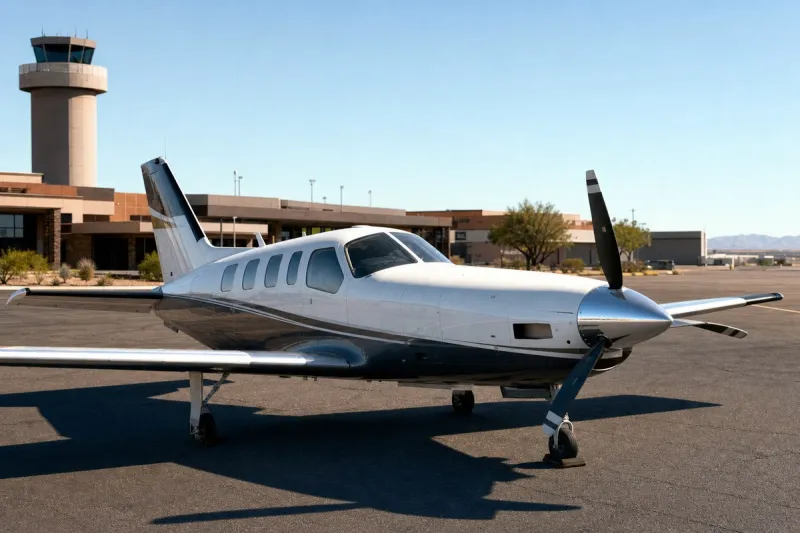
Under whole ownership, one individual, company or family office owns an aircraft outright — new or pre-owned — and controls cabin specification, operating base, crew standards, maintenance programme and scheduling, even when a management company handles day-to-day operations. Owners can place the aircraft on a charter certificate to offset fixed costs, which include crew salaries and training, insurance, hangarage, maintenance reserves, management fees and regulatory compliance. Under fractional ownership, an aircraft is divided into contractual shares, with share size establishing a defined number of annual occupied flight hours or days; a programme manager supplies the aircraft, crew, maintenance, dispatch and replacement lift, and participants generally buy access to an aircraft category rather than a specific tail number, with the provider able to substitute an equivalent aircraft if the booked one is unavailable.
On cost, the comparison states that measuring only acquisition price against a fractional share price is misleading, and that the relevant figure is the fully loaded annual cost of meeting expected travel needs. Fractional costs combine a capital contribution, monthly management fees and occupied-hour charges, while whole ownership depends on whether annual utilisation justifies fixed costs; a whole owner also bears residual-value risk. On mission flexibility, whole ownership is described as strongest for uncertain or highly specific schedules — such as a corporate team flying from Manchester to Frankfurt, continuing to Dubai, waiting on the ground as meetings develop, then departing short-notice to a further destination — while fractional ownership suits defined, forecastable travel patterns between fixed city pairs. For annual utilisation around 50 hours, dedicated leases, jet cards or charter programmes are described as potentially more appropriate than either ownership model. Buyers are advised to analyse at least 12 months of completed and expected travel — departure points, destinations, passenger loads, baggage, overnight stays and booking lead times — and model fully loaded costs against the most demanding trips before selecting an access structure.
Industry impact & what to watch
This comparison reflects a broader pattern in private aviation advisory: access structures are increasingly framed around matching a buyer's actual travel profile to the cost and control trade-offs of ownership, fractional shares, leases, jet cards or charter, rather than treating any one model as universally superior.
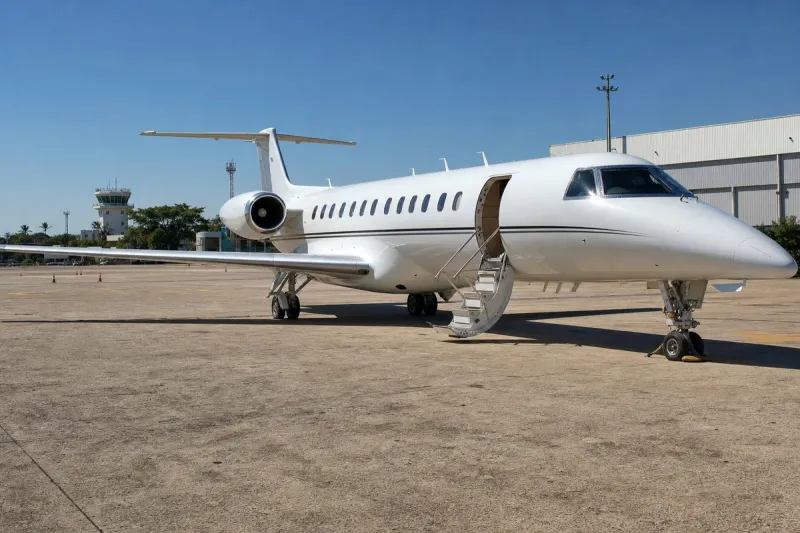
The fractional segment works by standardising crew, maintenance and dispatch across a provider's fleet and granting access to an aircraft category rather than a guaranteed tail number, which lowers entry capital and administrative burden but transfers scheduling discretion to the programme provider. Whole ownership keeps that discretion with the owner but requires them to select a manager, establish crew arrangements, choose maintenance providers and monitor compliance directly, along with carrying residual-value risk.
The next step for any buyer weighing these models is building a twelve-month travel record — departure points, destinations, passenger loads, overnight stays and booking lead times — and modelling fully loaded annual costs against the most demanding trips in that record, since that analysis is what determines whether ownership, fractional access, or a lower-commitment option such as a jet card or lease fits the roughly 50-hour utilisation threshold or sits above or below it.