US Tightens Aviation Component Exports to China as Trade Talks Continue
Why It MattersThe episode shows how concentrated American aerospace suppliers have become a lever in trade diplomacy, meaning Chinese carriers' parts access can shift with geopolitics rather than purely commercial terms.
What happened
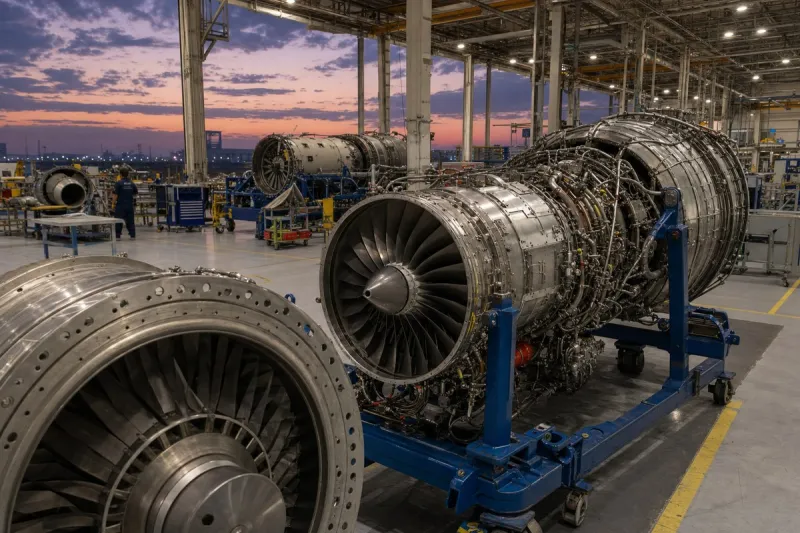
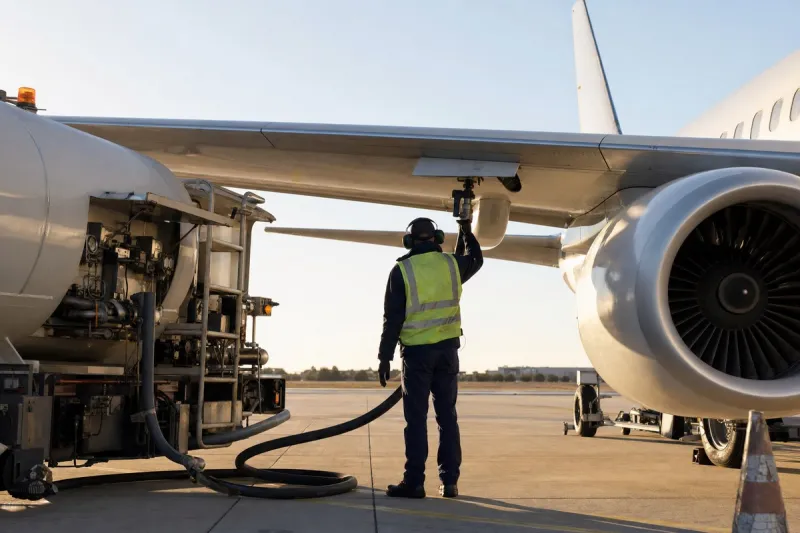
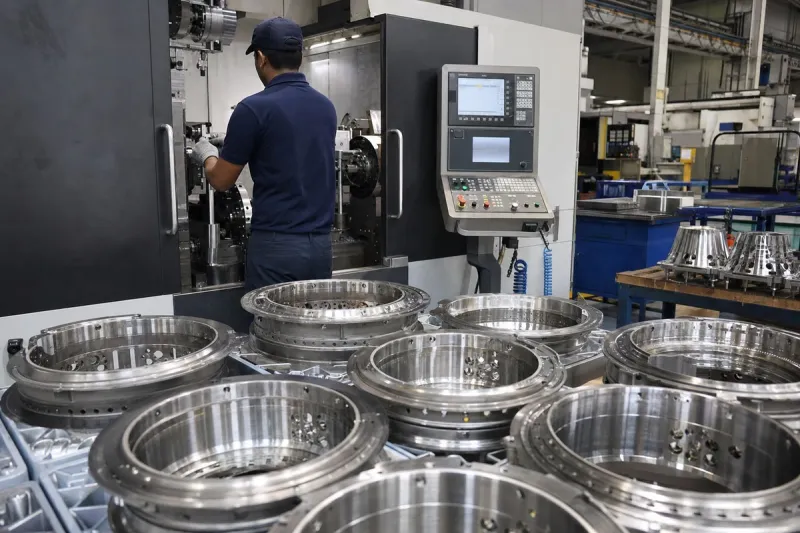
The Trump administration has moved to restrict exports of aviation components to China as part of broader pressure tactics in ongoing trade negotiations, aiming to secure access to Chinese rare earth minerals critical to vehicle manufacturing, chipmaking, and aerospace industries. Washington has slowed export licensing for airplane parts bound for China in recent weeks, and officials have also explored issuing an export regulation that would make it easier to restrict landing gear and other aircraft components. A draft version of the measure included a new licensing requirement on aviation hydraulic fluid supplied by US companies, including ExxonMobil. The US Department of Commerce has additionally limited the number of parts licensed for shipment to China's state-owned planemaker, COMAC, in order to prevent stockpiling.
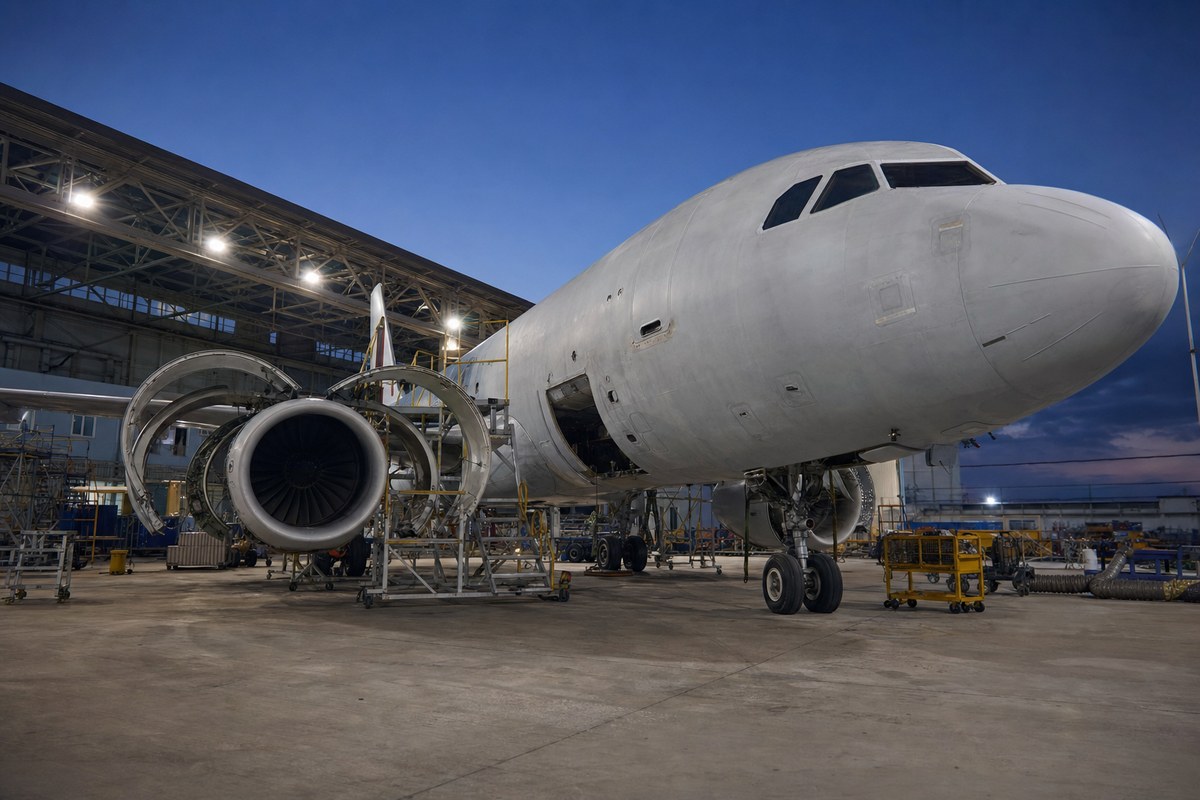
In 2025, Washington imposed new export restrictions on aircraft products as the trade dispute with Beijing intensified. The White House suspended export licenses for GE Aerospace jet engines, Honeywell Aerospace navigation systems, and other components destined for COMAC. Manufacturers of hydraulic fluid used in Chinese aircraft were also briefly subjected to an export licensing requirement. In October 2025, President Trump stated the US could impose export controls on Boeing aircraft parts as part of its response to Chinese restrictions on rare earth mineral exports.
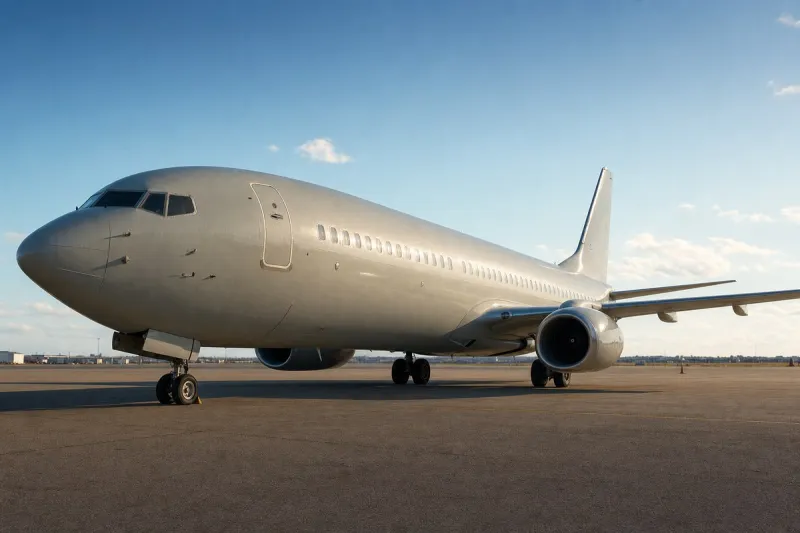
Beijing had separately sought several years' worth of spare parts for 200 Boeing jets it agreed to purchase last spring, Boeing's first major deal with Chinese carriers in nearly a decade, but the Trump administration has been reluctant to provide guarantees, viewing the parts as leverage for future concessions. US-Chinese officials subsequently met in New York and Washington, where both sides agreed to extend a trade truce that had been set to expire on November 10, giving negotiators until January 10, 2027, to address bilateral trade issues including US access to Chinese rare earth minerals, agricultural trade, and AI safety and governance.
Separately, Trump threatened to block Bombardier from selling aircraft in the United States unless the company manufactures planes on American soil, though he did not escalate the measure further after facing opposition within his own party. Producers of thermal coating sprays used to protect jet engines have also faced delays stemming from Chinese controls on rare earth materials.
Industry impact & what to watch
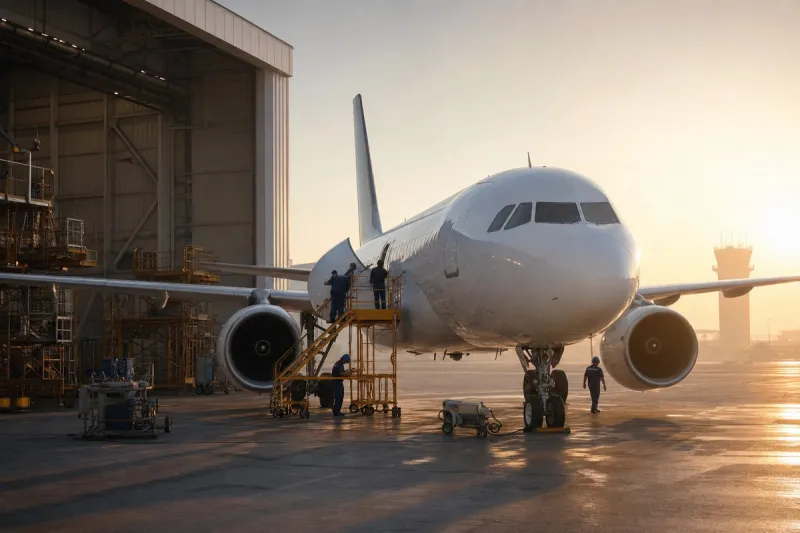
This case sits inside a wider pattern of trade negotiators treating technical supply chains as diplomatic instruments: export licensing for parts, fluids, and engines is being throttled and released in step with concessions sought on rare earths, agriculture, and AI governance, not according to airworthiness or commercial demand alone. American aerospace suppliers hold a dominant position in supplying spare parts for Boeing and Airbus jets operated by Chinese carriers, as well as for COMAC, which is precisely why Washington can use licensing delays as a bargaining chip without an alternative supplier readily available to Beijing.
The mechanism depends on licensing discretion rather than outright bans — slowing approvals, narrowing the volume of parts cleared, or adding new categories like hydraulic fluid to the list all achieve leverage without triggering an outright embargo that could accelerate Chinese efforts to build independent supply. The unresolved spare-parts commitment tied to the 200 Boeing jets illustrates this: Beijing has the purchase agreement, but not the guarantee of years of spares, leaving that commitment as unfinished business inside the broader truce.
The next fixed point is January 10, 2027, the deadline both sides set for resolving rare earth access, agricultural trade, and AI governance issues. Whether Washington restores fuller licensing for COMAC and Chinese carriers, or keeps tightening components like landing gear and hydraulic fluid, will depend on how that rare earth access negotiation moves between now and then.