Burke Lakefront Airport Tenants Urge Cleveland to Allow Tens of Millions in Investment as Closure Threat Looms
Why It MattersThe standoff shows how uncertain airport leases can freeze facility investment and strand aviation-dependent operations, even when a closure decision remains years from final federal and political approval.
What happened
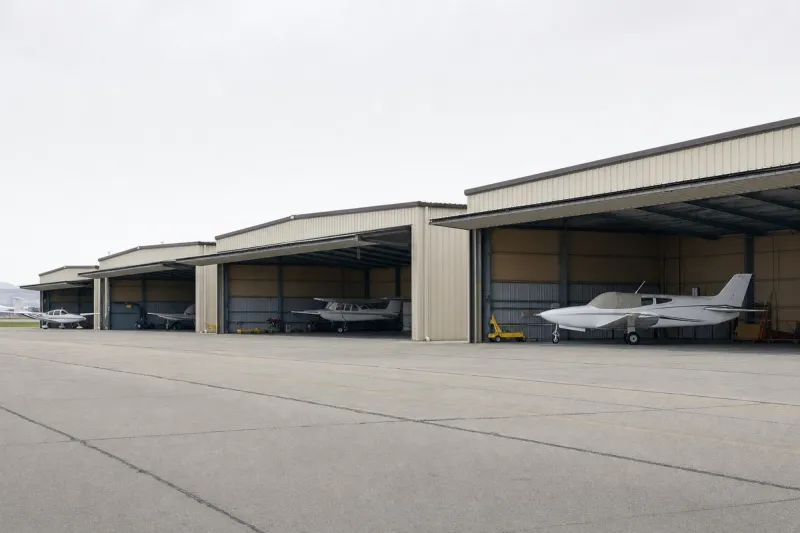
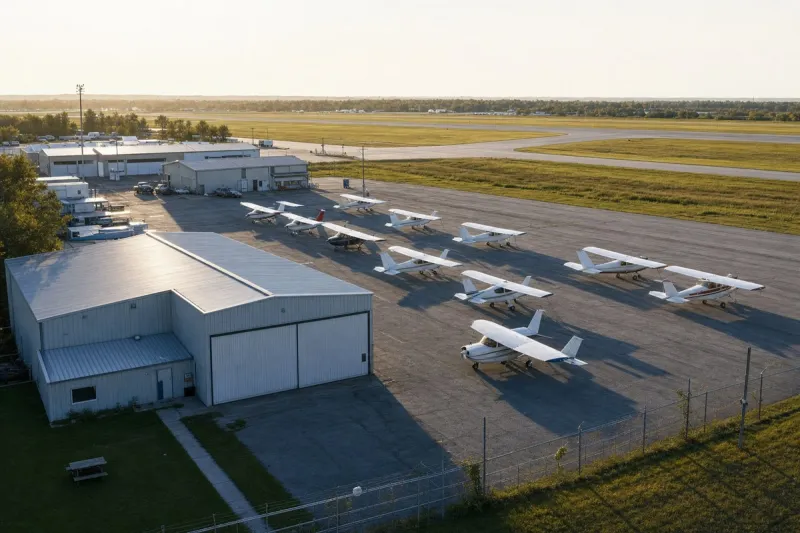
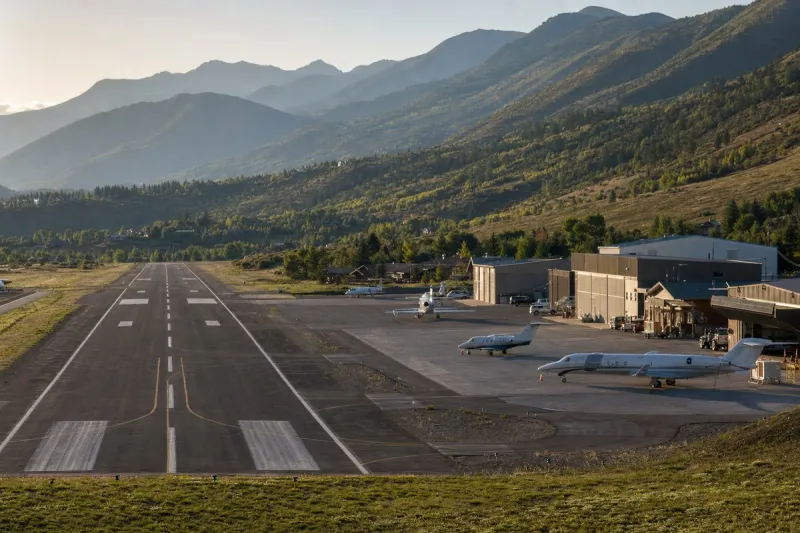
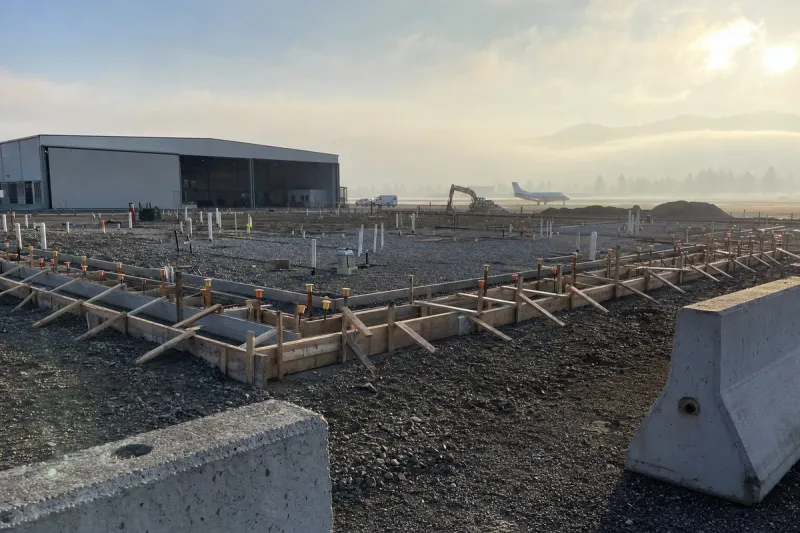
Businesses and aviation organizations testified before Cleveland's Transportation and Mobility Committee on October 7, calling on city officials to support new investment at Burke Lakefront Airport and warning that lease uncertainty is blocking tens of millions of dollars in planned facility upgrades. The Lakefront Airport Preservation Partnership (LAPP) stated that several airport tenants are prepared to invest tens of millions of dollars in their facilities but cannot proceed without long-term lease agreements.

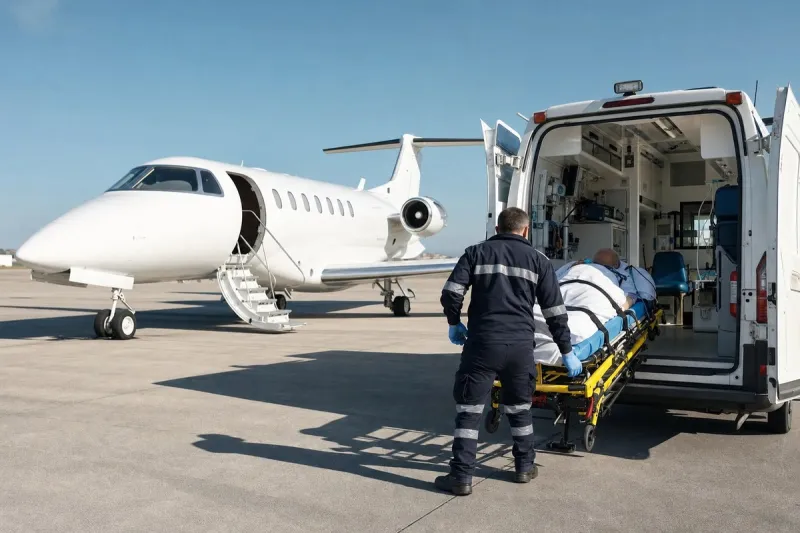
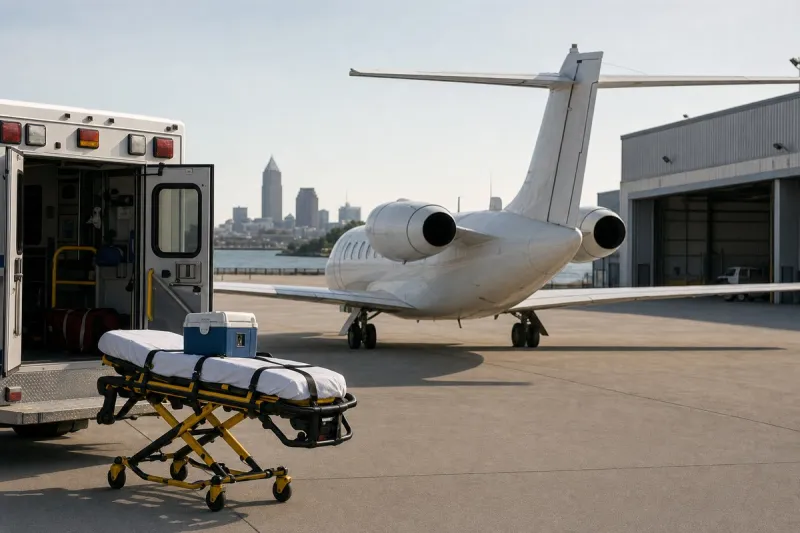
Witnesses included representatives from Aitheras Aviation, Signature Aviation, and Davis Aerospace & Maritime High School, all of whom described expansion plans stalled by the lease impasse. Aitheras Aviation founder George Katsikas highlighted the airport's role in transporting organs for transplant patients and proposed developing an air medical campus at Burke, cautioning that relocating those operations to other regional airports could affect patient care. Council Member Michael Polensek criticized the city's position, saying the administration refuses to extend leases or encourage investment at the airport, calling the approach "demolition by neglect." AOPA Great Lakes Regional Manager Kyle Lewis welcomed the hearing, saying it gave local companies, pilots, and national organizations the opportunity to speak about the airport's future.
Cleveland Mayor Justin Bibb has proposed closing Burke Lakefront Airport by 2029 as part of a broader lakefront redevelopment initiative, arguing the airport's roughly 450 acres of waterfront property could be redeveloped into parks, public access areas, and commercial developments. According to city figures, the airport recorded a $1.7 million operating deficit in 2025 and has operated at a loss for more than two decades. A 2026 economic study commissioned by the city examined potential recreational and commercial uses for the site. City officials have acknowledged that closing the airport would require federal authorization and a transition plan for existing operators; the city has not formally requested FAA approval to close the airport, and no final redevelopment plan has been approved.
Industry impact & what to watch
This dispute belongs to a familiar category for municipally owned general-aviation airports: a city weighing waterfront or urban land value against aviation operations that run at a persistent deficit, while tenants who depend on long-term certainty are left unable to commit capital. Lease duration is often the practical lever in these standoffs — tenants like fixed-base operators, flight schools, and specialty operators such as organ-transport services need enough lease runway to justify facility investment, and a city unwilling to extend terms can functionally freeze a field's development even before any closure vote occurs.
The organ-transport angle raised by Aitheras Aviation points to a less visible dependency some airports carry: time-sensitive medical logistics that can be disrupted if operations must relocate to other regional fields. Whether that factor weighs into the city's redevelopment calculus, or whether it is treated as a cost tenants must absorb elsewhere, is not yet settled.
The next concrete marker will be whether Cleveland submits a formal closure request to the FAA, since federal authorization and an operator transition plan are prerequisites the city itself has acknowledged it has not yet pursued. Until that filing happens, or until the city commits to the longer leases LAPP is requesting, the tens of millions in planned tenant investment remains on hold.