FAA Proposes Special Certification Conditions for Honda Aircraft HA-480 High-Altitude Jet
Why It MattersThe case shows how Part 23 rules, written before light jets routinely flew above 45,000 feet, now require bespoke special conditions to close structural and depressurization gaps for each high-altitude derivative.
What happened
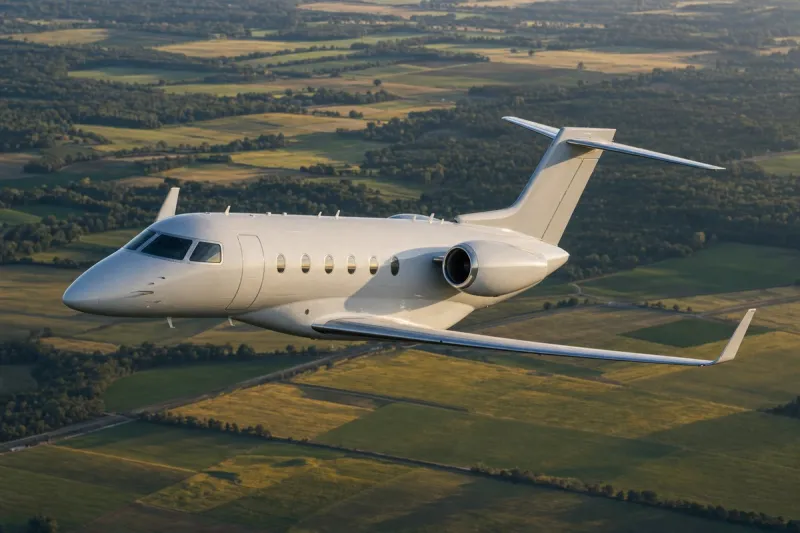
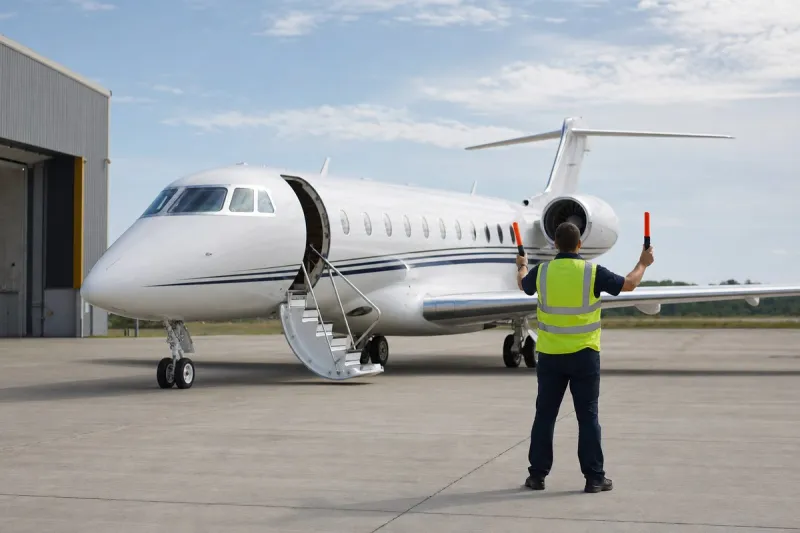
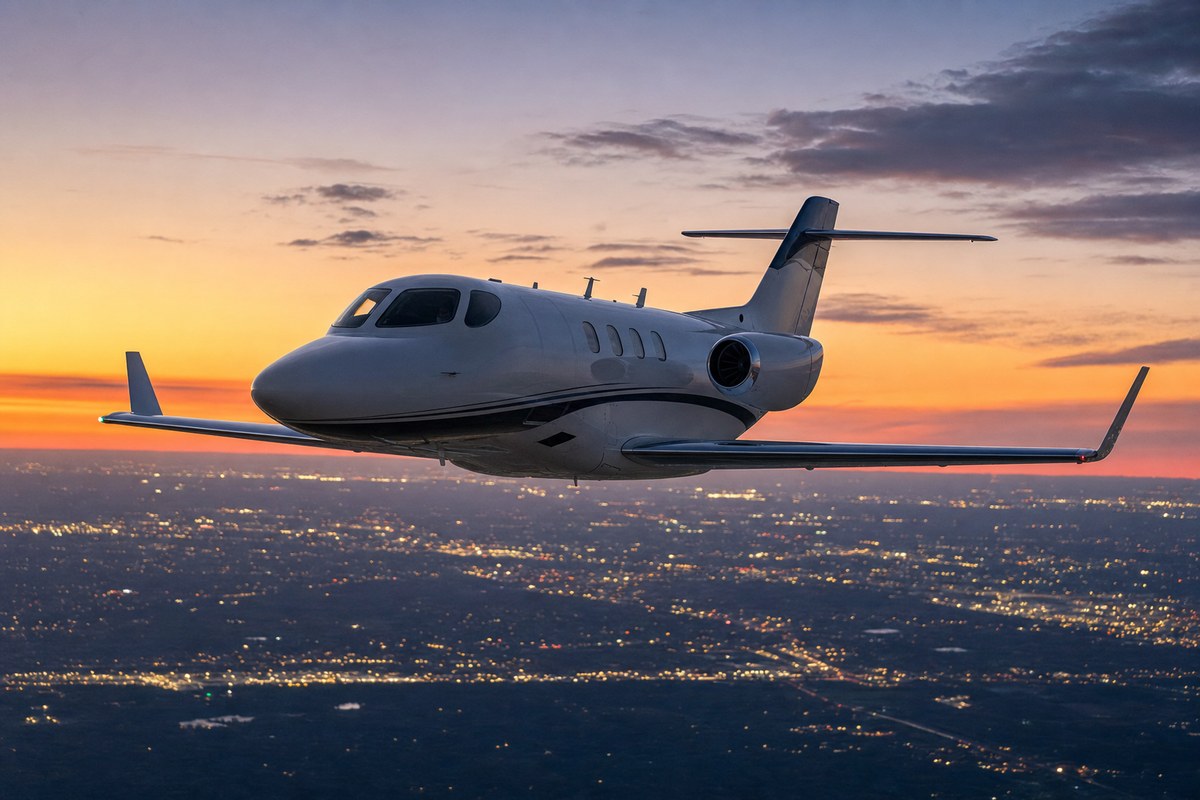
The Federal Aviation Administration published proposed special conditions Monday for the Honda Aircraft HA-480, a derivative of the HondaJet HA-420 designed to operate at altitudes up to 47,000 feet. The proposal targets the aircraft's pressurized fuselage and the additional structural loads generated during high-altitude flight, since current Part 23 regulations do not fully cover aircraft intended to operate above 45,000 feet.
For the HA-480, the FAA is proposing that Honda Aircraft apply a 1.67 safety factor — rather than the standard 1.33 factor — when demonstrating that the aircraft's pressure vessel can withstand maximum cabin pressure differential. The elevated factor would apply to the fuselage and other pressure vessel components, including doors and windows. The FAA stated the higher margin is necessary due to the increased pressure differential associated with the HA-480's high-altitude operations. The agency also evaluated whether additional requirements were needed to protect occupants following a loss of cabin pressure, but determined that separate special conditions are unnecessary because updated Part 23 rules already address depressurization for aircraft operating above 45,000 feet.
Honda Aircraft originally applied to amend the HA-420 type certificate to add the HA-480 in 2019. The aircraft is a twin-engine, normal-category airplane with seating for up to 11 people and a maximum takeoff weight of 17,550 pounds. The FAA is accepting public comments on the proposed special conditions through November 19, 2026, and may modify the requirements based on feedback received.
Industry impact & what to watch
Special conditions like these appear whenever a manufacturer pushes a certified airframe into a performance envelope the underlying rule set never anticipated. The HA-420 was certified under Part 23 limits that assumed lower operating altitudes, so extending the family to 47,000 feet forces the FAA to layer bespoke structural margins onto the existing framework rather than rewrite it outright.
The mechanism here is narrow but consequential: raising the safety factor from 1.33 to 1.67 for the pressure vessel changes the structural demonstration Honda Aircraft must complete for the fuselage, doors and windows, even though the agency found existing depressurization protections already sufficient. That split outcome — one area tightened, another left to standard rules — shows regulators calibrating certification requirement by requirement rather than applying a blanket high-altitude standard.
What happens next depends on the public comment period running through November 19, 2026, and on whether feedback prompts the FAA to adjust the proposed factor or its scope before the special conditions are finalized.