Viasat's Velaris Satellite Service Targets BVLOS Autonomous Aviation Connectivity
Why It MattersBVLOS certification is shifting from proving a single connected flight toward proving repeatable, multi-link communications architectures that regulators can treat as safety-critical infrastructure.
What happened
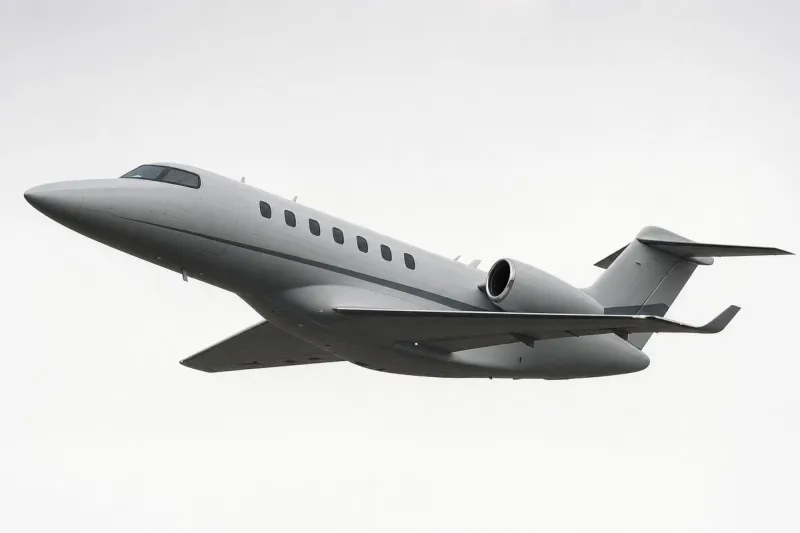
Viasat has presented its Velaris satellite connectivity service as a necessary enabler for beyond visual line of sight (BVLOS) autonomous aircraft operations, arguing that resilient communications infrastructure is now a prerequisite for scalable, certifiable uncrewed flights. Velaris is built on Viasat's L-band aviation safety service, which has supported crewed aviation communications — including Future Air Navigation Systems (FANS), oceanic operations, and air traffic management — for more than 30 years. The service is designed for uncrewed and emerging aircraft, using a satellite link to support real-time command and control, detect-and-avoid capabilities, and integration with air traffic and uncrewed traffic management systems.
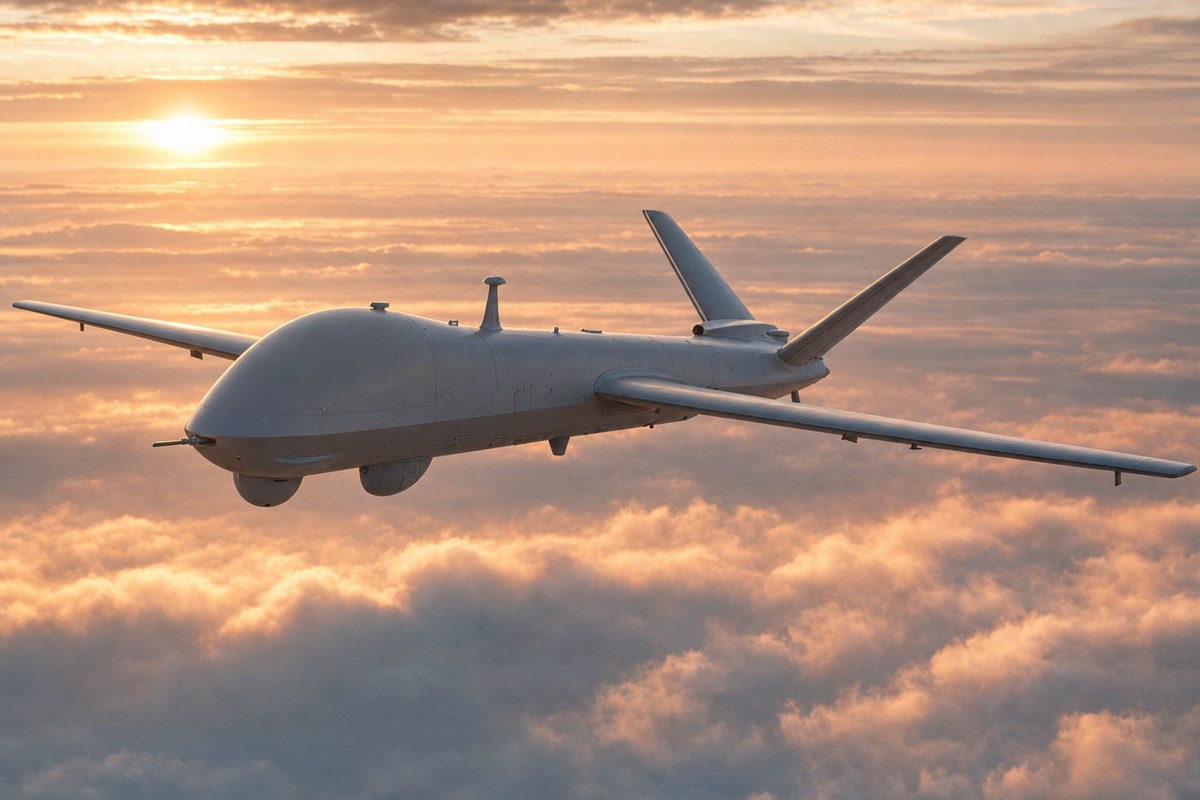
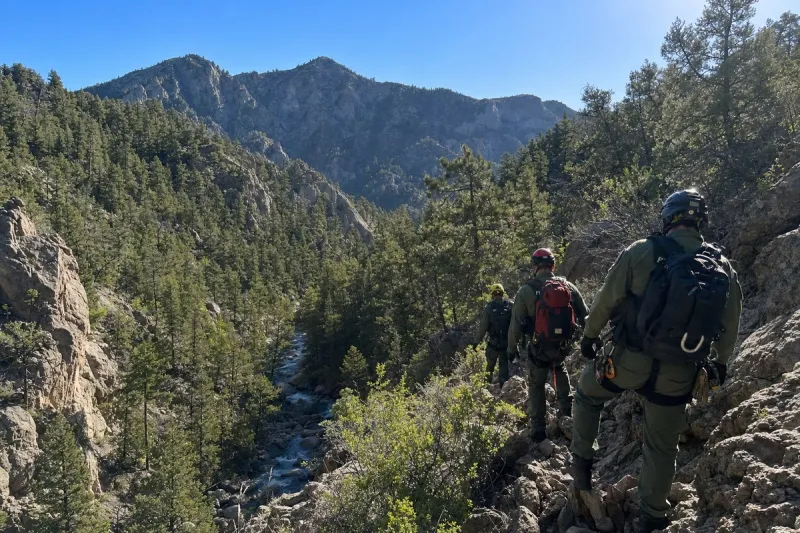
Viasat states that BVLOS missions frequently cross open water, remote countryside, mountainous terrain, or long infrastructure corridors where cellular coverage is intermittent or absent, and that in those environments a communications gap affects both operational safety and certification viability. The company says L-band's resistance to rain fade and its broad geographic footprint make it well suited to low-altitude operations in challenging weather and areas with sparse ground infrastructure. Viasat recently took part in a live demonstration of its L-band connectivity capabilities with partners Gotonomi and Videosoft Global, and separately, BVLOS flight testing using Velaris has taken place in the UK.
Viasat is working with airlines, aircraft developers, communications specialists, software providers, and certification experts to test integrated solutions, describing its target architecture as multi-link — combining satellite and terrestrial networks — with L-band providing a backbone for safety-critical command and control while other links add capacity for applications such as video. The company lists healthcare delivery of time-sensitive medicines and samples, logistics to isolated sites, emergency response situational awareness, and long-distance infrastructure inspection as missions that reliable BVLOS connectivity would enable. Marek Rakowski, Senior Manager for AAM/UAV Business Development at Viasat, said the sector is moving from proving that a drone can connect by satellite to proving that an integrated platform can operate safely, consistently, and repeatably — a distinction he described as central to achieving regulatory certification.
Industry impact & what to watch
This case belongs to a broader shift in advanced air mobility and uncrewed aviation, where the bottleneck for scaling operations is moving from aircraft hardware to the communications and certification architecture around it. Satellite connectivity providers are positioning themselves not as an add-on but as part of the safety case regulators will need to see before BVLOS flights can run routinely, rather than as isolated demonstration flights.
In this segment, certification pathways depend on showing repeatable performance across varied terrain and weather, not a single successful link. A multi-link approach — satellite for safety-critical command and control, terrestrial networks for capacity-hungry applications like video — reflects how operators try to match connectivity type to risk level rather than relying on one network for everything.
What to watch is whether the demonstrations with Gotonomi, Videosoft Global, and the UK flight testing translate into data that certification authorities accept as evidence of consistent, repeatable performance. Marek Rakowski's framing of the sector's shift from connectivity proof to operational reliability signals where the next disclosures — test results, regulatory filings, or additional partner demonstrations — are likely to surface.