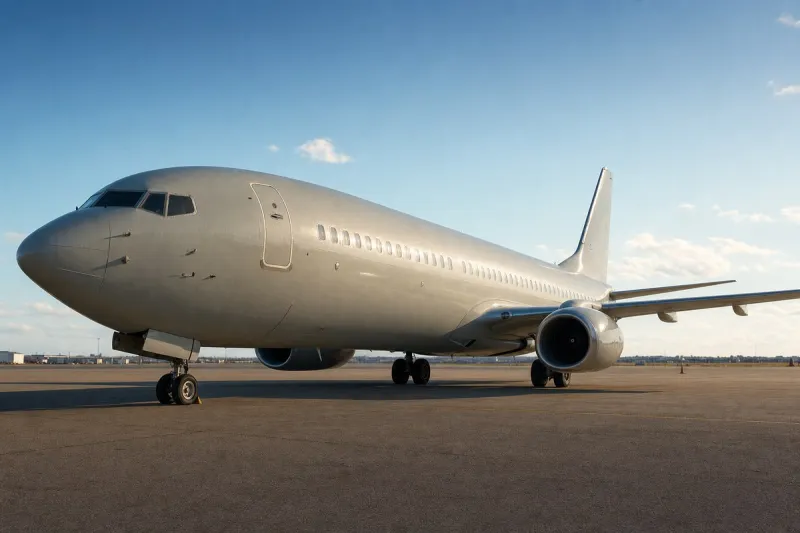
How the 45,500 kg Weight Threshold Affects Large-Cabin Business Jet Operations in the UK and Europe
Why It MattersWeight-based security exemptions create a hard operational line where a few hundred kilograms can determine airport access, permit priority and screening obligations regardless of actual passenger risk.
What happened
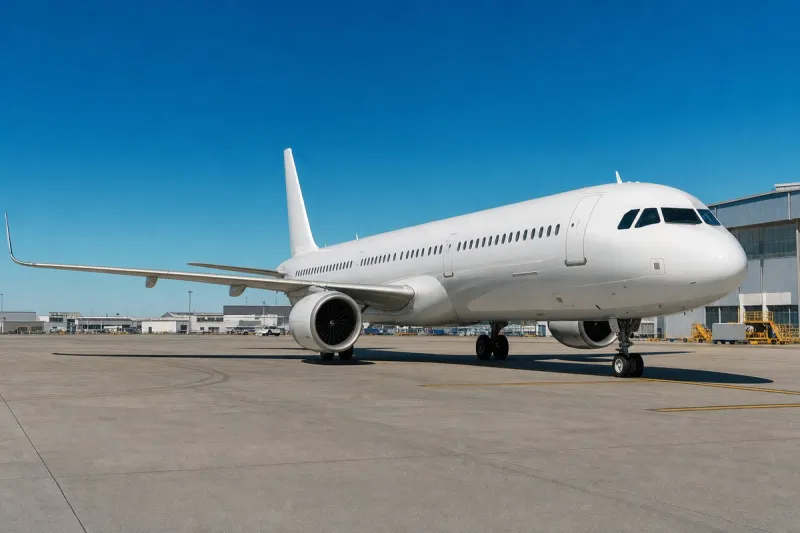
Aircraft with a certified maximum take-off weight of 45,500 kg or more fall under full passenger and baggage screening requirements in the UK and Europe, applying equally to commercial and private flights. Aircraft certified below that figure can qualify for alternative security arrangements that exempt them from screening entirely.
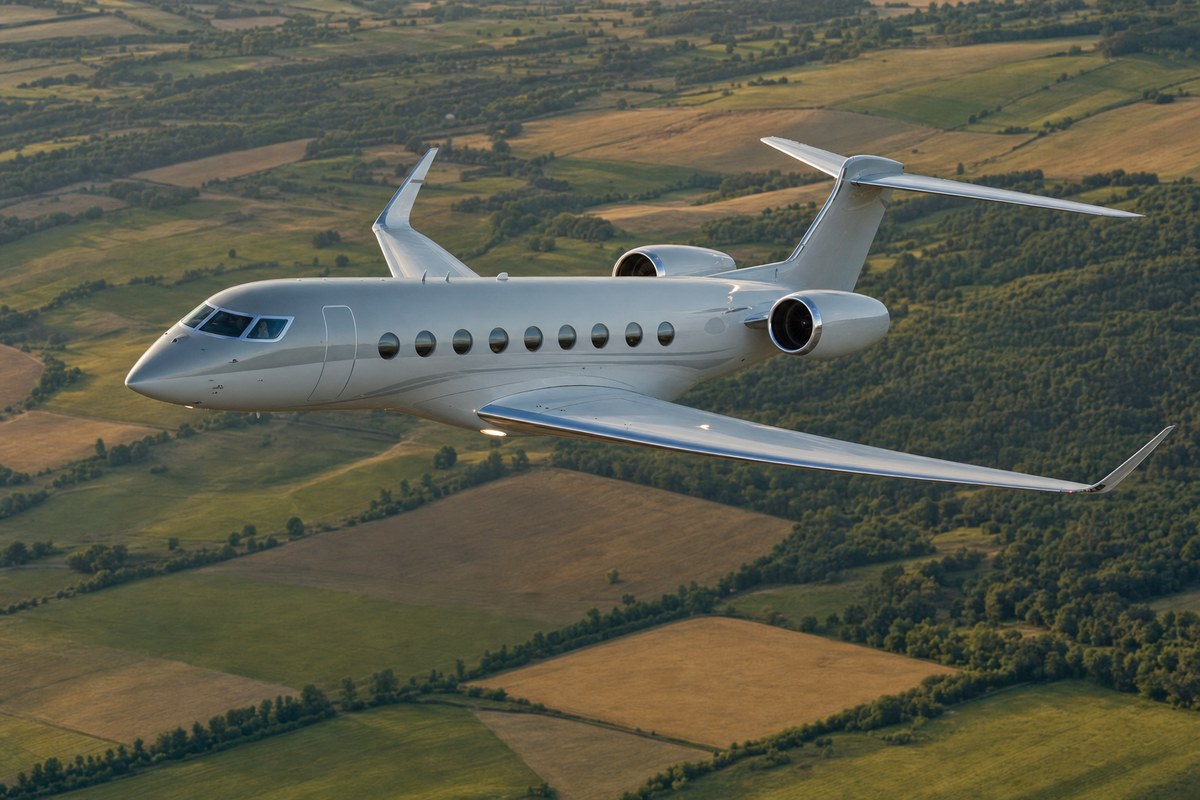
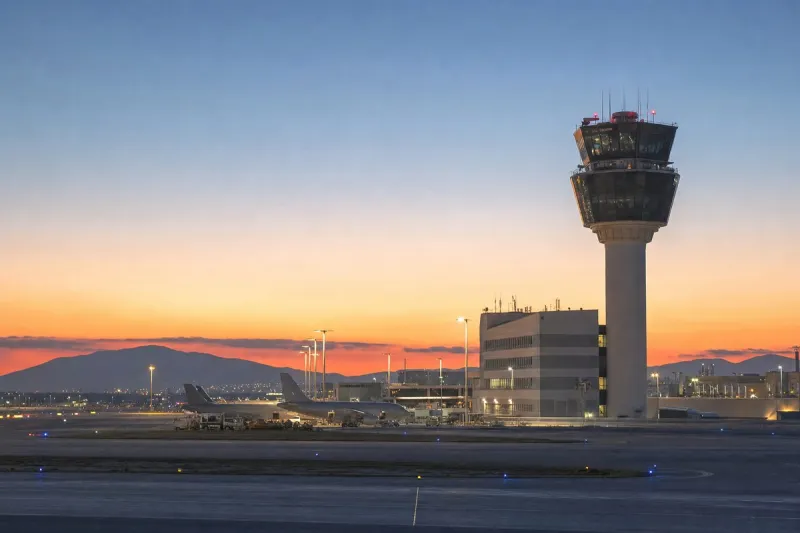
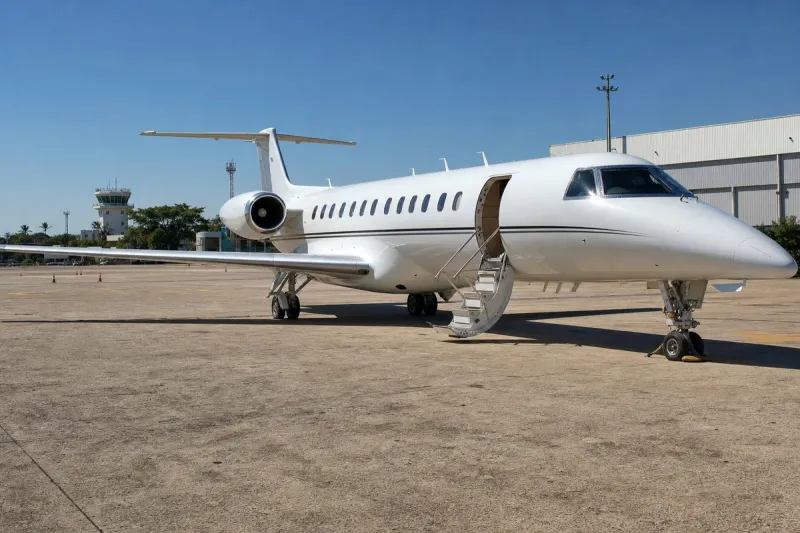
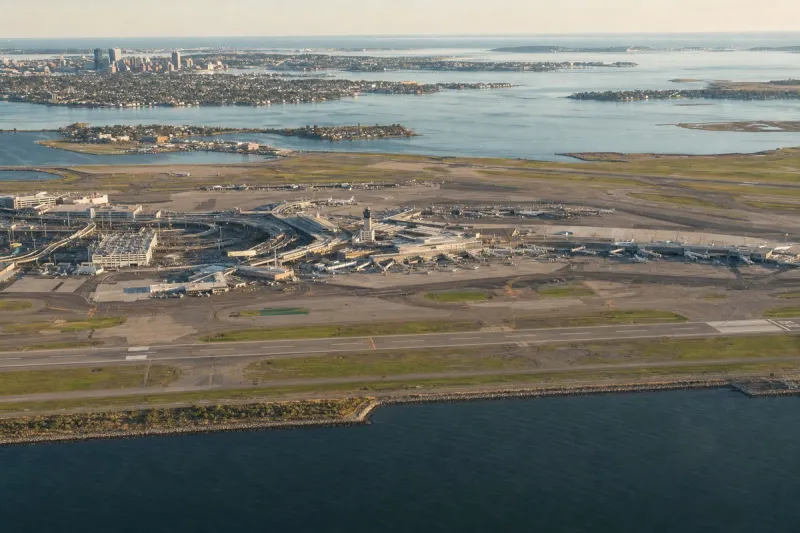
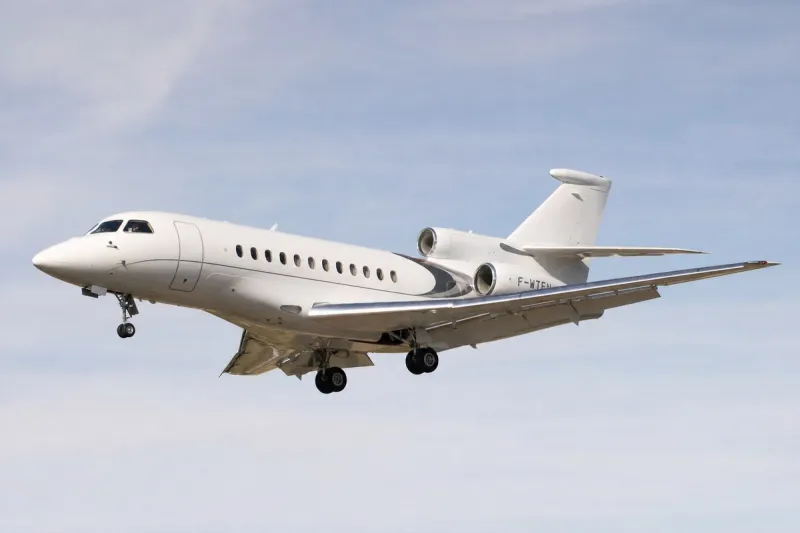
The newest large-cabin business jets, including the Gulfstream G700 and the Bombardier Global 7500, both exceed 45,500 kg in standard certified configuration, bringing their operators into the stricter screening regime — a change for owners not previously subject to airport screening. Oberpfaffenhofen (EDMO) in Germany is cited as an airfield lacking the screening infrastructure to handle aircraft at or above that weight when carrying passengers, leaving operators to choose between a crew-only ferry flight, diverting to another airport, or reducing the aircraft's certified MTOW through an approved modification.
Bombardier offers Service Bulletins and Gulfstream offers Airplane Service Change (ASC) 009B to reduce certified MTOW, each carrying a cost but restoring access to airports and permit categories limited to aircraft below the threshold. The UK generally accepts the lower certified weight once the relevant change is applied and documented, typically via a signed logbook entry and the applicable ASC or Service Bulletin. Switzerland, the Netherlands and several other Continental European states additionally require the state-of-registry noise certificate to reflect the reduced MTOW, meaning manufacturer paperwork alone may not suffice there. At congested summer destinations such as Figari in Corsica, an aircraft above the threshold can have its permit application processed alongside commercial airline traffic, making slots and parking harder to secure, and operators are advised to inform handling agents of the lower MTOW before submitting permit applications. EUROCONTROL calculates route charges using the manufacturer's standard MTOW rather than any reduced certified figure, and most airport weight-based charges follow the same practice.
Industry impact & what to watch
This is a case of a single regulatory number reshaping operational decisions well beyond its original security purpose: a 45,500 kg line drawn for screening logistics ends up dictating which airfields are usable, which permit queue an aircraft joins, and whether a weight-reduction modification is worth its cost. Large-cabin jets designed to maximise range and payload now sit just above a threshold set before aircraft of that size and capability existed in volume.
The segment's response has been to make the threshold itself a design and documentation variable rather than a fixed constraint — manufacturers sell MTOW-reduction paths precisely because operators value airport access and permit standing over the marginal payload or range they give up. But the fix is not uniform: a modification accepted on paperwork alone in the UK can require a reissued noise certificate elsewhere, and none of it changes what EUROCONTROL or most airports bill, since route and weight-based charges track the manufacturer's original certified figure regardless of any later reduction.
Operators weighing these modifications should track how national authorities beyond the UK, Switzerland and the Netherlands treat reduced certification, since inconsistent recognition across states is what turns a straightforward weight change into a country-by-country compliance exercise.