Shuttle Service Between Aspen and Eagle County Airports Could Launch This Winter Ahead of 2027 Closure
Why It MattersThe episode shows how regional airport closures push planners toward subsidized shared transport to prevent fare spikes and rental-car congestion when traffic diverts to a secondary airport.
What happened
A shuttle service linking Aspen and Eagle County Regional Airport could start as early as this ski season, according to a presentation made Wednesday to the Pitkin County Board of County Commissioners. The service is being organized by the Community Continuity Planning Group, which includes representatives from Pitkin and Eagle counties and community stakeholders, to maintain transportation continuity during the planned closure of Aspen/Pitkin County Airport from April to November 2027.

American Airlines and United Airlines, two of Aspen Airport's three major flight partners, have already announced expanded schedules to Eagle. Eagle airport will serve 112 weekly flights next summer, a nearly 130% increase from 46 weekly flights this summer. Delta, Aspen Airport's third major partner, has not yet indicated plans for additional Eagle services, Airport Director Diane Jackson told commissioners.
RFTA has launched a Request for Qualifications process for shuttle services from both Eagle and Denver. Planners are aiming to keep the shuttle fare at around $50 to discourage a surge of rental car traffic into the valley. The subsidy for the service is currently projected at $600,000, with half expected from the Elected Official Transportation Committee and the remainder from other partners including ACRA, RFTA, and Aspen One, all of which have tentatively offered contributions. County Manager Kara Silbernagel said, "If there was a free-market solution, a private solution, it would already be happening."
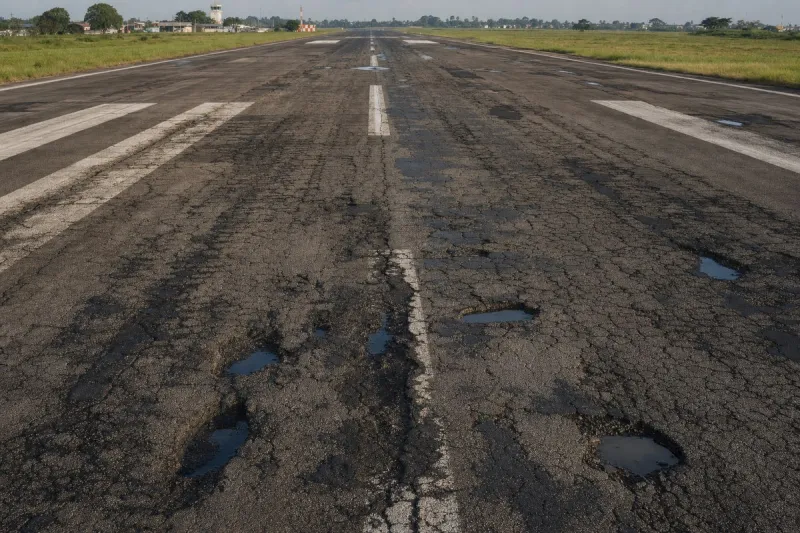
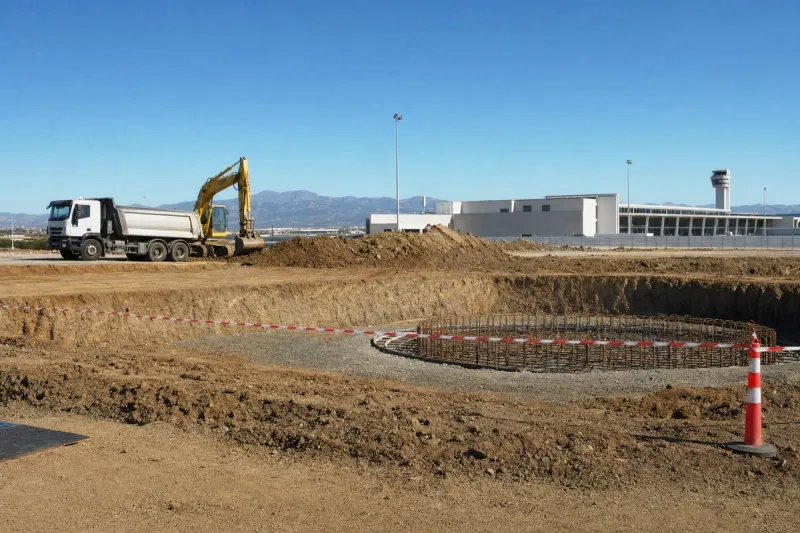
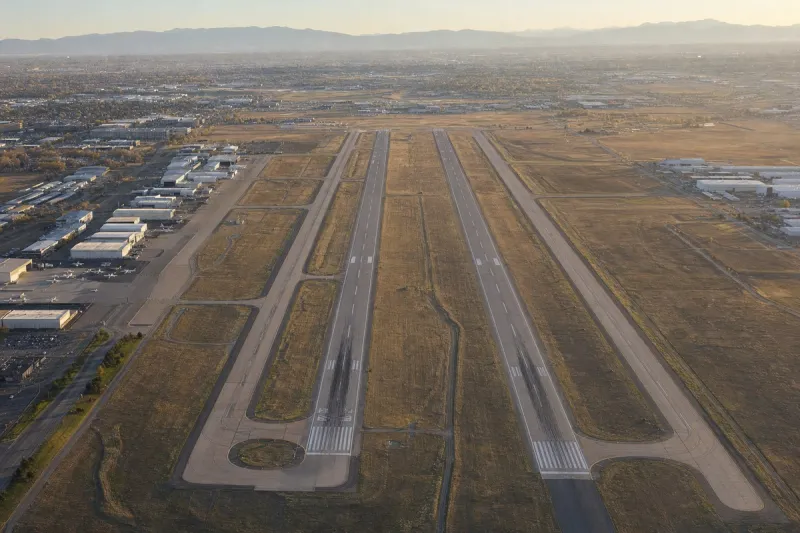
Separately, the Airport Modernization project remains on schedule. Terminal design has entered its Design Development phase, with early construction expected to begin in April. The runway design is also advancing, backed by a Federal Aviation Administration grant exceeding $37 million. Deputy County Manager Ryan Mahoney described November as a critical month for design development decisions.
Industry impact & what to watch
This is a case of two airports in the same catchment area having to coordinate schedules, ground transport and fares around a fixed closure window rather than letting passengers sort themselves out. When one field absorbs another's traffic for several months, airline capacity shifts first and ground access follows only if someone plans and subsidizes it.
The arithmetic here is telling: a near-130% jump in weekly flights at Eagle, paired with only two of three major carriers committing so far, leaves a gap that a shuttle is meant to fill before travelers default to rental cars. Keeping the fare near $50 only works if the subsidy holds, and that subsidy is still a patchwork of tentative contributions from the transportation committee, ACRA, RFTA and Aspen One rather than a locked-in budget.
What happens with Delta's Eagle schedule, whether the remaining subsidy partners formalize their contributions, and how the RFQ responses shape the final shuttle terms will determine whether this stays a planning exercise or becomes an operating service before the 2027 closure. November's design development decisions on the Airport Modernization project will also show whether the runway and terminal work stays aligned with that same timeline.