Ottawa Flying Club to lose airport base ahead of its centenary as lease expires in 2028
Why It MattersThe displacement of a longstanding training operator from a major airport to make way for infrastructure plans underscores how general-aviation flight schools increasingly compete for scarce real estate against commercial airport expansion.
What happened
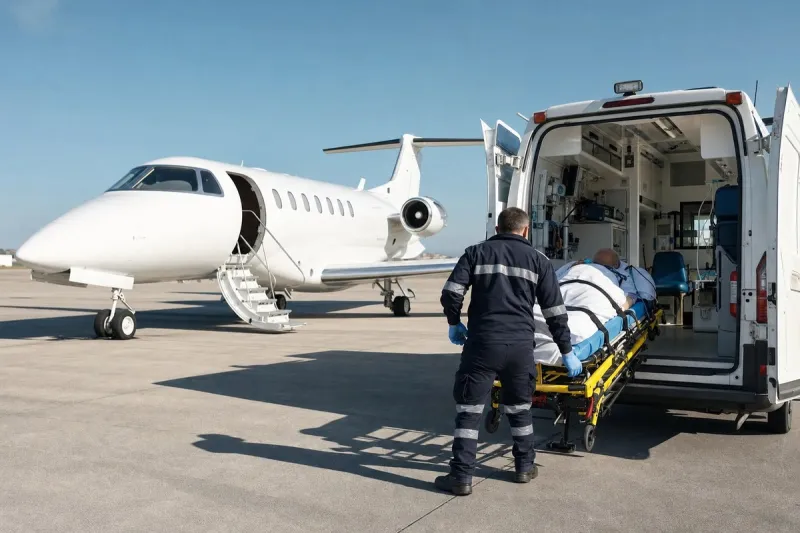
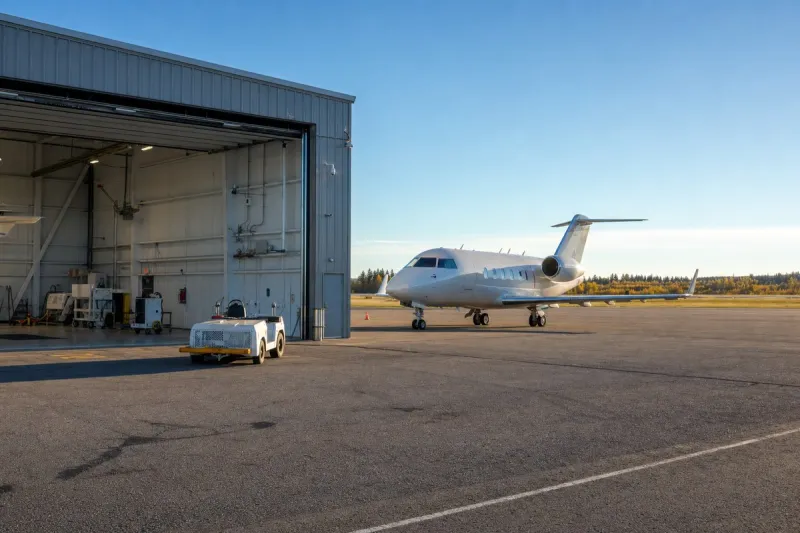
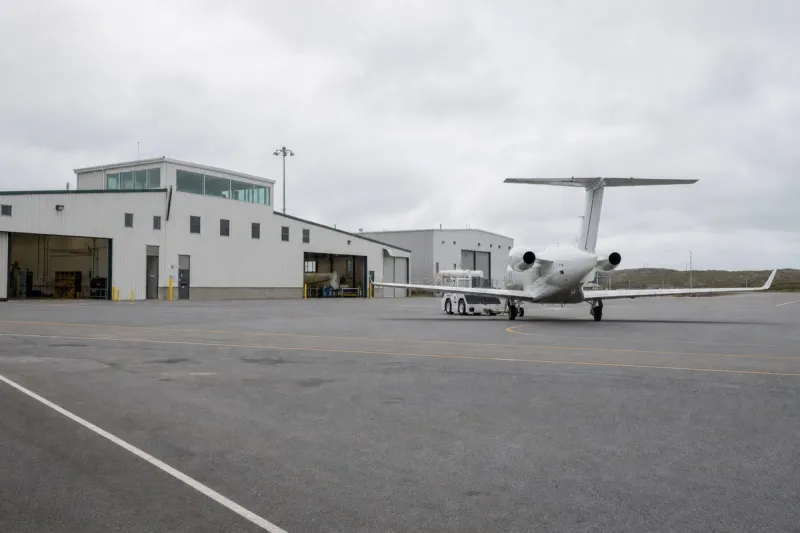
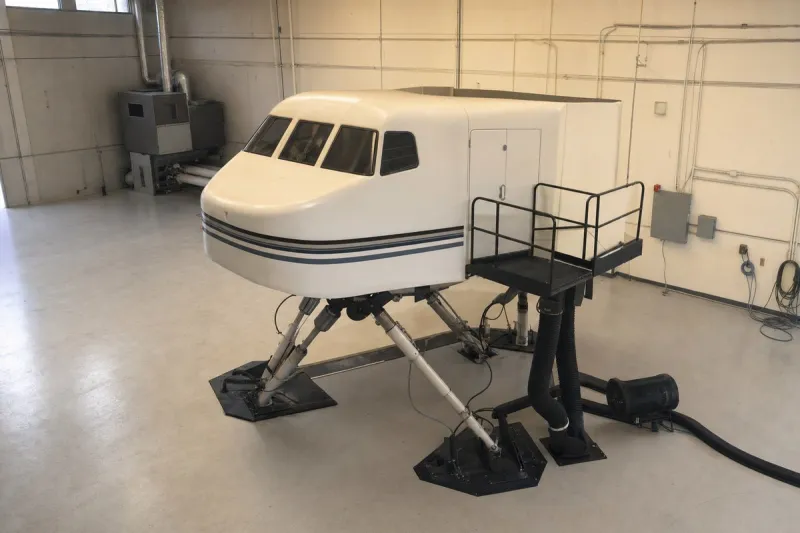
The Ottawa Flying Club, founded in 1928, will lose its home base at Ottawa International Airport when its lease expires at the end of March 2028 — the year the club would have marked its 100th anniversary. The club sits at the north end of the airport's property and currently has more than 100 students, about 50 members and 16 aircraft. It operates as a Transport Canada-approved training unit and career college, offering private and commercial pilot training, aircraft rentals and sightseeing tours.
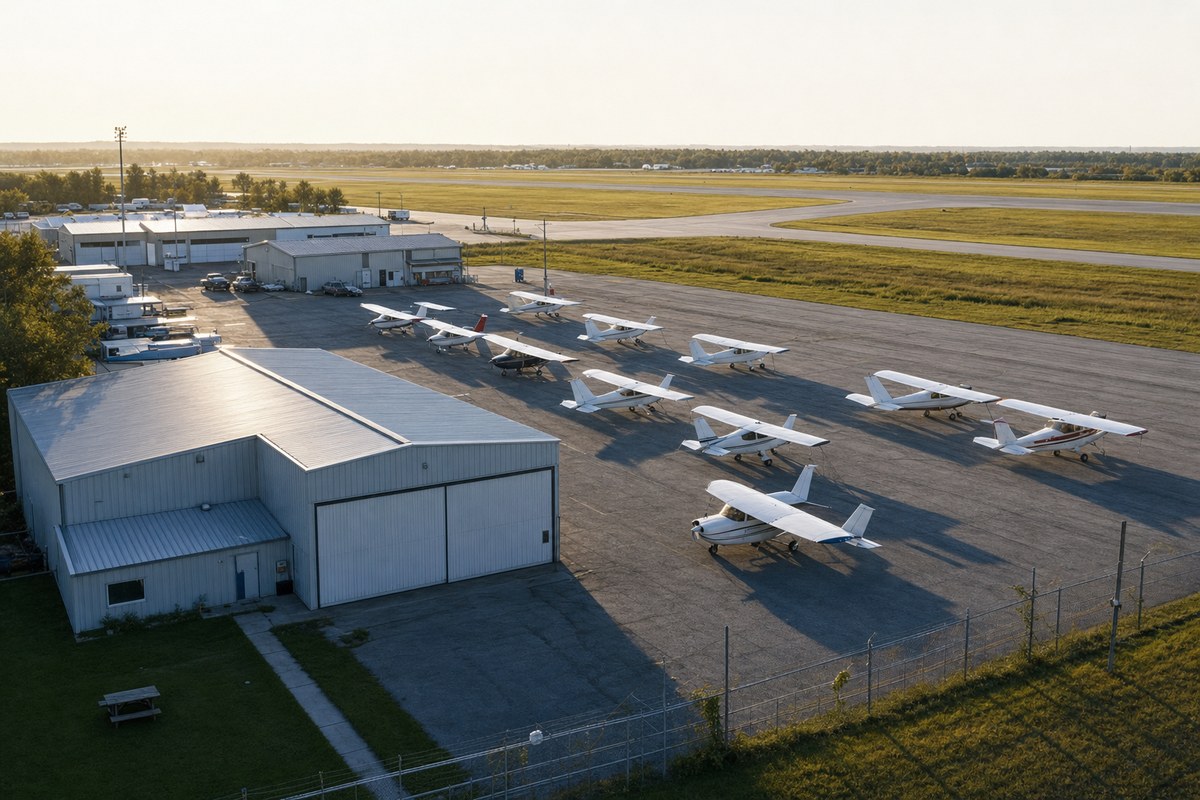
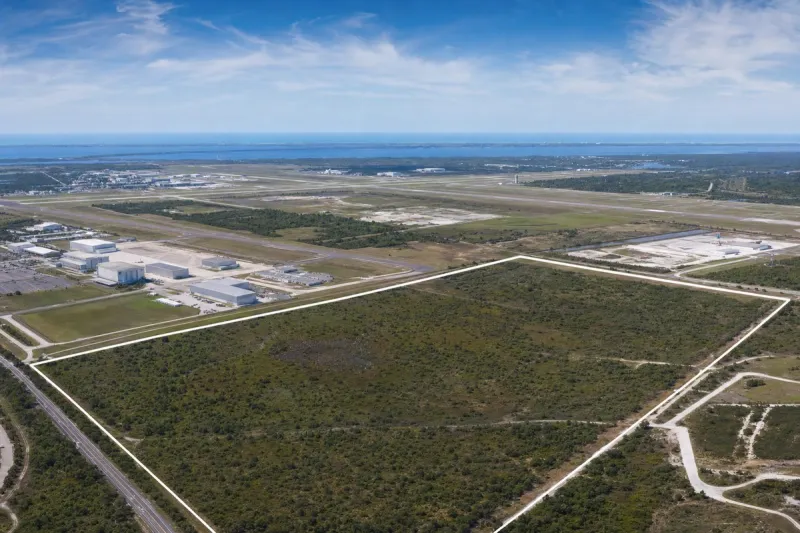
The airport authority told CBC that the club "exercised its contractual right to one final lease" when it signed the current agreement in 2021. The authority said the north field — which includes a 1,006-metre runway used exclusively for light general aviation movements — is required for a planned "major airfield project," though no specifics about that project were provided. The authority acknowledged that the Ottawa Flying Club predates commercial operations at the airport and described it as believed to be the last club of its kind at a major Canadian airport. It noted that Rockcliffe Airport has indicated the club would be welcome there and said it has offered support to facilitate a potential move.
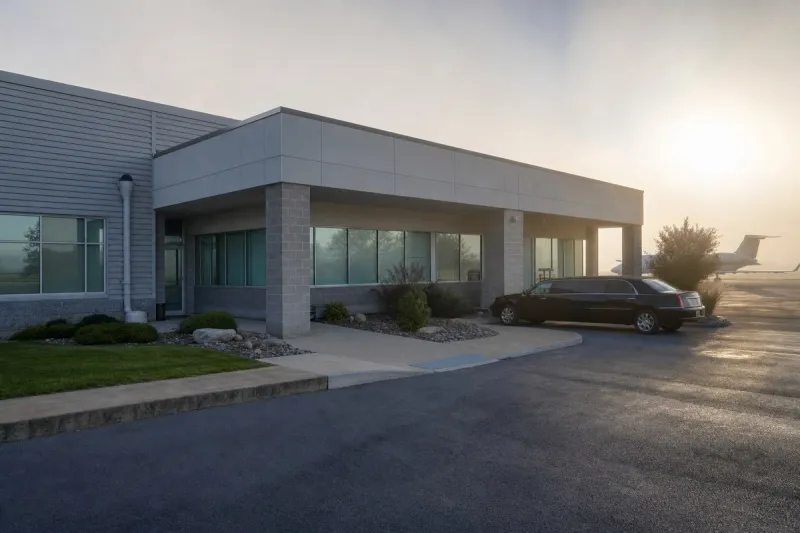
Club president Rod Cross said he remains concerned about his students, many of whom go on to fly for major Canadian airlines or air ambulance services such as ORNGE. He argued that training at the international airport provides critical experience with instrument landing systems and direct communication with NAV Canada staff — advantages he says Rockcliffe Airport cannot replicate. Cross also warned that the closure of flight schools across Canada risks creating a long-term pilot shortage, saying, "I don't want to make the same mistake that we have with family doctors, where it's very hard to find a family doctor across the country. I see the same problem with pilots in 10 years." The club's headquarters have grown from a two-storey clapboard house to a modern facility with an aircraft hangar, full maintenance and inspection facilities, and a lounge overlooking the airport.
Industry impact & what to watch
This case sits within a broader tension at major airports between commercial expansion and the general-aviation tenants that trained generations of pilots on the same property. Training units that rely on proximity to instrument landing systems and live air traffic control communication gain real operational value from being based at a busy international field, value that a smaller satellite airport cannot automatically replicate even when it offers hangar space and a welcome.
How this plays out will depend on what the airport authority's "major airfield project" turns out to require of the north field, and on whether Rockcliffe Airport can be adapted to offer comparable training conditions before the March 2028 deadline. Rod Cross's warning about a long-term pilot shortage points to a question beyond this single lease: whether displacing established flight schools from major airports, one contractual cycle at a time, narrows the pipeline that regional airlines and services like ORNGE depend on. The next marker to watch is whatever detail the airport authority eventually releases about the airfield project itself, since that will determine whether any accommodation for the club remains possible before the lease runs out.