Athens International Airport moves to Level 3 coordination as runway works set capacity limits through 2027
Why It MattersLevel 3 coordination shows how congested hub airports absorb infrastructure works without halting operations, trading hourly throughput for schedule certainty across defined seasonal windows.
What happened
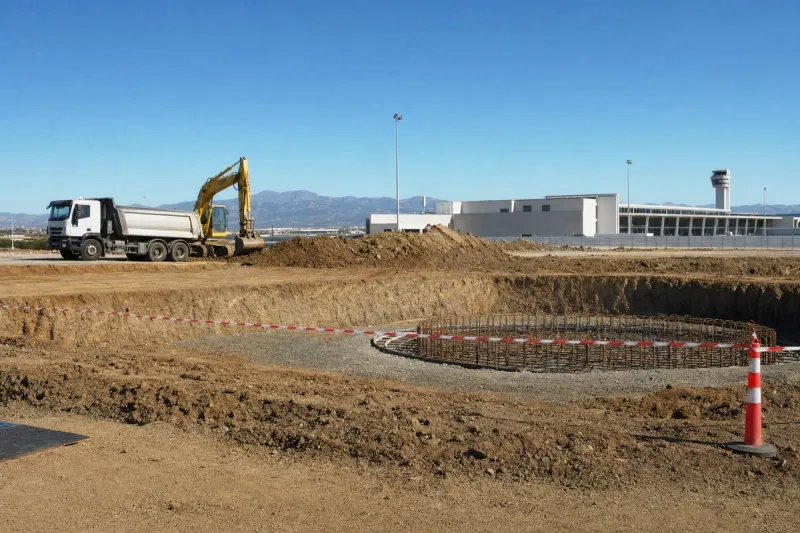
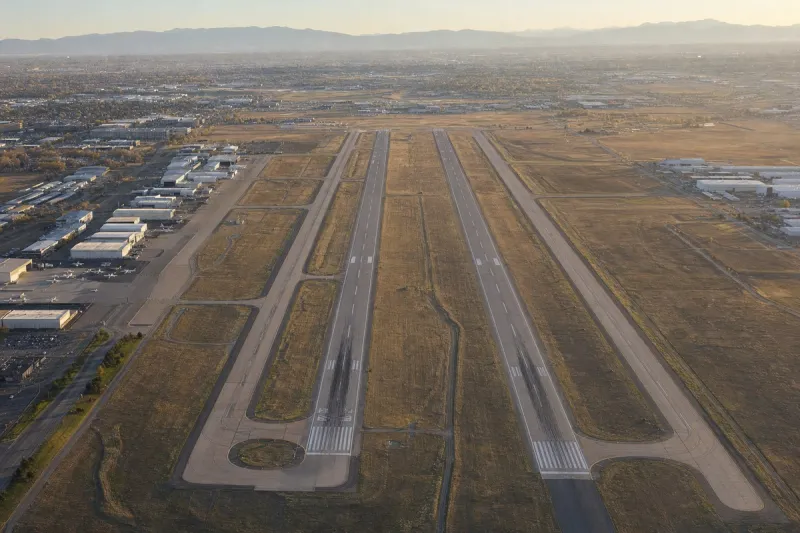
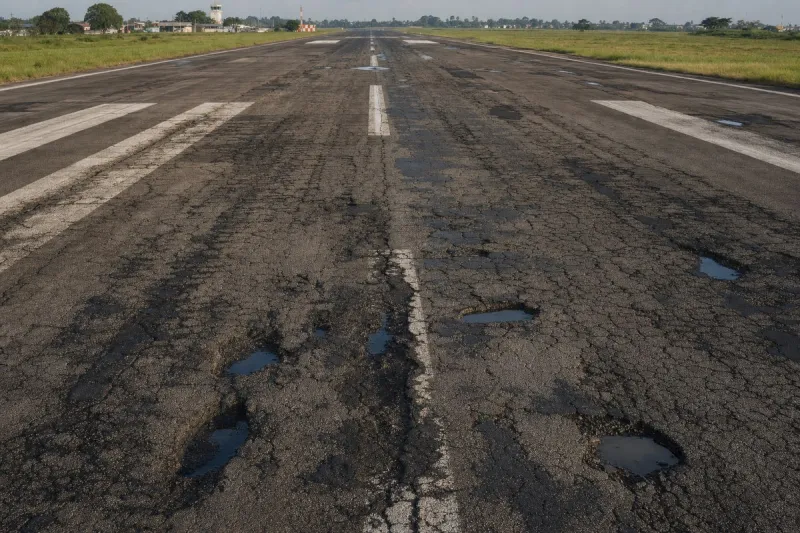
Athens International Airport (AIA) is transitioning to Level 3 airport coordination status, a change driven by planned maintenance and upgrade works on its western and eastern runways. The works will affect available capacity in phases, with coordination parameters adjusted accordingly to limit operational disruption.
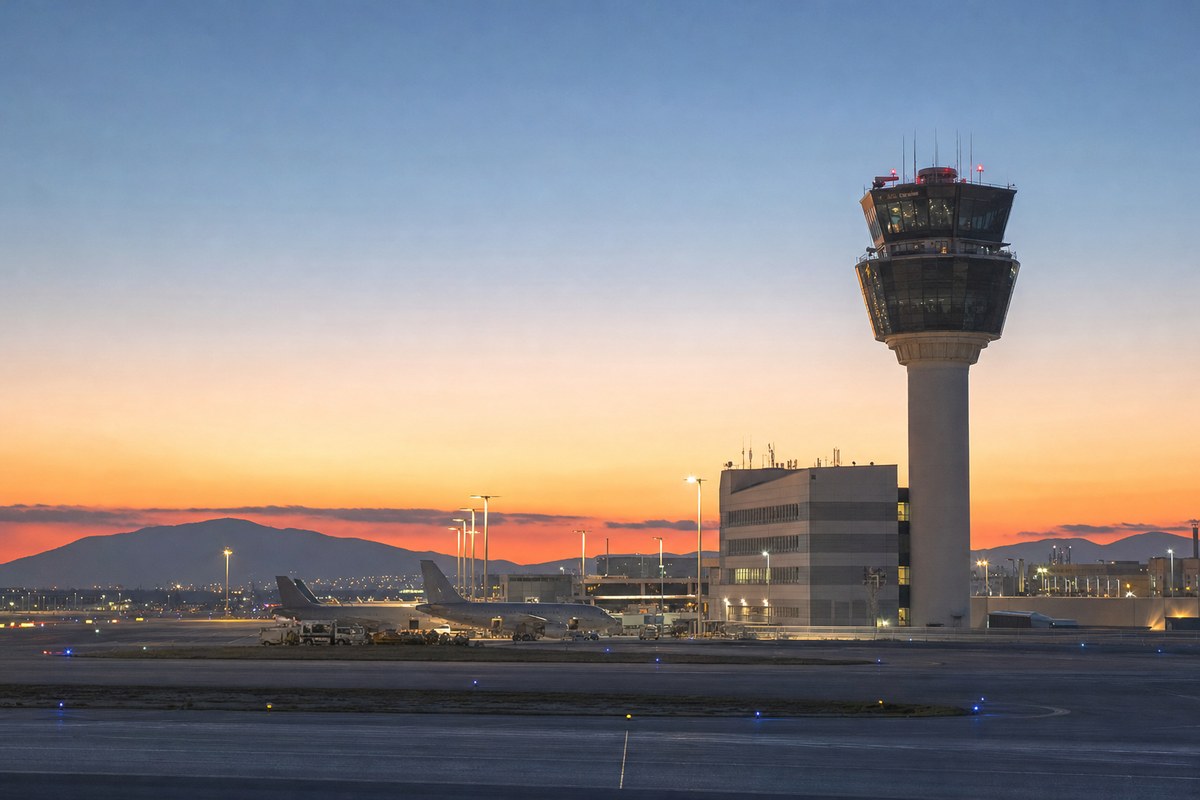
Under the new regime, from March 28 to April 30, 2027, the airport will be limited to 22 arrivals and 25 departures per hour. In May 2027, those limits rise to 25 arrivals and 30 departures per hour. From June 1 to September 13, 2027, the capacity parameters revert to those applied during summer 2026. Between September 14 and 17, 2027, limits tighten to 21 arrivals and 23 departures per hour, before returning to 25 arrivals and 30 departures from September 18 through October 30, 2027.
The push for stricter coordination had previously been raised by air traffic controllers during the past summer as a response to persistent flight delays at Greece's largest airport.
Industry impact & what to watch
Moving an airport to Level 3 coordination is the formal mechanism schedule-constrained hubs use when physical capacity cannot meet demand for a defined period: slots become mandatory and enforceable rather than advisory, and the published arrival and departure ceilings become the real limit on how many movements can be planned, not just a target.
The phased structure at Athens shows how this works in practice. 22 arrivals and 25 departures per hour during the spring 2027 runway works, rising to 25 arrivals and 30 departures in May, reverting to summer 2026 parameters through mid-September, then tightening again before a final easing in October — each window reflects a different stage of runway availability, and airlines building 2027 schedules will need to plan around each one rather than a single flat cap.
What happens next is whether carriers operating into Athens adjust frequencies or aircraft gauge to fit the tighter spring and September windows, and whether the coordination parameters hold as published once the runway works are underway.