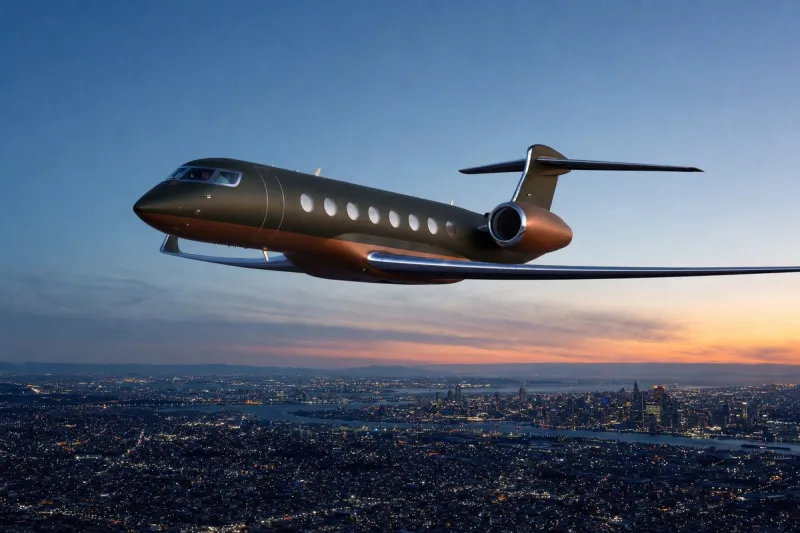
Five Reasons Why Large Business Jets Routinely Cruise Above Airline Traffic
Why It MattersAltitude capability becomes a competitive differentiator for large-cabin business jets, since lighter operating weights and pressurization systems let them trade congested airline flight levels for smoother, less restricted airspace.
What happened
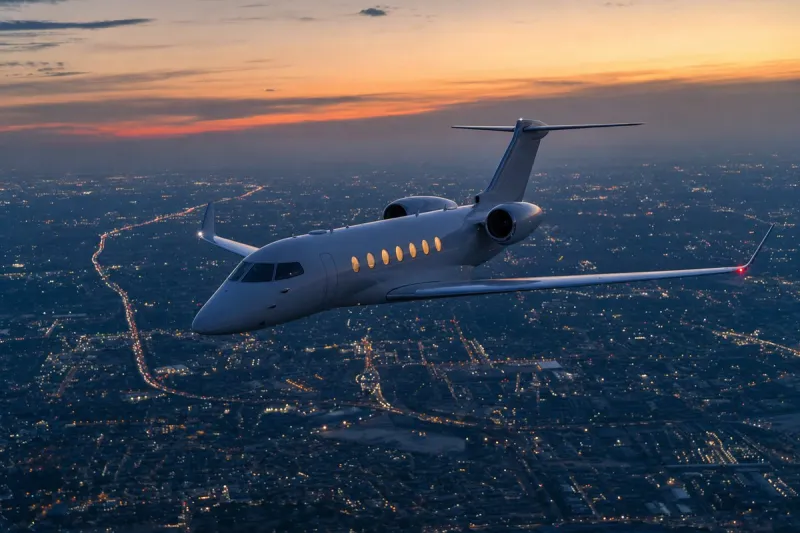
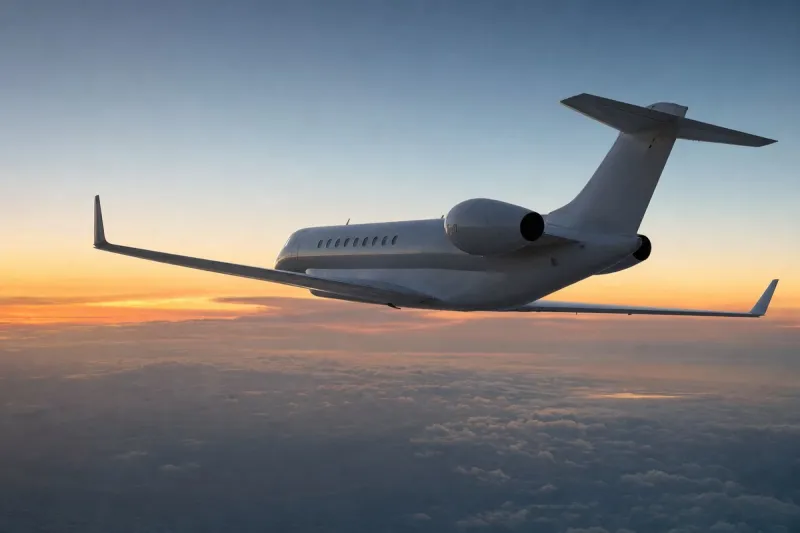
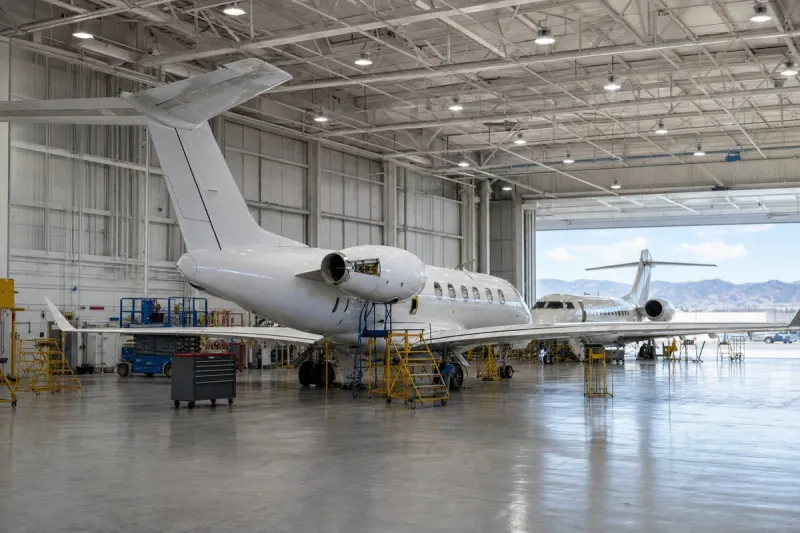
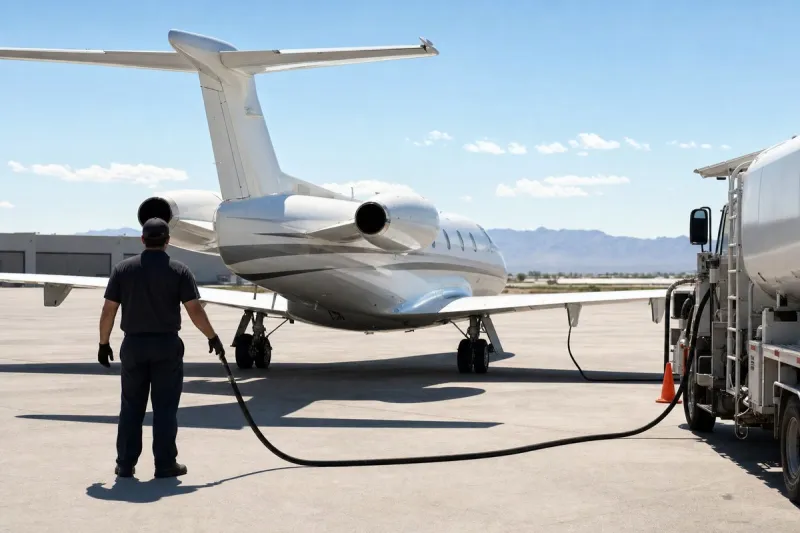
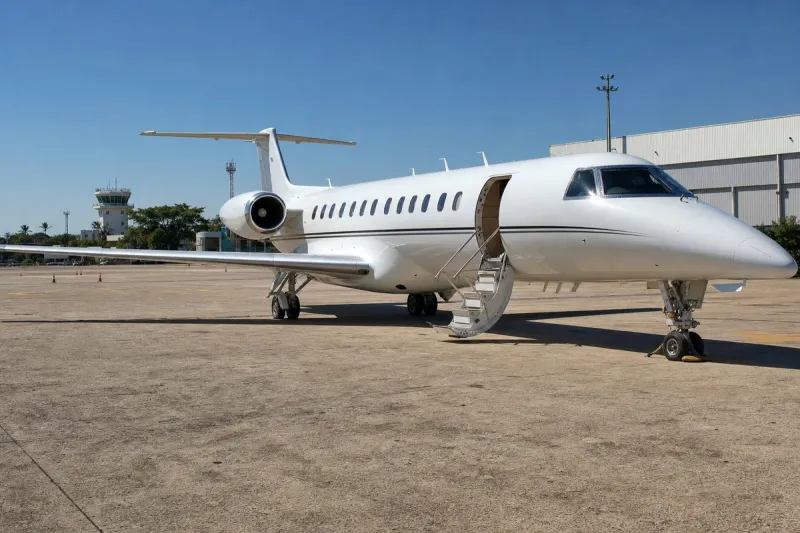
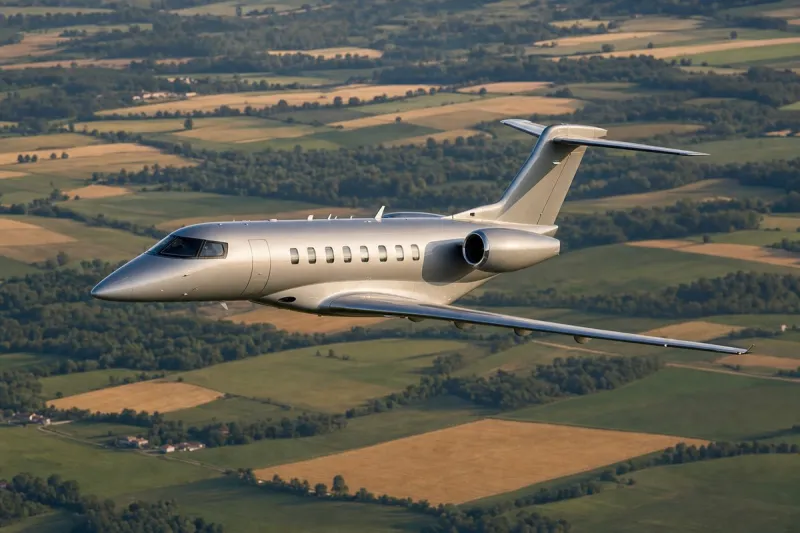
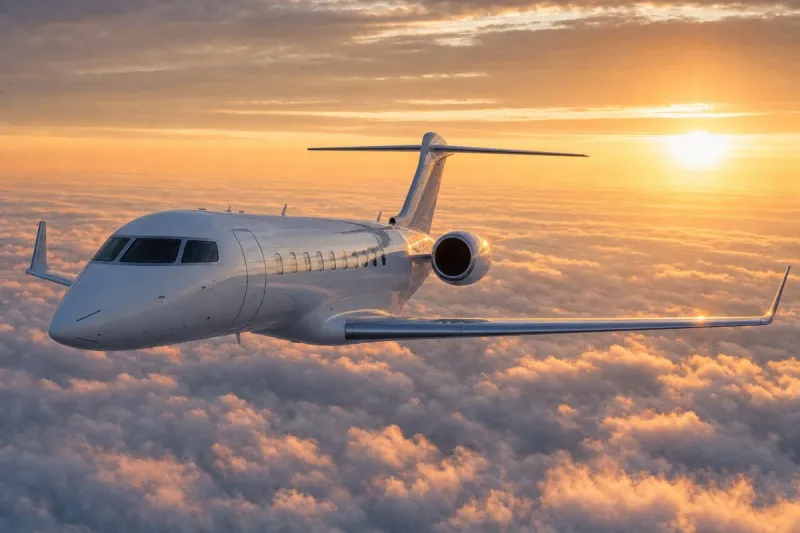
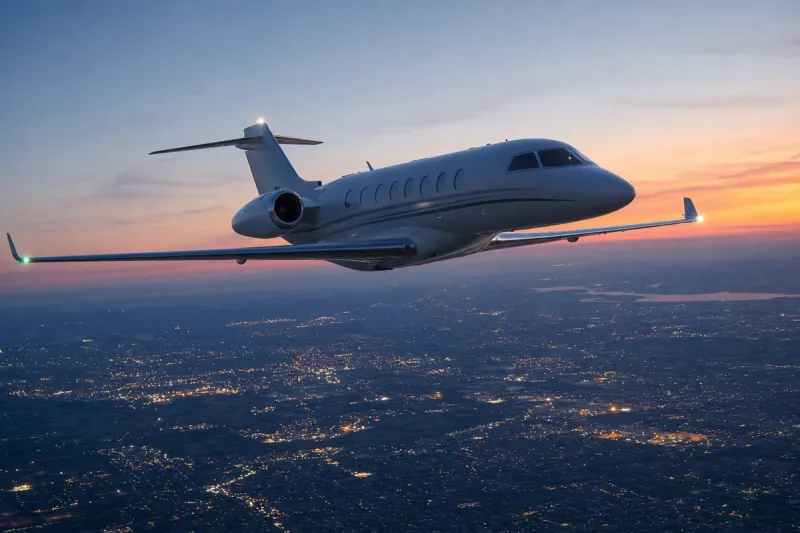
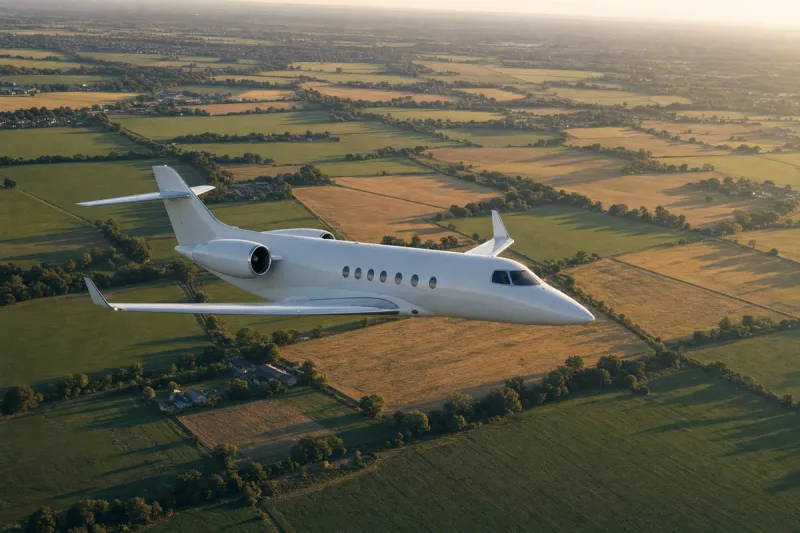
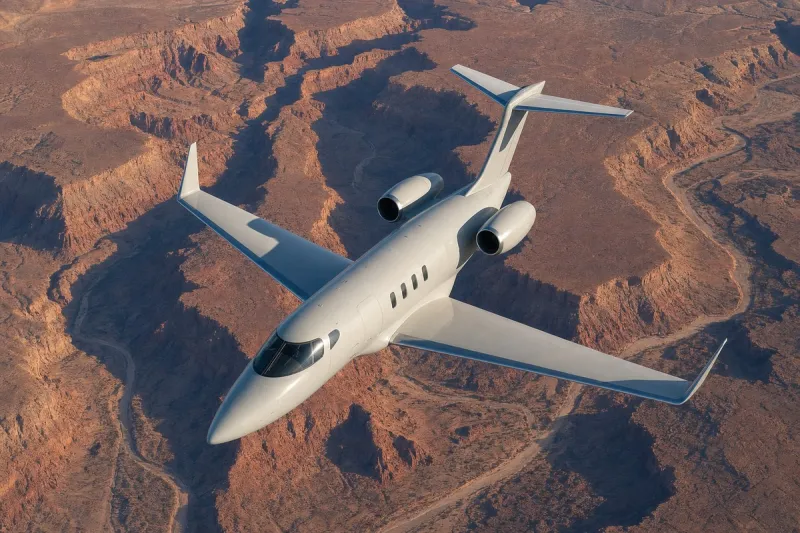
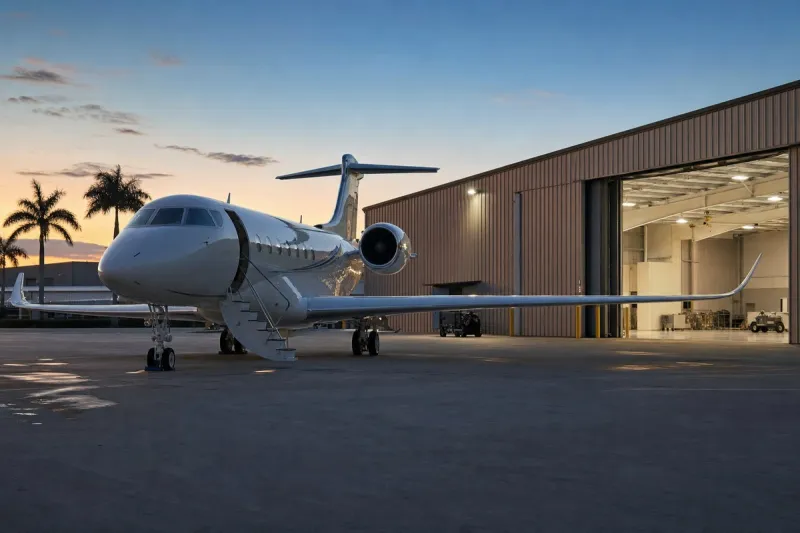
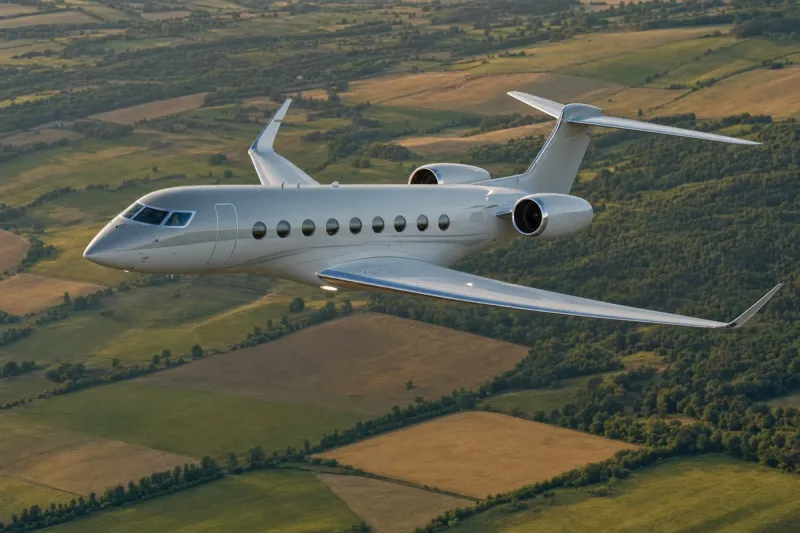
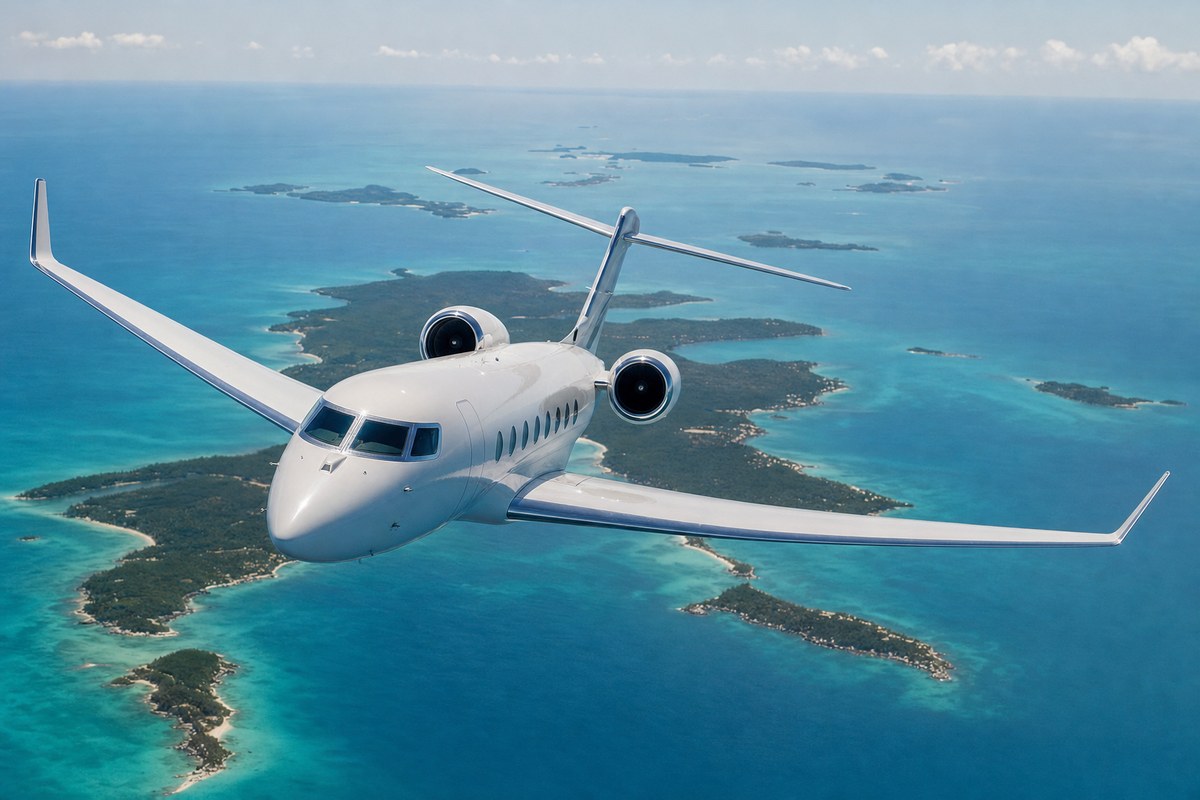
Large long-range business jets, including the Gulfstream G650 and Bombardier Global 7500, share a maximum operating altitude of 51,000 feet (15,544 meters), well above the levels where most commercial airliners fly. The G650 reaches an initial cruise altitude of 41,000 feet (12,497 meters), is certified for up to 19 passengers, and has a maximum takeoff weight of approximately 99,600 lb (45,200 kg). Its two Rolls-Royce BR725 engines each produce 16,900 lb (75.2 kN) of takeoff thrust, and the aircraft cruises between Mach 0.85 and Mach 0.90, with a maximum operating speed of Mach 0.925. The Gulfstream G650ER carries a maximum takeoff weight of 103,600 lb.
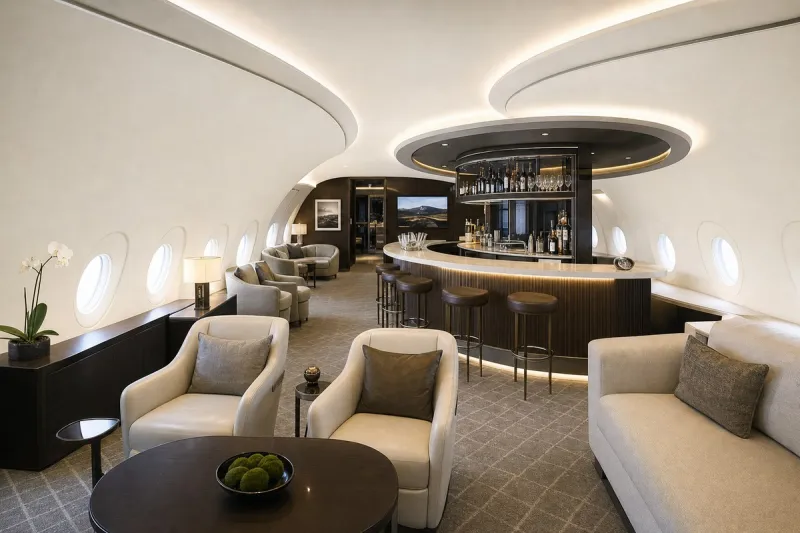
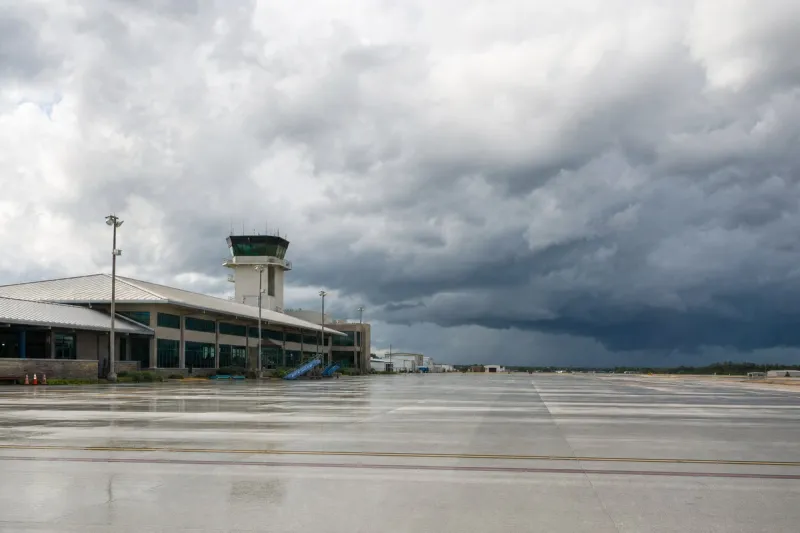
The FAA's Reduced Vertical Separation Minimum (RVSM) system covers flight levels from 29,000 through 41,000 feet (8,839-12,497 meters), where qualifying aircraft are separated vertically by 1,000 feet (305 meters); above 41,000 feet, standard vertical separation in US airspace generally increases to 2,000 feet (610 meters). The FAA notes that aircraft can sometimes fly over thunderstorms when sufficiently above their tops, though crews must otherwise route around hazardous weather. At 41,000 feet, the G650 maintains a cabin altitude of approximately 3,290 feet (1,003 meters), rising to roughly 4,100 feet (1,250 meters) at 51,000 feet, using a 100% fresh-air pressurization system that continuously replaces cabin air throughout the flight.
Five factors were identified as converging to enable this altitude advantage: aircraft performance, airspace structure, weather avoidance, routing flexibility, and cabin pressurization capability. Reaching a certified ceiling depends on actual weight, temperature, winds, and air-traffic-control clearance, so an aircraft does not automatically climb to its maximum altitude on every flight.
Industry impact & what to watch
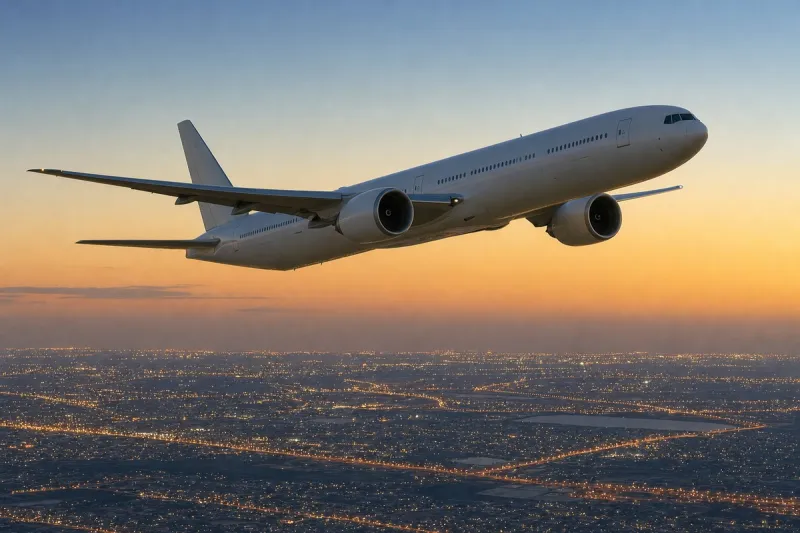
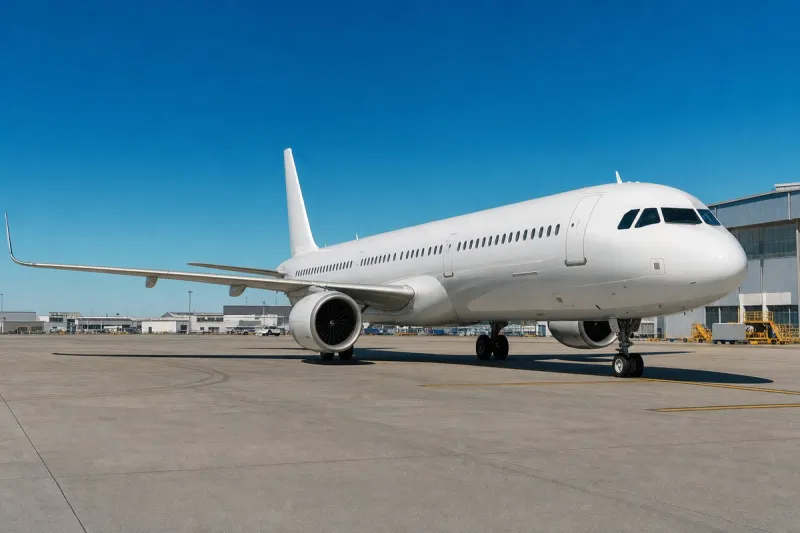
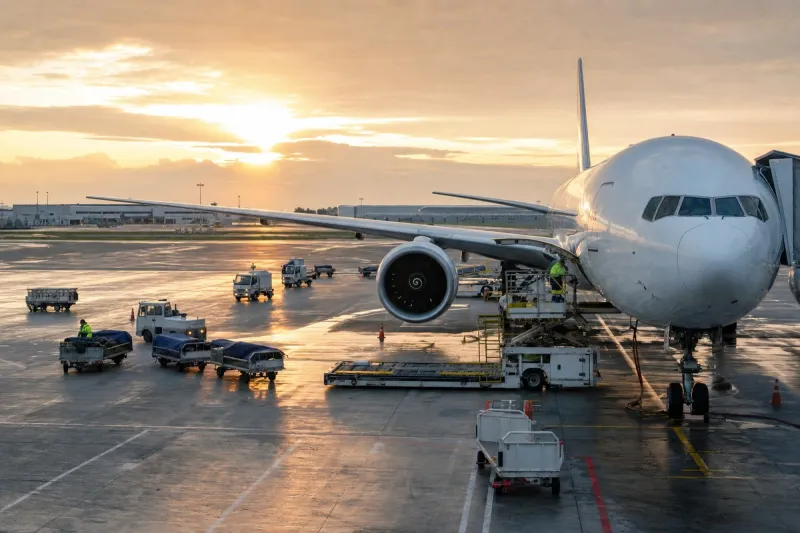
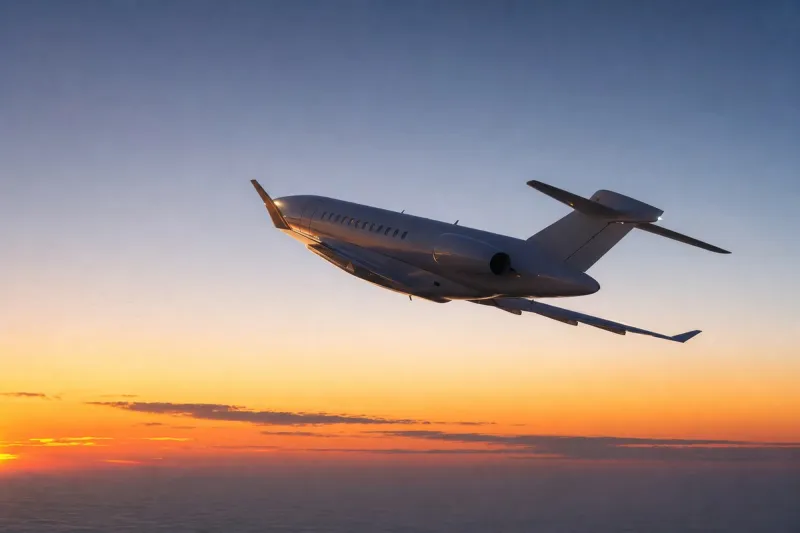
This pattern reflects a structural split in how altitude is used across aviation segments: airline traffic concentrates within or below the RVSM band because of passenger and cargo weight, route networks, and fleet mix, while lighter-loaded large-cabin business jets can sustain flight above FL410 and access less congested flight levels. The gap is less about raw ceiling and more about the combination of weight margins, certification, and pressurization that makes a high ceiling usable on a routine flight rather than only in theory.
Within the business jet segment, this altitude capability functions as a differentiator between large-cabin aircraft and lighter or midsize jets that cannot sustain the same flight levels, particularly on long-range routes where avoiding congested airspace and certain weather layers has operational value. Cabin pressurization performance, such as the G650's cabin altitude figures, becomes a comfort metric tied directly to the aircraft's structural and systems capability at high flight levels.
What remains variable flight to flight is how often an aircraft actually reaches its certified ceiling, since actual weight, temperature, wind, and air-traffic-control clearance all constrain the climb on any given trip. Jet-stream winds can also push crews toward a lower, more fuel-efficient level even when a higher ceiling is available, meaning the altitude advantage is a capability exercised selectively rather than a fixed operating profile.