Capital Jets Opens Fort Lauderdale Location to Expand South Florida Private Aviation Services
Why It MattersAdding a regional base near high-demand charter markets lets an operator cut repositioning distance for its own fleet, a lever smaller operators use to improve aircraft availability without adding tail count.
What happened
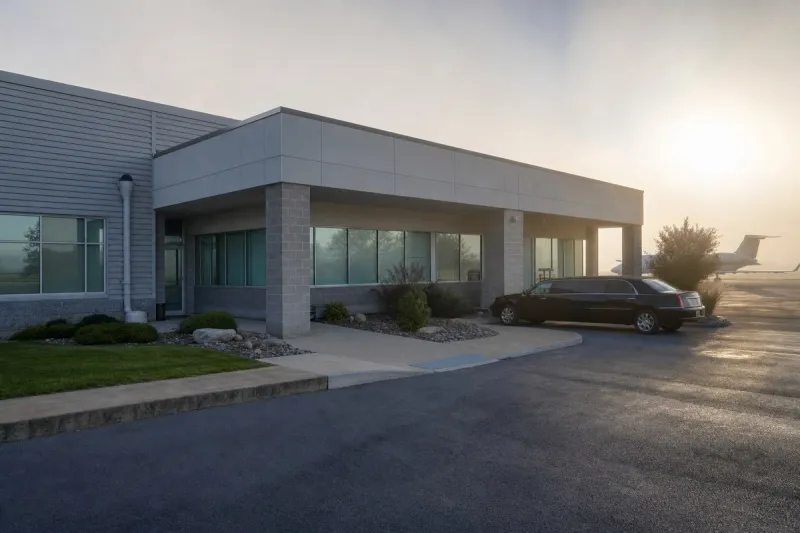
Capital Jets has opened a new location at 500 SW 34th Street in Fort Lauderdale, Florida, giving the Charleston-headquartered company a physical presence in South Florida's private aviation market. The company said the facility will serve private aviation clients and aircraft owners throughout the region.

Nathaniel Huetteman, vice president of flight operations at Capital Jets, said South Florida is one of the most active private aviation markets in the country and that clients had been requesting a local presence. He added that the Fort Lauderdale opening would allow the company to serve them directly while maintaining the same operational standards applied at its other locations.
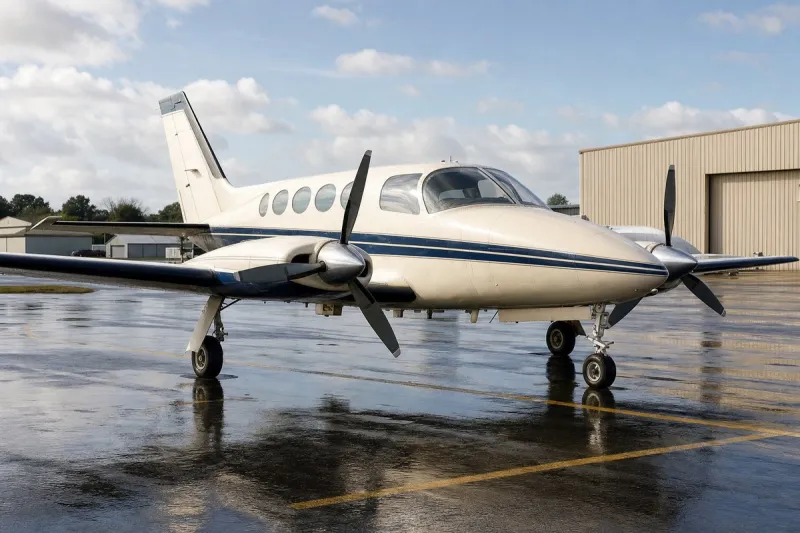
From Fort Lauderdale, Capital Jets will offer three service lines: aircraft management covering day-to-day operations, maintenance oversight and crew management; aircraft acquisition services including buyer representation, market analysis and purchasing support; and on-demand private jet charter using the company's in-house fleet. The company said the location is also expected to reduce repositioning times for charter flights originating in the region, potentially improving aircraft availability and operating efficiency.
Capital Jets operates under 14 CFR Part 135 and holds ARGUS Platinum status, the highest rating in ARGUS International's operator audit program, which incorporates historical safety information, operational standards and an on-site audit of systems and procedures. The Fort Lauderdale expansion adds to the company's existing nationwide operations serving individual clients, corporate travelers and aircraft owners across the United States.
Industry impact & what to watch
Opening a staffed location in a high-demand metro is a common move for charter and management operators once client volume in a region justifies a local footprint rather than flying crews and sales staff in from headquarters. The logic Huetteman described, clients asking for a local presence before the company commits to one, is how these expansions typically get justified internally.
In aircraft management and charter, proximity to clients and aircraft matters operationally: shorter repositioning distances cut the dead-leg time and cost that eat into aircraft availability, which is why Capital Jets frames the Fort Lauderdale base partly around reduced repositioning for flights originating in the region. Credentials like ARGUS Platinum and operating authority under Part 135 are the baseline a client checks before handing over management of an aircraft or booking a charter, regardless of how many locations an operator runs.
What remains to be seen is how quickly the new base converts into added managed aircraft or charter volume in South Florida, figures the company has not yet disclosed.