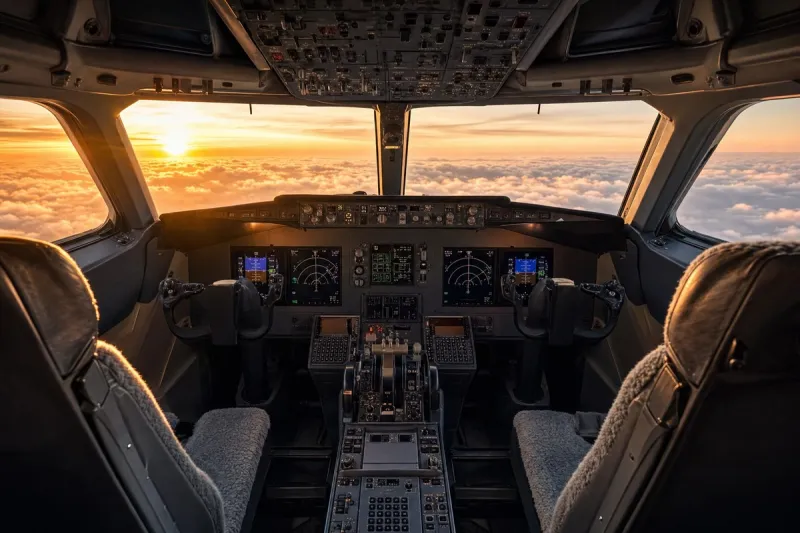
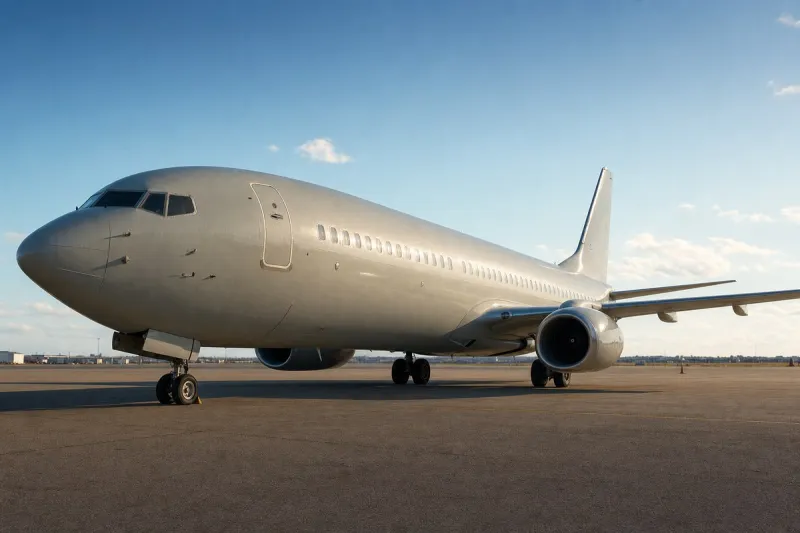
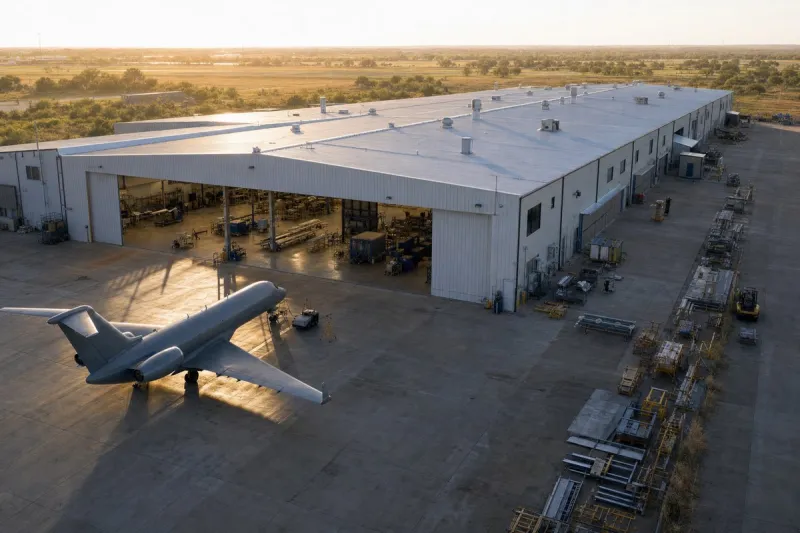
EPA Training Center and FlyRight to Relocate King Air C90 Level-C Full Flight Simulator from North Carolina to Brazil
Why It MattersMoving simulator capacity across borders shows how regional training hubs can address local demand for turboprop qualification by relying on an existing device instead of requiring a newly built unit.
What happened
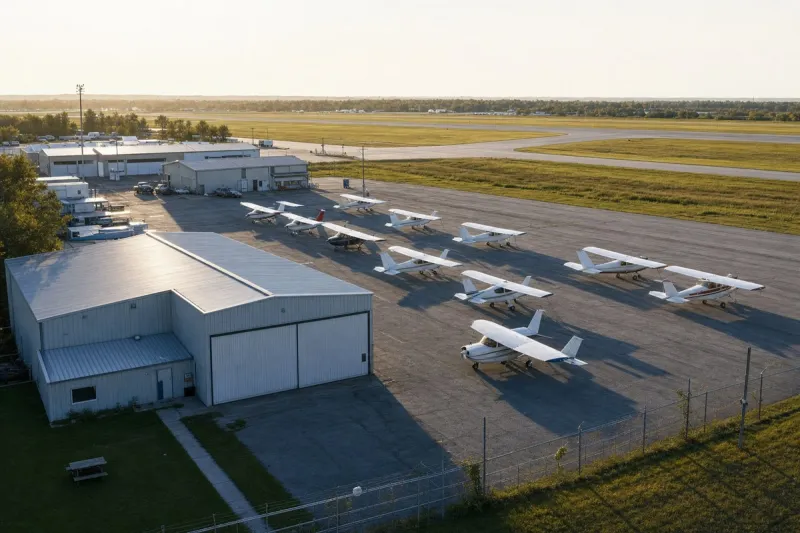
EPA Training Center, headquartered in São José dos Pinhais in the Curitiba Metropolitan Region of Brazil, has announced a partnership with FlyRight Inc., an FAA-approved Part 142 flight training center at Concord-Padgett Regional Airport in Concord, North Carolina. Under the agreement, FlyRight's King Air C90 Level-C full flight simulator will be physically relocated from the North Carolina facility to EPA's aviation training hub in Brazil, with the move scheduled to begin in early November 2026.
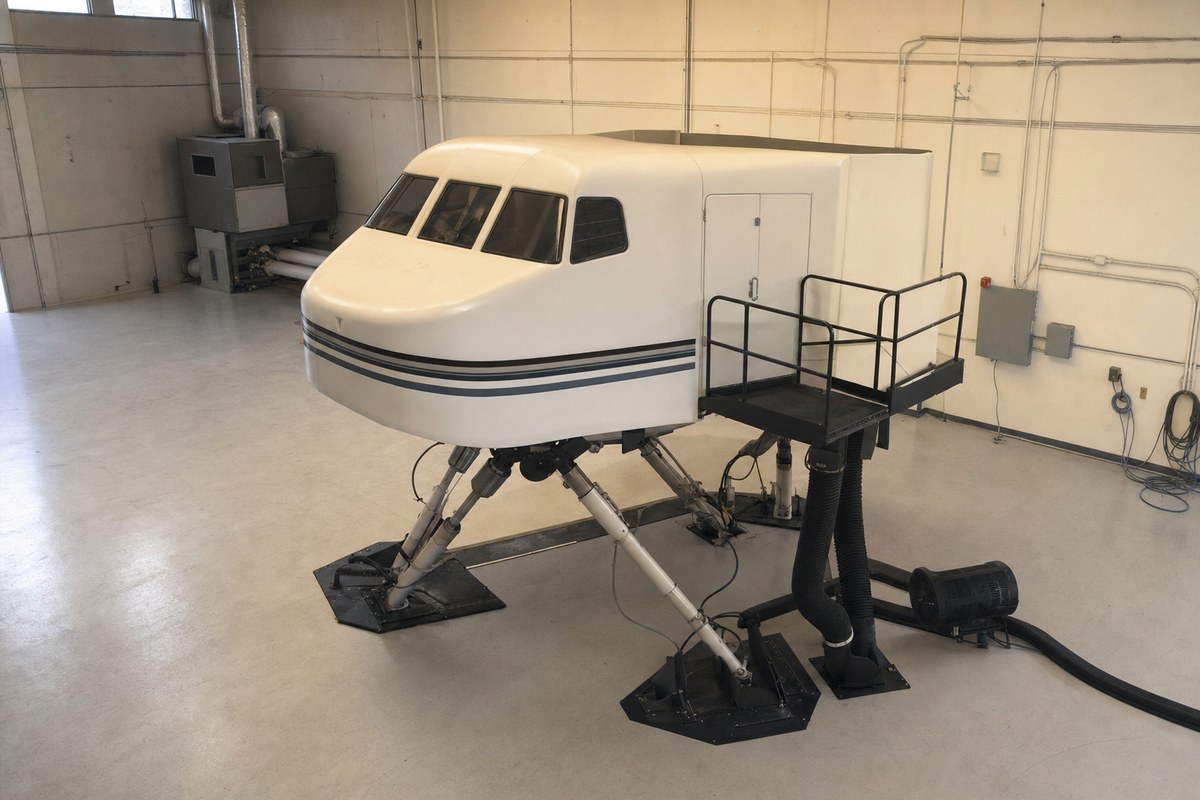
Following transit, installation, and testing, the simulator is projected to receive formal qualification from Brazil's Agência Nacional de Aviação Civil (ANAC) for pilot training by Q2 2027. The simulator features full-motion capability, realistic flight dynamics, and fully immersive visual systems capable of replicating complex operational scenarios. Andy Bauer, VP of Sales and Marketing for FlyRight, said the partnership allows FlyRight to optimize its Concord training capabilities while supporting the growing corporate and regional aviation sectors in Brazil. Flávio Farias, CEO of EPA, said the arrangement will provide pilots and operators access to high-accuracy simulation equipment and Portuguese-language instruction within Brazil, reducing costs and time away from operations.
EPA Training Center has over 50 years of experience in civil aviation training and currently operates simulators for the ATR 42/72, Embraer ERJ-145/Legacy 600, Embraer EMB-120 Brasilia, and Embraer EMB-110 Bandeirante. FlyRight Inc. specializes in turboprop pilot training, including the King Air series, Cessna Caravan, and Dash 8.
Why the device is moving
The deployment is intended to address regional demand for advanced turboprop simulation, enabling South American pilots to complete initial and recurrent training locally, including instruction in Portuguese, without travelling abroad. That removes the need for Brazilian operators to send crews to North Carolina for King Air C90 training on this device.
How it unfolded
The simulator is projected to receive formal ANAC qualification for pilot training in Brazil, following transit, installation, and testing.
Relocation of the King Air C90 Level-C full flight simulator from Concord, North Carolina to Brazil is scheduled to begin.
Industry impact & what to watch
This case illustrates a growing practice in pilot training: relocating an existing qualified simulator to a new market instead of building a new device from scratch, shortening the path to local capacity. Regional training hubs depend on regulatory sign-off as the gating step — the physical hardware can move in weeks, but qualification from a civil aviation authority such as ANAC is what actually makes a simulator usable for credited training hours, and that process is what sets the Q2 2027 timeline here.
For Brazil's corporate and regional turboprop operators, the practical effect depends on ANAC's qualification process proceeding on schedule after installation and testing. Until that qualification is granted, pilots needing King Air C90 training locally will still need to wait, so the date to watch is whether ANAC grants certification in Q2 2027 as projected.