Aviation Kerosene's 80-Year EU Tax Exemption Faces Stalled Reform Efforts
Why It MattersPartial measures like phased carbon allowance withdrawal and rising sustainable fuel blending mandates show the sector shifting toward incremental cost pressure rather than a direct fuel tax.
What happened
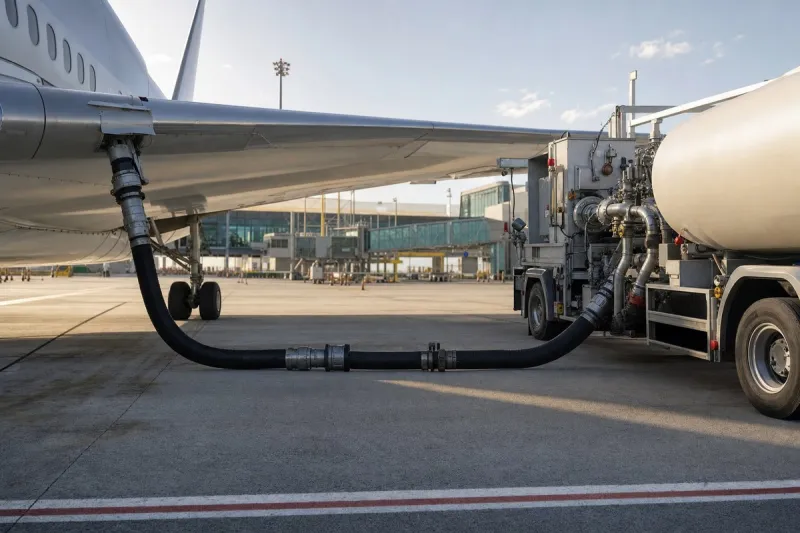
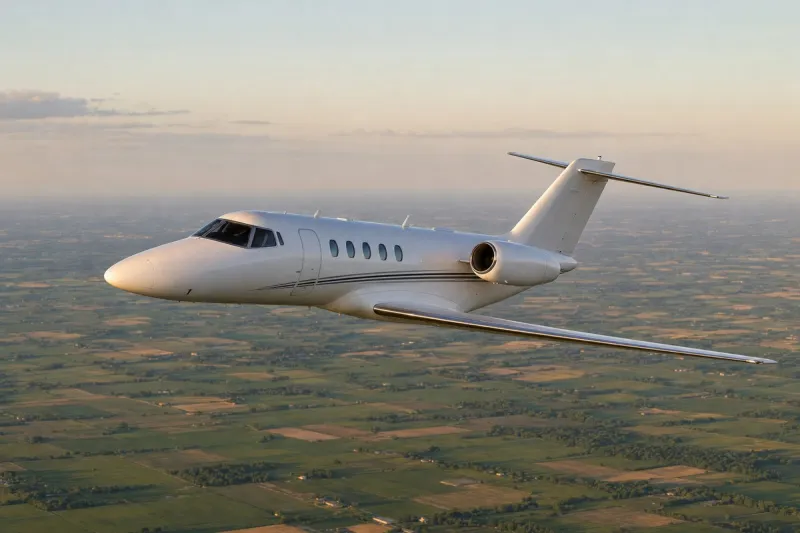
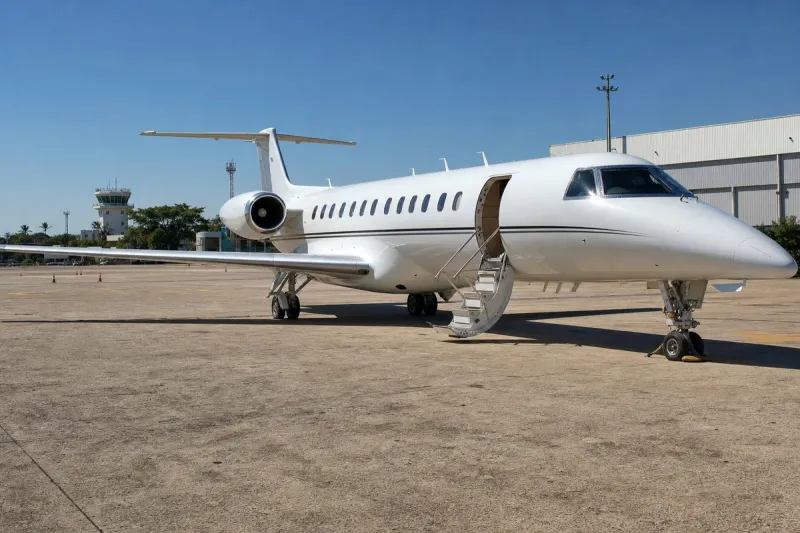
Aviation fuel supplied for international commercial flights and most intra-EU flights has been exempt from taxes in the European Union since the 1940s, a privilege that environmental groups say amounts to an indirect subsidy of more than 30 billion euros per year for EU airlines. The exemption traces back to a post-World War II treaty signed by 52 states, which provided that fuel already aboard an aircraft upon landing in another country would be exempt from certain customs duties. It was later codified in the EU's 2003 Energy Taxation Directive, which formally excludes commercial aviation from general fuel levies, while private leisure aviation remains subject to taxes. The directive also allows member states to tax fuel on domestic flights and permits bilateral agreements between two states to apply taxes on flights between them.
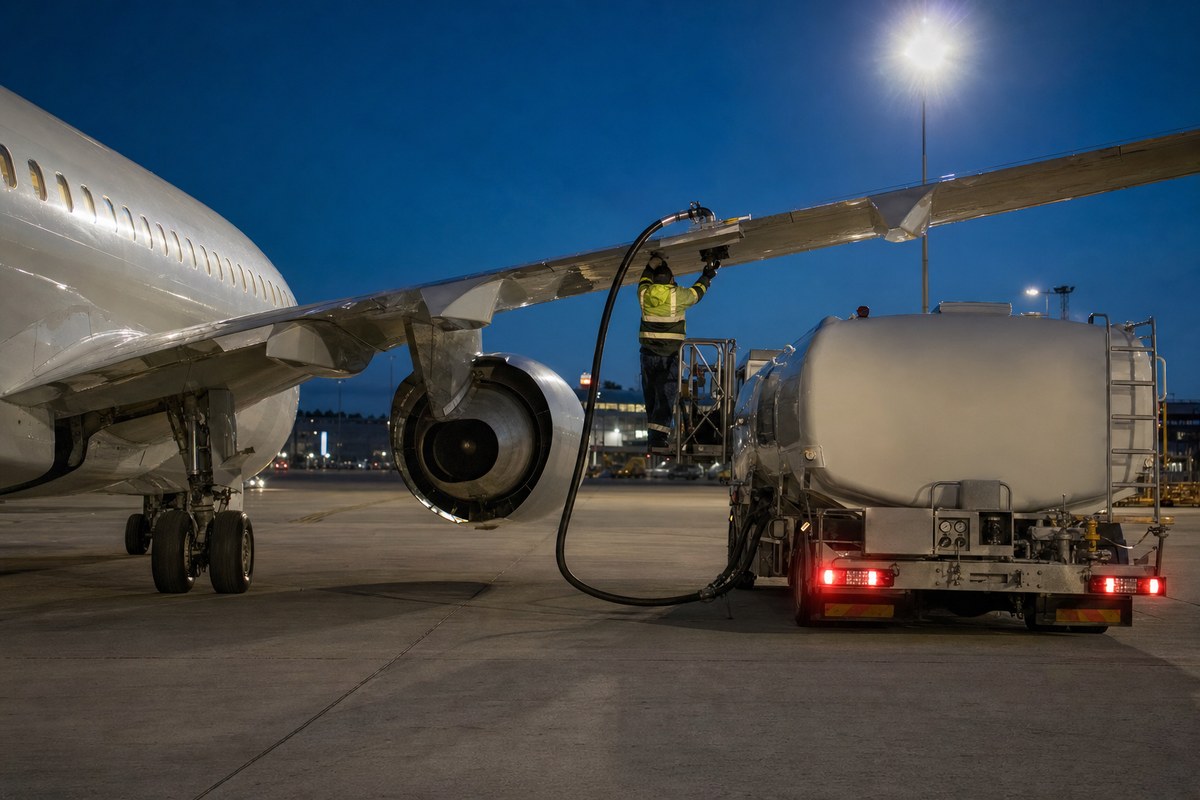
Round-trip air tickets between Barcelona and Brussels are currently available for under 70 euros, while the same journey by rail costs more than 200 euros and by car at least 400 euros in fuel and tolls. Jet fuel prices have risen since the outbreak of conflict in the Persian Gulf in March; according to Eurocontrol, jet fuel in September was priced at 4.63 dollars per gallon, approximately 1.06 euros per litre, described as more than double January-February levels.
Greenpeace, Transport & Environment, and Ecologistas en Acción argue the exemption functions as a fossil-fuel subsidy that disadvantages rail, which pays taxes on the electricity it consumes. Wouter Lemm, Greenpeace's Netherlands representative, said the exemption 'shifts environmental costs to the public and disadvantages cleaner alternatives like the railway.' Javier Gándara, president of the Spanish airline employers' association ALA, countered that taxing aviation fuel 'does not decarbonize and has a very harmful impact on connectivity and the economy,' arguing carriers would instead tank up outside the EU, potentially increasing CO₂ emissions. In 2021 the European Commission under Ursula von der Leyen proposed a mandatory EU minimum tax on kerosene for intra-European commercial flights, but the measure was blocked by tourism-dependent member states including Spain, Greece, and Portugal; the Danish EU Council presidency subsequently proposed deferring any kerosene tax until 2035.
Partial measures already in place
The EU in 2023 began the progressive withdrawal of free CO₂ emission allowances for intra-EU flights, requiring airlines to pay for their emissions. A regulation also entered into force requiring fuel suppliers to blend a growing proportion of sustainable aviation fuel, starting at 2% currently and rising to 70% by 2050. Several member states, including France, Germany, and the Netherlands, have introduced ticket-based eco-taxes as an alternative, with revenues used in part to fund rail transport. Lemm said such measures address only 'a small part of the climate impact' of aviation.
Industry impact & what to watch
The standoff illustrates how tax policy for aviation fuel sits at the intersection of climate goals, tourism economics, and competitive positioning between transport modes. Because the exemption is embedded in a 2003 directive that requires unanimity or bilateral agreement to change, a handful of tourism-dependent states can block EU-wide reform even when the Commission proposes it, as happened in 2021.
In the absence of a direct fuel tax, the bloc has instead layered incremental cost mechanisms — phasing out free carbon allowances, mandating rising sustainable fuel blend ratios, and letting individual states run their own ticket taxes. This patchwork approach lets governments respond to public pressure on emissions without forcing airlines to pay for the fuel itself, but it leaves the price gap between flying and rail largely unaddressed, since rail already pays electricity taxes that aviation fuel does not.
Whether this changes depends on the Danish presidency's proposed 2035 deferral and on whether the sustainable fuel blending mandate, now at 2%, climbs meaningfully before airlines face any direct kerosene levy.