NBAA Backs House Bill Seeking $30 Billion for ATC Modernization
Why It MattersATC modernization funding is proving incremental, with stakeholder coalitions pressing Congress for successive appropriations to sustain technology and staffing upgrades across thousands of FAA sites.
What happened
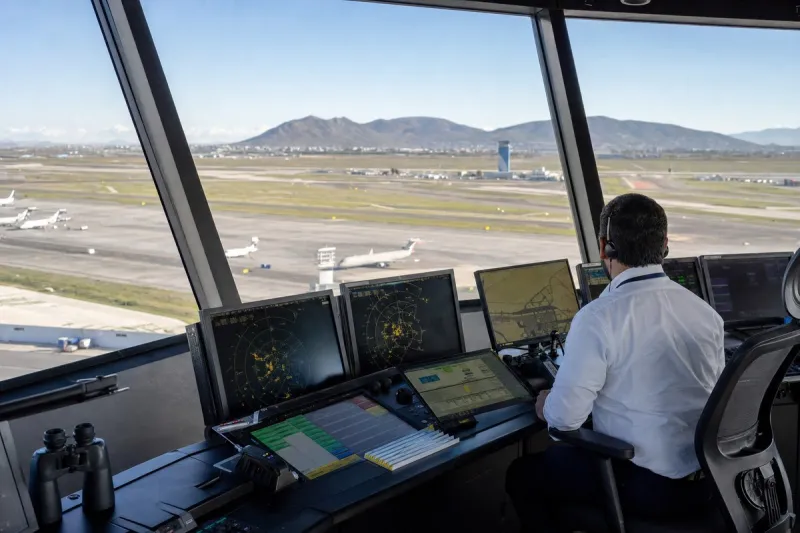
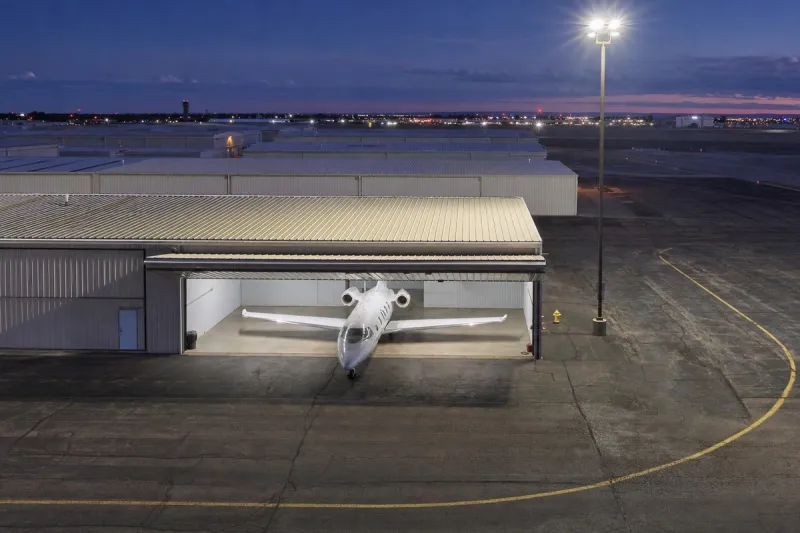
Rep. Tracey Mann (R-01-KS), a member of the House Committee on Transportation and Infrastructure's Subcommittee on Aviation, introduced House legislation that would provide an additional $30 billion to continue air traffic control modernization work. Mann announced the bill at Kansas City Downtown Airport (MKC). The National Business Aviation Association (NBAA) has welcomed the measure.

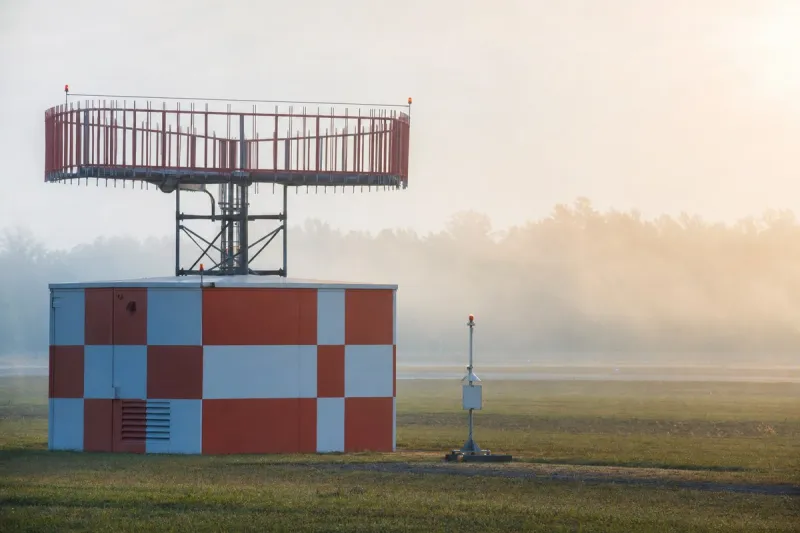
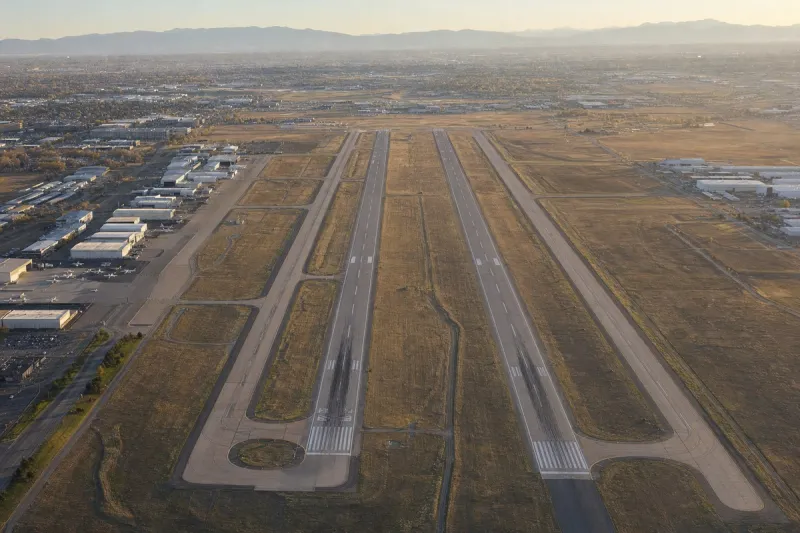
The House bill is a companion to legislation introduced last month by Sen. Eric Schmitt (R-MO). Both measures follow a formal request by Department of Transportation Secretary Sean Duffy for additional funding to supplement the $12.5 billion Congress approved last year as a down payment on ATC modernization, which supports upgrades to telecom infrastructure, airports, and control towers. NBAA Interim COO Dan Hubbard said, "Modernizing our ATC system is a national imperative. While last year's downpayment has allowed the FAA to make significant progress, more funding is needed to finish the job. NBAA stands with the broader aviation industry in backing Rep. Mann's legislation."
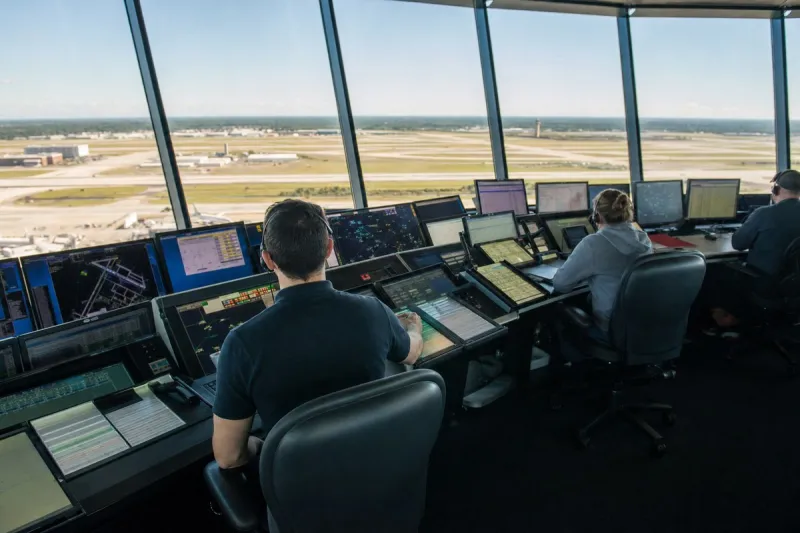
NBAA and nearly 60 other aviation stakeholders formed the Modern Skies Coalition last year to support plans to upgrade aviation safety and maintain the United States' position as the global aerospace leader. Congress approved the first $12.5 billion infusion shortly after the coalition's formation. NBAA was among the signatories to a Modern Skies Coalition statement that reads, "The coalition urges Congress to provide additional resources needed to sustain this momentum and ensure the nation's air traffic control system has the staffing, technology and infrastructure needed to meet future demands." The U.S. ATC system serves approximately 45,000 flights and 2.9 million passengers every day, and full modernization requires updates at more than 4,600 FAA sites across the country.
Industry impact & what to watch
This bill belongs to a continuing legislative effort: an initial down payment followed by a coalition push for a larger, second tranche once early work showed progress. That sequencing reflects how large infrastructure programs are typically funded in stages, with stakeholders organizing to keep appropriations moving rather than relying on a single authorization to cover a multi-year buildout.
For business aviation specifically, ATC modernization touches staffing, technology, and infrastructure at thousands of facilities nationwide, meaning delays or funding gaps can ripple into delays, controller shortages, and uneven upgrade timelines across the more than 4,600 sites that need work. A coalition of nearly 60 stakeholders signing onto a common funding request signals how broadly the industry views this as shared infrastructure risk rather than an issue for any single operator type.
What happens next depends on whether the House and Senate companion bills move through committee and reach votes, and whether the $30 billion figure holds or is adjusted during that process. Statements from the FAA or Secretary Duffy on how the first $12.5 billion was spent could also shape how Congress evaluates the case for the additional sum.