Second Dassault Falcon 10X Prototype Flies as Certification Target Slips to 2029
Why It MattersClean-sheet business jets now face certification timelines stretched by post-737 MAX scrutiny, pushing OEMs to expand flight-test fleets and lengthen the gap between unveiling and delivery.
What happened
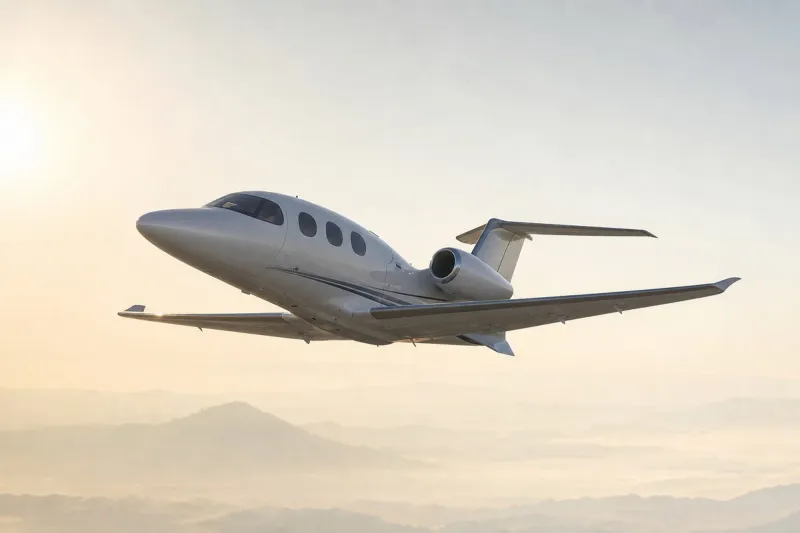
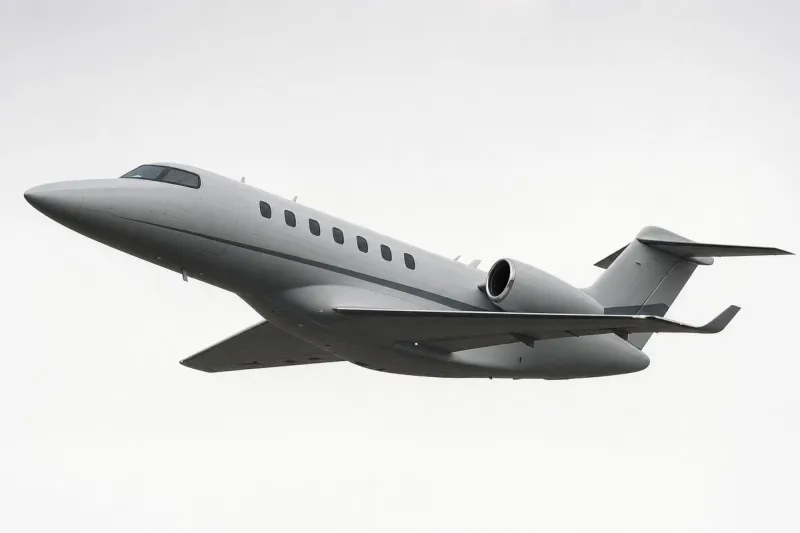
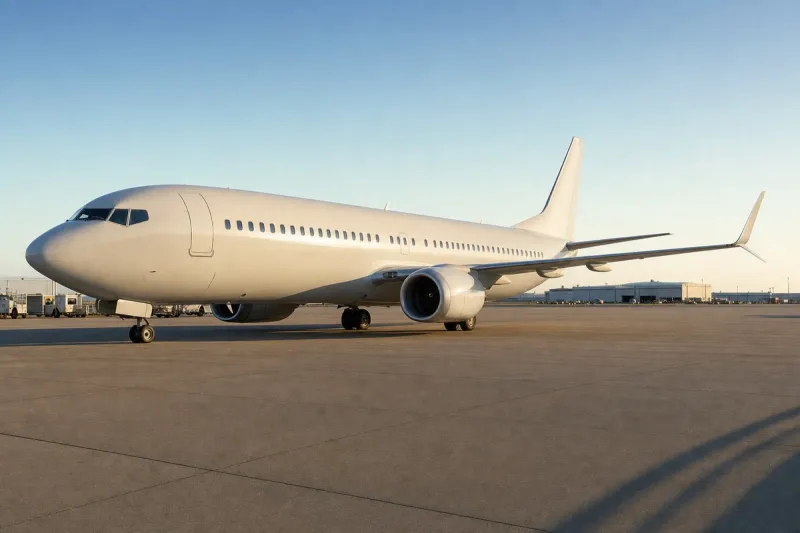
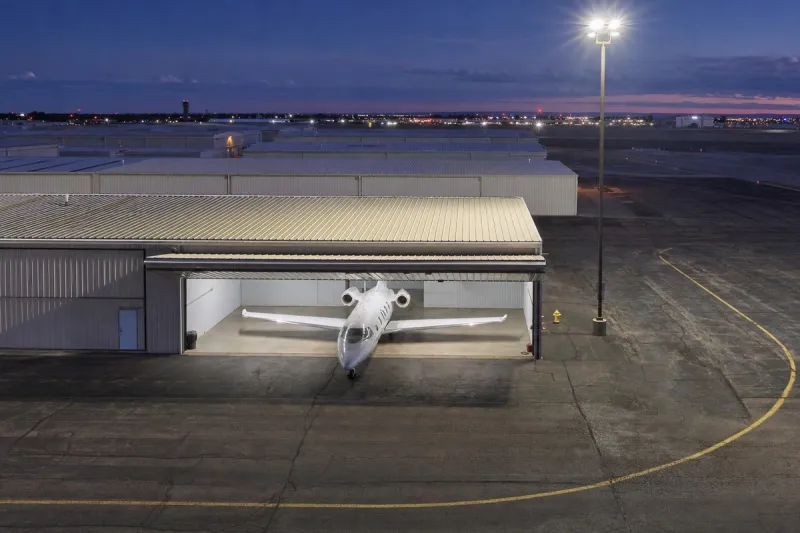
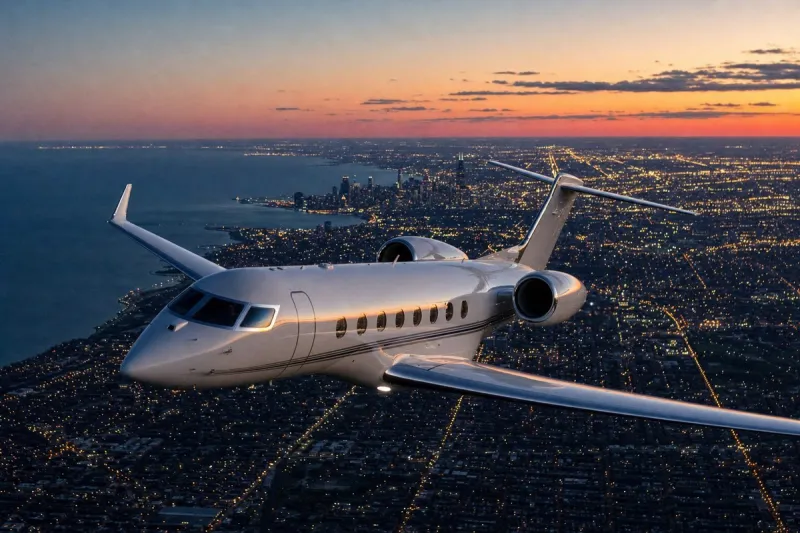
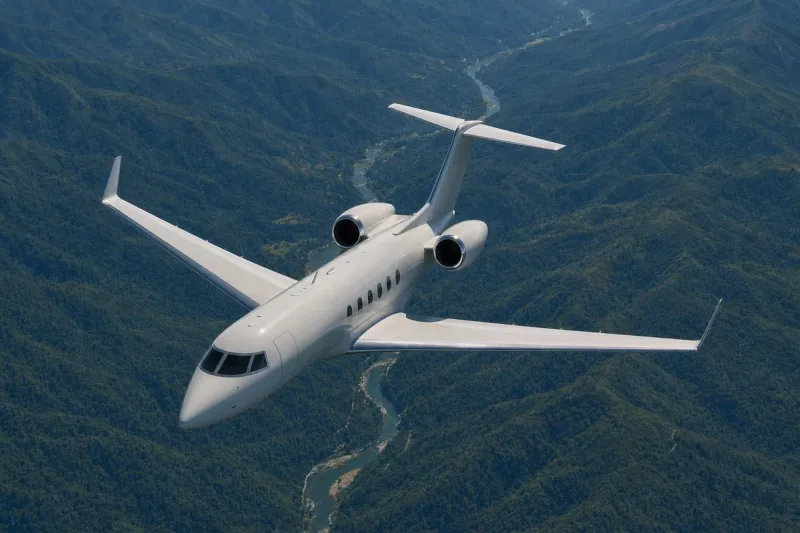
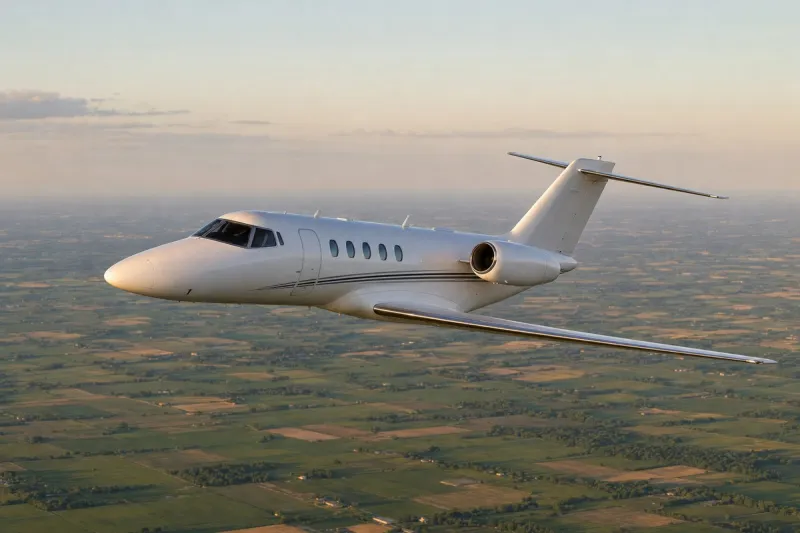
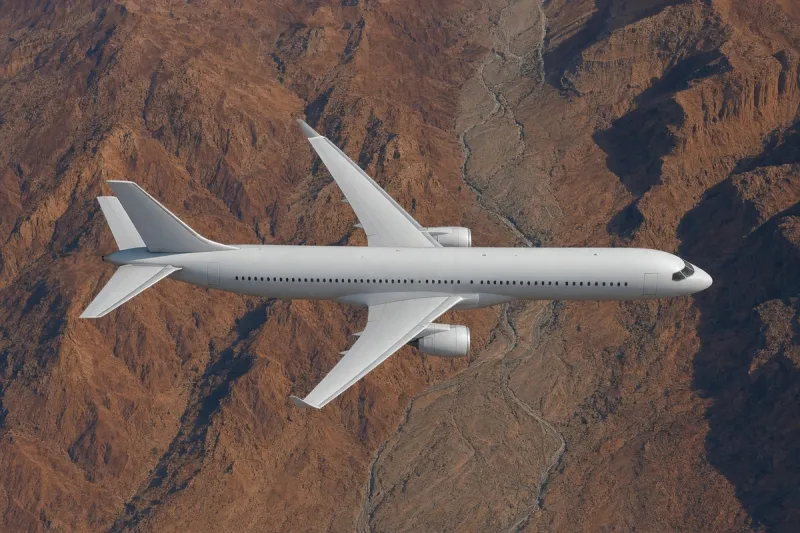
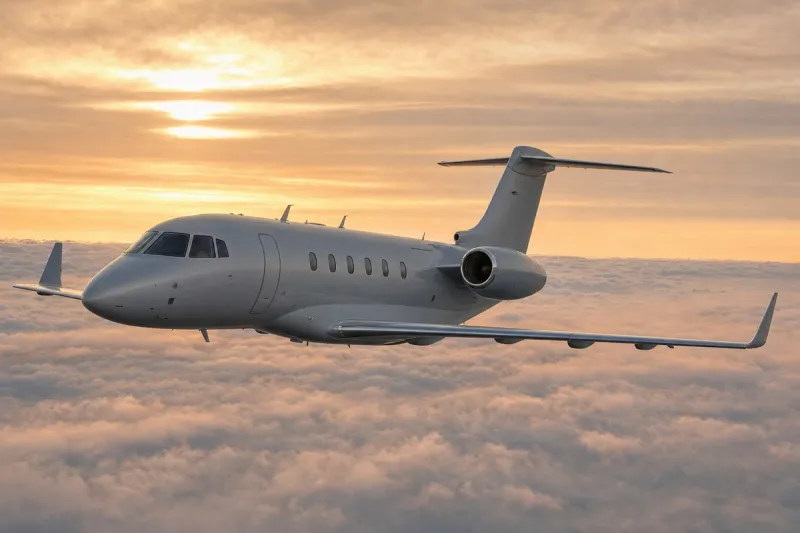
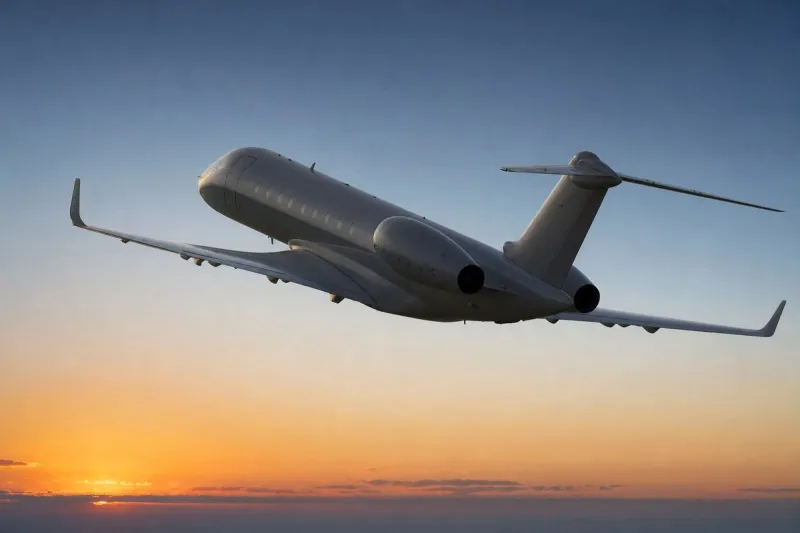
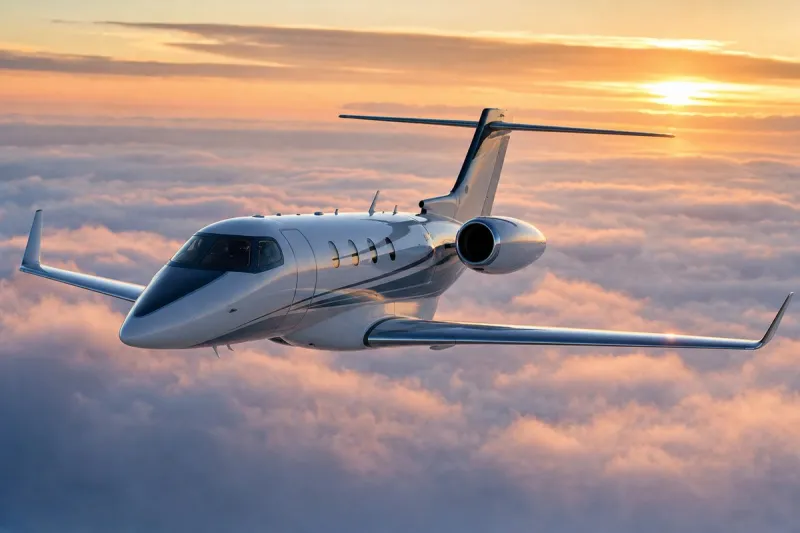
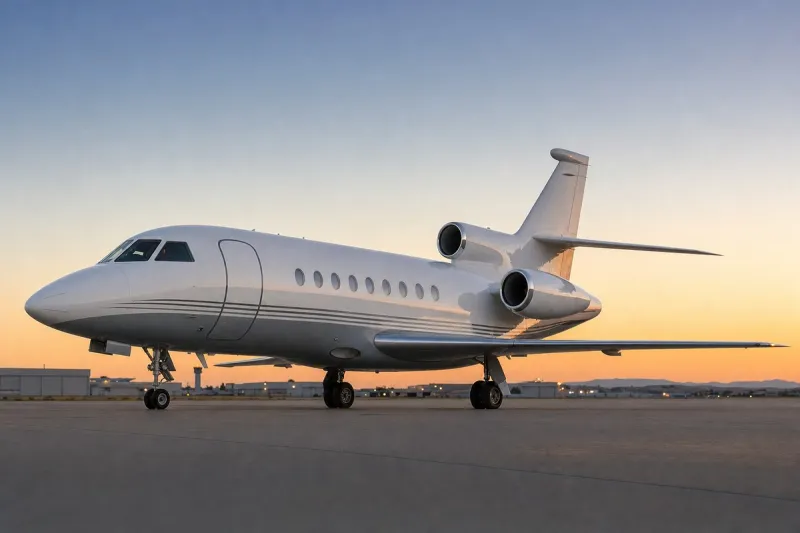
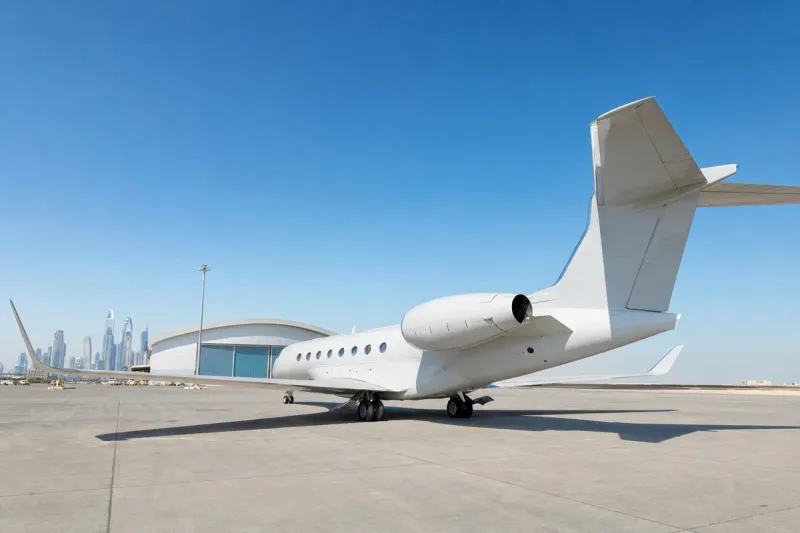
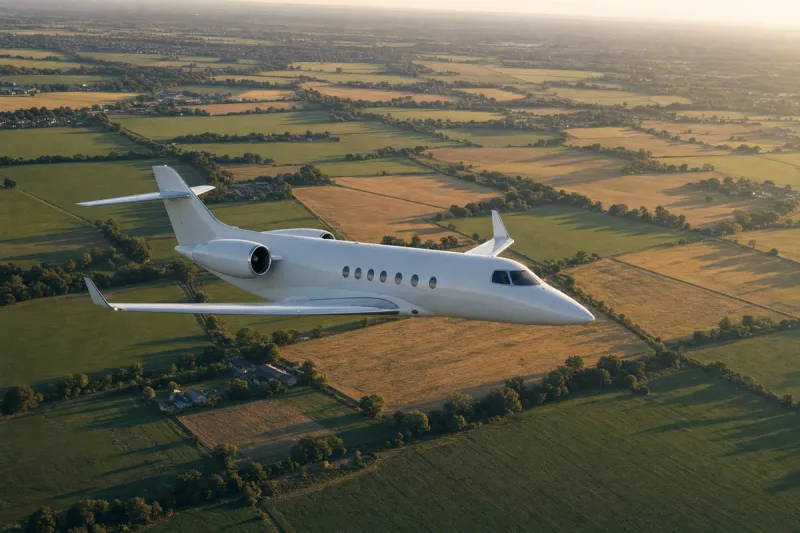
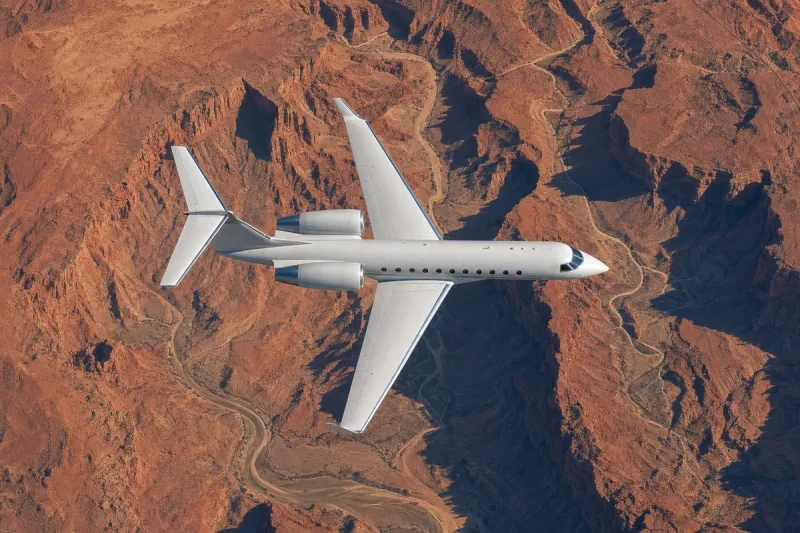
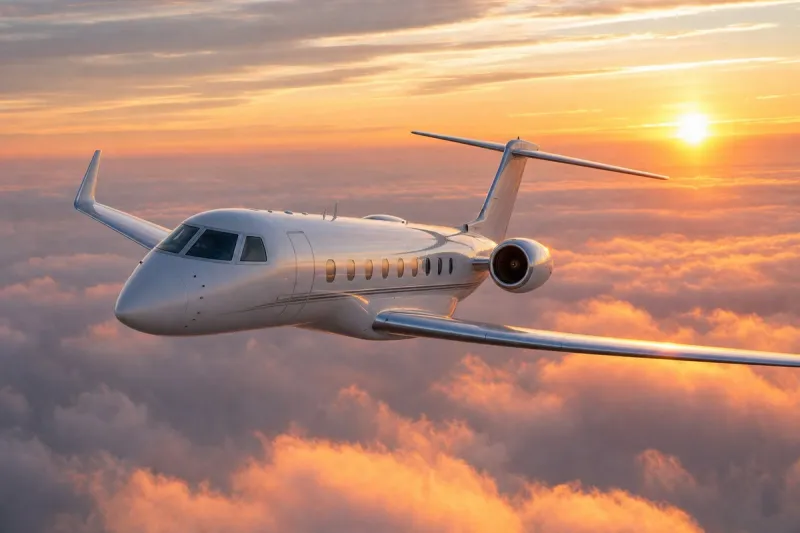
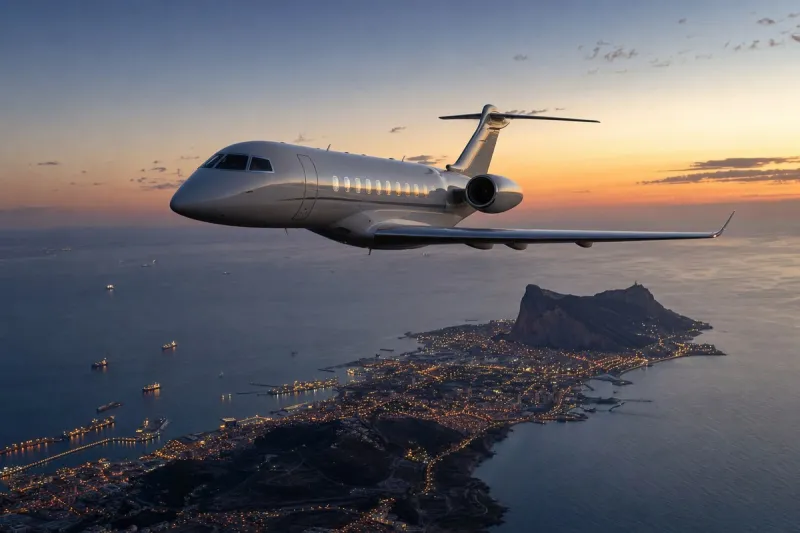
Dassault Aviation has flown the second prototype of its Falcon 10X business jet, serial number 2 and registered F-WTEN, in a three-hour maiden flight piloted by test pilots Fabrice Dougnac and Antoine Doussaud. Dassault disclosed the flight through its Falcon social media accounts, sharing photos of the aircraft airborne.
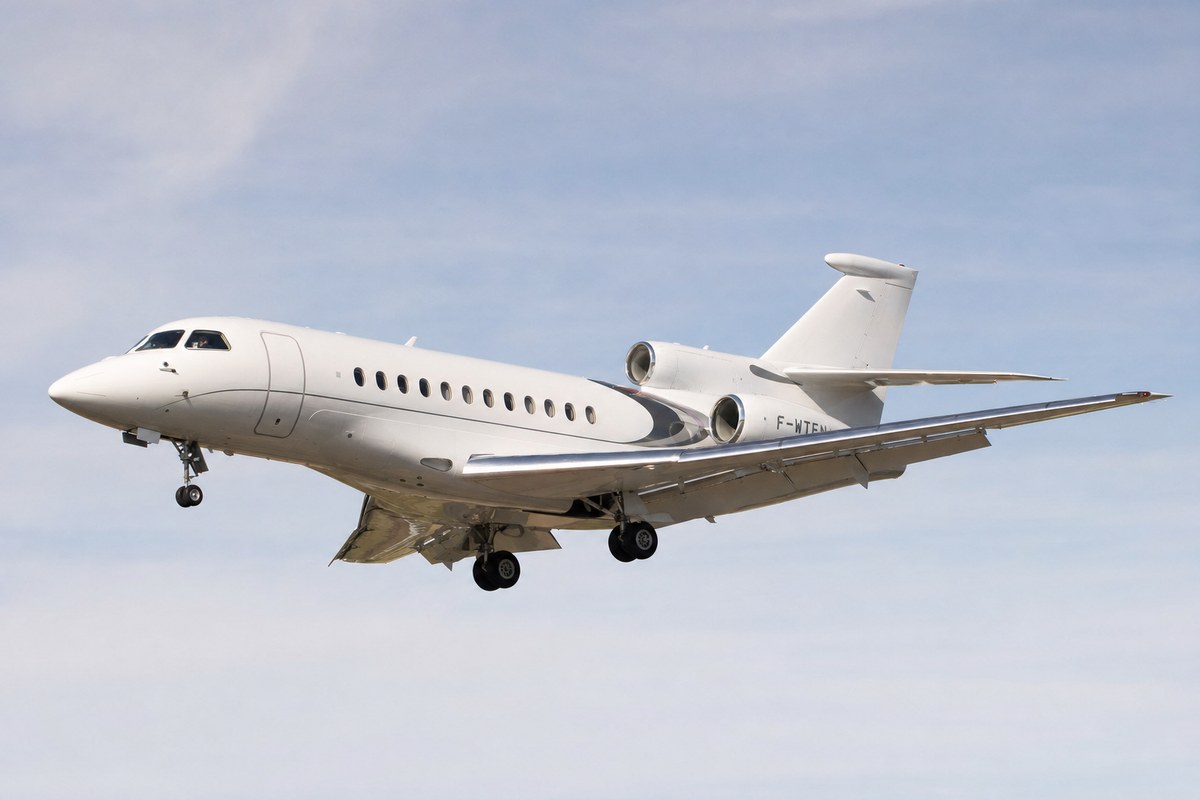
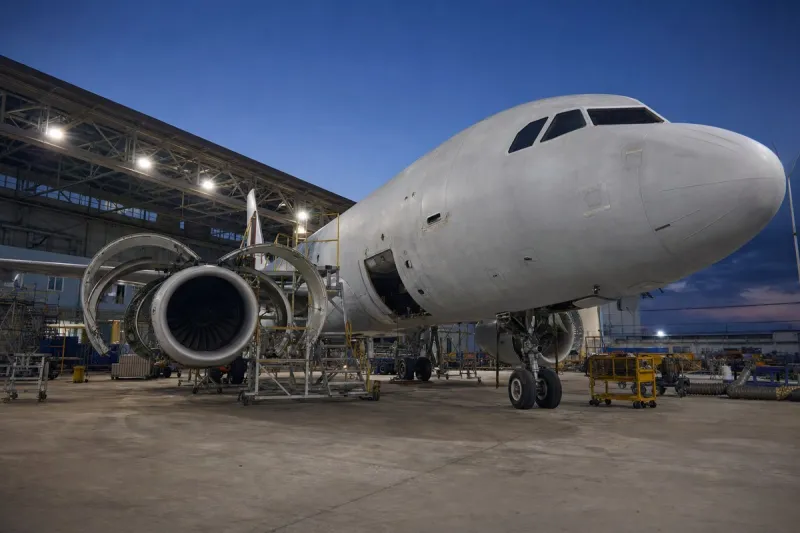
The company had confirmed in June 2026 that a second test aircraft was nearing completion and would join the certification campaign as part of the planned flight-test fleet, not as a response to program delays. The first Falcon 10X prototype flew in June 2026, approximately four years after the aircraft was unveiled in May 2021. A third flight-test aircraft is expected to feature a fully equipped cabin for functional and reliability testing under conditions closer to those experienced by customers.
Dassault now targets entry into service in 2029, four years later than the 2025 date announced at the aircraft's unveiling. Supply-chain difficulties had already pushed the schedule to 2027 before the target moved again to 2029. Chief Executive Éric Trappier has said certification is expected to take approximately two and a half years from the start of flight testing, and has cited increasingly demanding certification requirements following the Boeing 737 MAX accidents as a factor, noting that the Falcon 10X faces a different certification process from the Falcon 6X as an entirely new design.
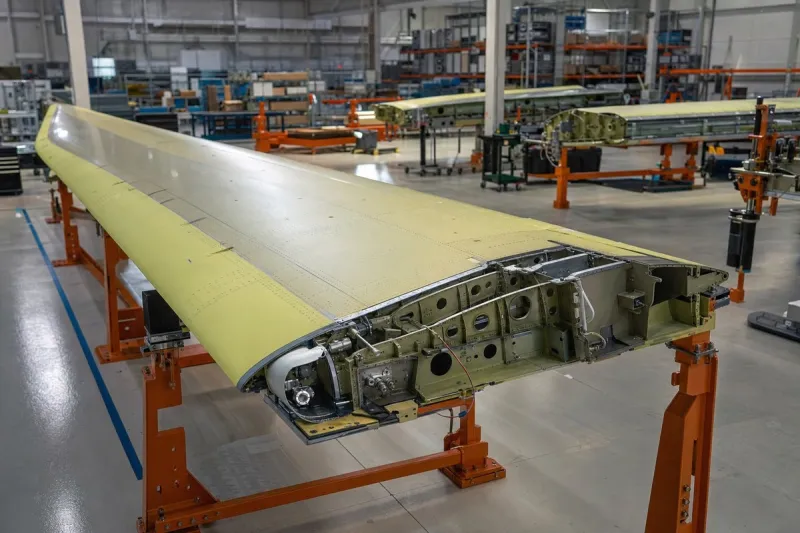
Dassault spent approximately five years conducting ground testing before the 10X's first flight. The programme involves a new large-diameter fuselage, a composite wing developed specifically for the aircraft, Rolls-Royce Pearl 10X engines, and a new generation of Dassault's digital flight-control system. The Falcon 10X is designed to compete against the Gulfstream G700 and Bombardier Global 7500, with a planned range of 7,500 nautical miles (13,890 km) and the largest cabin cross-section of any purpose-built business jet currently under development.
Industry impact & what to watch
The 10X program illustrates how clean-sheet business jet development has lengthened across the industry: an aircraft unveiled with a 2025 in-service date now carries a 2029 target, with supply-chain constraints and tougher certification scrutiny each adding separate delays rather than one single cause. Trappier's own framing, that an entirely new design draws a different certification path than a derivative like the Falcon 6X, points to a structural shift in how regulators treat clean-sheet programs after the 737 MAX accidents, not a company-specific setback.
Expanding the flight-test fleet before first flight, rather than after slipping a date, is how manufacturers absorb a longer certification runway without compressing the test campaign itself. A third prototype carrying a fully equipped cabin for reliability testing signals Dassault is sequencing its fleet toward customer-representative conditions rather than compressing all test points onto fewer airframes.
The next marker to watch is the pace of flight-test hours accumulated across the two flying prototypes and the delivery of the third cabin-equipped aircraft, since Trappier's stated two-and-a-half-year certification clock started once flight testing began in June 2026.