Cirrus Aircraft Opens 189,000-Square-Foot Innovation Center in Duluth
Why It MattersExpanding in-house testing and design capacity signals how OEMs are betting that faster internal certification cycles, not just new models, will decide who leads the next product generation.
What happened
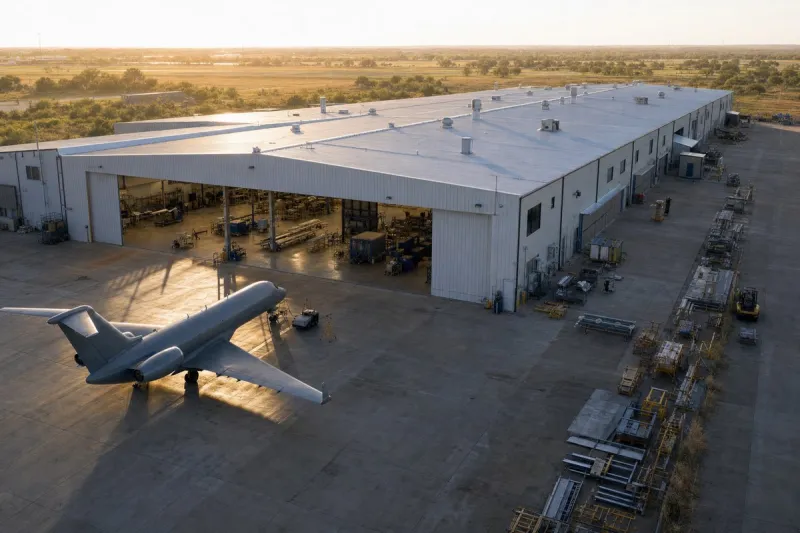
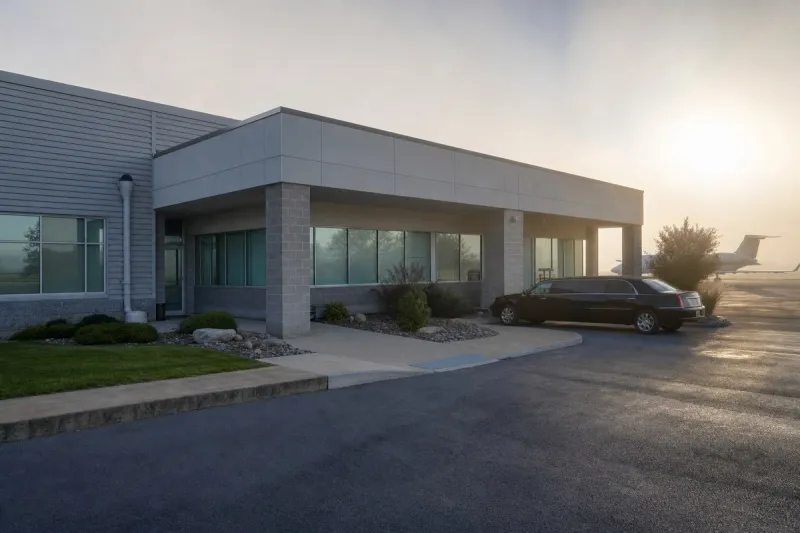
Cirrus Aircraft has opened its new Innovation Center in Duluth, a 189,000-square-foot facility built on 39 acres, which the company says it has significantly invested in to support next-generation product development.
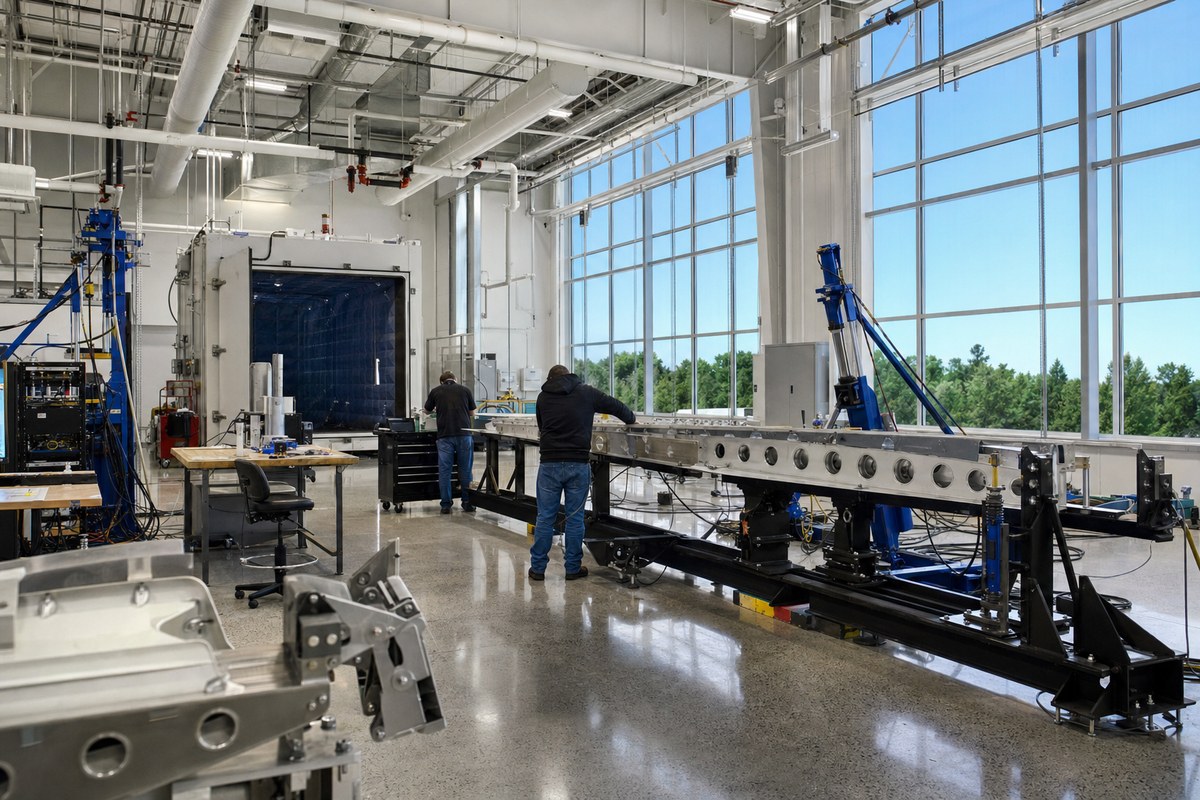
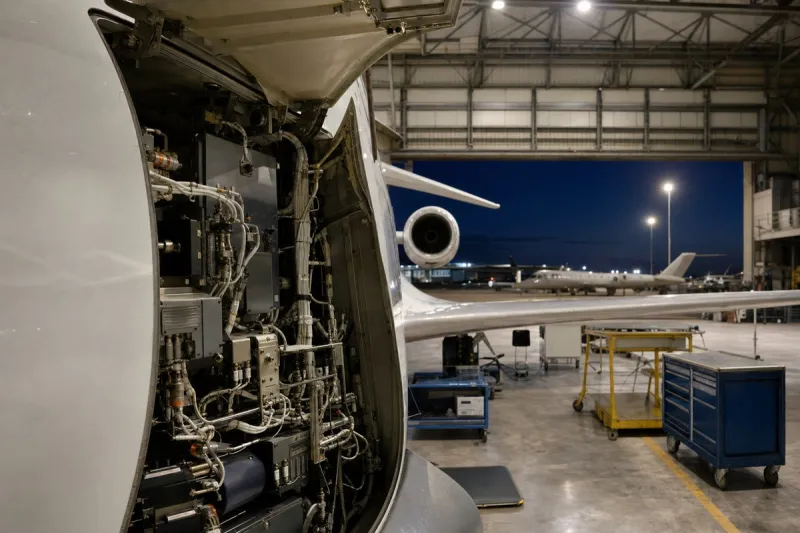
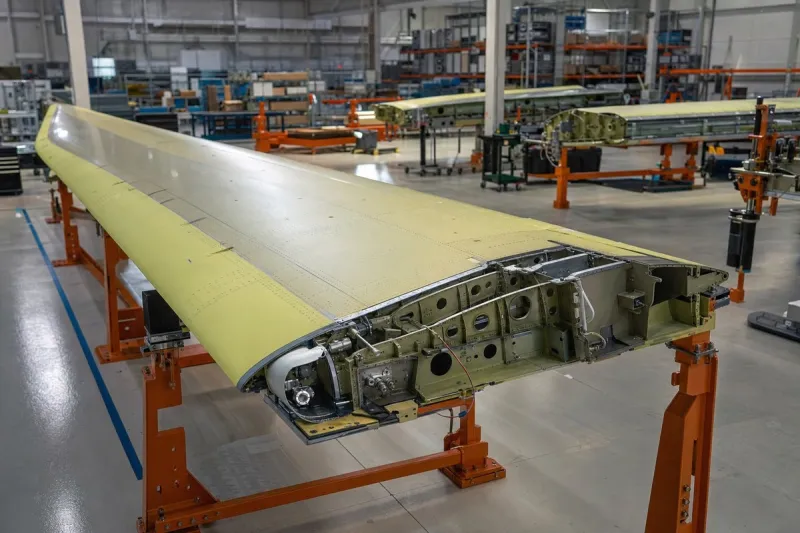
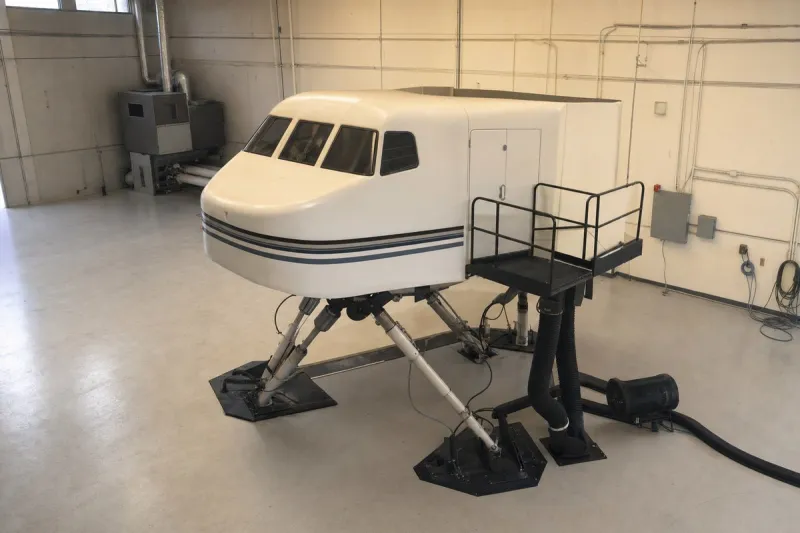
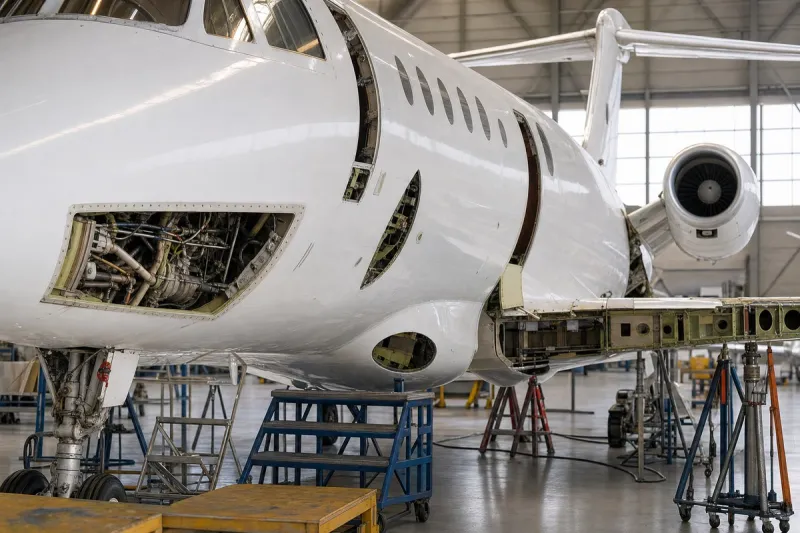
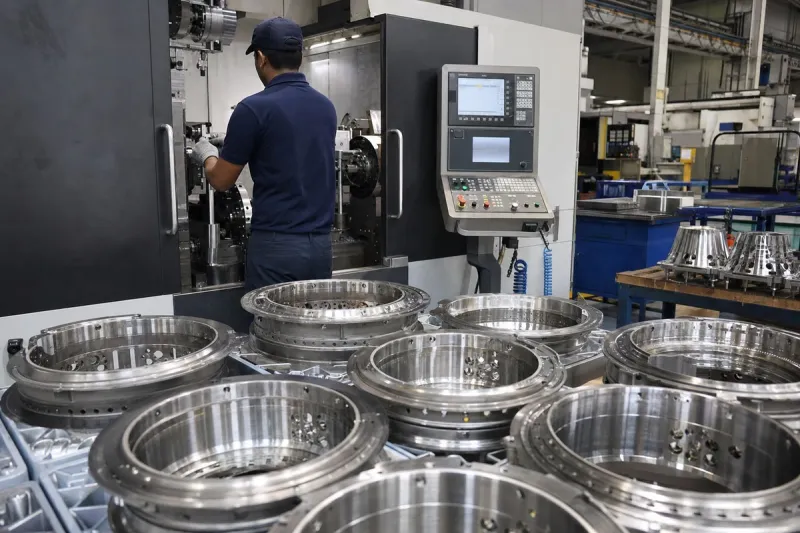
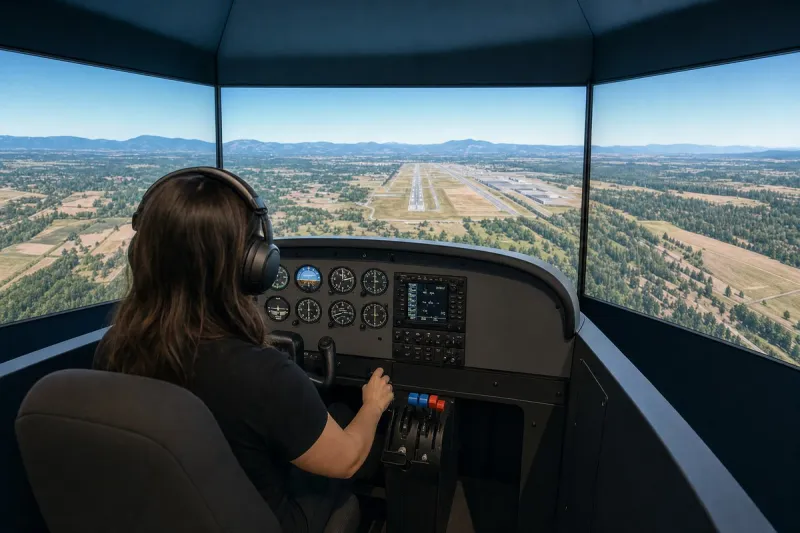
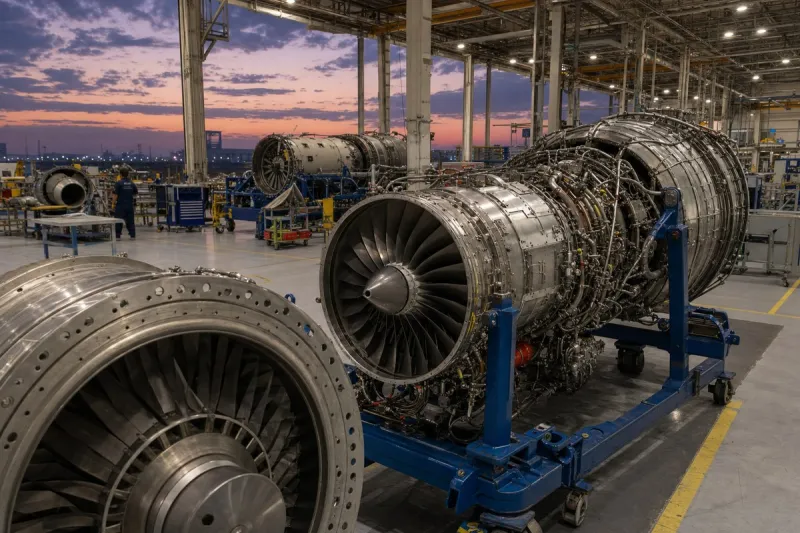
The facility includes an expanded Materials and Processes Lab, a new Integration Test Lab, an upgraded Advanced Design & Development Lab, and new environmental testing equipment and capabilities, along with increased floor space for development and testing and flexible, collaborative workspaces throughout. Ken Harness, Senior Vice President of Product Development at Cirrus Aircraft, said the new facilities and capabilities enable engineers, technicians and researchers "to more rapidly design, develop and certify our next generation of Cirrus products in a connected, synergetic environment." CEO Zean Nielsen called the opening "an incredible company milestone" and said the company worked closely with partners to renovate the building and hire additional engineering and technical staff in Duluth.
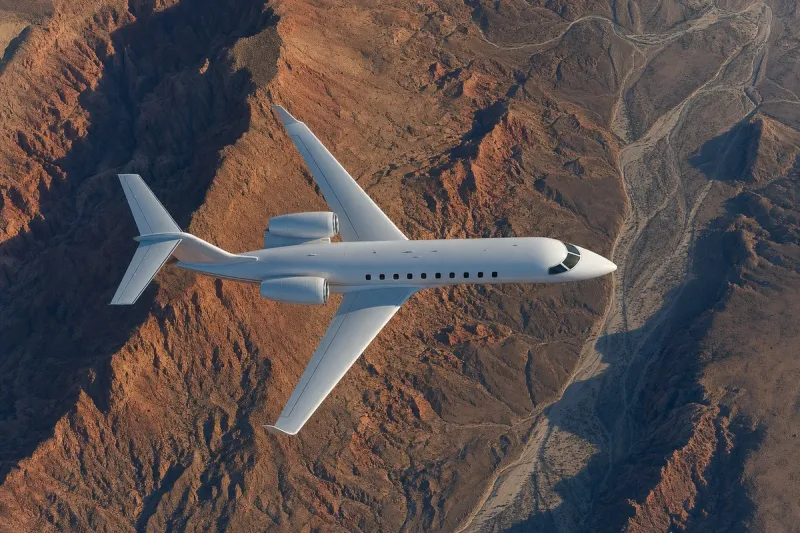
More than 30 engineers and technicians have been added since 2022, bringing the total workforce at the Innovation Center to more than 300 people. Founded in 1984, Cirrus Aircraft makes the SR Series piston aircraft and the Vision Jet, described as the world's first single-engine Personal Jet, and worldwide flight time on Cirrus aircraft has surpassed 15 million hours.
Industry impact & what to watch
Investment of this kind in physical test and integration infrastructure tends to mark a manufacturer's preparation for a new design or certification cycle rather than an incremental update to an existing line. Expanded materials, integration and environmental test labs are the kind of capability that shortens the path between concept and certified product, which matters most to OEMs planning multiple new programs rather than a single derivative model.
For piston and personal-jet manufacturers, in-house test and design capacity is a competitive lever: certification timelines and reliability data increasingly depend on how much validation work can be done internally before a design reaches regulators. Adding more than 30 engineers and technicians since 2022 points to sustained hiring tied to that capacity rather than a one-time facility upgrade.
What remains to be seen is which specific next-generation products this expanded capability is aimed at, since neither Harness nor Nielsen named a program. The next marker to watch will be whatever new SR Series or Vision Jet development Cirrus discloses that draws directly on the Integration Test Lab or the upgraded Advanced Design & Development Lab.