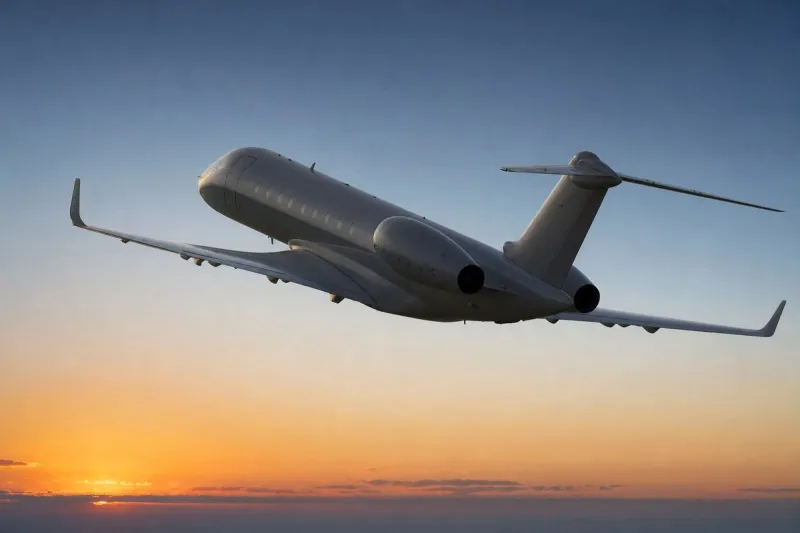
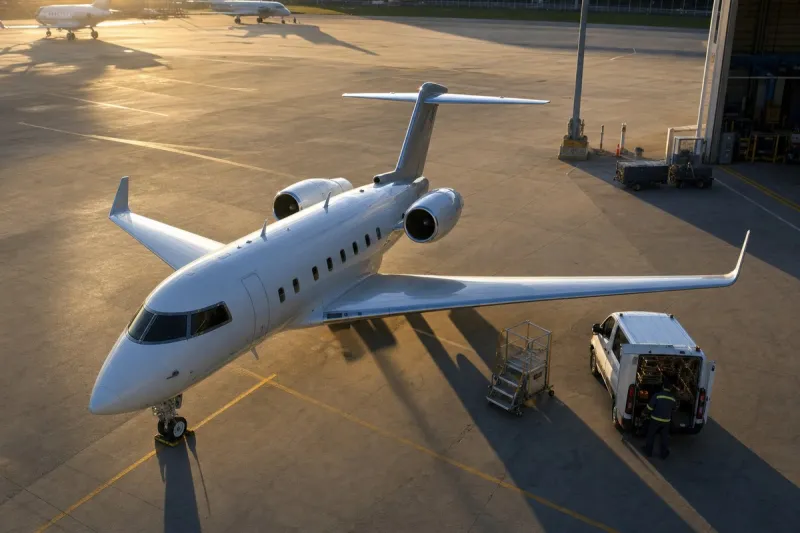
SyberJet Unveils $14M SJ36 Light Jet With 3,000nm Range and Mach 0.88 Speed, FAA Certification Targeted for 2032
Why It MattersThe announcement shows how light-jet makers are using range and speed claims tied to a certification deadline years out to shape buyer expectations before a single prototype flies.
What happened
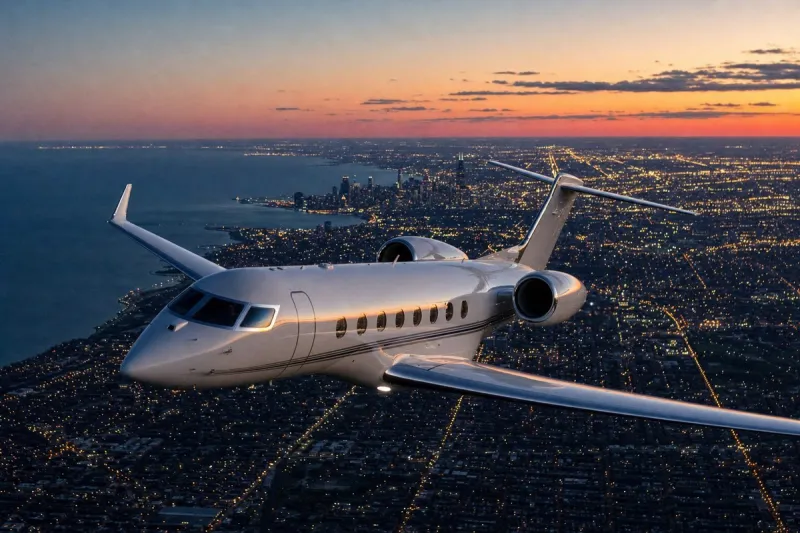
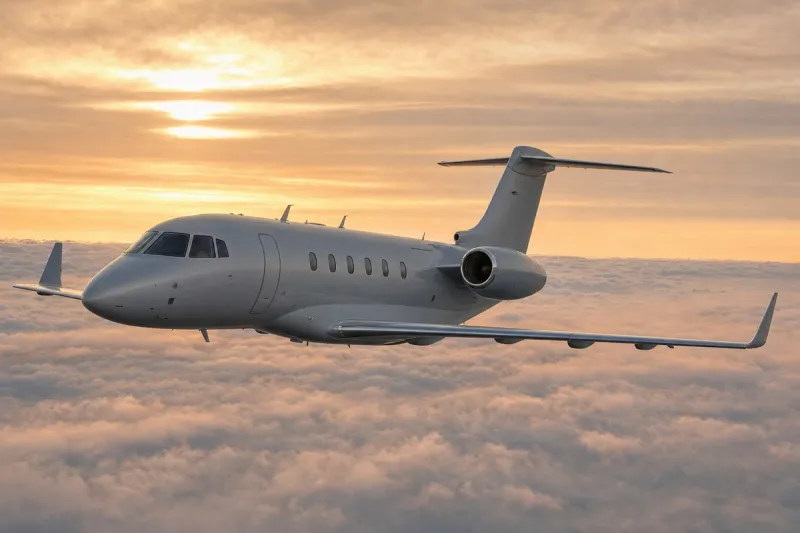
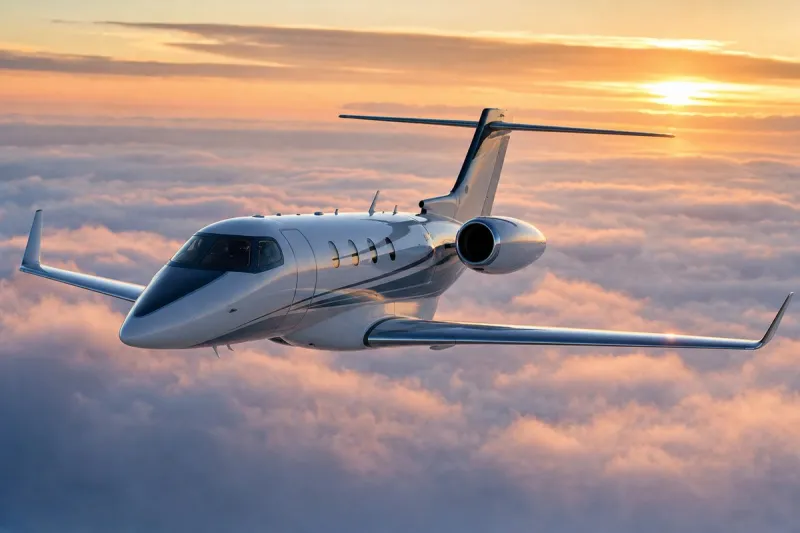
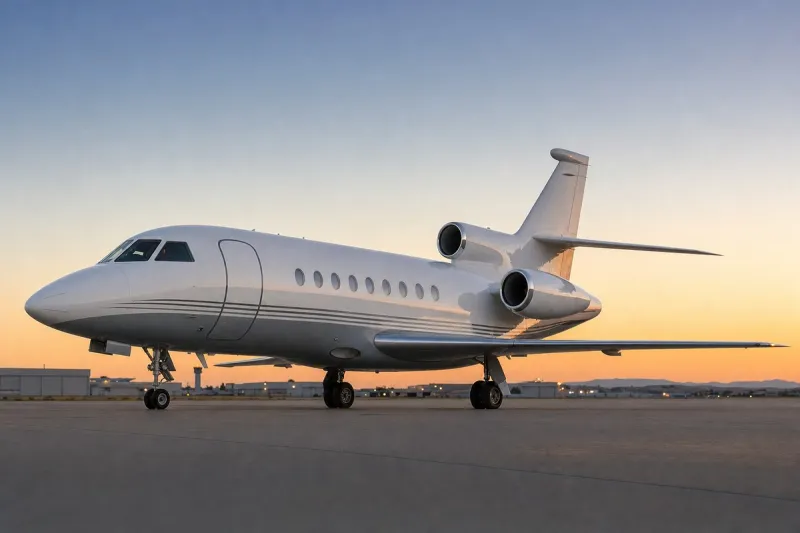
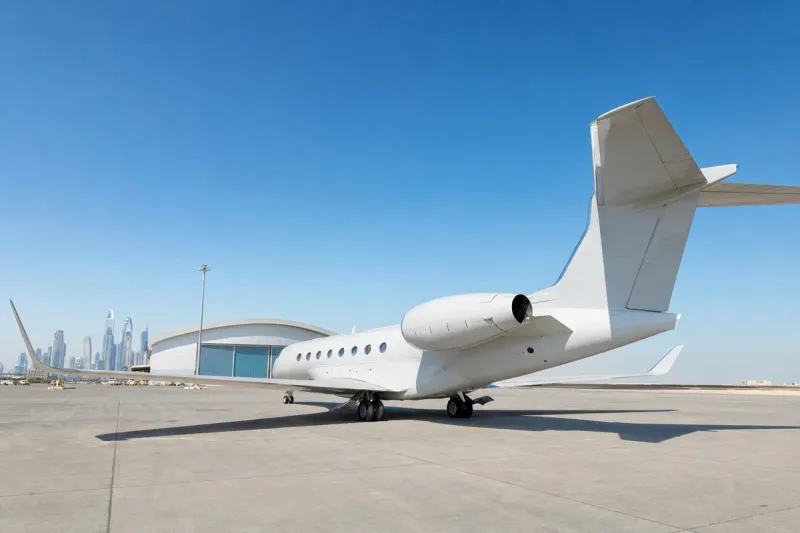
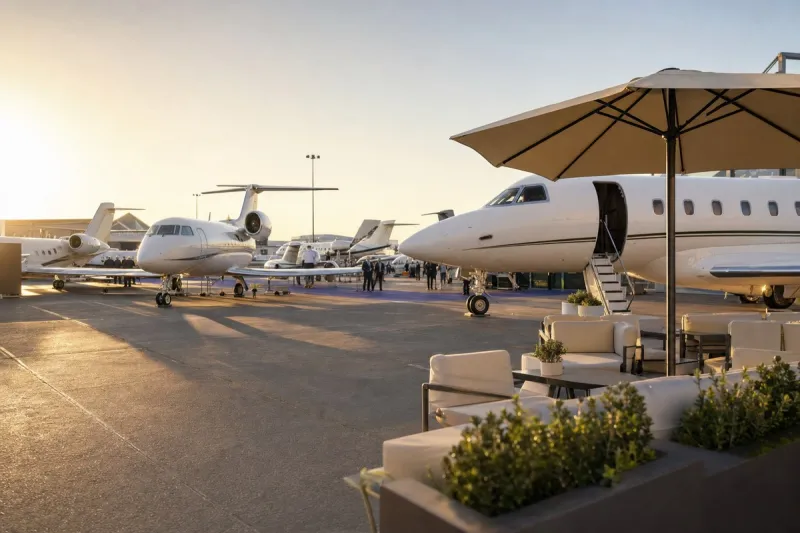
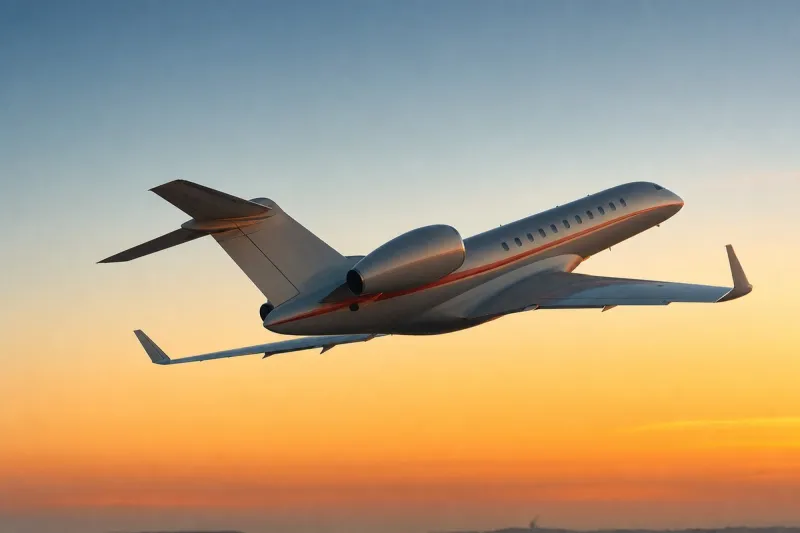
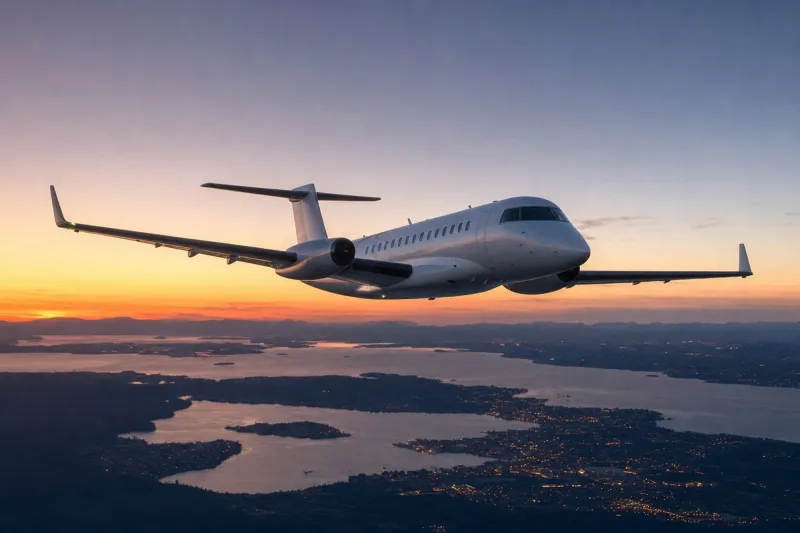
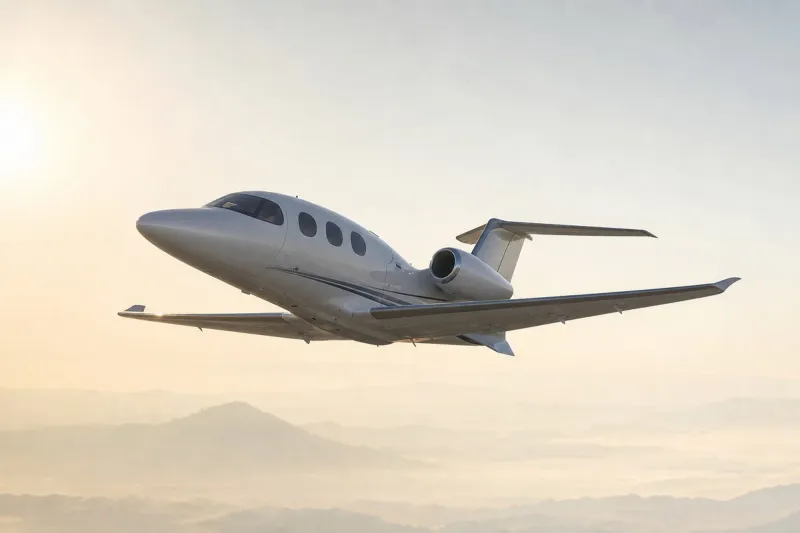
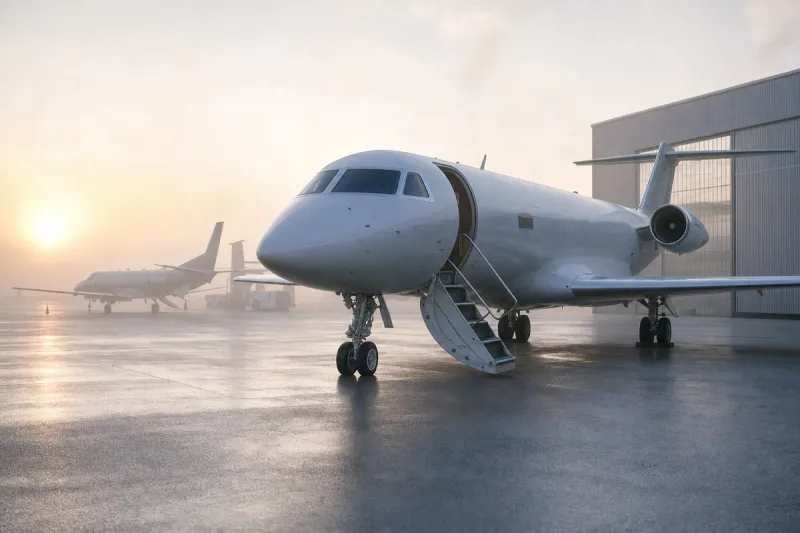
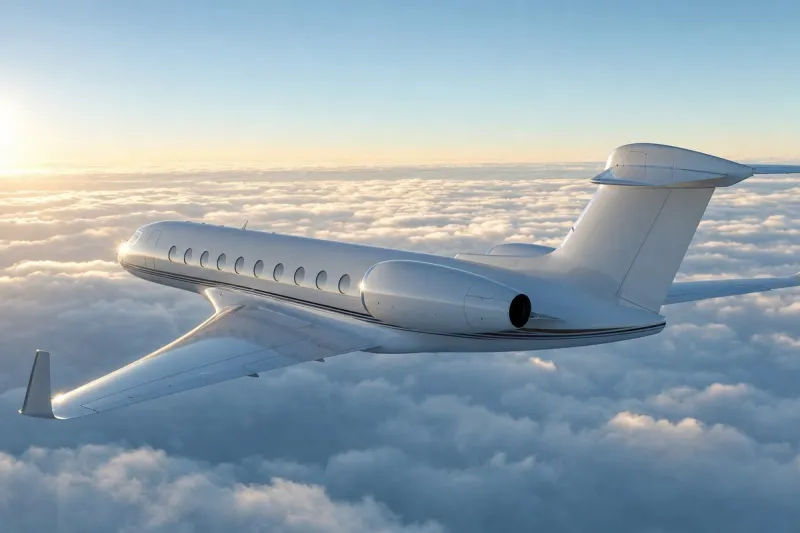
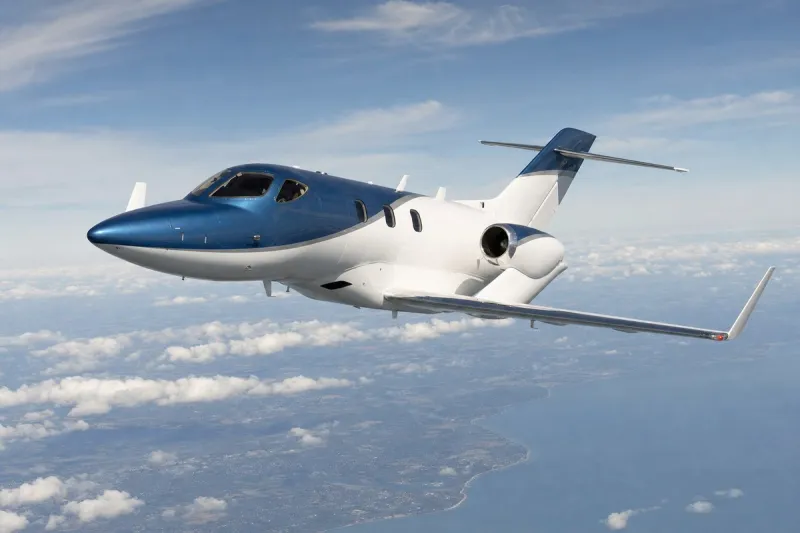
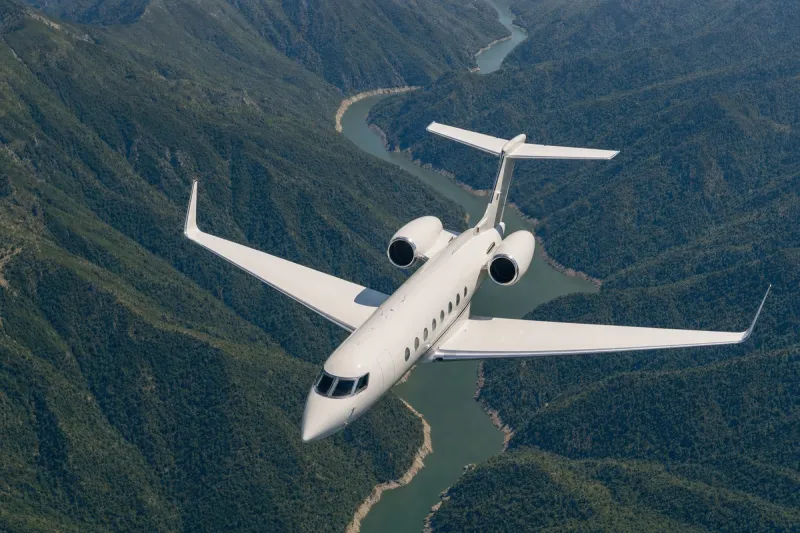
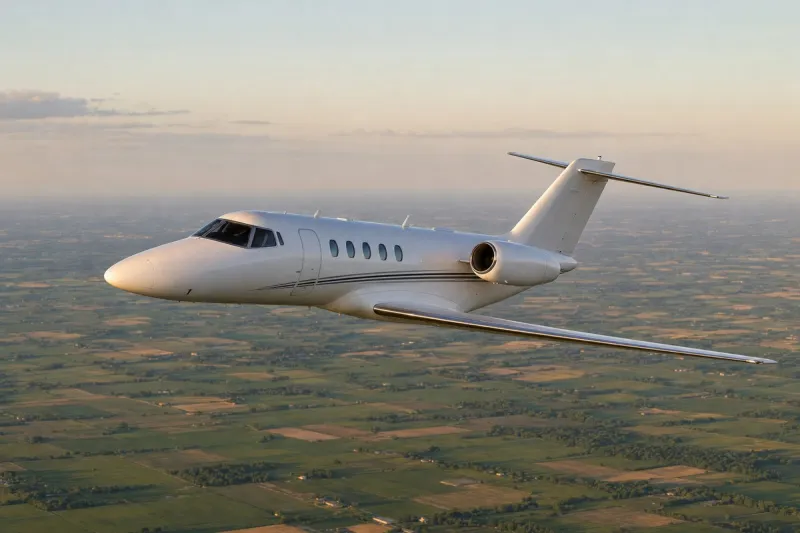
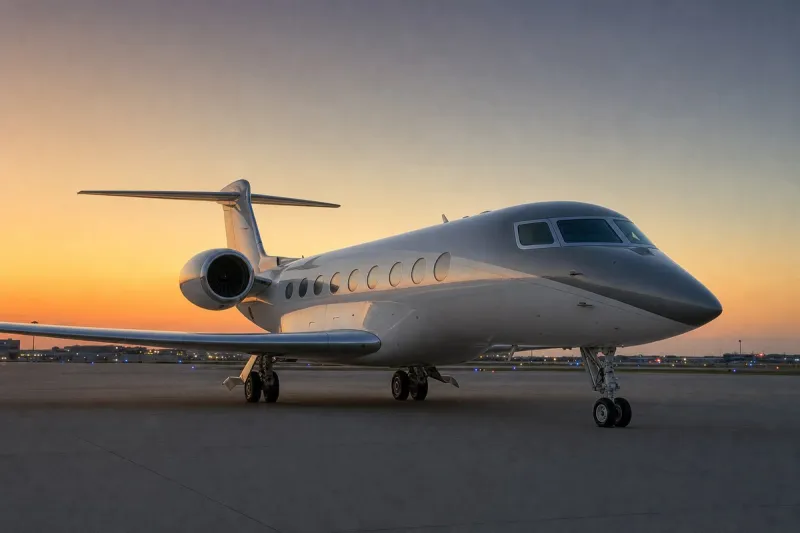
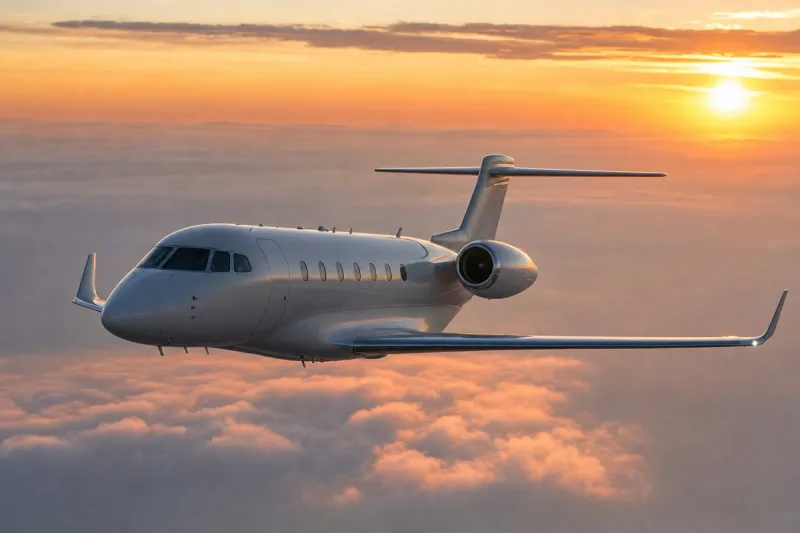
SyberJet has announced the SJ36, a light jet priced at $14 million that the company says will deliver 3,000nm of range, a top cruise speed of Mach 0.88, a long-range cruise of Mach 0.74, and sea-level cabin pressure while cruising at 41,000ft. The aircraft is due to be unveiled at NBAA-BACE in Las Vegas this October, with first flight expected within three to five years and FAA certification targeted for 2032.
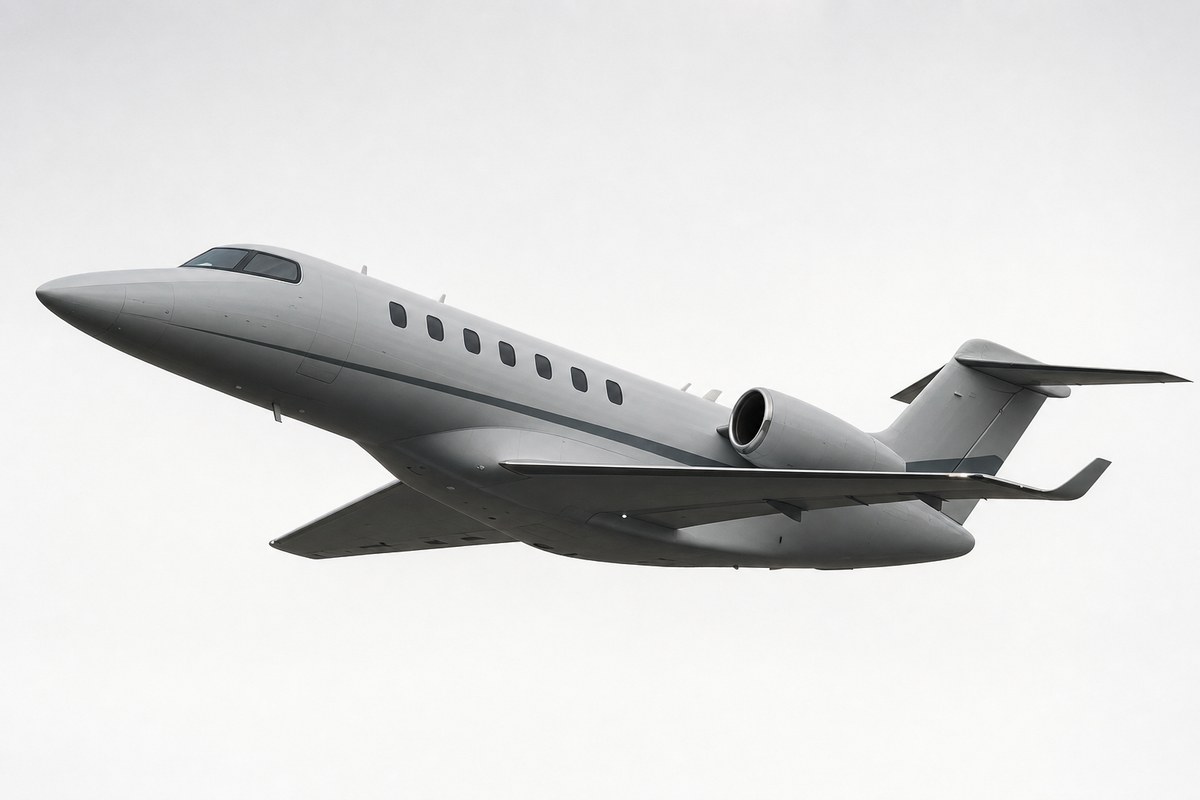
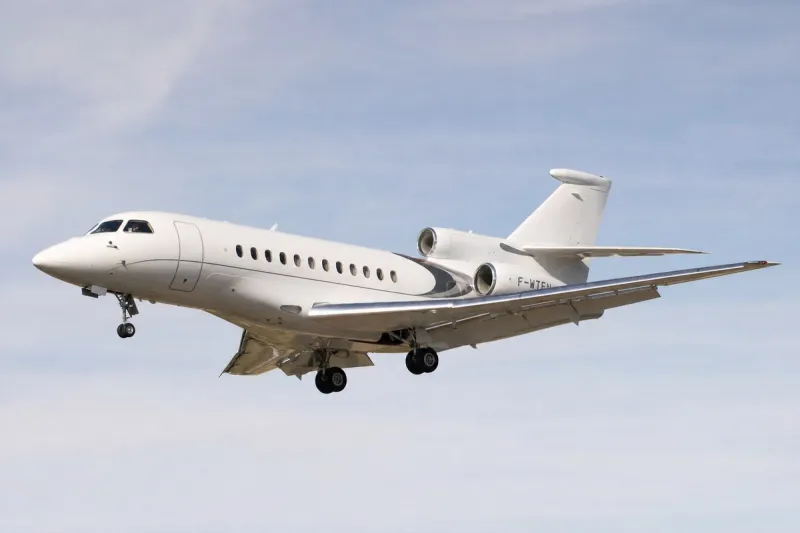
SyberJet says the SJ36 will be capable of flying nonstop from Los Angeles to Hawaii and from Los Angeles to Teterboro, which the company says would make it the first light jet able to complete US transcontinental routes without a fuel stop, a capability it says was previously limited to mid-size jets. The company compared the aircraft to the Embraer Phenom 300E, described as the fastest light jet currently in significant production at Mach 0.80.
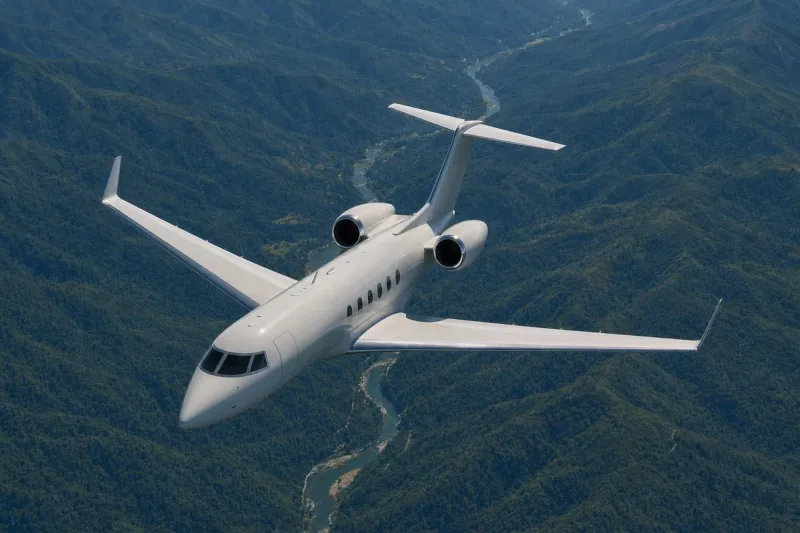
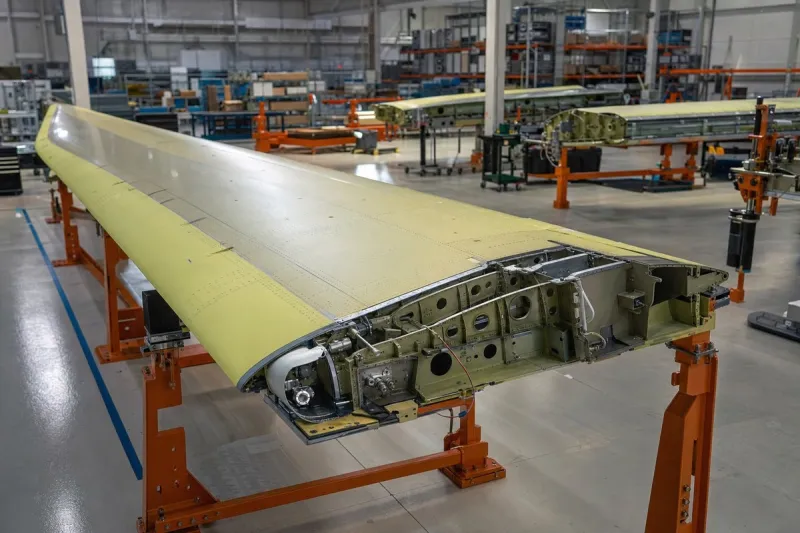
Power comes from two Williams FJ44-4A turbofans producing a combined 7,200 lbst, compared with the 4,600 lbst combined output of the FJ44-2As used on the predecessor SJ30. Kevin Lynk, SyberJet Chief Technology Officer, said the increased thrust supports a targeted maximum takeoff weight of 18,500 lbs, an increase of 4,550 lbs over the SJ30-2. The airframe has a small-section fuselage to reduce drag, an evolved highly-swept wing with a supercritical airfoil design, and a larger wing area for additional fuel and payload.
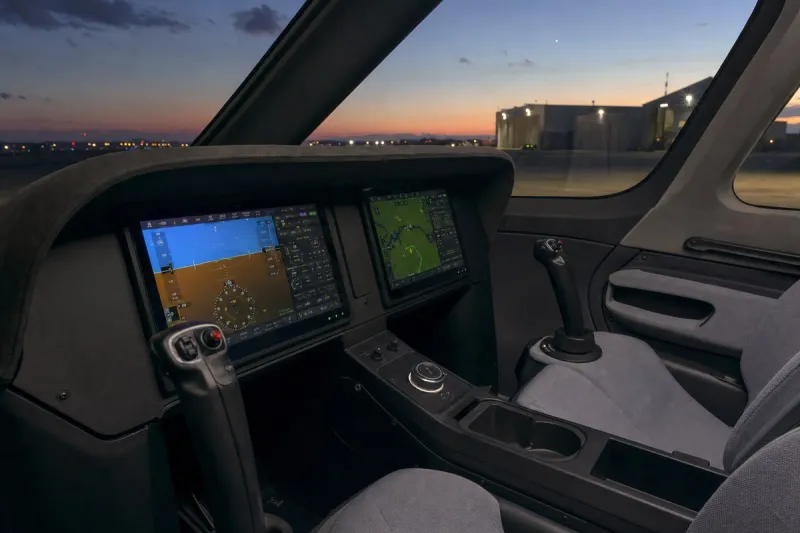
The cockpit is optimised for single-pilot operation through SyberJet's proprietary SyberVision flight deck, which incorporates six HD touchscreens intended to reduce pilot workload through advanced automation. The cabin keeps similar height and width to the SJ30 but adds four feet of length, enabling seating for up to nine occupants — executive seating for six, a lavatory seat, and a co-pilot jump seat — on a flat floor, with lie-flat VIP seating, dimmable window shades and advanced ambient lighting planned.
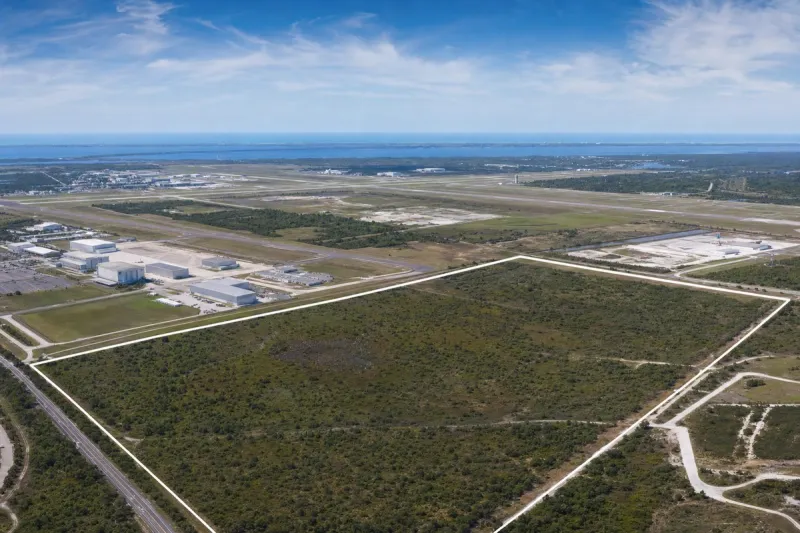
The SyberJet program was acquired in 2024 by an investment group led by Trevor Milton, who announced plans for the larger, longer-range SJ36. SyberJet's heritage traces to the SJ30, which received FAA certification in 2006 after lengthy delays; only eight units were built before production stopped in 2009 when Sino-Swearingen was acquired by Emivest. Metalcraft Technologies acquired Emivest out of bankruptcy in 2011, renaming the entity SyberJet Aircraft and taking on the SJ30 type certificate. SyberJet announced that an SJ30-2 recently broke the light jet transcontinental east-to-west speed record, flying nonstop from Jacksonville to San Diego in 4 hours and 7 minutes at an average speed of 505.3 mph, beating the previous record of 339.4 mph held for 13 years by the Embraer Phenom 300. SyberJet is headquartered in Chandler, Arizona.
Industry impact & what to watch
A light jet pitched against mid-size-class range is a familiar move in business aviation: manufacturers use a single record flight and a headline speed figure to stake out a performance tier above their own aircraft class years before certification is in hand. The SJ30-2's Jacksonville-to-San Diego record gives SyberJet a concrete data point to anchor the SJ36's Mach 0.88 claim, even though the SJ36 itself has not flown.
Light-jet buyers weigh range, cabin size and single-pilot eligibility against price, and the SJ36's nine-seat cabin and SyberVision flight deck are aimed squarely at that calculus against the Phenom 300E. But the SJ30 program's own history — FAA certification in 2006 after lengthy delays, only eight aircraft built, two ownership changes through bankruptcy — is the clearest reason a 2032 certification target for a heavier, faster derivative deserves scrutiny rather than acceptance at face value.
What happens between now and the NBAA-BACE unveiling in October, and whether first flight holds to the stated three-to-five-year window, will say more about the program's credibility than any spec sheet. The next concrete marker is the Las Vegas unveiling itself, followed by whatever flight-test timeline SyberJet lays out once the prototype configuration is locked.