Private Jet Market Stays 35% Above 2019 Levels as 2026 Mid-Year Departures Reach 1.95 Million
Why It MattersTight pre-owned supply, rising deliveries and a broadening customer base show private aviation's post-pandemic demand shift has become structural rather than a temporary spike.
What happened
Global business jet departures reached approximately 1.95 million in the first half of 2026, keeping the private jet market roughly 35% above 2019 flight-activity levels, according to business-jet flight-activity records. Trailing-twelve-month departures through June 2026 totaled 3.97 million, up nearly 5% year over year. Average global utilization of private aircraft reached about 21.4 hours per month in 2026, exceeding 2019 levels.
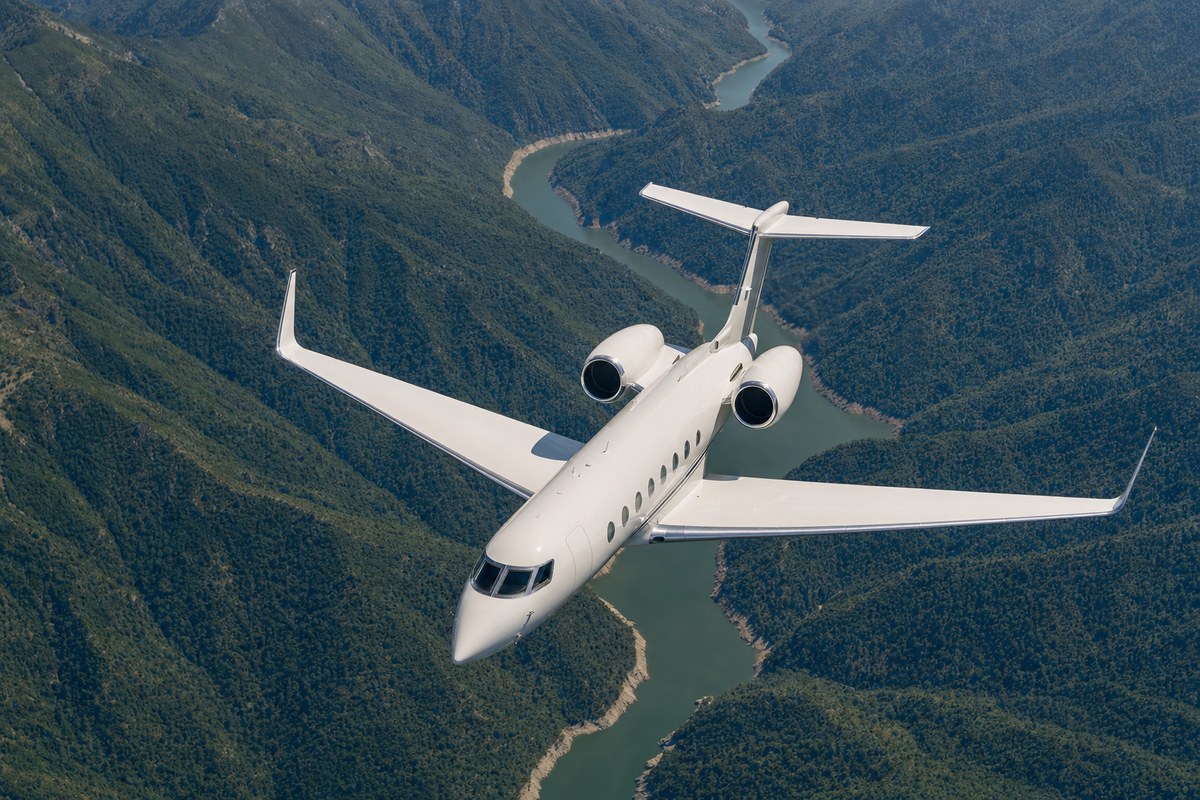
Five million private flights were taken in 2023, a 15% rise since the pandemic began. New business jet deliveries totaled approximately 854 units globally in 2025, up about 11.8% over 2024, with North America accounting for 64% of global deliveries. The pool of pre-owned business jets listed for sale stood at just 6.5% of the active fleet in mid-2026, well below the 10-year historical average of 8–10%. The global ultra-high-net-worth population surpassed 684,000 in 2025.
The private jet market was valued at $21.24 billion in 2024, according to Fortune Business Insights. The charter segment alone is projected to reach $28.9 billion in 2025, with the broader market expected to hit $24.28 billion that year. Industry forecasts point to approximately $247 billion in combined new and pre-owned transaction volume between 2026 and 2030, with heavy and ultra-long-range categories accounting for significant growth.
The structural shift traces back to the pandemic period of 2020–2022, when private jet demand surged more than 20% as commercial airlines grounded fleets and affluent travelers sought alternatives. Roughly 95% of those who began flying privately during that period continued to do so after restrictions lifted. The customer base has broadened beyond traditional users, now including technology entrepreneurs, small and mid-size companies using charter for investor roadshows and team travel, and millennial professionals drawing on wealth from tech and finance. Leisure itineraries — ski trips, remote villa stays, sports events, and cost-sharing group charters — now rival business travel in volume, while corporate clients are increasingly shifting from outright ownership to flexible-access models such as charter, membership programs, and fractional ownership.
Industry impact & what to watch
This data describes a market that absorbed a demand shock and never gave it back: departures and utilization both sit above 2019 benchmarks years after the pandemic that triggered the shift, and the 95% retention rate among pandemic-era converts suggests the new flyer base is not a temporary bubble.
The pre-owned supply figure is the clearest sign of how tight the segment has become — at 6.5% of the active fleet listed for sale against a historical 8-10% range, used inventory is scarce even as new deliveries climb to 854 units in 2025. That scarcity, combined with a broadening buyer base spanning first-time entrepreneurs, small companies, and leisure travelers, is pushing more corporate users toward charter, membership, and fractional programs instead of outright ownership, reshaping how access to aircraft gets priced and allocated.
What happens to the roughly $247 billion in projected 2026-2030 transaction volume will depend on whether deliveries can keep pace with the shrinking pre-owned pool, particularly in the heavy and ultra-long-range categories where forecasts point to the most growth.