Cirrus SR22 Insurance Costs in 2026: Premiums Range from $2,500 to $9,000+ Depending on Hull Value and Pilot Experience
Why It MattersSoftening renewal pricing alongside wide premium spreads shows piston aircraft insurance remains underwritten on individual pilot risk profiles rather than aircraft type alone, keeping training records central to coverage cost.
What happened
Annual insurance premiums for the Cirrus SR22 range from approximately $2,500 to $9,000 or more in the 2025–2026 U.S. general aviation market, with hull value, pilot experience, and training history cited as the primary cost drivers. Hull coverage accounts for 70% to 85% of total insurance premiums, and underwriters typically charge 1.0% to 1.5% of hull value per year for piston aircraft. A newer SR22 with a hull value above $700,000 flown by a low-time pilot can pay two to three times more than an older SR22 owned by an experienced, instrument-rated pilot.
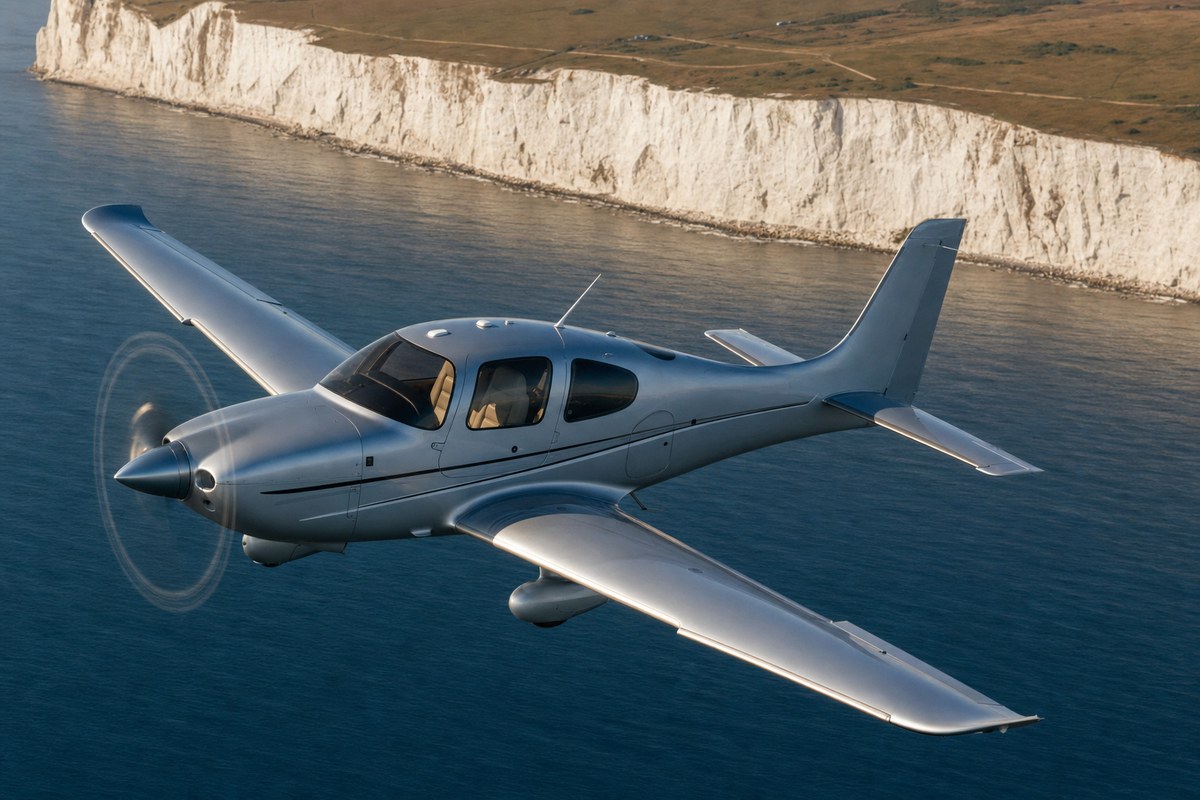
Specific premium ranges break down by pilot profile: a new or high-hull SR22 or SR22T with a low-time pilot typically costs approximately $5,000 to $9,000 or more per year; a mid-time pilot with a clean record pays about $3,500 to $5,500; and a high-time, IFR-rated owner with recurrent training often pays $2,500 to $4,000 annually. Aviation insurance broker Alexander Aviation places experienced Cirrus pilots with documented recurrent CSIP training in the $2,500 to $4,500 range, while transitioning pilots with low hours in type may pay $4,000 to $8,000 or more. Two illustrative examples were given: a 2018 Cirrus SR22 G6 with a $650,000 hull value, flown by a 600-hour IFR pilot with 200 hours in type and hangared in Florida for private and business use, would likely cost $4,200 to $5,000 annually for $1 million liability coverage; a 2004 SR22 with a $250,000 hull, operated by a 1,200-hour pilot with 500 hours in type and annual recurrent training, would likely cost around $2,700 to $3,300 for similar coverage, assuming a clean claims history and standard private use.
Key factors cited as affecting premiums include model year and installed equipment such as avionics, FIKI ice protection, and turbocharging, each of which raises hull value and therefore premium cost. Hangar storage versus outdoor tie-down, geographic weather risk including hail zones and hurricane exposure, total flight hours, time in type, instrument rating status, claims history, pilot age, and operational classification (personal versus commercial) all influence underwriter pricing. Most underwriters require initial Cirrus-specific training through a Cirrus Standardized Instructor Pilot (CSIP) before full hull coverage takes effect; a pilot transitioning from another aircraft with approximately 250 total hours may be required to complete 10 to 25 hours of dual instruction in the SR22 plus a recognized transition course. Some underwriters require annual recurrent training while others accept biennial recurrent training, and documented training in CAPS parachute deployment, instrument proficiency, and emergency procedures improves a pilot's risk profile. From 2018 to 2022 the market hardened and premiums rose even for clean risks; the market has since softened, with BWI aviation insurance data showing median renewal reductions of roughly 25% across tracked SR22 policies in early 2026. Higher liability limits, such as $1 million smooth liability versus per-passenger sublimits, also affect annual premiums, and named-pilot policies covering a single qualified pilot tend to be less expensive than multi-pilot arrangements. Commercial operation or use for flight instruction can push premiums higher than the ranges cited above, which apply to standard private use.
Industry impact & what to watch
This pricing pattern reflects how underwriters treat piston single-engine aircraft insurance as a function of pilot risk layered on top of hull value, rather than a flat rate tied to aircraft type. The same airframe can carry a premium spread of several thousand dollars depending entirely on hours in type, instrument currency, and documented recurrent training, which is why brokers like Alexander Aviation build pricing tables around pilot profile rather than aircraft specification alone.
The mechanics described here — CSIP-based transition training, CAPS and emergency-procedure documentation, and annual versus biennial recurrent requirements — show how type-specific manufacturer training programs have become embedded in underwriting criteria for the Cirrus fleet specifically. That linkage gives owners a concrete lever to lower cost: completing and documenting recurrent training moves a pilot toward the lower end of the quoted ranges.
The broader market cycle also matters here. Median renewal reductions of roughly 25% reported by BWI in early 2026 suggest the hard market that began in 2018 has eased, which affects renewal budgeting for existing owners more than first-time buyers facing the full $5,000-to-$9,000-plus range. Whether that softening trend continues through the rest of 2026 will depend on claims experience across the broader piston fleet, which is not addressed here.