South African Civil Aviation Authority Raises Fees Across Range of Services from 1 October
Why It MattersIn general aviation, regulatory cost increases fall hardest on small operators and individual owners who cannot spread charges across large passenger volumes the way major airlines can.
What happened
The South African Civil Aviation Authority (SACAA) implemented a new round of fee increases effective 1 October, covering a broad range of regulatory services used by pilots, aircraft owners, operators and aviation organisations. The charges apply to pilot licensing, examinations, aircraft operations, maintenance personnel approvals and other aviation-related regulatory functions.
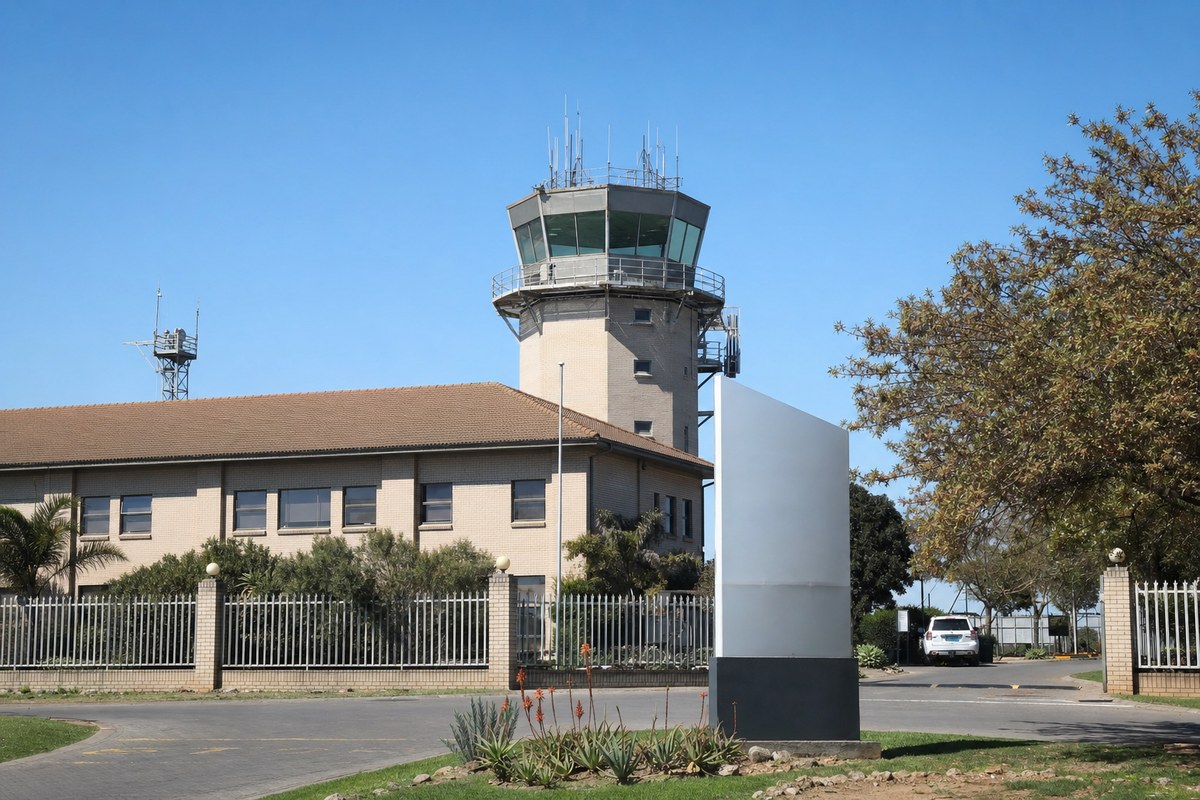
Some items and services have increased by as much as 400%. SACAA stated the increases reflect the cost of providing the regulatory infrastructure required to keep South African aviation safe and compliant.
Critics within the general aviation sector say the increases compound an already significant cost burden. They note that private aircraft owners and small operators — including charter companies, flight schools and maintenance organisations — have no alternative regulator and must absorb the higher charges without the ability to spread costs across large passenger volumes the way major airlines can. Industry stakeholders have renewed calls for SACAA to publish service-level agreements specifying processing timeframes for licensing and approvals and to demonstrate measurable service improvements alongside any cost increases, with some applicants reporting that processes which previously took hours now take considerably longer under digitised systems.
Industry impact & what to watch
Regulatory fee increases of this scale land unevenly across an aviation market where a single authority sets charges for every operator regardless of size. Major airlines can spread such costs across large passenger volumes; flight schools, charter operators and maintenance organisations working with smaller fleets cannot, which means a uniform fee schedule functions as a heavier burden the smaller the operation.
This matters beyond the immediate cost because general aviation stakeholders link it to a wider affordability problem: rising regulatory, fuel, insurance, maintenance, hangarage and airport costs are together making entry-level aviation harder to access, with implications for the future supply of professional pilots, engineers and aviation businesses in South Africa.
The next test is whether SACAA responds to industry calls for published service-level agreements that specify processing timeframes for licensing and approvals, and whether it can show measurable service improvements to match the higher charges. Whether digitised processing times actually shorten, rather than lengthen as some applicants currently report, will be a concrete marker of whether the fee increases are delivering the regulatory capacity SACAA says they fund.