Goa Allocates ₹2 Crore to Incentivise International Charter Flights for Winter Season
Why It MattersThe move shows how destination governments increasingly use direct subsidies to charter operators to secure seasonal international connectivity rather than relying on scheduled carriers alone.
What happened
Goa's Tourism Minister Rohan Khaunte announced on Sunday that the state government has allocated ₹2 crore to incentivise international charter flights ahead of the upcoming winter tourism season. The scheme is designed to encourage charter operators to expand flight schedules into Goa, with new and increased connections from Russia, Poland, Kazakhstan, and the United Kingdom expected to begin this November.
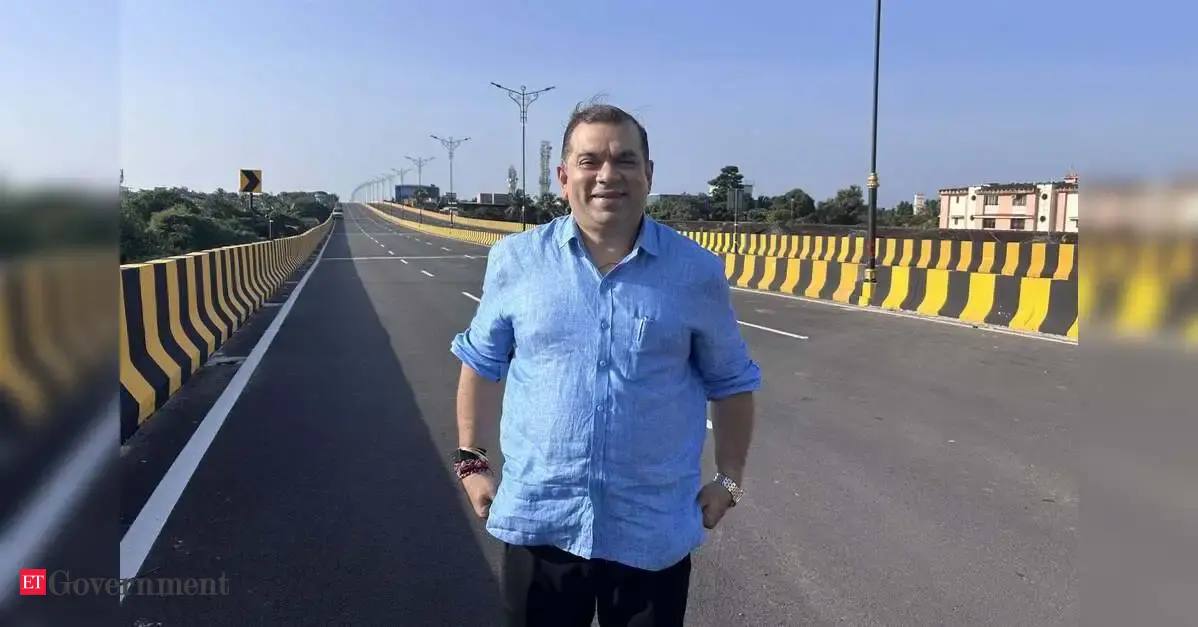
Khaunte said strengthening international connectivity has been a priority since he took charge in April 2022, with the state working alongside the central government, airlines, tour operators, and the wider tourism industry. "For us, every new flight means opportunities for local businesses and communities," he said in a video statement, without detailing the specific terms of the incentive scheme.
Goa has already launched its 2026–27 international charter season with the arrival of a flight from Yekaterinburg carrying 162 passengers. Russian charter services will initially operate five times a week, rising to nine frequencies from mid-October. Charter connectivity from the UK and Kazakhstan is scheduled to follow. The government is also promoting a "Goa Beyond Beaches" initiative, aimed at encouraging visitors to explore the state's hinterland, villages, heritage, culture, and cuisine, with a focus on extending the length of tourist stays.
Industry impact & what to watch
This case illustrates a pattern seen across seasonal leisure destinations: a state or tourism authority puts direct money behind charter operators to lock in capacity for a defined window, rather than waiting for scheduled airlines to add routes on their own commercial calculus. Charter programs built around source markets like Russia, Poland, Kazakhstan and the UK depend heavily on frequency ramp-ups timed to winter demand, and incentive funds are often the mechanism that determines whether an operator commits to nine weekly frequencies instead of five.
For the charter segment, this kind of arrangement shows how destination-side subsidies can function as a substitute for the network economics that normally justify a route — the operator's calculus shifts once a portion of cost or risk is offset by the host government. The Yekaterinburg flight carrying 162 passengers marks the opening move of the 2026–27 season, and the actual scale of the effect will depend on how quickly the Poland, Kazakhstan and UK connections materialize and at what frequencies they stabilize.
What remains to be seen is how the ₹2 crore allocation is structured and disbursed, since Khaunte did not detail the mechanics of the scheme. The mid-October step-up in Russian frequencies and the start of UK and Kazakhstan services are the near-term markers that will show whether the incentive is translating into sustained capacity rather than a single seasonal opening flight.